
 About


In today's BCTV Daily Dispatch: South Park, SNL, Scrubs, Creature Commandos, Emily in Paris, Adults, DC Studios/Lanterns, and much more!
Posted in: BBC, TV | Tagged: doctor who
Looks Like Doctor Who Might Be Getting a Streaming "Deal" After All
If the BBC and the government have a say, online services like Netflix and YouTube could help fund Doctor Who - whether they like it or not.
Article Summary
- Doctor Who’s future is increasingly tied to BBC finances as the broadcaster faces layoffs, downsizing, and charter pressure.
- The BBC lost 539,000 licence fee payers, raising fears over how Doctor Who and other major UK programming get funded.
- A proposed UK “YouTube Tax” could make Netflix, Disney+, Amazon, and YouTube help fund the BBC through licence fees.
- If approved, the streaming plan could reshape BBC iPlayer access and influence how Doctor Who reaches online viewers.
You can't have a conversation about Doctor Who and not have the BBC enter the conversation in some way – and vice versa. As the long-running show goes through the tender process for another revival and the multimedia company looks to address a growing financial problem through layoffs and downsizing, their futures are more entwined than ever before. In July, the BBC's annual report red-flagged a serious, bigger-picture issue that could impact not just Doctor Who but a whole lot of other programming and services the BBC offers. The multimedia company took a big hit in the number of viewers paying its licensing fee, losing 539,000 payers last year (down to 23.3 million). In terms of income from the annual £180 ($240) fee, that actually increased by £36M to £3.9B, due in large part to the license fee rising with inflation. At the time, one option offered to help remedy that was for the streaming services operating in the UK to pick up a chunk of the licensing fee tab.
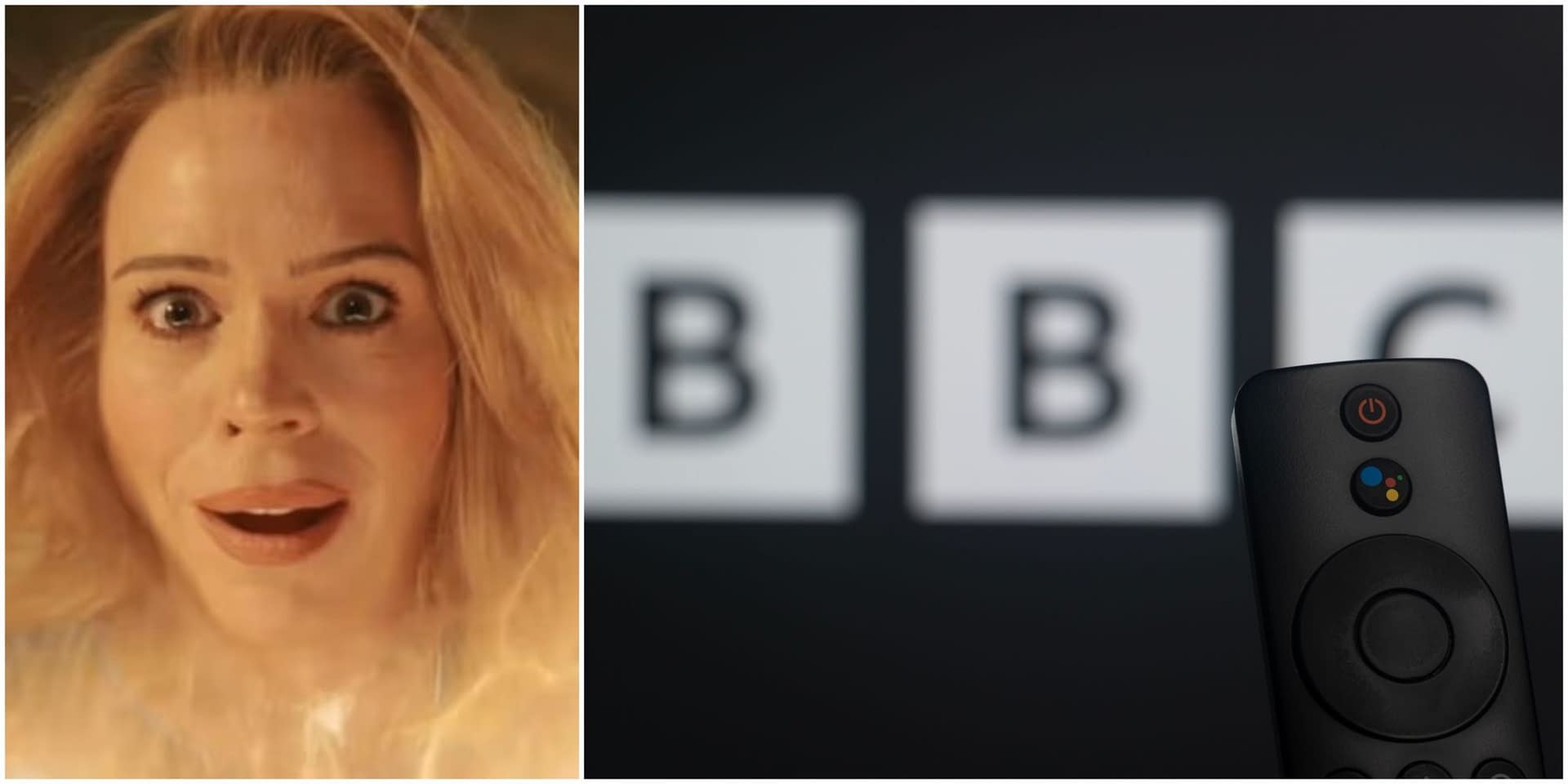
Nearly three months later, that option has taken one big step to becoming a reality. The Independent reports that the government is preparing a white paper on the BBC charter renewal, including a plan to extend the license fee to online streaming services (nicknamed the "YouTube Tax"). Expected to be published before the holidays, the plan would prevent viewers from circumventing payment of the license fee by accessing content online via their phones or computers. That means currently exempt services like Netflix, Amazon, Disney+, YouTube, and others would also fall under the BBC's licensing fee. As for the nickname, that stems from YouTube being the UK's largest online video platform (with approximately 55 million users and a 79% penetration rate across the British online landscape). Another option proposed over the summer and under consideration is to block viewers who don't pay the licensing fee from accessing BBC iPlayer, the BBC's streaming service.
Enjoyed this? Please share on social media!


Stay up-to-date and support the site by following Bleeding Cool on Google News today!