
 About
About 


Batman #8 and Absolute Superman #18 lead the Top 50 Anticipated Comics This Week, as 2000AD makes it into the chart, just
Posted in: Comics, Look! It Moves! by Adi Tantimedh | Tagged: books, Comics, japan
Look! It Moves! by Adi Tantimedh #114: Art Imitates Games Imitates Life
 Adi Tantimedh writes for Bleeding Cool
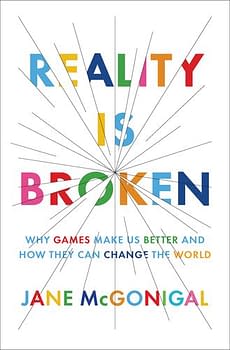
In REALITY IS BROKEN: WHY GAMES MAKE US BETTER AND HOW THEY CAN CHANGE THE WORLD, Jane McGonigal proposed that games have the potential to improve people's social skills, self-esteem, motivation, and on a broader scale, can be used as strategies to improve social problems. While I don't agree 100% with her hypothesis, I don't want to poo-poo the notion that games could be a positive social force beyond mere escapism.
For a lot of people, games are more than a major part of their lives. They're almost an alternate life, an add-on, a prism through which they measure the rest of their lives, despite the mainstream media not understanding or thinking games are inherently addictive and evil. Specially, pop fiction concentrates on social and online games, since people connect and interact in them, which provides an allegorical means to explore ideas. Science Fiction writers have started seeing the space of MMO games as a legitimate arena where ideas can and should be explored.
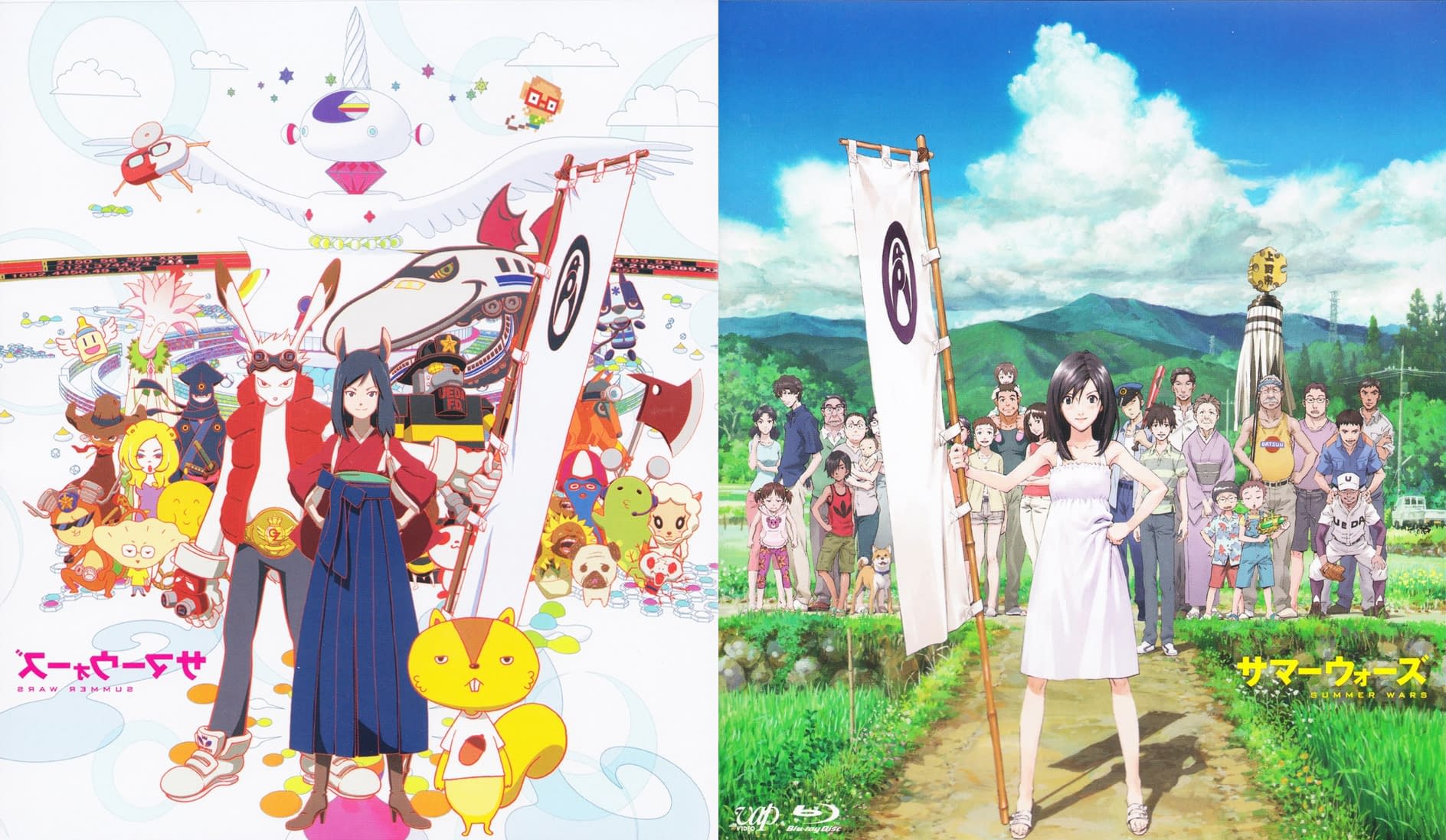
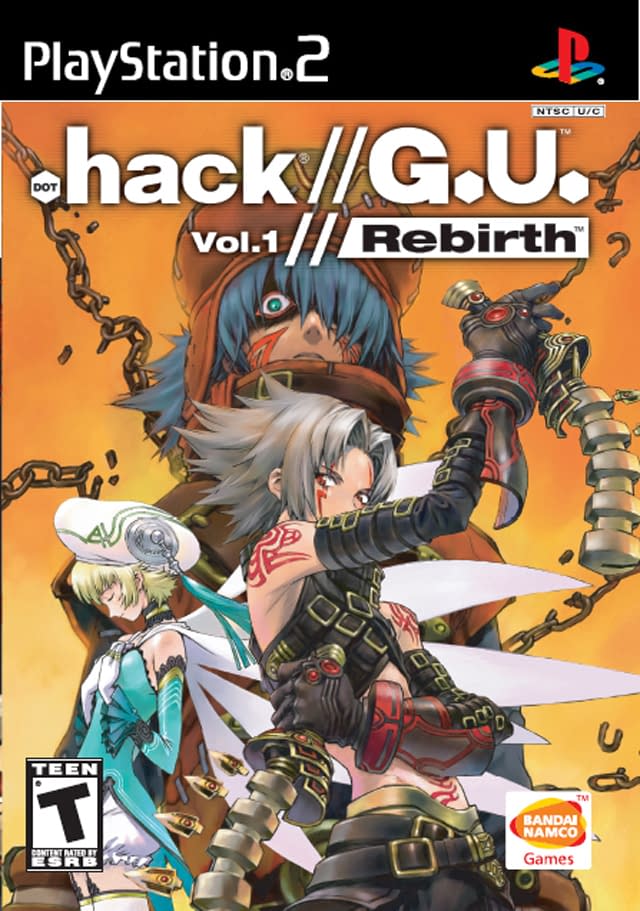 In the last ten years or so, SF writers have been coming to the MMO games fiction subgenre in a gradual but increasingly significant way. Of course, the Japanese, who took to Cyberpunk in a big way in the 80s and 90s, have paved the way and turned the subgenre into a whole market. The .HACK franchise has been going strong since 2002 with games on Sony Playstation 2 and over a dozen spinoff titles in manga, novels and anime series. Acclaimed author Hiroshi Sakurazaka has published SLUM ONLINE, about a slacker college student and his more purposeful and glamourous life in an MMO virtual fighter game. There's also the recent anime movie SUMMER WARS, which can be described as being like Frank Capra tackling the online game life. There are loads of other entries in the subgenre that haven't been translated into English.
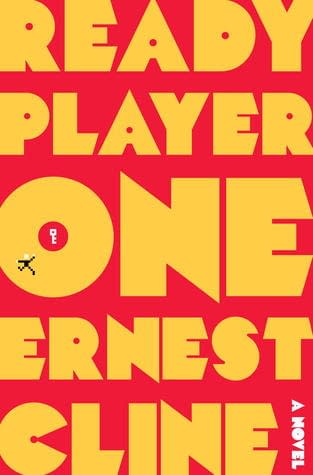
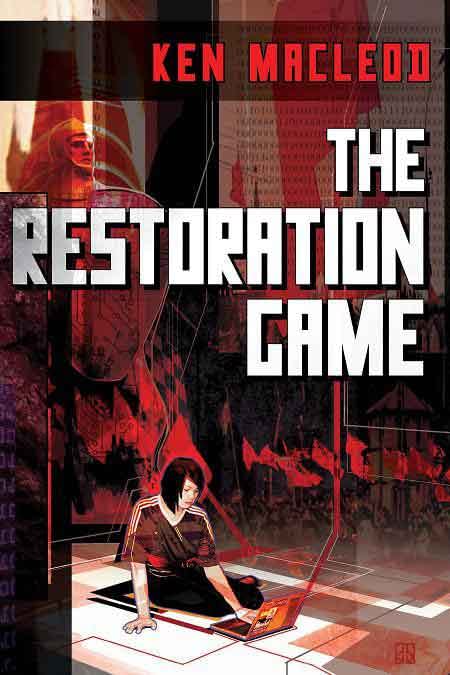
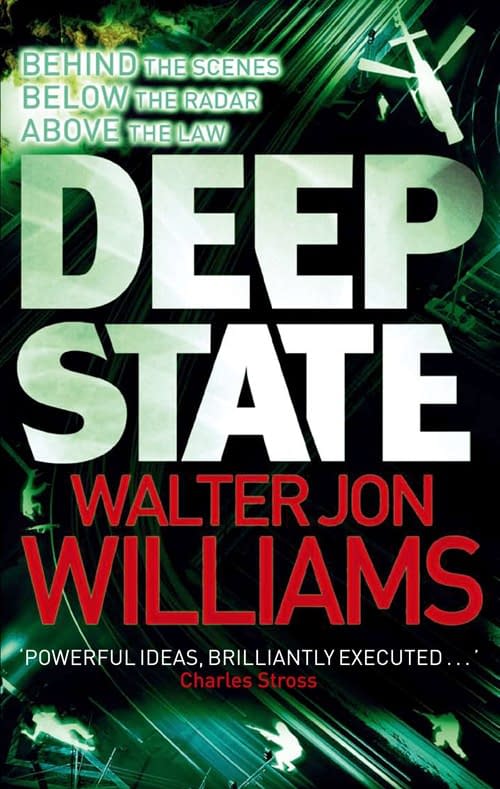
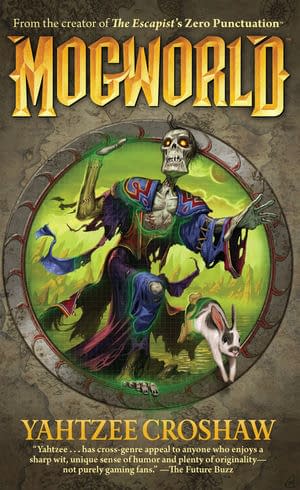
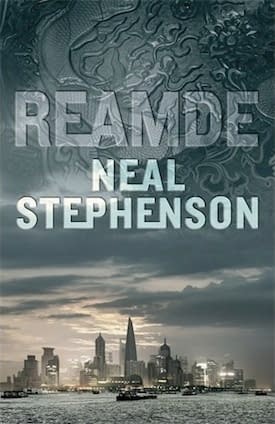
What's interesting about the Japanese take on MMO gaming fiction is how matter-of-factly they treat games as well as an existential extension to questions about characters finding a purpose in life. It's taken American and British Science Fiction writers until the second half of this past decade to start to deal with games and MMO games in their fiction. Just this week, Ernie Cline's Science Fiction novel about a dystopian future informed by games, READY PLAYER ONE, has ended up on the New York Times Bestsellers List. By this autumn, we'll see Neal Stephenson's latest novel REAMDE, which is about conspiracies, crime and espionage around a Massive Multiplayer Role-Playing, Ken McLeod's latest novel THE RESTORATION GAME has just been published in the US, about a woman working on an MMO game that her CIA spook mother wants to use to disseminate propaganda and the lost history of the obscure Eastern European country she was born in. Walter Jon Williams has written two novels, THIS IS NOT A GAME and DEEP STATE, whose heroine is a globe-trotting designer of Augmented Reality Games who tangles with oppressive government and political turmoil. Ben "Yahtzee" Croshaw's MOGWORLD is a satirical novel about a glitch in an MMO RPG where an AI character become self-aware and desperately wants to die permanently rather than live out a hellish non-dead life as a zombie wizard. Charles Stross' HALTING STATE is set in a near-future Scotland where cops have to investigate crimes committed in cyberspace as well, like a bank heist that occurred in the bank of a virtual reality game that has meatspace (ie real world) consequences.
The interesting difference between Japanese and Western gaming fiction is that the Japanese stories treat it as an existential drama with teenagers or college student heroes and their search for identity while the Western novels deal with bigger philosophical and political questions like how to police virtual space, how history is retold, how propaganda is created, how games and art are used for political ends, how games, like art, become political even by default, how games can hide the life stories of their designers. Given that games are often allegories for the characters' lives and fiction is frequently an allegory for our lives, leave it to Science Fiction to seize on that double layer to tell a new form of narrative.
 Of course, Hollywood hasn't seized upon the subgenre yet, since they still barely get games unless the individuals are gamers themselves, these new stories are probably a bit too complex to squeeze into a feature-length screenplay. Only the Japanese dare attempt Science Fiction complex ideas in their anime. And anyway, movies made from games are usually redundant, because the point of the games is their proactive, interactive dimension while movies are passive experiences. To try to adapt a novel about games and gamers into a movie just becomes doubly redundant. Novels do something games don't, which is to slow down the visceral, immediate experience of games and puts ideas, emotions and themes into perspective, making them suitable for contemplation, while MMO games are about actively living a secondary, vicarious existence. We still need the fiction to tell us what the larger picture of the experience is and put things in perspective. All the novels and movies mentioned above are worth checking out for that purpose.

Playing at reading at lookitmoves@gmail.com
Follow the official LOOK! IT MOVES! twitter feed for thoughts and snark on media and pop culture, stuff for future columns and stuff I may never spend a whole column writing about.
Look! It Moves! © Adisakdi Tantimedh
Enjoyed this? Please share on social media!



Stay up-to-date and support the site by following Bleeding Cool on Google News today!