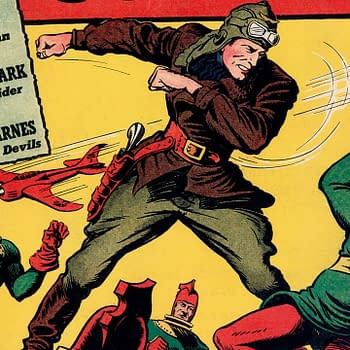
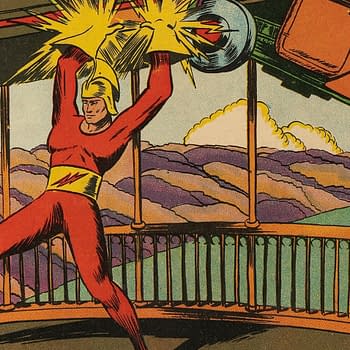
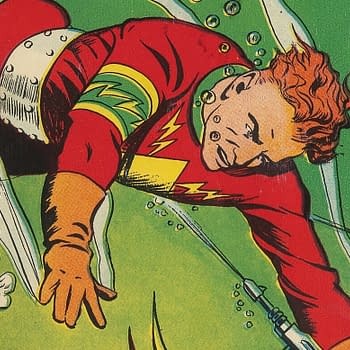
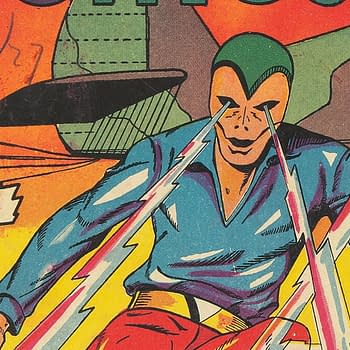
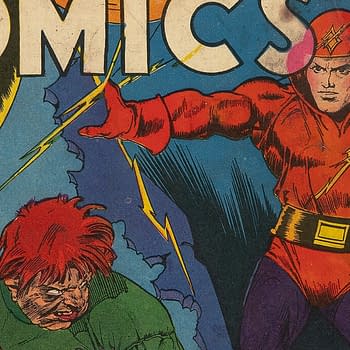
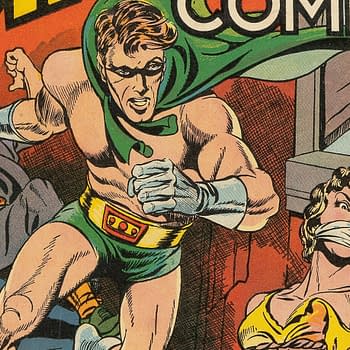
Best known for the creation of Marvel's Human Torch, Carl Burgos' White Streak in Target Comics was also a powerful android.
Vintage Paper Archives
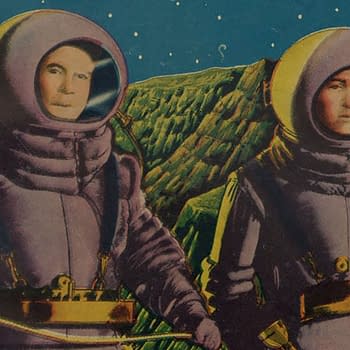
Strange Adventures #1 represents a key turning point in the history of DC Comics and is a fascinating artifact of science fiction history.
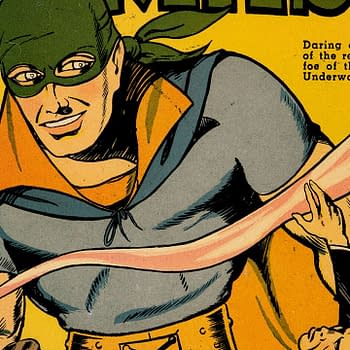
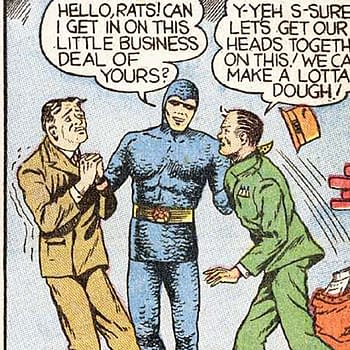
Blue Beetle evolved gradually over his first few months in Mystery Men Comics, with the elements of his classic costume taking shape in issue #4.
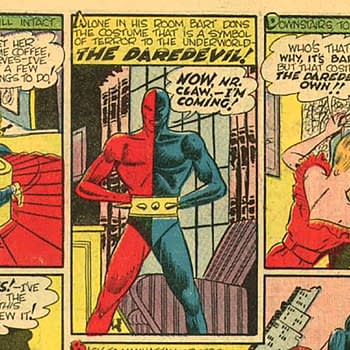
After Daredevil's debut in Silver Streak Comics #6, Jack Cole gave him a new costume and his first cover on Silver Streak Comics #7.
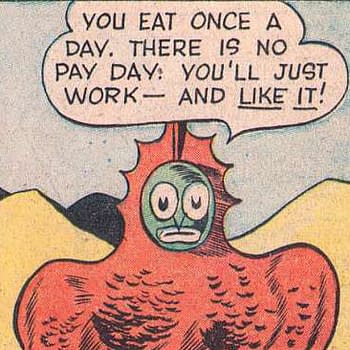
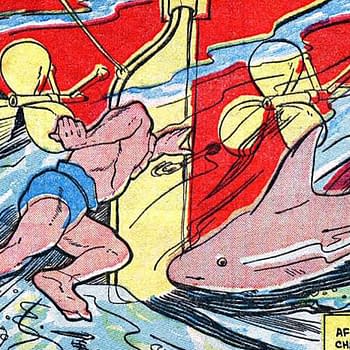
Amazing-Man Comics #6 features work by Carl Burgos and Bill Everett, and also includes an aquatic anti-hero called the Shark, king of all sea life.
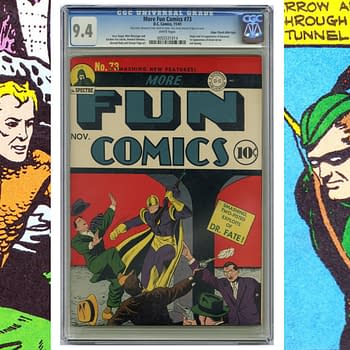
The Edgar Church CGC 9.4 sole highest graded copy of More Fun Comics #73, the first appearances of Aquaman and Green Arrow, stands at $318,333 with hours to go at auction.
After a short run of painted covers from Ziff-Davis inventory, Matt Baker returned to St. John's Teen-Age Romances with a sizzling cover run.
Silver Streak Comics #17 features Captain Battle vs Dr. Vampire by Otto and Jack Binder, and Eldon's copy is one of the best you'll ever find
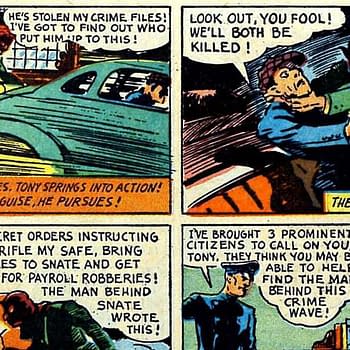
Created by Richard E. Hughes and David Gabrielsen for 1941's Exciting Comics #9, the Black Terror became Ned Pines' most popular superhero.
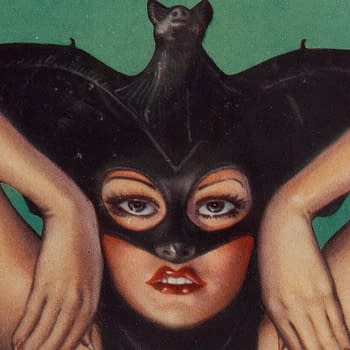
In late 1939, it appeared that pulp hero the Black Bat would be heading to comic books, and there's a glimpse of that in Exciting Comics #1.
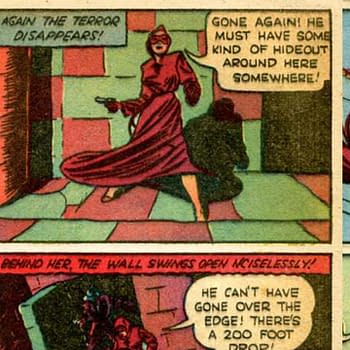
Woman in Red artist co-creator George Mandel had become a novelist by the 1950s, and worked on a script draft of 1967 Bond film Casino Royale
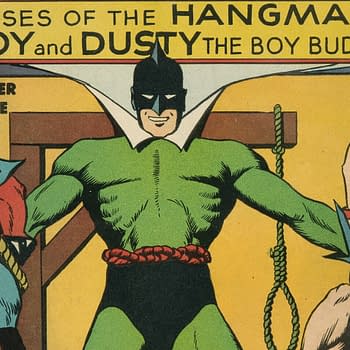
Dive into the unusual circumstances behind Special Comics #1, the series launch of the Hangman, one of MLJ's best-remembered superheroes.
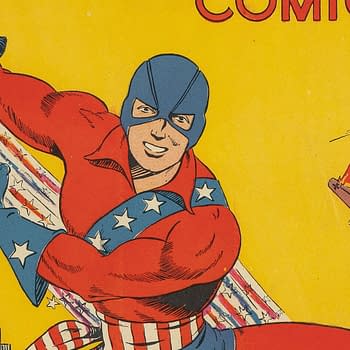
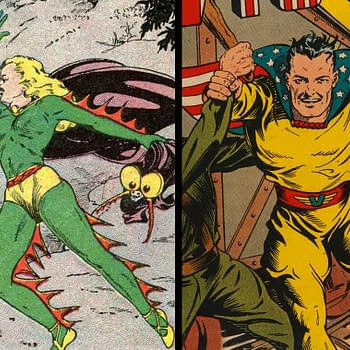
The Flag's abilities included trailing stars & stripes while using his power of flight & an American Flag birthmark that warned him of danger
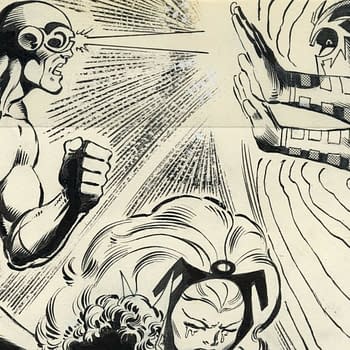
Dave Cockrum's iconic cover for X-Men #150 recently surfaced for the first time in 40 years, and it's up for auction at ComicConnect right now.
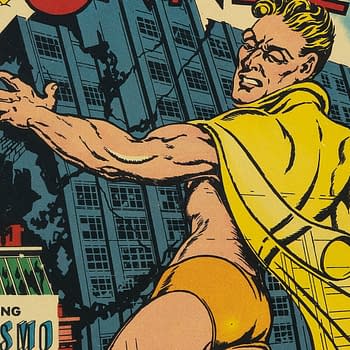
Best remembered for its licensed comics, Dell also ventured into superheroes during the Golden Age, beginning with Phantasmo in The Funnies.
Characters such as Dr. Doom, Electro, and Marga the Panther Woman made their debuts in Fox Feature's Science Comics #1.
Chesler's Major Victory Comics #1 reprints his origin from Dynamic Comics #1, but includes the all-new debut of the Golden Age Spider-Woman.
With a Lou Fine cover likely inspired by War of the Worlds and a Will Eisner plot inspired by headlines of its day, Wonderworld Comics #8 is an underappreciated classic.
Brought to greater attention by Killers of the Flower Moon, William Hale's murderous campaign against the Osage was fictionalized in Crime-Fighting Detective #19
One of the most potent symbolic war comic book covers of the WWII era, Irv Novic's Pep Comics #20 is a visceral gut-punch of Golden Age superheroics.
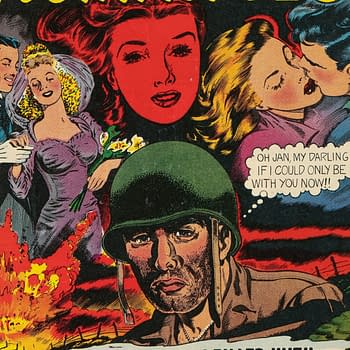
When you think of comic book romance, you think of this. Giant Comics Editions #12 Diary Secrets is one of comics history's most iconic covers
Adventure Comics #37 includes contributions from some of the foundational creators of the Golden Age at one of the industry's most important moments.
The spirit of Prince James, heir to the throne of 18th century England, Mr. Justice was unleashed into the modern world in Blue Ribbon Comics
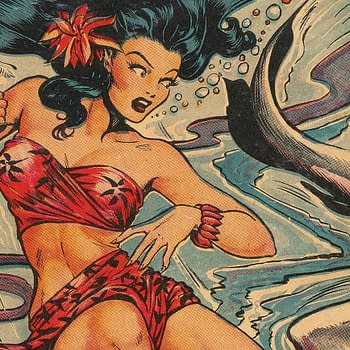
Jumbo Comics #15 features one of the best early Sheena covers by Will Eisner, shown off to spectacular effect on this CGC 9.6 copy.
The rare Scoop Comics #2 features some wild superhero/horror/science fiction content, a spectacular cover, and a villain named Dr. Strange.
Speed Comics #13 is an early Harvey comic that features the debut of Captain Freedom and a bizarre character named The Hand.
L.B. Cole's background in commercial art and label design served him well in his distinctive approach to covers, such as on the coveted Cat-Man Comics series.
A stand-out example of pre-Archie MLJ, Top-Notch Comics #3 features the superheroics of The Wizard, plus stories by Jack Cole and Otto and Jack Binder.
The 1942 debut of the Sheena series from Fiction House features a cover by underappreciated Golden Age artist Dan Zolnerowich.
With MLJ's comic book line changing in the wake of the introduction of Archie, Blue Ribbon Comics ended with Captain Flag in issue #22.