
 About
About 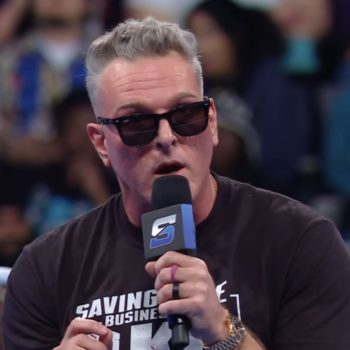
WWE is turning real fan criticism into WrestleMania storyline fuel with Pat McAfee's heel turn, but what happens when the villain makes the most honest argument?
Posted in: AEW, Sports, TV | Tagged: wrestling
TNA Wrestling, WWE Lap Dog, Blocks Stars From Facing AEW Talent
TNA Wrestling's decision to restrict wrestlers from appearing alongside AEW talent has ignited a firestorm of controversy across the professional wrestling landscape, and the wrestlers themselves are paying the price, literally.
Article Summary
- TNA Wrestling pulled multiple wrestlers from independent bookings, citing vague "partner conflicts" tied to its WWE relationship.
- AEW World Champion MJF blasted TNA President Carlos Silva, accusing the company of underpaying talent while blocking outside income.
- Most TNA wrestlers work pay-per-appearance deals, making independent bookings a financial lifeline, not a luxury.
- The moves signal TNA may be acting as WWE's proxy to limit AEW's cross-promotional reach, angering fans and wrestlers alike.
The professional wrestling industry, never short on drama both inside and outside the squared circle, has found itself embroiled in yet another controversy — one that raises uncomfortable questions about corporate gamesmanship, anti-competitive behavior, wrestler compensation, and the increasingly tangled web of promotional alliances that now defines the business. TNA Wrestling, the Nashville-based promotion formerly known as Impact Wrestling, has drawn significant criticism after pulling multiple wrestlers from independent bookings, including high-profile appearances during WrestleMania week in Las Vegas, citing what the company described as "partner conflicts."

The situation first came to public attention when Fightful reported that Moose, one of TNA's most prominent performers, had been removed from Maple Leaf Pro's (MLP) Multiverse event — notably, after his appearance had already been approved by the company. That initial report served as the proverbial first domino, and it did not take long for the others to fall in rapid succession.
WrestleCon subsequently confirmed that Leon Slater, another TNA talent, had been pulled from a scheduled match against All Elite Wrestling (AEW) star Ricochet at the prestigious Mark Hitchcock Memorial Supershow, one of the marquee events of WrestleMania week. The organization noted pointedly that the appearance had been "previously cleared by all parties," underscoring the abruptness and apparent retroactivity of TNA's decision.
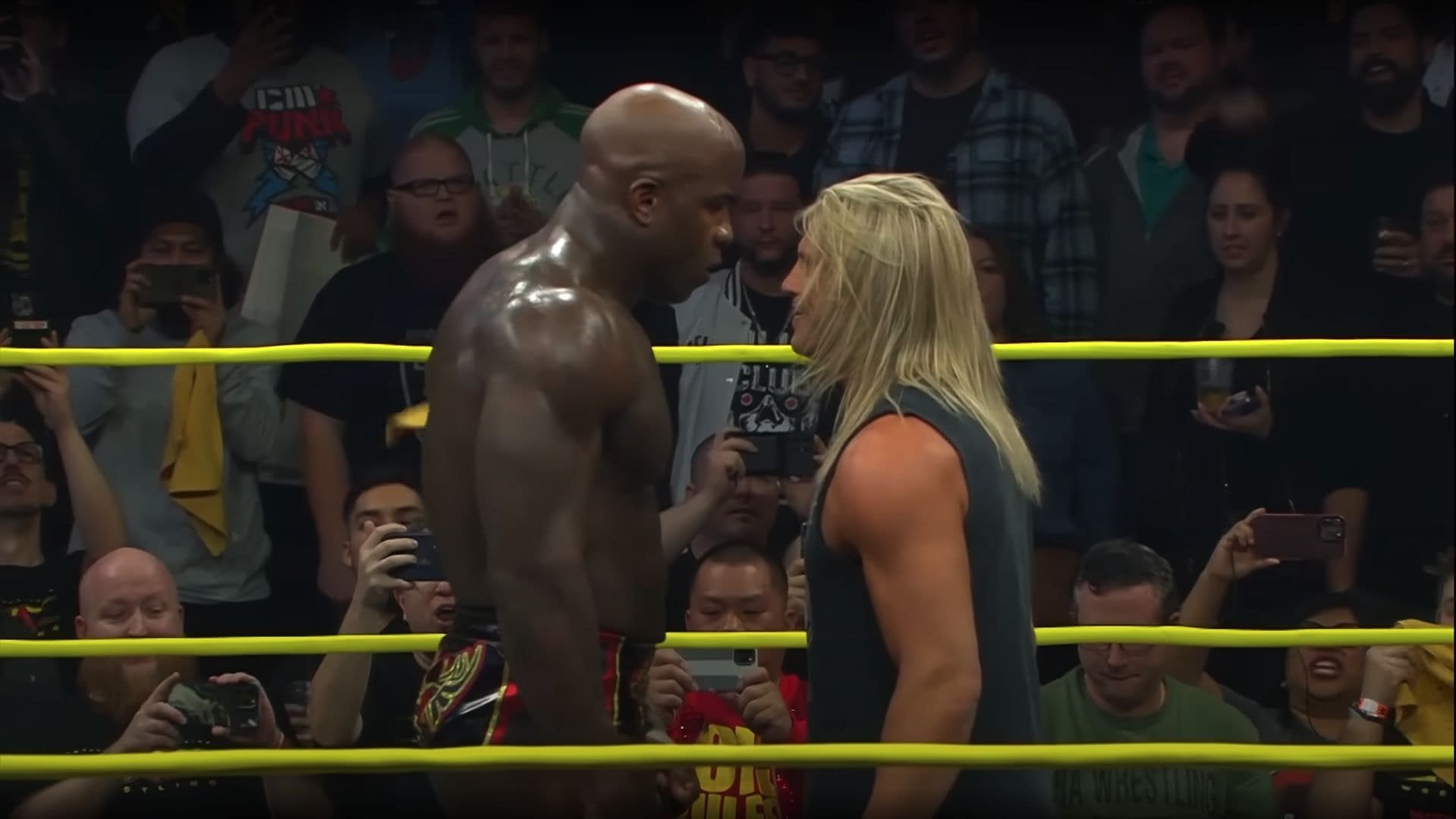
The fallout then extended beyond WrestleMania week entirely when Create A Pro announced that a highly anticipated match between AEW World Champion Maxwell Jacob Friedman, known universally as MJF, and TNA's Nic Nemeth — the former Dolph Ziggler of World Wrestling Entertainment (WWE) fame — had been scrapped from its May 1 event. Both performers would still appear at the show in separate capacities, but the intriguing cross-promotional clash that had generated considerable buzz was unceremoniously shelved.
TNA, for its part, offered a characteristically terse explanation. In a statement provided to PWInsider, the company said simply: "TNA wrestlers were pulled due to partner conflicts." The statement conspicuously declined to elaborate on which partners were in conflict, what the nature of those conflicts might be, or why approvals that had already been granted were being retroactively revoked.
MJF and Nemeth Respond
The reaction from the wrestlers involved was swift, pointed, and illuminating.
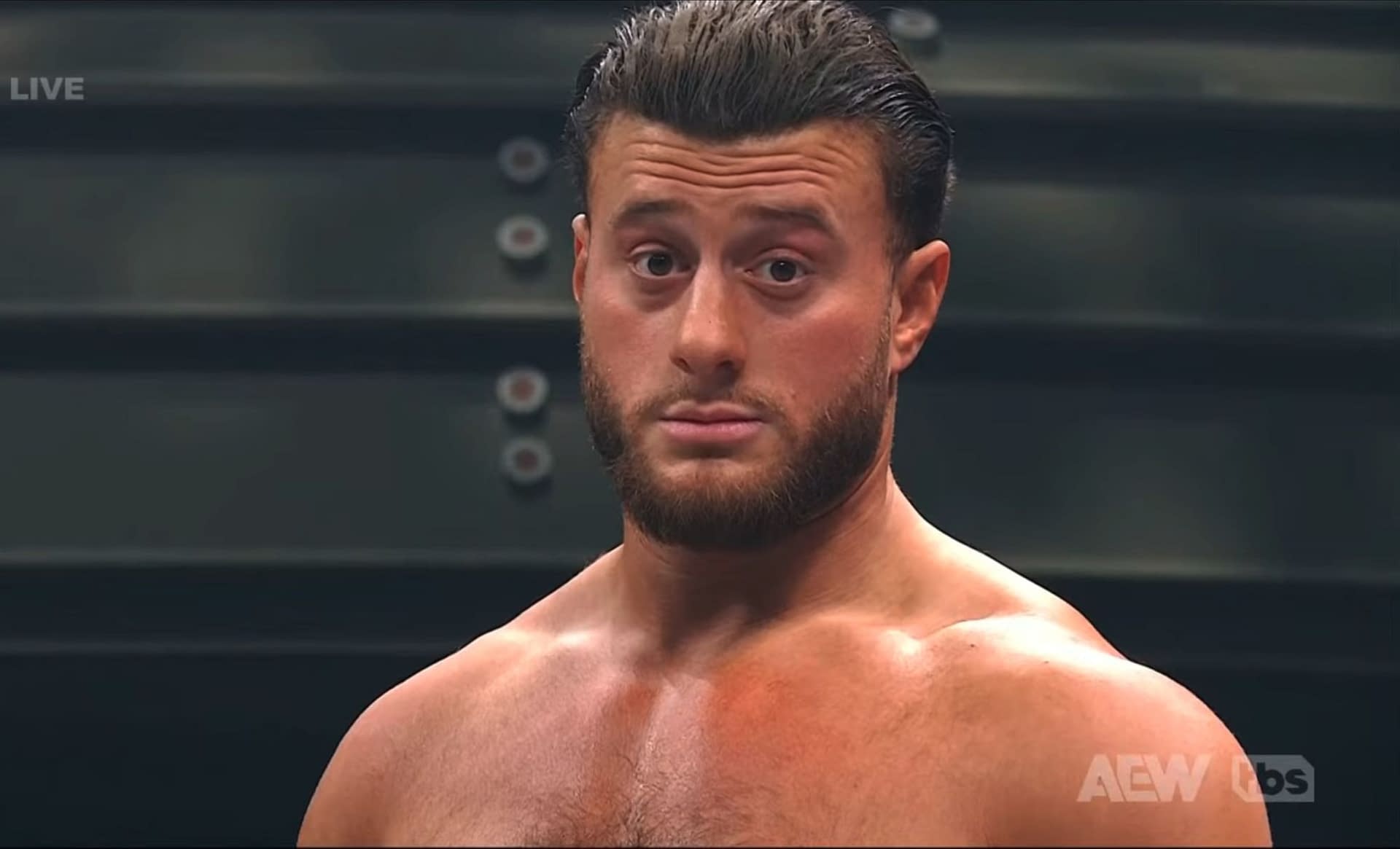
MJF took to X with characteristic pugnacity, declaring: "Nic Nemeth and TNA are afraid of the AEW World Champion." But the AEW World Champion did not stop at competitive trash talk. In the same post, he took direct aim at TNA President Carlos Silva, writing: "Shame old, Carlos doesn't care about the fans or his roster getting paid." It was a statement that reframed the controversy not merely as an inter-promotional spat but as a labor issue — one with real financial consequences for the performers caught in the crossfire.
MJF subsequently doubled down in a follow-up post on X, writing with characteristic bluntness: "You pay your talents shit. Than force them off shows where they can make money. #lolTna." The message was unambiguous: in MJF's estimation, TNA was not merely restricting creative opportunities but actively undermining the livelihoods of its own roster.
Nemeth, for his part, offered a more measured but arguably more revealing response. Speaking on Busted Open Radio, as reported by SEScoops, the former WWE veteran characterized Silva's decision as one rooted in the need to "protect a couple of brands down the line." Nemeth framed the situation as a difficult but ultimately contractually obligated call, one dictated by partnerships, brands, and the broader business landscape in which TNA currently operates.
Those comments, while diplomatically constructed, were nonetheless extraordinarily telling. Nemeth did not attribute the decision to scheduling conflicts, creative direction, or any of the myriad innocuous explanations that might ordinarily accompany such a change. Instead, he pointed squarely at partnerships and brand protection — language that, in the current promotional ecosystem, carries very specific connotations.
The Money Problem: Pay-Per-Appearance and the Cost of Corporate Politics
MJF's accusations regarding wrestler compensation, while delivered with the inflammatory flair for which he is renowned, did not emerge from a vacuum. They touched upon a structural reality of TNA's business model that lends the controversy a dimension far more consequential than mere inter-promotional posturing.
Former TNA talent Steph De Lander provided critical context in a March 2026 interview reported by Fightful, stating that, as far as she was aware, most TNA talent were not on salary but instead worked under pay-per-appearance arrangements. De Lander explained that with a limited taping schedule, there are correspondingly limited opportunities for performers to earn income directly from the company. In a separate Fightful report from earlier that same month, De Lander was even more direct about the practical implications of that structure: "If you're not working, you don't get paid."
The significance of De Lander's comments in the context of the current controversy cannot be overstated. If the majority of TNA's roster operates on a pay-per-appearance basis rather than guaranteed salaries, then independent bookings — the very appearances TNA is now restricting — represent not a luxury but a financial necessity for many of the company's performers. Blocking those bookings does not merely prevent a wrestler from appearing at a particular event; it can directly reduce their income during periods when TNA itself may not be providing sufficient opportunities to compensate.
This is the crux of MJF's argument, stripped of its performative embellishments: TNA, a company that by multiple accounts does not guarantee its talent consistent weekly compensation, is simultaneously restricting one of the primary avenues through which that talent supplements its earnings. The wrestlers, in this formulation, are not merely pawns in a corporate chess match between rival promotions — they are bearing a tangible financial cost for decisions made entirely above their pay grade.
The WWE Connection
To understand the full dimensions of this controversy, one must consider the broader strategic context in which TNA currently operates. The company has, over the past year, entered into a talent-sharing partnership with WWE that has seen performers move between the two organizations with increasing regularity. While such arrangements are not unprecedented in professional wrestling history, the nature and scope of the TNA-WWE relationship has led many observers to characterize TNA as something approaching a junior partner — a developmental or supplementary brand operating, at least in part, within WWE's considerable sphere of influence.
This perception is not without foundation. WWE, under the stewardship of its parent company TKO Group Holdings (TKO), has historically demonstrated a corporate philosophy that ranges from indifferent to openly hostile toward the acknowledgment of competing promotions. For decades, the Stamford, Connecticut-based juggernaut operated as though rival organizations simply did not exist, scrubbing references to competitors from its programming and cultivating an insular worldview among its fanbase. While the company has softened this posture in certain respects in recent years, its fundamental institutional instinct toward competitive suppression remains well-documented.
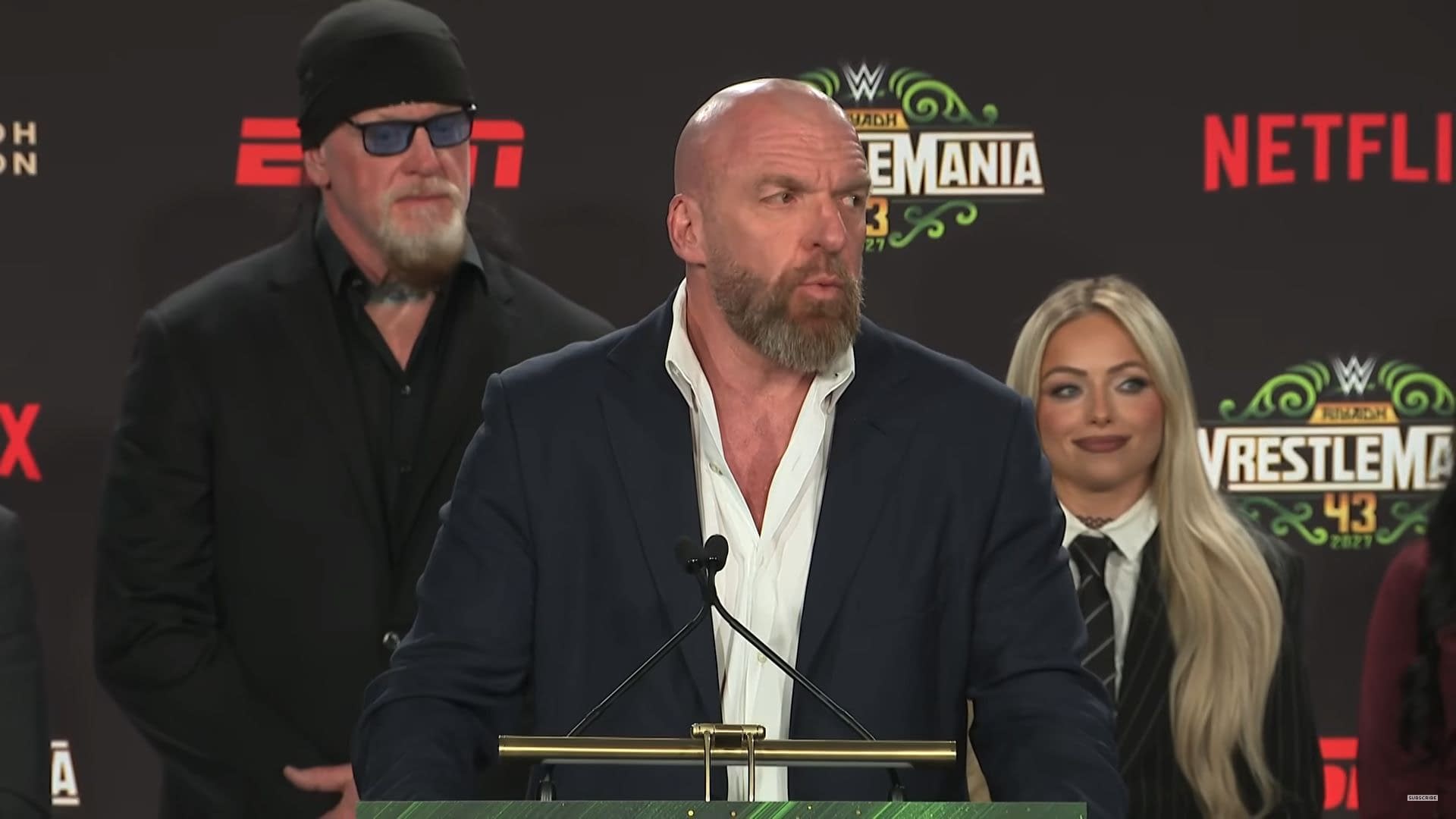
The decision by TNA to restrict its talent from appearing alongside AEW performers — and the conspicuous timing of that decision, coinciding as it does with the deepening of TNA's relationship with WWE — has inevitably led to pointed speculation about the origin of the directive. While TNA has not publicly confirmed that WWE played any role in the decision, the circumstantial evidence has proven sufficient to fuel widespread suspicion throughout the wrestling community. Nemeth's carefully chosen words about "certain partnerships and brands" and decisions that were "contractually obligated to happen" do little to dispel that suspicion.
AEW Ascendant, WWE Under Pressure
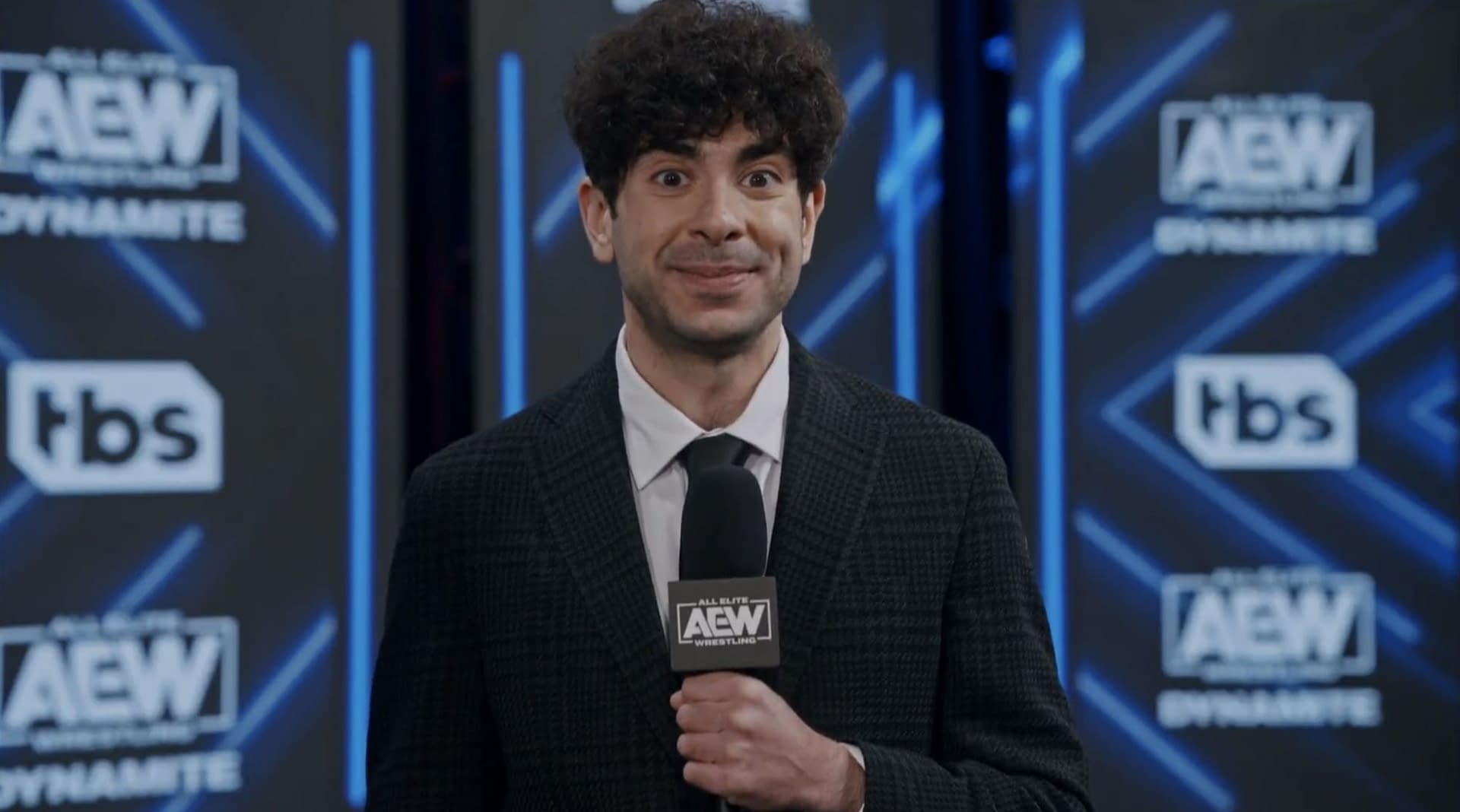
The timing of the controversy is rendered all the more intriguing by the divergent trajectories of the two major American wrestling promotions. AEW, under the leadership of President Tony Khan, has enjoyed what many observers characterize as a sustained creative and commercial hot streak over the past twelve months. The Jacksonville-based promotion has delivered a series of critically acclaimed pay-per-view events, cultivated compelling long-term storylines, and continued to attract top-tier talent to its roster. MJF's reign as AEW World Champion has been a particular highlight, drawing praise for its narrative complexity and the champion's preternatural ability to generate audience engagement.
WWE, by contrast, finds itself navigating what a growing chorus of critics describes as a creative slump. Despite the considerable resources afforded by TKO and a lucrative television rights deal, the promotion has struggled to recapture the momentum it enjoyed during the initial post-WrestleMania XL period. Ticket sales for certain events have reportedly softened, and the company's creative output has drawn increasingly vocal criticism from fans and analysts alike.
Compounding these challenges, WWE has faced sustained backlash for its perceived associations with the administration of President Donald Trump. The well-documented personal and professional connections between the McMahon family, WWE's corporate leadership, and the Trump political apparatus have become a lightning rod for criticism, particularly among younger and more progressive segments of the wrestling fanbase. While the extent to which these associations have materially impacted WWE's business remains a subject of debate, the reputational headwinds are difficult to dismiss.
Against this backdrop, the decision to effectively prevent TNA talent from sharing a ring with AEW performers carries an unmistakable whiff of competitive anxiety. If WWE is indeed the unnamed "partner" whose conflicts precipitated TNA's pullbacks — and again, this has not been publicly confirmed — then the move reads less as a principled business decision and more as an exercise in what the internet age has so colorfully termed "small dick energy": a defensive, insecure posture adopted by an entity that perceives itself as threatened but lacks the creative confidence to respond through the quality of its own product.
The Independent Scene — and Its Workers — Pay the Price
Perhaps the most lamentable dimension of this entire affair is the collateral damage inflicted upon both the independent wrestling ecosystem and the individual performers who populate it. Events like the Mark Hitchcock Memorial Supershow, MLP's Multiverse, and Create A Pro's offerings represent the lifeblood of professional wrestling's grassroots infrastructure. These are the shows where emerging talent is discovered, where dream matches are realized, and where the wrestling community congregates to celebrate the art form in its purest, most unfiltered expression.
When corporate maneuvering at the promotional level results in the cancellation of matches that fans have purchased tickets to see — matches that had been advertised, approved, and anticipated — it is the fans, the independent promoters, and increasingly, the wrestlers themselves who bear the cost. WrestleCon's pointed notation that Slater's appearance had been "previously cleared by all parties" was not merely a statement of fact; it was a barely veiled expression of frustration from an organization that had done everything right, only to have the rug pulled out from beneath it by forces entirely beyond its control.
But the financial dimension exposed by MJF and substantiated by De Lander's comments adds an additional layer of gravity to the situation. Independent bookings are not vanity projects for wrestlers working under pay-per-appearance contracts with limited taping schedules. They are income. They are how rent gets paid, how travel expenses are covered, and how performers sustain careers in an industry that offers precious few guarantees. When a company that does not provide guaranteed compensation simultaneously restricts its talent's ability to earn money elsewhere, the ethical implications are difficult to ignore — regardless of what contractual language may technically permit such restrictions.
A Familiar Playbook, A Weary Audience
For those who have followed the professional wrestling industry with any degree of attentiveness over the past several decades, the current situation carries an unmistakable sense of déjà vu. The weaponization of talent exclusivity, the quiet leveraging of corporate partnerships to restrict competitive exposure, the unnamed directives that trickle down through layers of plausible deniability — these are not novel tactics. They are pages torn directly from a playbook that the wrestling industry's dominant player has employed, in one form or another, since the territorial era gave way to the age of national consolidation.
What has changed, however, is the audience's tolerance for such maneuvers. The modern wrestling fanbase is more informed, more interconnected, and more vocal than any generation that preceded it. The days when a promotion could quietly suppress cross-promotional engagement without consequence are long past. Social media ensures that every pulled booking, every vague corporate statement, and every suspiciously timed cancellation is catalogued, dissected, and broadcast to millions within hours. MJF's pointed commentary on X did not merely reflect one performer's frustration; it gave voice to a collective exasperation shared by fans who simply want to see the best wrestlers in the world compete against one another, irrespective of which corporate logo adorns their merchandise.
TNA Wrestling now finds itself at a precarious crossroads. The company's partnership with WWE has undeniably provided tangible benefits — increased visibility, access to a larger talent pool, and a degree of institutional legitimacy that had eluded the promotion during its more turbulent years. But those benefits come at a cost, and that cost is becoming increasingly apparent. If TNA is perceived not as an independent creative entity but as a subordinate appendage of WWE's competitive apparatus — a cudgel wielded to deny AEW's talent the cross-promotional opportunities that enrich the broader industry — then whatever goodwill the company has cultivated among the wrestling faithful will erode with remarkable speed.
And if that perception is compounded by the understanding that the wrestlers themselves — many of whom lack guaranteed compensation — are the ones absorbing the financial consequences of these corporate machinations, then TNA may find that the partner conflicts it cited so cryptically pale in comparison to the conflicts it is creating with its own roster and its own audience.
Professional wrestling, at its most transcendent, is an art form predicated on the collision of extraordinary talents under extraordinary circumstances. The matches that endure in collective memory — the bouts that define eras and elevate careers — are frequently those that transgress promotional boundaries and defy corporate orthodoxy. In choosing to restrict those possibilities in service of unnamed partners and unspecified conflicts, TNA risks sacrificing something far more valuable than any business relationship: the trust and enthusiasm of the very fans and performers upon whom its continued existence depends.
Enjoyed this? Please share on social media!



Stay up-to-date and support the site by following Bleeding Cool on Google News today!