
 About
About 


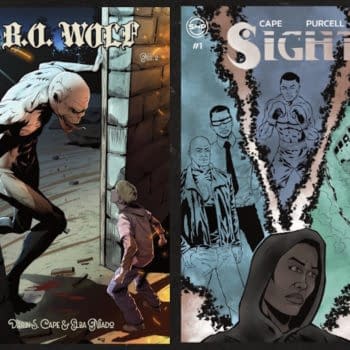
A boxer who can see the future coming? Sight #1 by Darin S Cape and Jack Purcell in SHP Comics' August 2026 full solicits and solicitations
Posted in: Comics, DC Comics, Marvel Comics | Tagged: jimmy palmiotti, ram v
The Great Comic Book Piracy Debate Of 2026, Spanish Police Involved
The Great Comic Book Piracy Debate of 2026 kicks off after Spanish Police get involved
Last month, Spanish police dismantled what they claim was the largest Spanish-language manga piracy platform, Tu Manga Online, operating since 2014 and generating almost $5 million in revenue from advertising, much of which was pornographic in nature. This followed legal pressure from Korean rights holders. A suspect's house in Almeria was raided, and police claim the suspect was found while developing a second website. The police state they confiscated two USB devices hidden inside a wall thermometer, which contained cryptocurrency wallets totalling half a million dollars. Three others were arrested. And it was in this context that a major English-language comic book piracy site disappeared for about six hours this week, including its Discord server, igniting the comics piracy discussion that has been playing out for decades. The last time was 2019, when Donny Cates kicked off, everyone piled in, Bleeding Cool had a solution for those wanting to tackle the issue, and it got Jim Zub, David Gallaher and Joe Glass onto the BBC….
The site includes archives of comics going back over a century, including out-of-print material, as well as comics pages ripped off of Amazon Kindle in Australia, which go live over twenty-four hours before some comic book stores even open in California. Those six hours were likened by some to the "burning of the Library of Alexandria" for comic history, even though it was mirrored elsewhere with fewer ads. Others celebrated it as a long-overdue strike against theft. Just one that lasted for six hours.
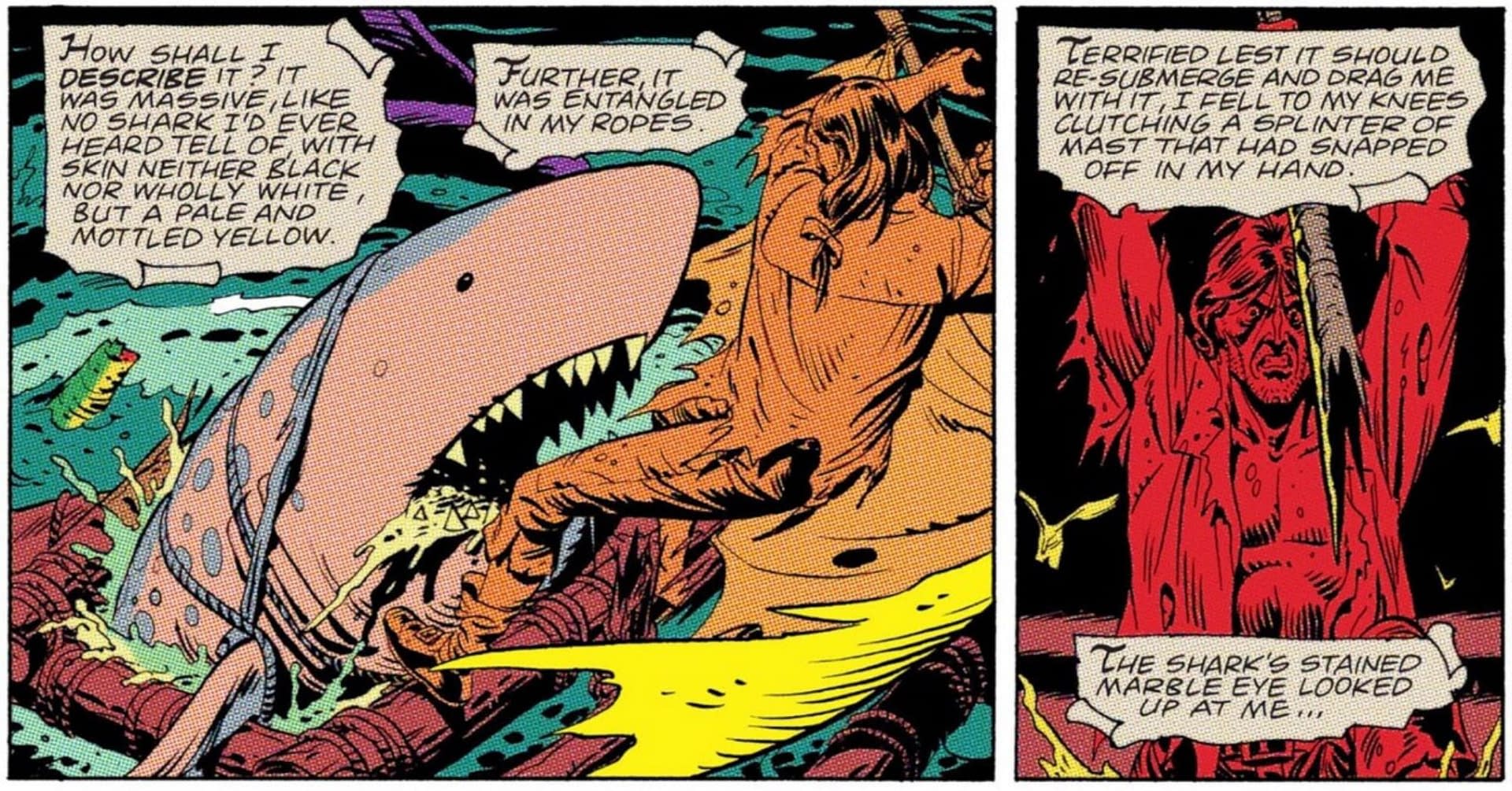
Comic book writer Ram V posted on social media, "I grew up in India, in Mumbai. I didn't have access to a lot of the American mainstream comics as a kid. I read from second hand bookshops and I'd get the ocassional fresh copy travelling relatives. My first comic as an adult was Sandman. And I torrented it. I pretty much read all of Gaiman, Moore, Ellis and Morrison in torrents. I read all of Hellblazer and Miller+Varley on through torrents, too. I didn't have access / I was poor yada yada. I own all of those comics today. Multiple copies. Artists editions. But I'm not naive enough to believe everyone pirating is buying the book later. I see figures from online sites, etc. There is a correlation – but those numbers don't translate. Free stuff always gets more numbers than stuff you have to pay for. So, pinch o' salt. But I'm not here to say piracy is good or right or anything of the sort. It simply is. What I found more interesting was my philosophical inclinations toward this idea of reading pirated stories has not changed despite the money that my books make me (or don't). And that is because to me, comics have ALWAYS had a bootleg/bootstrap / contraband quality to it. You cannot love an industry where people photocopy and staple their art and bring it to conventions and then hold serious grudges when people read your stories online. I accept and embrace the ramshackle quality of comics. I expect that comics, its creators, its readership will always be a bit of a mess – hopefully, mostly a loveable one. So, I s'pose if we accept that piracy is. The only real way that industries have found to fight back is to either limit access and control it through digital rights. Or to provide accessibility on such a scale that pirating simply does not thrive. In most of these cases – the creators are almost never made whole. Look at music, look at residuals. Digital comics as a publishing endeavour is a mess in my experience. So, my only real choice is do I give the benefit to a readership that may pirate but may also go on to support my work? Or an industry whose primary interest is to squeeze profit from it for itself? I'll pick a fellow reader over a company any day. Perhaps in solidarity with that little anarchic comic heart. Go ahead, read 'em where you can. Hopefully the stories stay with you. Hopefully, when you can, you'll own a copy. I'm good. I'm happy."
Though, as the Spanish case shows, millions are being made from pirate sites. Just not by the publishers or creators. Less ramshackle photocopying, more a big porn ad-led business. Writer, artist and publisher Jimmy Palmiotti posted, "I understand ALL the arguments around access, trust me, but the harsh reality for me- a guy that self-publishes- is simple: my books are how I make a living. I publish them digitally, and those sales are what allow me to pay my creative team and cover my bills. When a book is pirated, it isn't just a lost sale…it's a loss of the resources that keep the work itself sustainable. If someone has a choice of buying my book or getting it from a pirate site- well, I am guessing they go there first. Piracy also creates a ripple effect people don't always see. It reduces the revenue that funds my future books, limits what I can pay artists, and ultimately makes it harder to keep producing the stories readers enjoy from me. And while pirated copies may reach more people in the short term, they undermine the ecosystem that allows authors and creators to keep going. If someone wants to read my books for free, I genuinely prefer they borrow them from a library. Libraries compensate authors through purchasing, licensing, and circulation systems, and they keep access equitable without harming the creators behind the work. Supporting libraries keeps them funded, thriving, and available to everyone…something piracy can never do."
Marvel artist Devmalya Pramanik told us "As a young boy in India, reading comics, they definitely included ones I had pirated. It made me want draw. Made me want to buy comics, because the art changed my life. I want my art to reach as many people as possible, because I want it to find that kid, wherever they may be. That said, I'm not saying piracy doesn't have bad actors and I am completely pro piracy. It's a complicated subject. I will forever buy comics because I can and because of what comics mean to me. But applying the same standards to everyone without context is silly."
And Massive-Verse creator Kyle Higgins posted "While there is room for improvement in accessibility for older stories, piracy— and large scale platform piracy— is not the answer. We watched what happened to the music industry after Napster and Limewire made piracy easy & culturally "acceptable." Comics is a much smaller industry w/ creators who barely survive financially as it is… The music streaming services have single-handedly ruined music as any sort of viable career. Take a look at what artists actually make on those platforms. That absolutely came about after the normalization of digital piracy that happened from Napster and LimeWire. It's a reason why I am not a fan of the all-you-can-eat model for digital comics, either"
Comic Book Yeti pulled no punches on Threads: "I'll weigh into the comics piracy debate again. F-ck off if you are stealing comics. You don't care about the medium, only your own short term gratification. Short of accessibility and true poverty in certain countries, get the f-ck out of here with your excuses… As someone from the disability community myself, I understand how accessibility is an issue but that's not been my experience with the vast majority of people defending it. I was in a Discord that had a monthly reading group that advocated just downloading runs, which I promptly was kicked out of after disagreeing with that policy. If you are talking about Bronze Age stuff that's hard to find, that makes some sense. It's the rampant piracy of modern comics that has no excuse."
See yopu back again in another seven years?
Enjoyed this? Please share on social media!


Stay up-to-date and support the site by following Bleeding Cool on Google News today!