
 About
About 

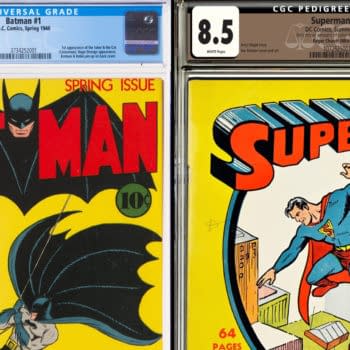
The highest graded Batman #1 CGC 9.4 has sold for a record $6,000,000, while the second-highest-graded Superman #1 CGC 8.5 has sold for $7,000,000.
Posted in: Comics, Heritage Sponsored, Vintage Paper | Tagged: Harry Shorten, MLJ
The Angels of Bataan-Inspired Cover of Zip Comics #33, Up for Auction
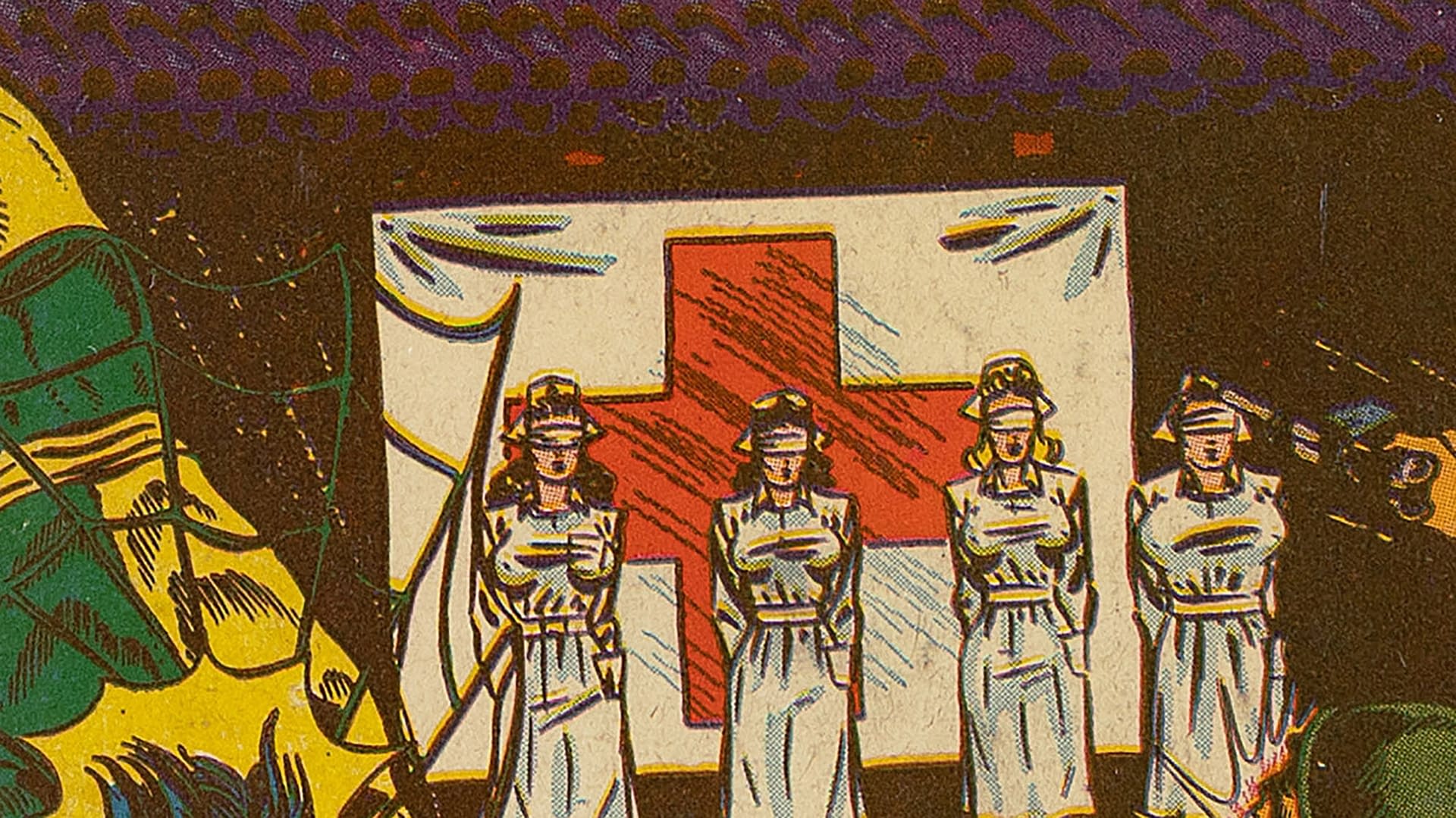
MLJ mainstay Harry Shorten's Zip Comics #33 cover depicts the U.S. Army nurses who became known as the Angels of Battaan.
Article Summary
- Zip Comics #33 features a cover inspired by the Angels of Bataan and real war events of 1942.
- MLJ’s Harry Shorten and Irv Novick blend real wartime fears with superhero action and propaganda.
- Interior stories draw from WWII headlines, spotlighting figures like Reinhard Heydrich and the Burma Road.
- Now a coveted Golden Age key, Zip Comics #33 remains rare in high grade, with most copies well-worn.
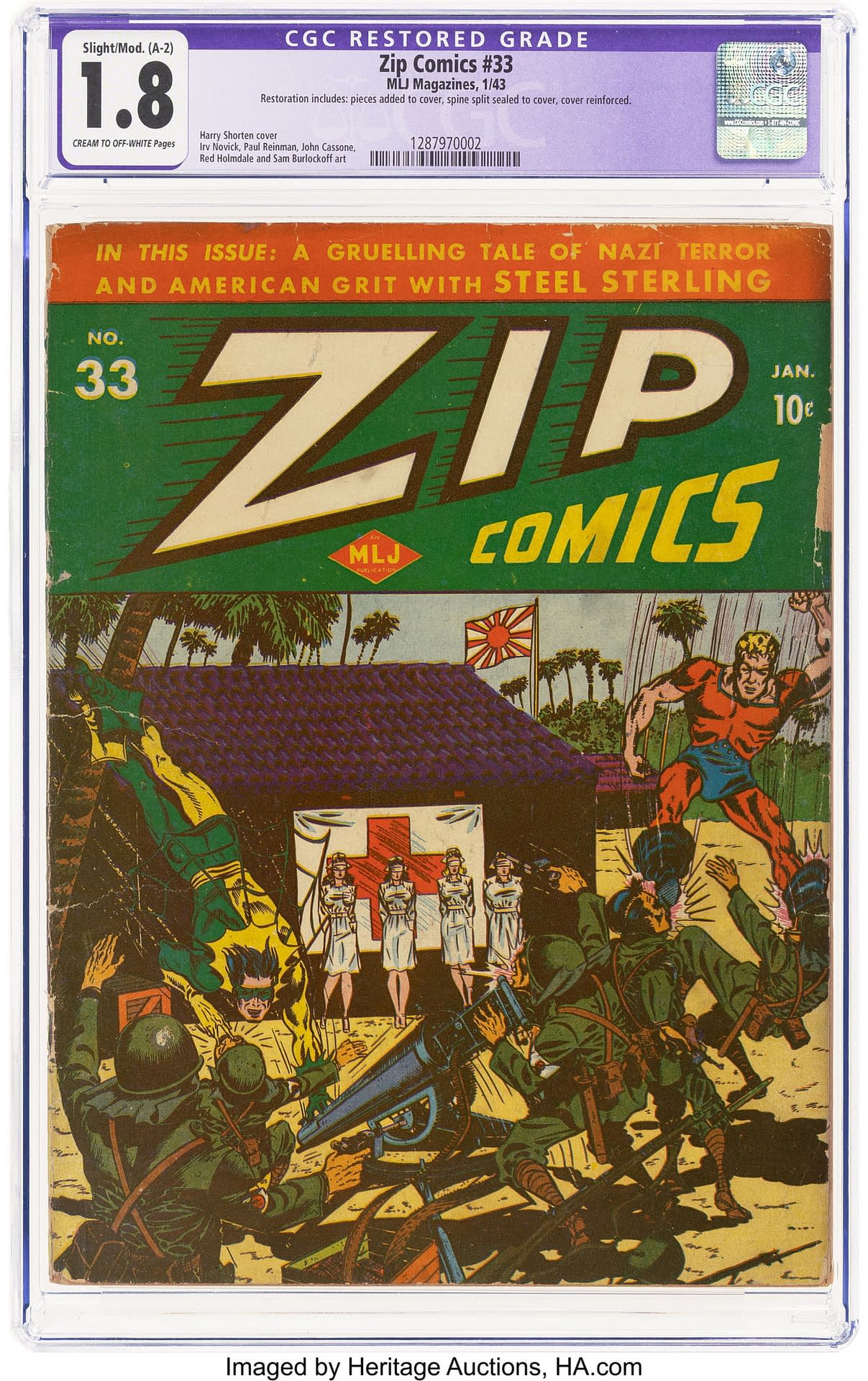
Zip Comics #33 hit newsstands around December 1942, delivering art and stories ripped directly from the headlines of the world at war during that year. While many Golden Age comics used the war as a generic backdrop for superheroics, this issue hits harder than most, using a wide range of then-recent real events for its fuel. Such inspirations start with the book's cover, credited to MLJ mainstay Harry Shorten, which depicts U.S. Army nurses bound and facing a Japanese firing squad, a scene likely inspired by the widely reported capture of the "Angels of Bataan" earlier that year. While the real nurses were POWs rather than firing squad victims, the cover taps into the visceral fear of enemy atrocities that defined the home front psyche during this period. The saga would go on to inspire movies, including Cry Havoc (1943), So Proudly We Hail! (1943) and They Were Expendable (1945).
The six-page "Zip's Hall of Shame" feature in Zip Comics #33 chronicles the rise and violent fall of Nazi war criminal Reinhard Heydrich, the infamous Butcher of Prague, published only months after his assassination by Czech patriots in June 1942. This six pager, which includes a shocking title page splash, even references the obliteration of Lidice, showing readers that the stakes of the war were brutally real. A contrasting "Zip's Hall of Fame" feature tells the story of an Irish-American truck driver on the Burma Road, referring to the critical "lifeline to China" that had been cut off by Japanese forces in spring 1942.
Many of the interior stories seamlessly blend superhero fantasy with the specific reactions to the events of 1942. The lead Steel Sterling feature, drawn by MLJ mainstay Irv Novick, pits the Man of Steel (as he was called, before Superman was) against a Nazi spy posing as a domestic servant. The plot, which culminates in Sterling battling a U-boat crew, mirrors the real Operation Drumbeat attacks that had devastated shipping along the East Coast earlier that year. Sam Cooper's Black Jack story was also directly inspired by Operation Drumbeat, as were a number of other comic book sagas that year. Paul Reinman's art on the Zambani "Rumor Mongers" story drives the point home a step further. Seemingly a direct participation in the government Office of War Information's Loose Lips Sink Ships campaign, the story illustrates how a casual dinner table remark leads to a troopship disaster.
We've spoken a number of times about how MLJ was so locked in on its war themes during this particular period, and this comic is another example of that. Zip Comics #33 has transformed from something of a sleeper book into a sought-after cover-driven key over the past 20 years. There are only 22 graded entries on the CGC census, with the population heavily skewed toward low grades. High-grade examples hitting the market are nearly non-existent, with even restored copies commanding significant premiums when they are offered for sale. An incredible reflection of 1942 nearly from cover to cover, there's an Zip Comics #33 (MLJ, 1943) CGC Apparent GD- 1.8 Slight/Moderate (A-2) Cream to off-white pages up for auction at the 2025 December 11 Golden Age Comics Century Showcase Auction IV.

Affiliates of Bleeding Cool buy from and/or consign to Heritage Auctions.
Enjoyed this? Please share on social media!



Stay up-to-date and support the site by following Bleeding Cool on Google News today!