




 About
About 


Didn't Trump's MAGA consider Bud Light to be the Anti-Christ at one point? Then no one should show them who's sponsoring UFC 250...
Posted in: NBC, Peacock, TV | Tagged: the americas
The Americas: Fun Fact Edition Explores "The Wild West" Tonight
Narrated by Tom Hanks, NBC's The Americas: Fun Fact Edition returns tonight with an exploration of "The Wild West" - here's a look!
Article Summary
- NBC's The Americas: Fun Fact Edition returns tonight with Episode 3, "The Wild West," offering fresh facts and new footage.
- Narrated by Tom Hanks with music by Hans Zimmer, The Americas brings cinematic scale to wildlife across the supercontinent.
- "The Wild West" spotlights Yellowstone coyotes, mass rattlesnake emergence, bison battles, and cranes on ancient migration routes.
- A new preview teases how The Americas: Fun Fact Edition expands the acclaimed series for both first-time and returning viewers.
Narrated by Tom Hanks and featuring music by Oscar- and Grammy Award-winning composer Hans Zimmer, NBC's stunning 10-part event series The Americas highlighted the world's great supercontinent when it premiered last February. The series showcases the wonders, secrets, and fragilities of the world's great supercontinent. For the first time, the Americas stars in its own incomparable series, using cutting-edge technology to uncover never-before-seen behavior and highlight the extraordinary, untold wildlife stories that will deeply connect with millions around the world. This week, The Americas: Fun Fact Edition spotlights "The Wild West" with some additional looks and interesting facts for new and returning viewers to discover. We've got a preview for the special edition episode waiting for you below:

The Americas: Fun Fact Edition Episode 3: "The Wild West" Preview
The Americas: Fun Fact Edition Episode 3: "The Wild West" – The Wild West, where coyotes face a snowbound Yellowstone, rattlesnakes emerge in the hundreds, woodpeckers compete to store food, bison battle on the Great Plains, and cranes gather in vast numbers on their age-old migration.
-
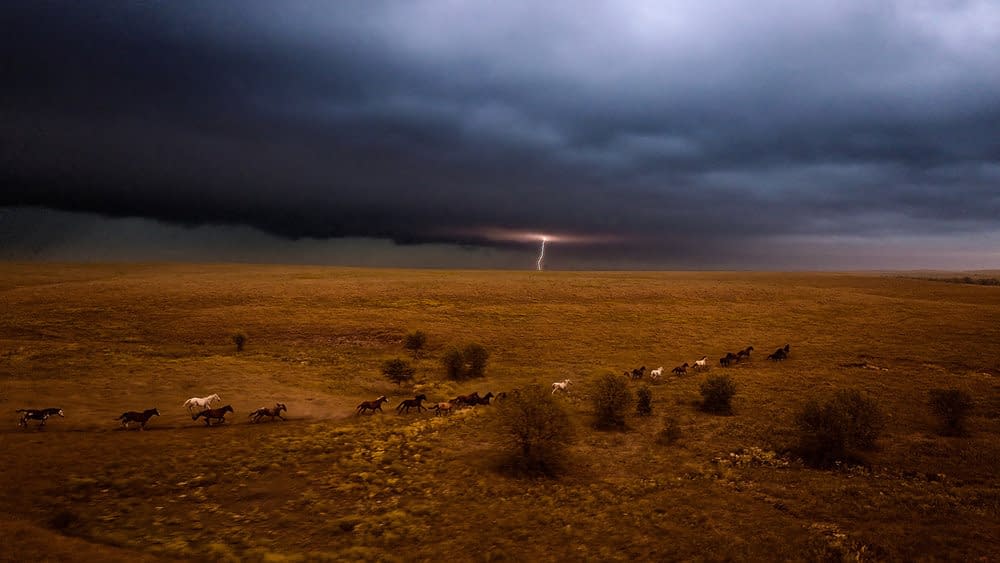
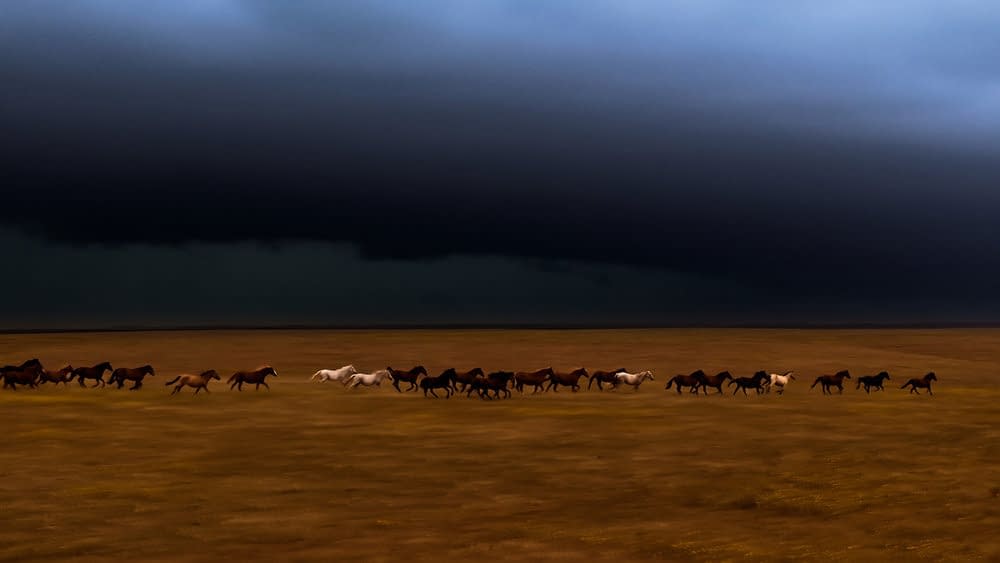
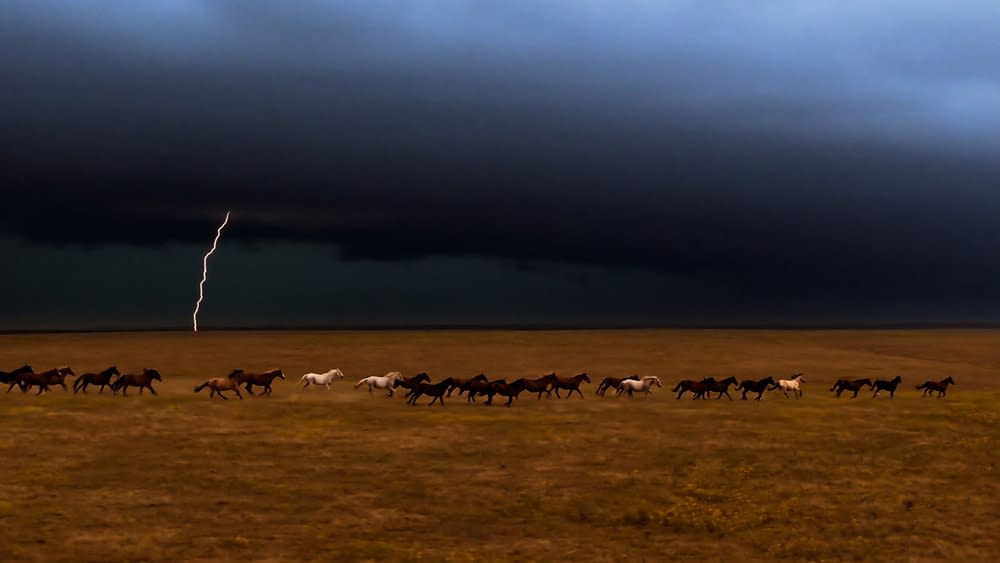
- Episode 103 — Pictured: Wild horses spooked by a storm in the Flint Hills of Kansas — (Photo by: BBC Studios)
-
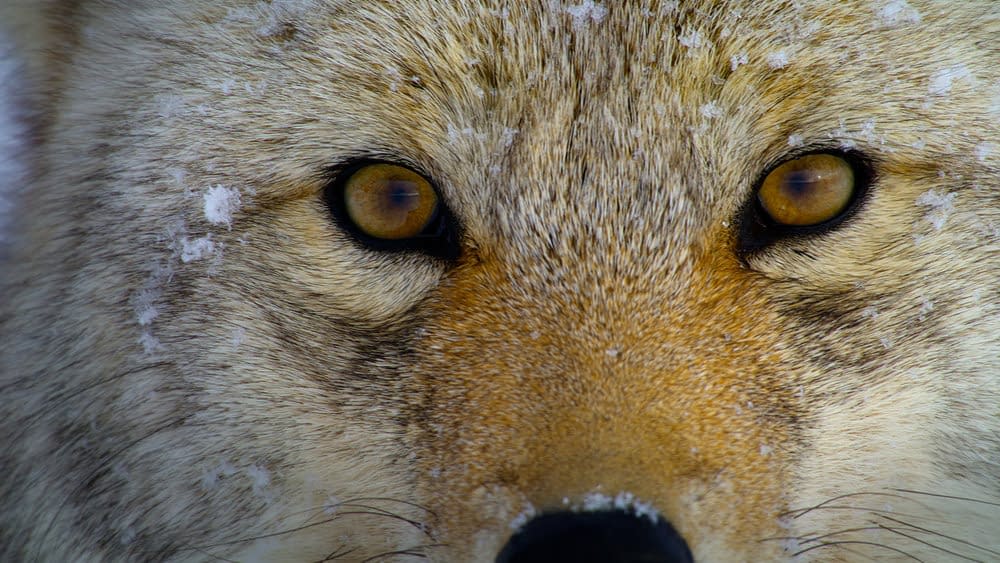
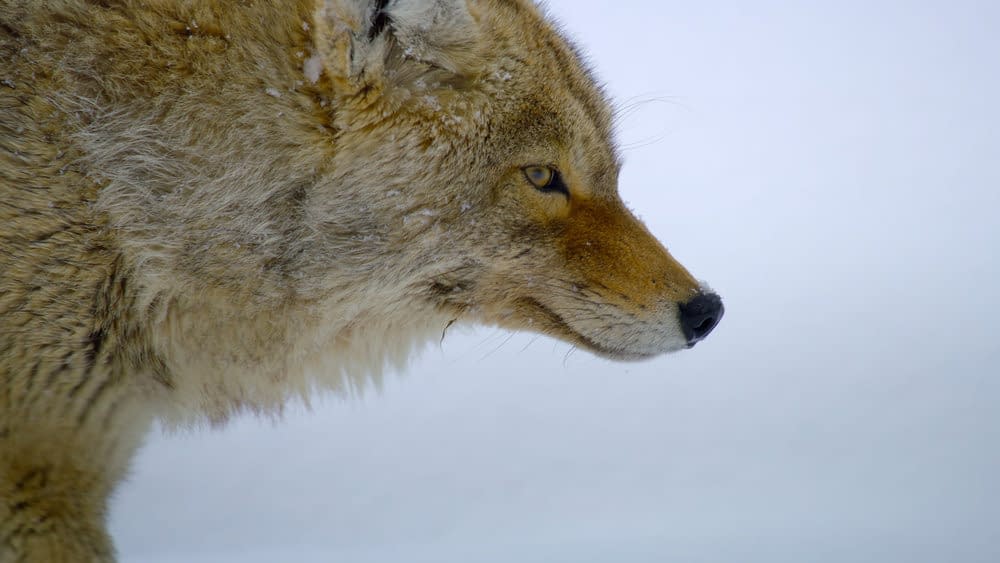
- Episode 103 — Pictured: A snow-flecked coyote in Yellowstone National Park — (Photo by: BBC Studios)
-
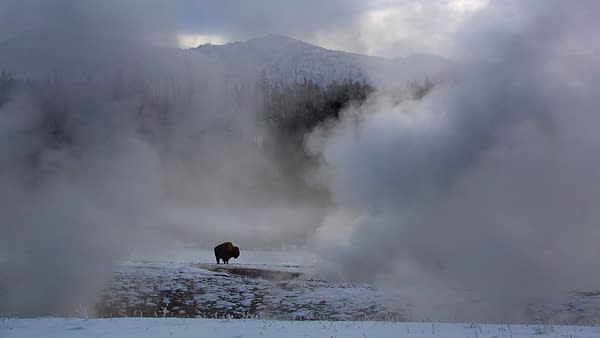
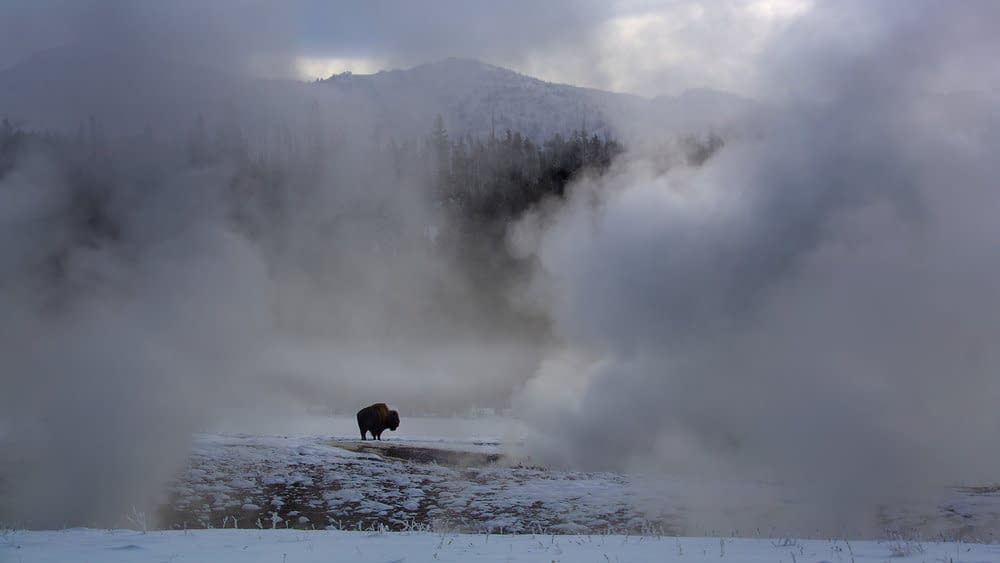
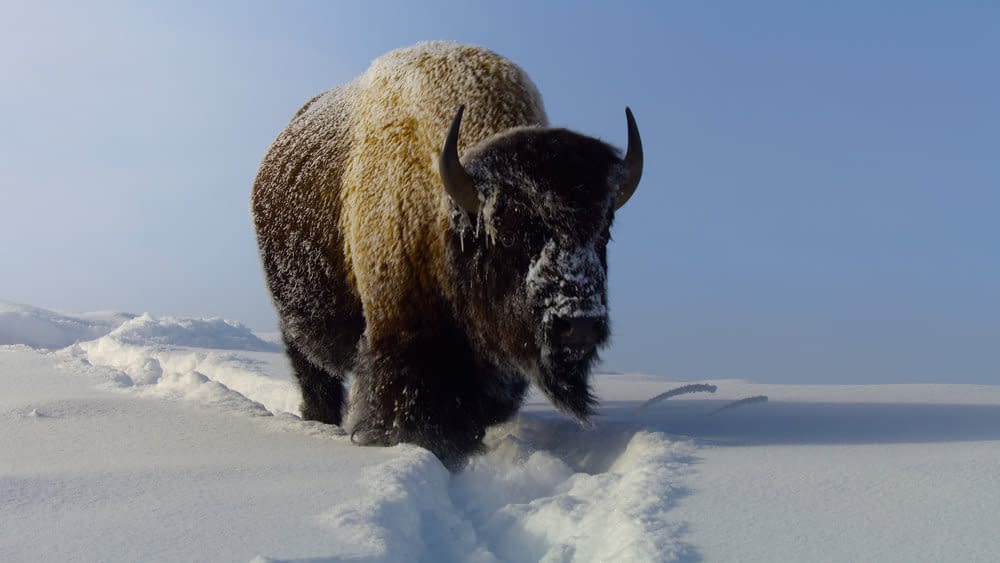
- Episode 103 — Pictured: Plains bison in winter, Yellowstone National Park, surrounded by plumes of steam from thermal springs — (Photo by: BBC Studios)
-
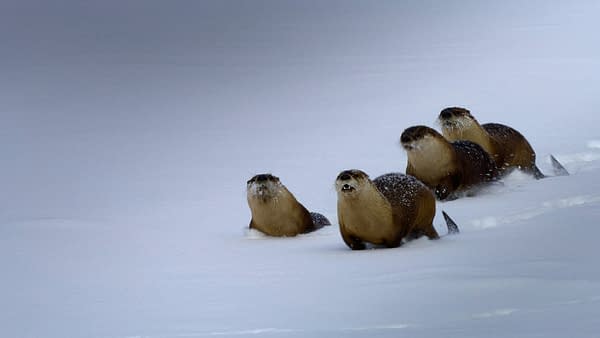
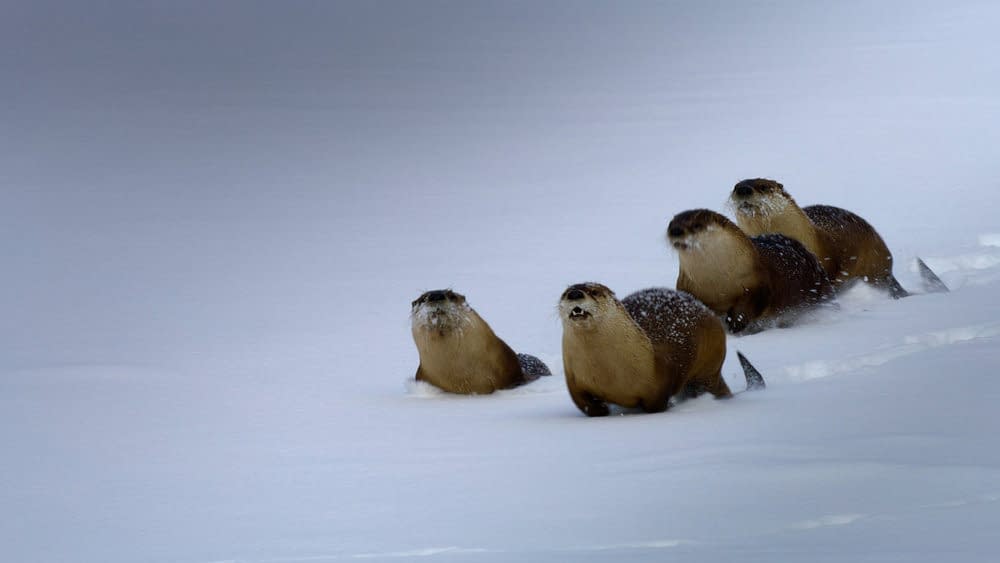
- Episode 103 — Pictured: North American river otter familiy 'toboaganing' in deep snow, Yellowstone National Park — (Photo by: BBC Studios)
-
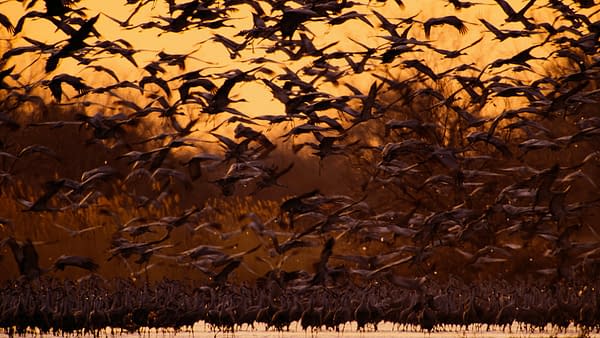
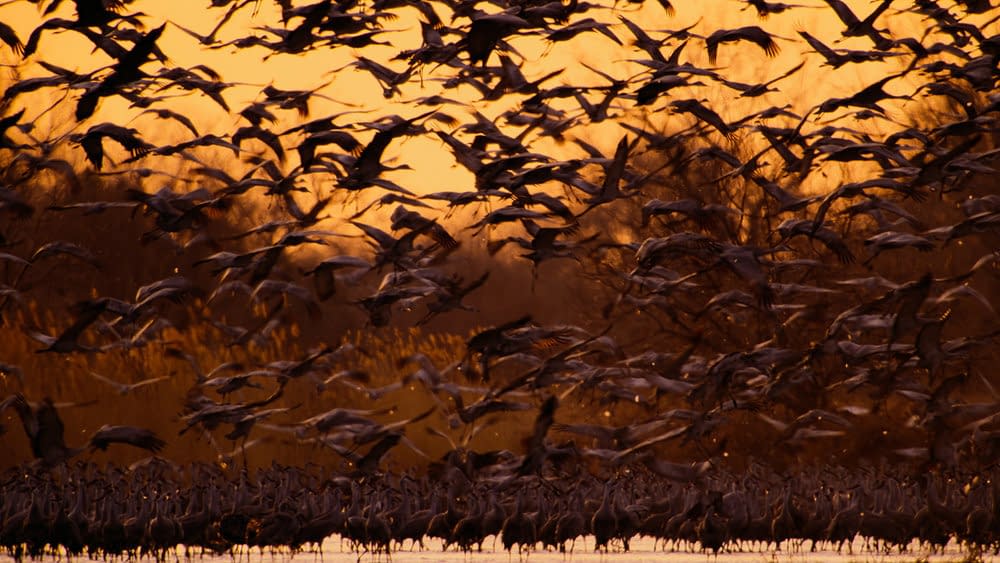
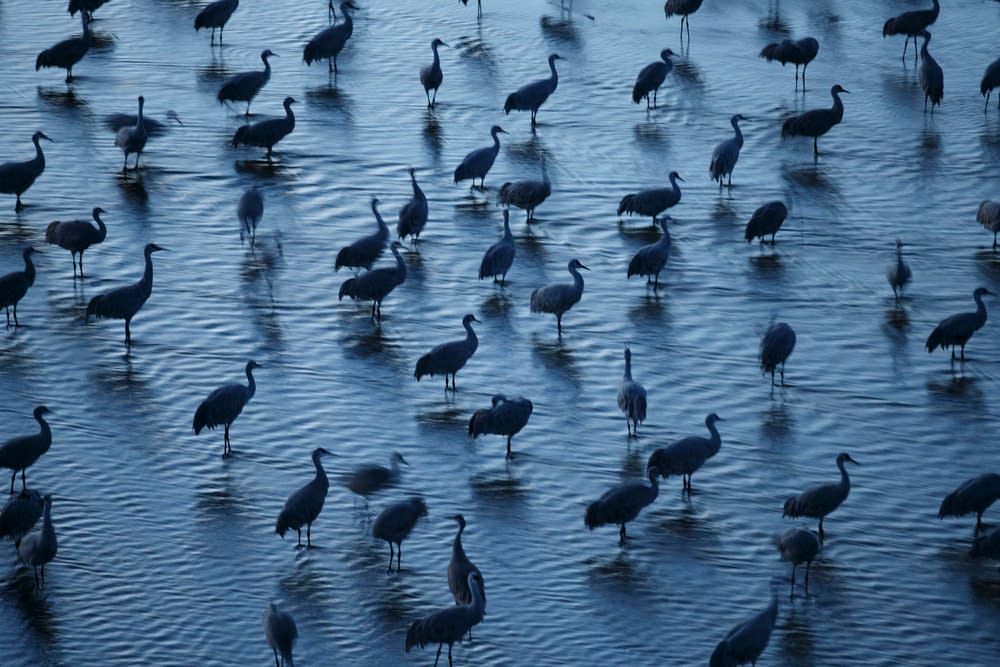
- Episode 103 — Pictured: During their annual migration north, around half a million sandhill cranes arrive to roost in the shallows of the Platte River, Nebraska — (Photo by: BBC Studios)
-
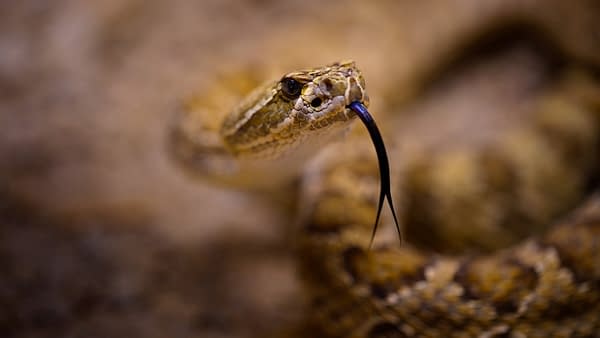
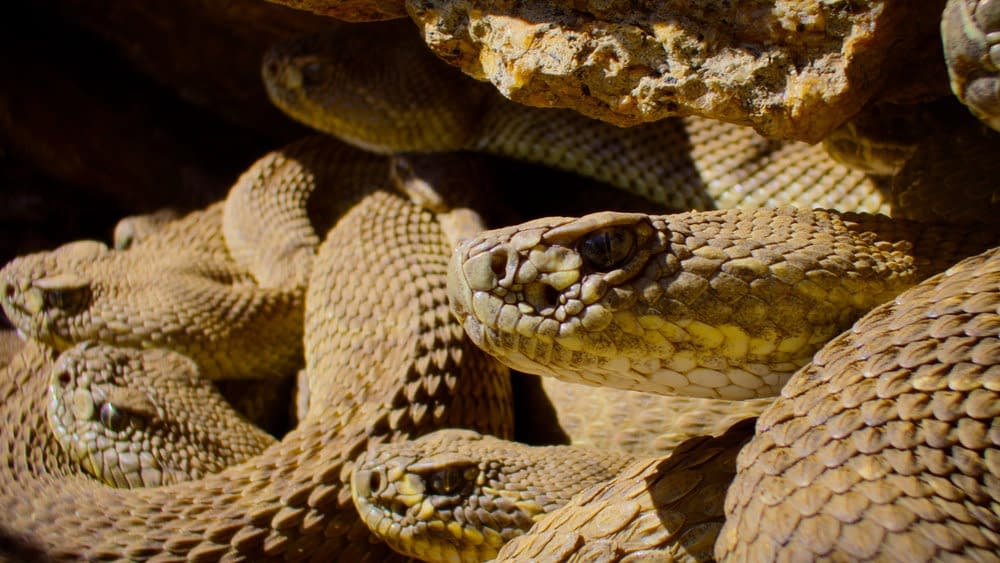
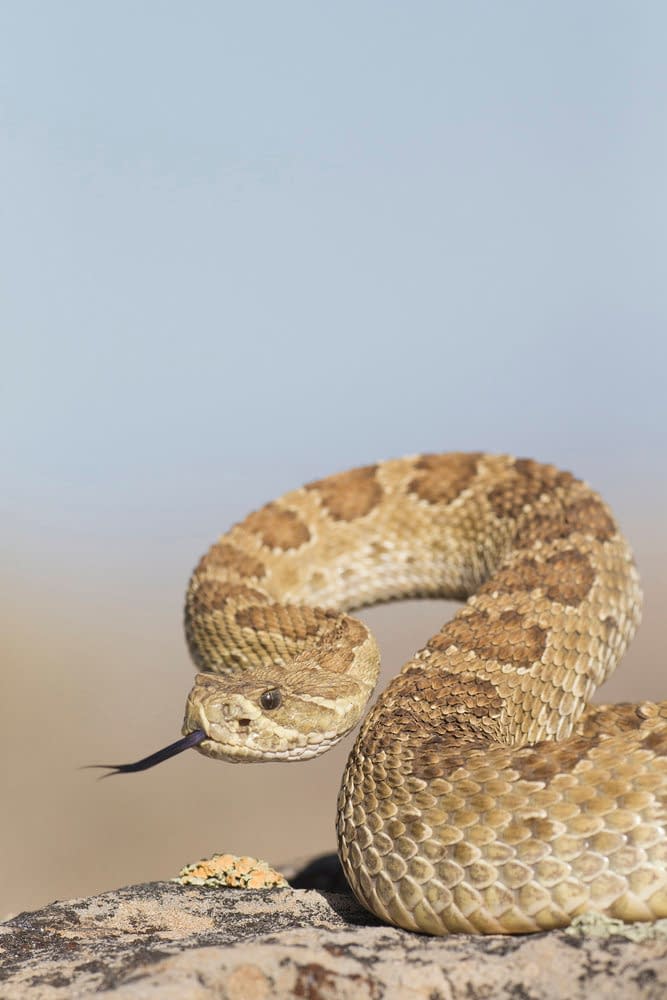
- Episode 103 — Pictured: Prairie rattlesnake, Nebraska, USA — (Photo by: BBC Studios)
-
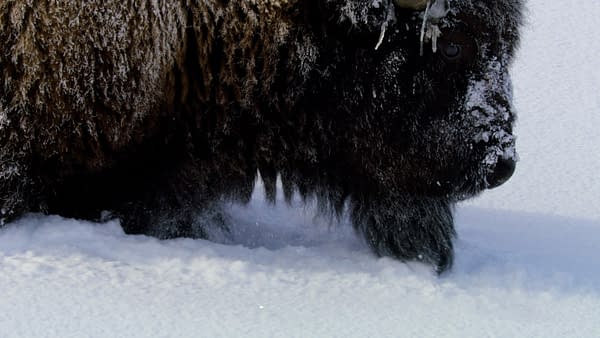
- Episode 103 — Pictured: Plains bison walking through snow in Yellowstone National Park — (Photo by: BBC Studios)
-
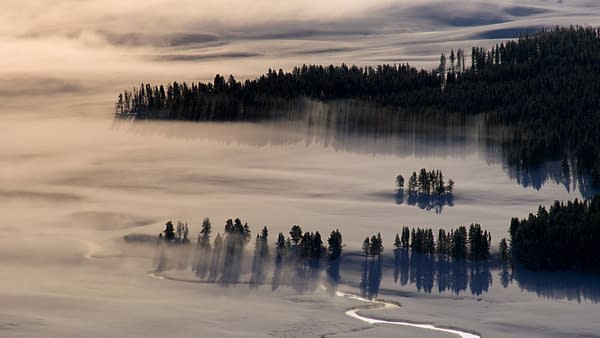
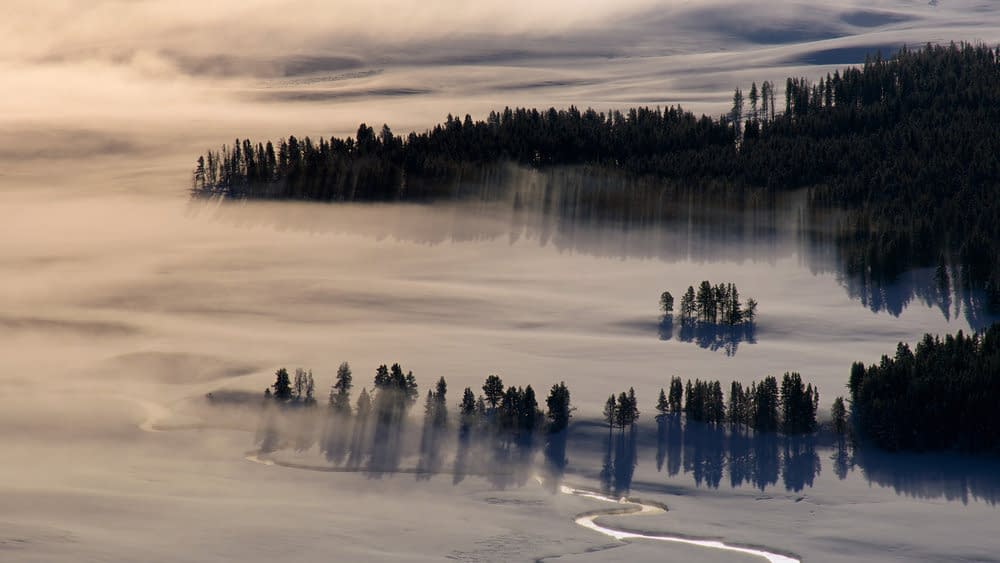
- Episode 103 — Pictured: Aerial of Yellowstone National Park cloaked in snow — (Photo by: BBC Studios)
-
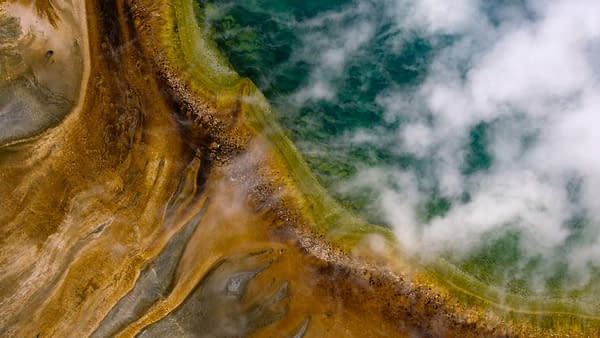
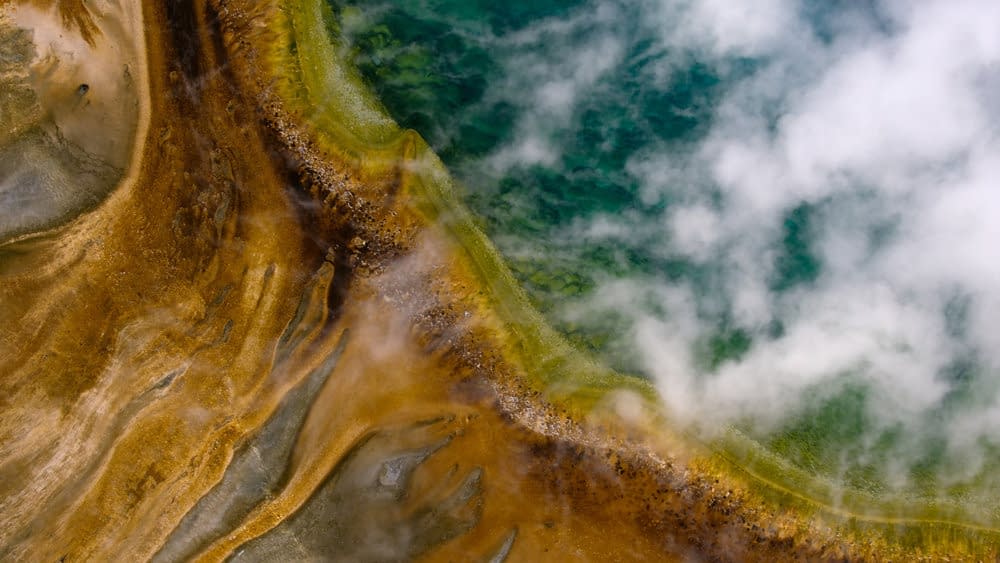
- Episode 103 — Pictured: Grand Prismatic Hotspring in Yellowstone National Park — (Photo by: BBC Studios)
-
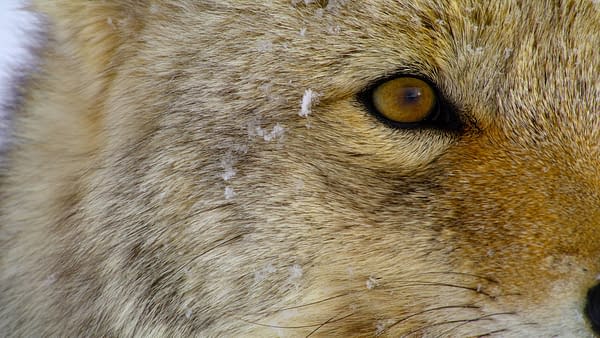
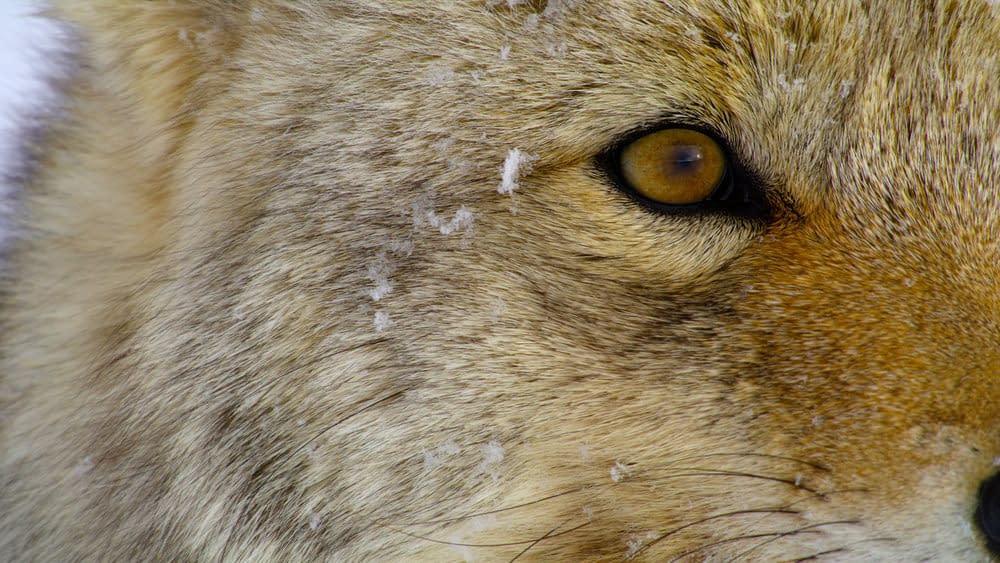
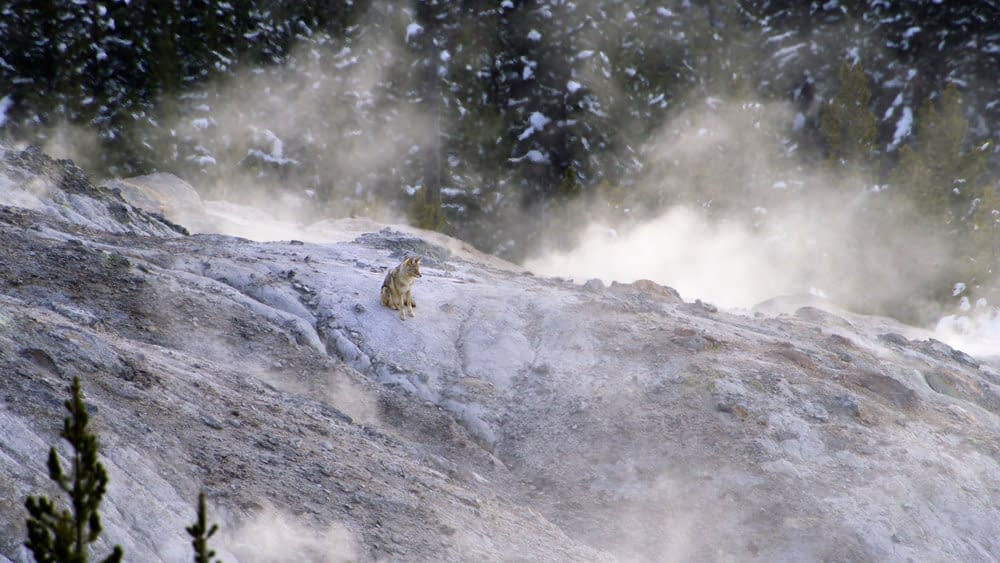
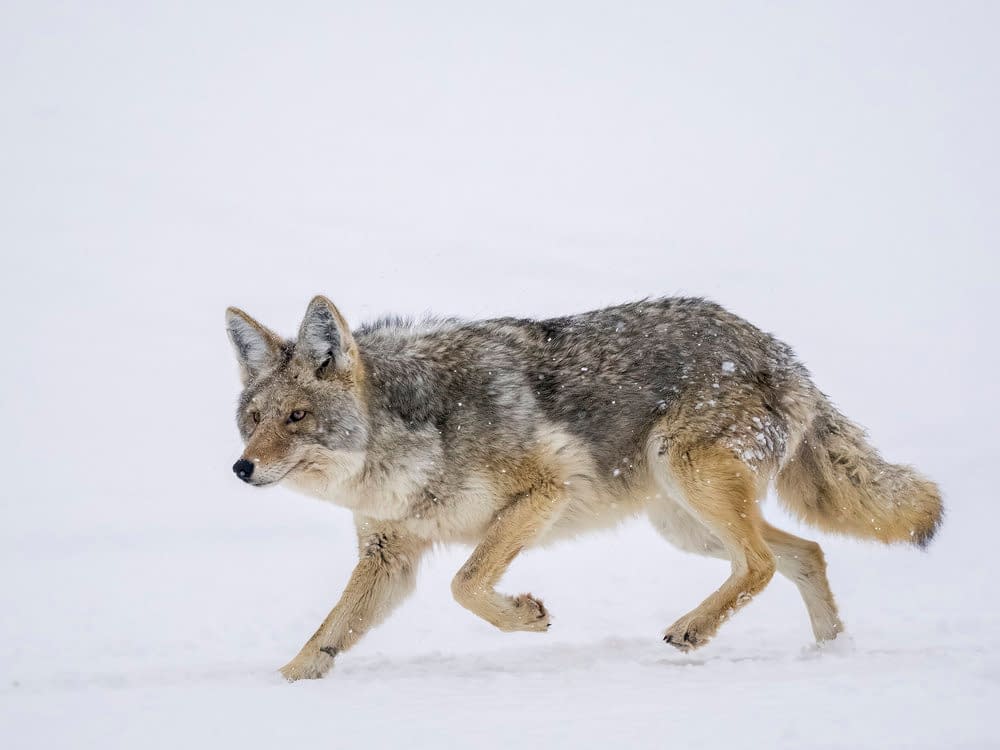
- Episode 103 — Pictured: Coyote in Yellowstone National Park — (Photo by: BBC Studios)
-
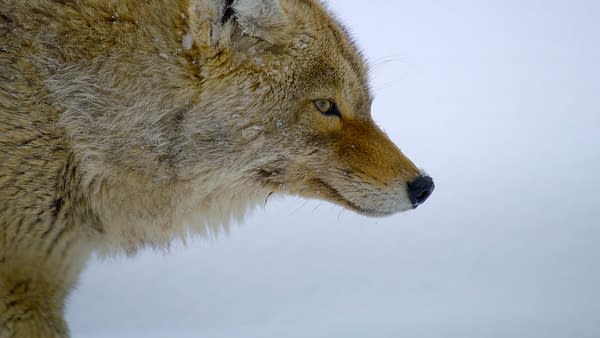
- Episode 103 — Pictured: Coyote on the hunt for a meal in snowbound Yellowstone National Park — (Photo by: BBC Studios)
-
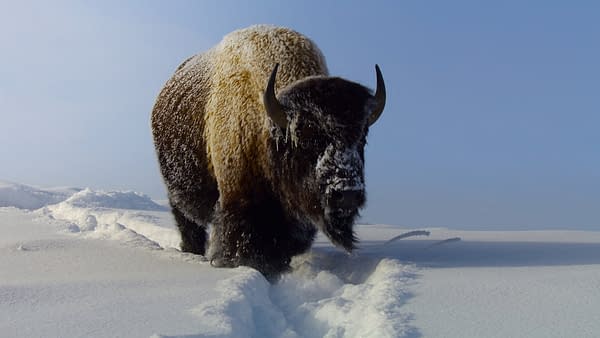
- Episode 103 — Pictured: Plains bison walking through snow in Yellowstone National Park — (Photo by: BBC Studios)
-
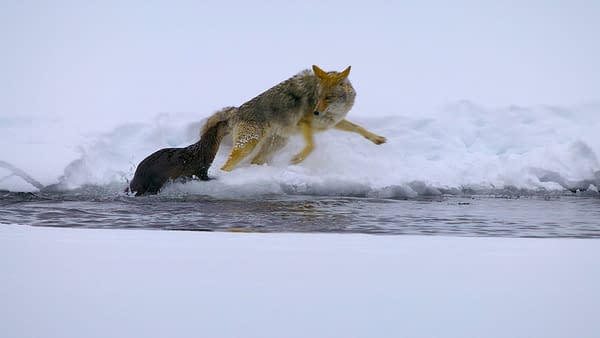
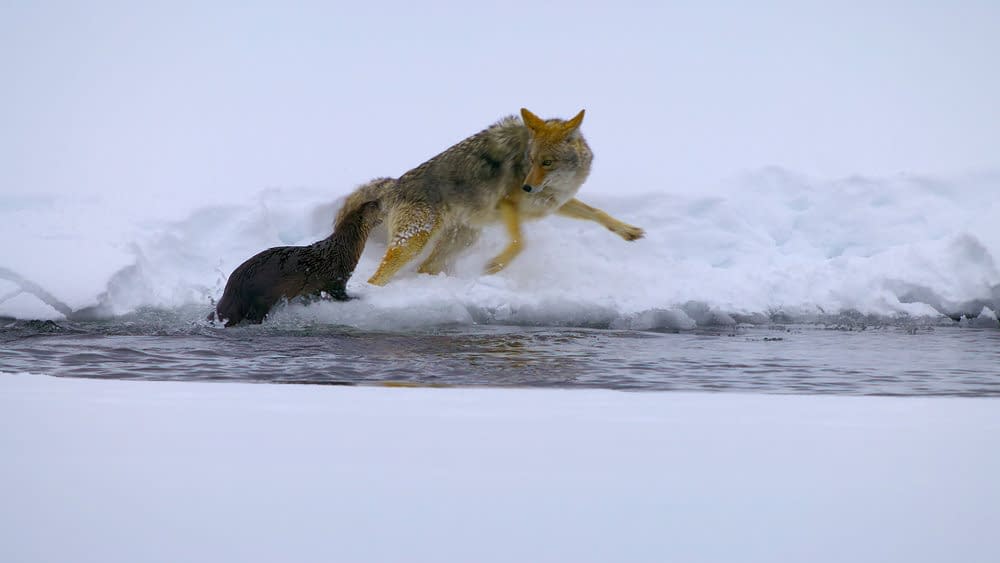
- Episode 103 — Pictured: North American river otter chasing off a coyote in Yellowstone National Park — (Photo by: BBC Studios)
-
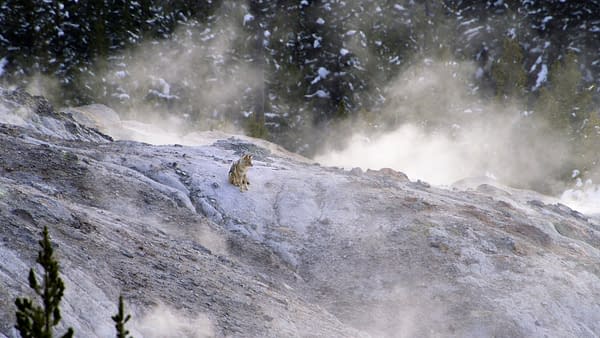
- Episode 103 — Pictured: Coyote in a wintry Yellowstone National Park — (Photo by: BBC Studios)
-
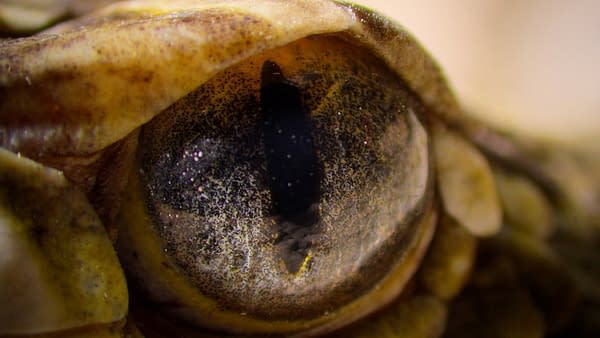
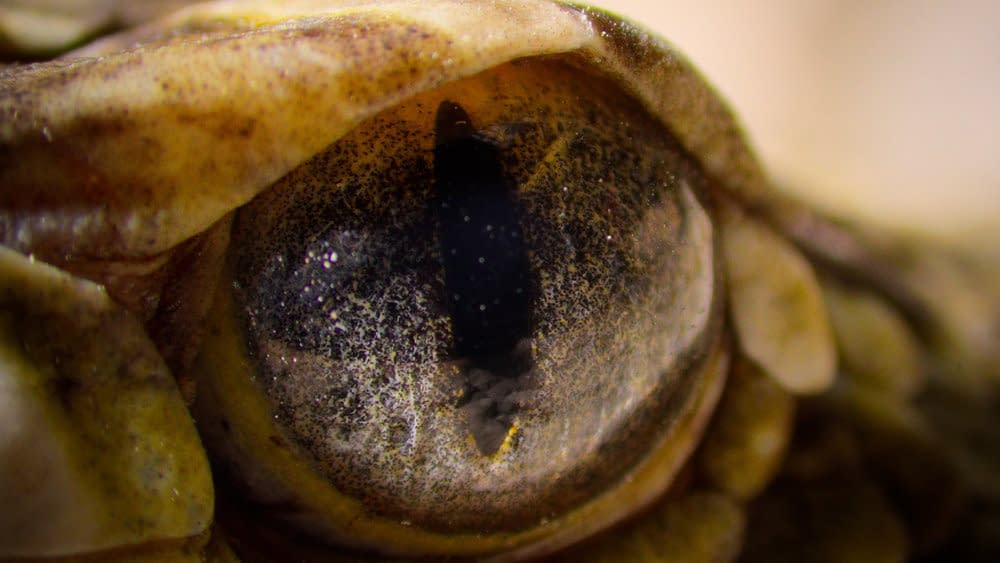
- Episode 103 — Pictured: Prairie rattlesnake eye — (Photo by: BBC Studios)
-
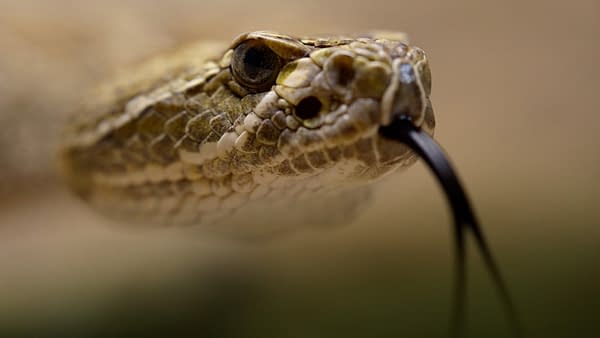
- Episode 103 — Pictured: Prairie rattlesnake, Nebraska, USA — (Photo by: BBC Studios)
-
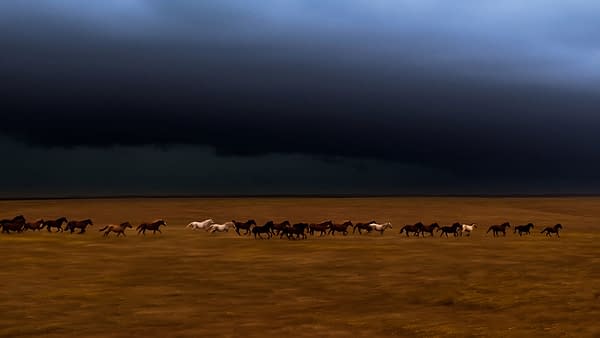
- Episode 103 — Pictured: Wild horses, spooked by a storm, in the Flint Hills of Kansas — (Photo by: BBC Studios)
-
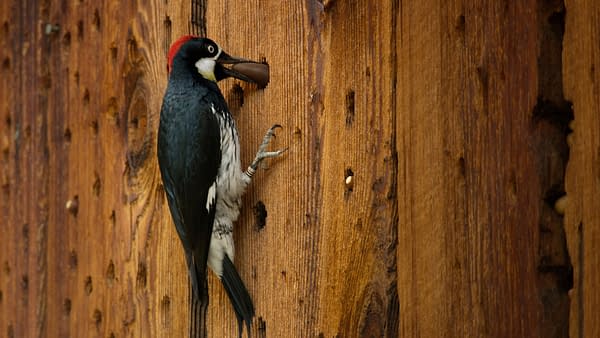
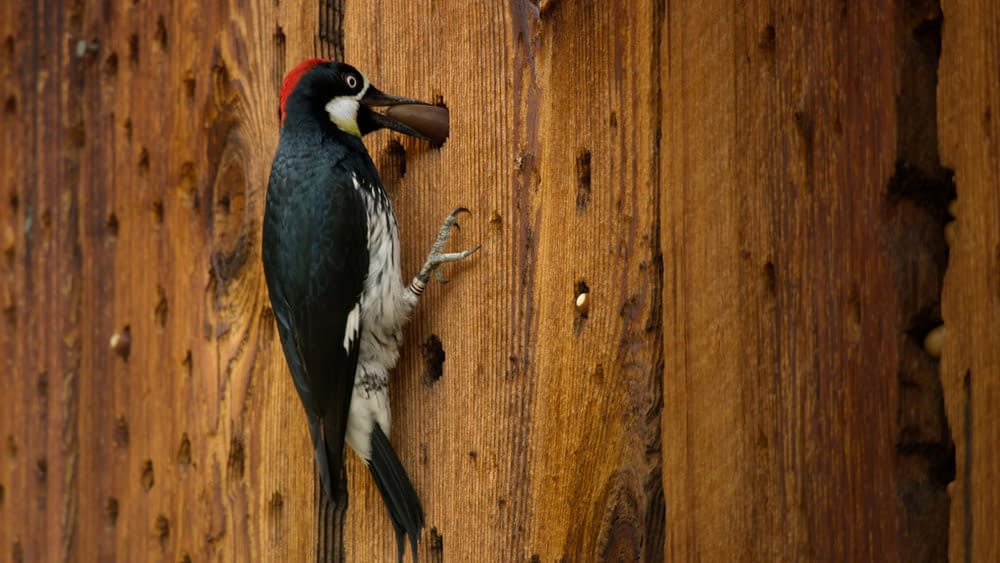
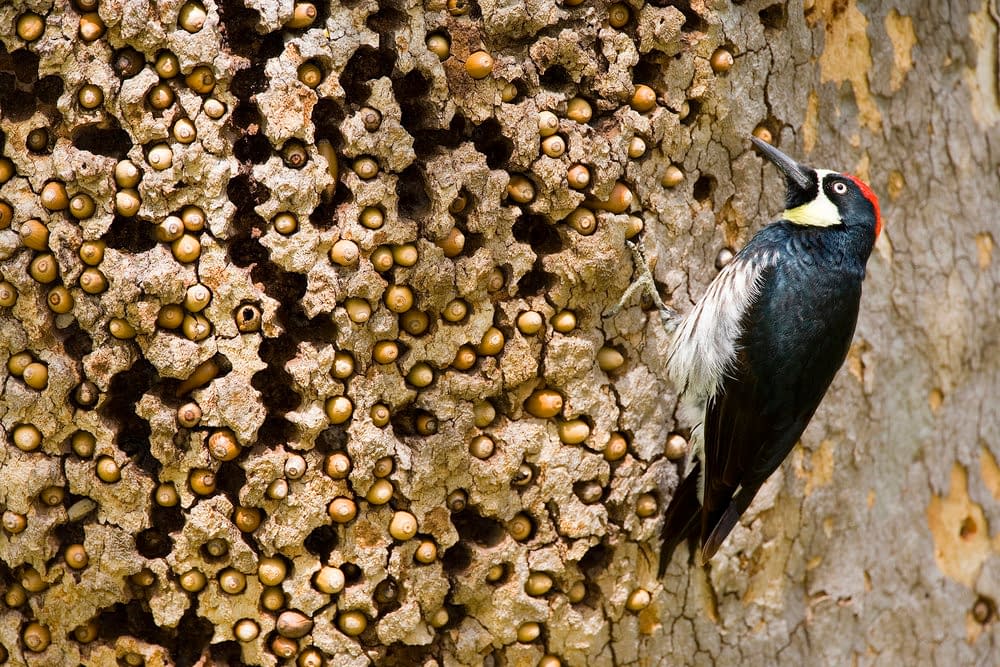
- Episode 103 — Pictured: Acorn Woodpeckers attempting to store acorns in the cladding of a barn. Unfortunately, the acorns fall through into a wall cavity — (Photo by: BBC Studios)
-
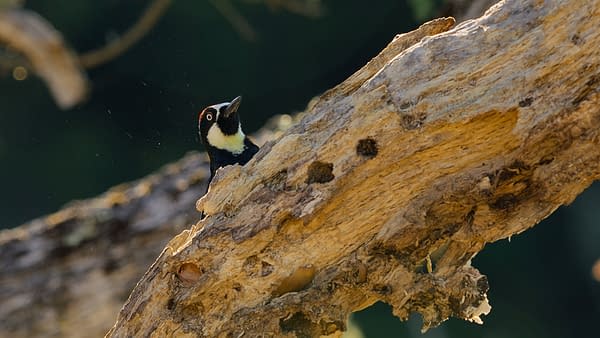
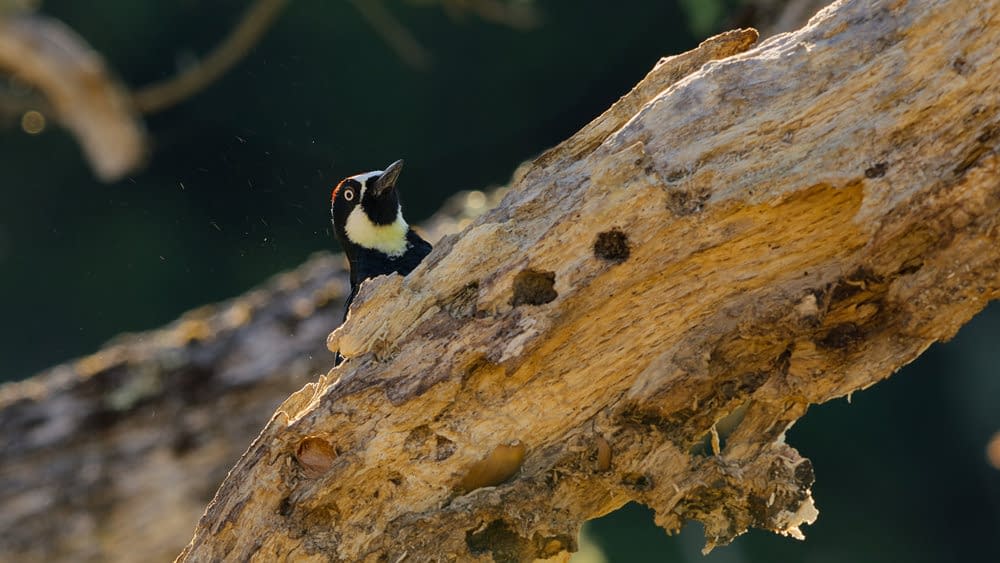
- Episode 103 — Pictured: Acorn Woodpecker. As it's name suggests, it specializes in storing acorns to provide food through winter months — (Photo by: BBC Studios)
-
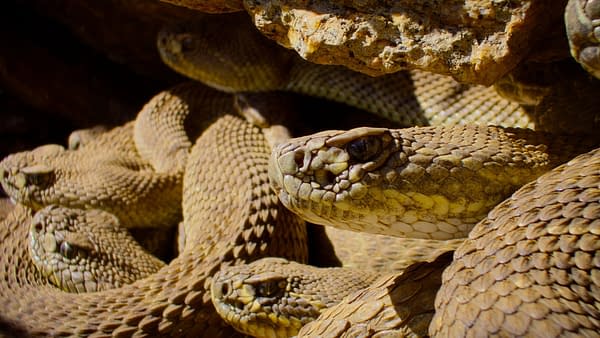
- Episode 103 — Pictured: Prairie rattlesnakes overwinter underground – emerging in their hundreds — (Photo by: BBC Studios)
-
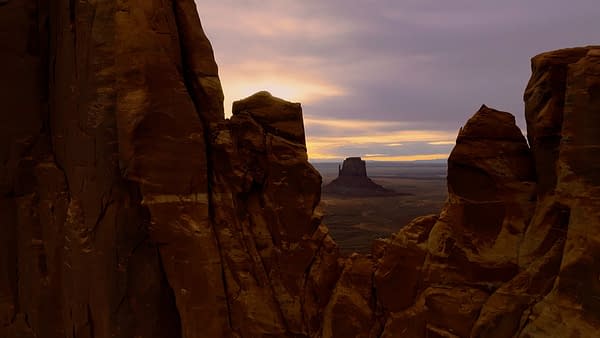
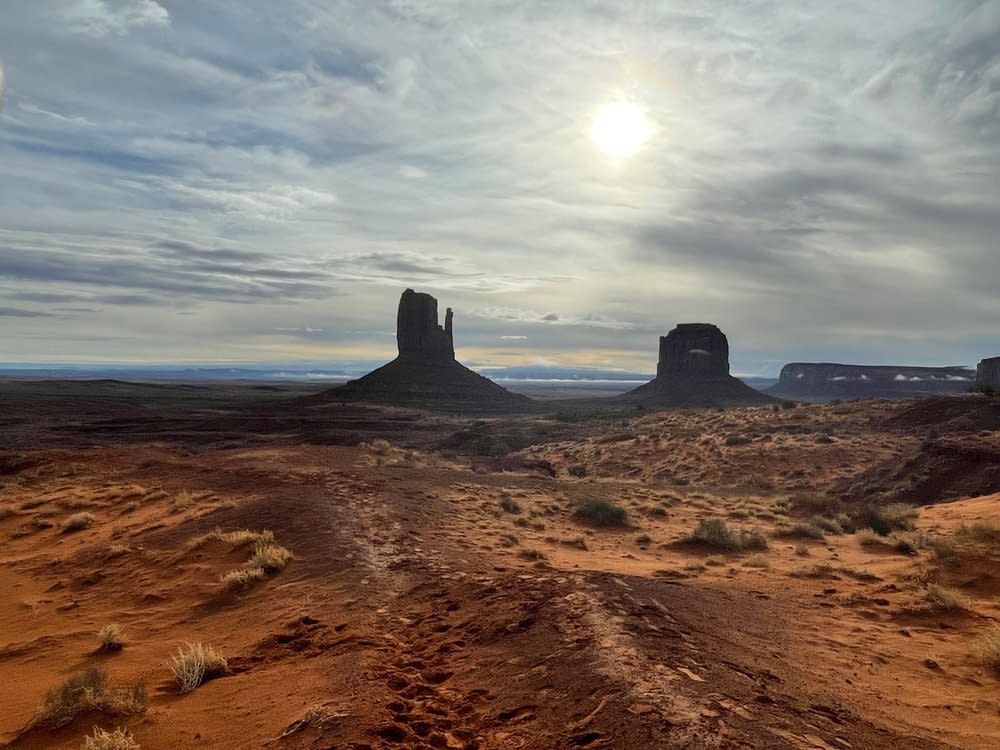
- Episode 103 — Pictured: The dramatic landscape of Monument Valley, Arizona, was formed by millions of years of erosion — (Photo by: BBC Studios)
-
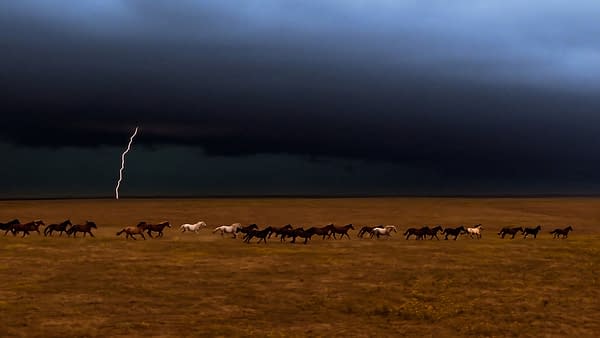
- Episode 103 — Pictured: Wild horses, spooked by a storm, in the Flint Hills of Kansas — (Photo by: BBC Studios)
-
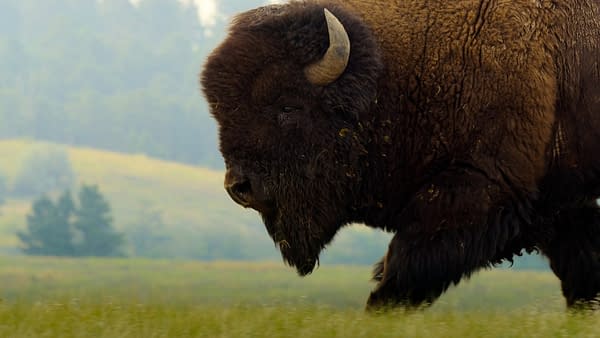
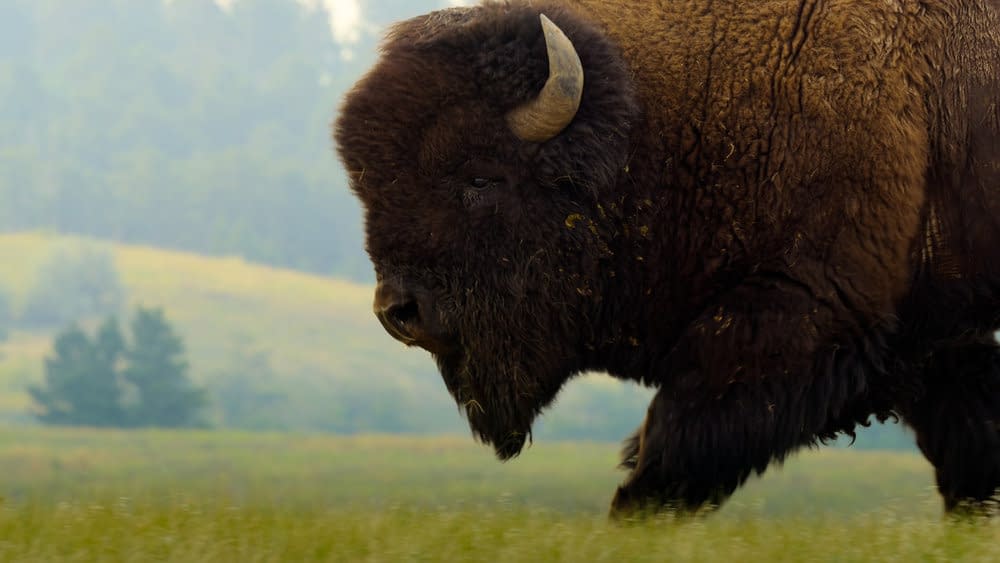
- Episode 103 — Pictured: Male plains bison in rutting season, Custer State Park, South Dakota — (Photo by: BBC Studios)
-
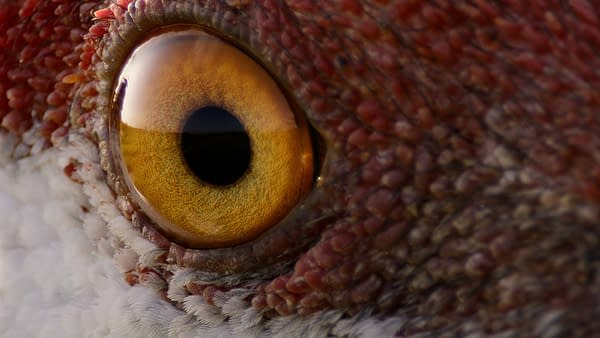
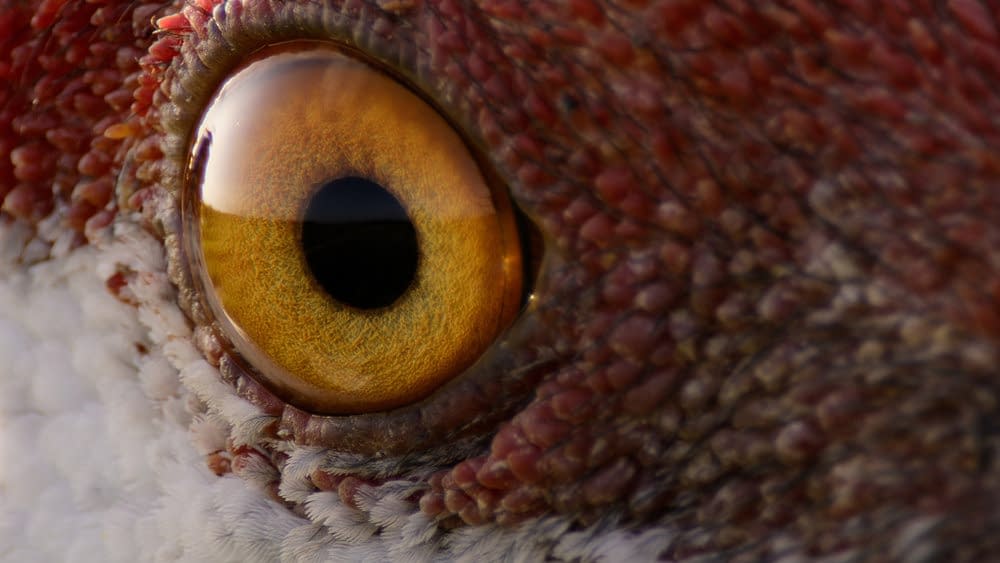
- Episode 103 — Pictured: Sandhill crane eye, Platte River Nebraska — (Photo by: BBC Studios)
-
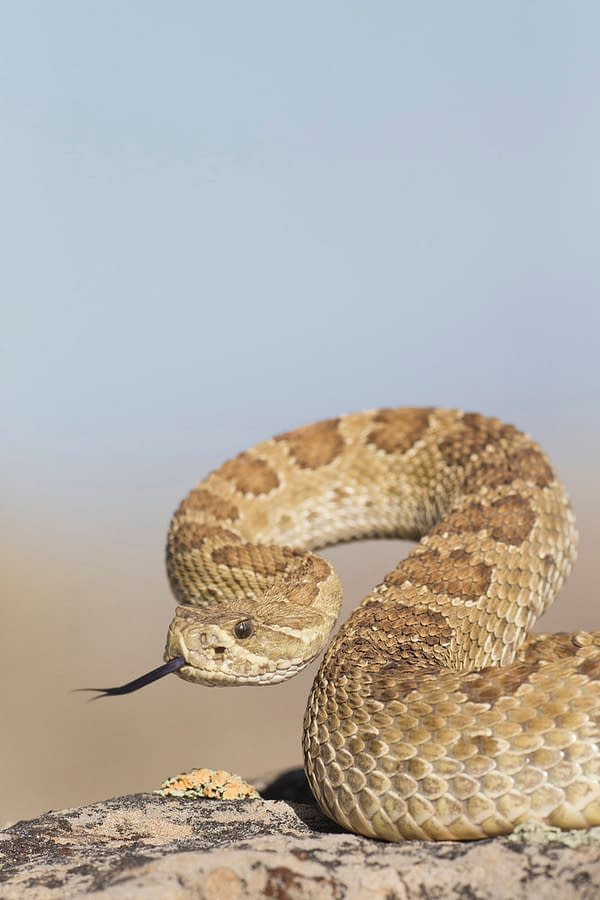
- Episode 103 — Pictured: Prairie Rattlesnake in defensive posture, North America — (Photo by: Donald M. Jones/Nature Picture Library/BBC Studios)
-
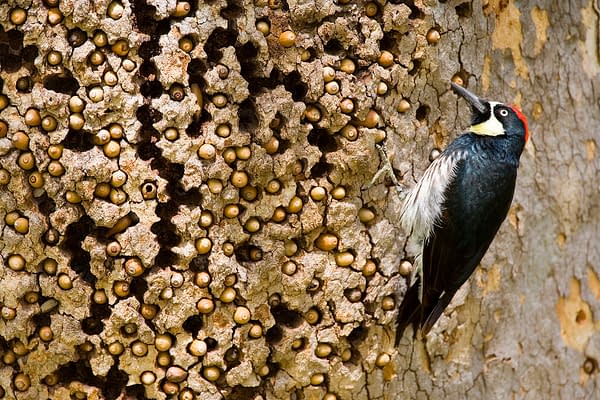
- Episode 103 — Pictured: Acorn Woodpecker male at its 'granary' tree where thousands of acorns are stored for winter, Orange County, California, USA — (Photo by: Marie Read / naturepl.com / BBC Studios)
-
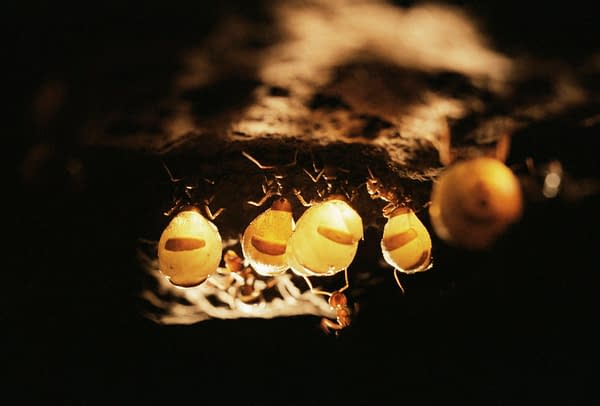
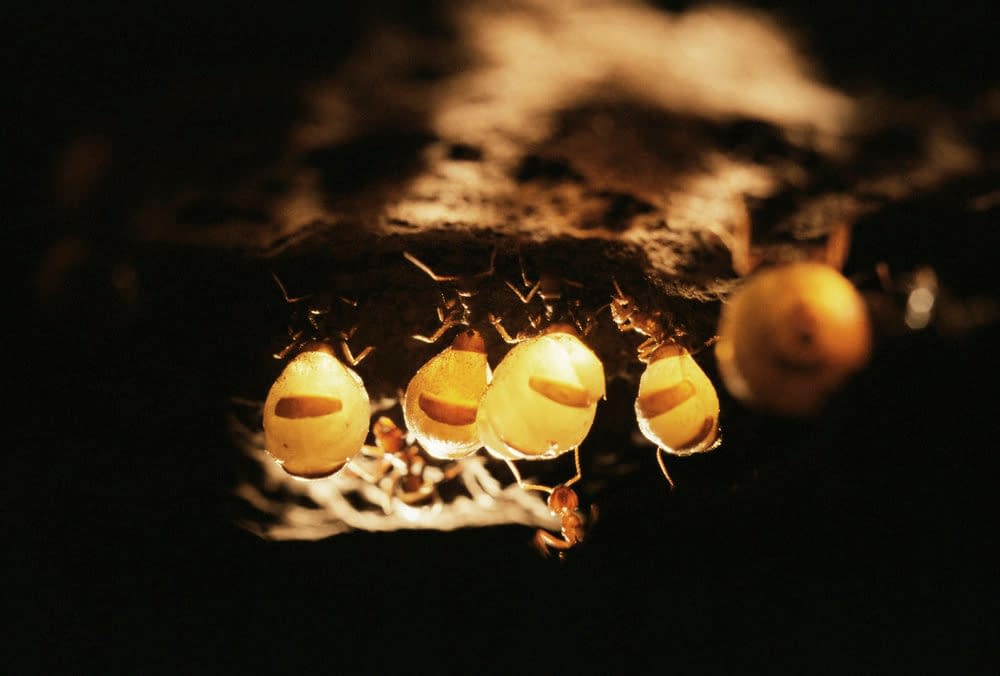
- Episode 103 — Pictured: Worker honeypot ants store nectar in abdomens that swell to the size of a grape. — (Photo by: Nick Upton / naturepl.com / BBC Studios)
-
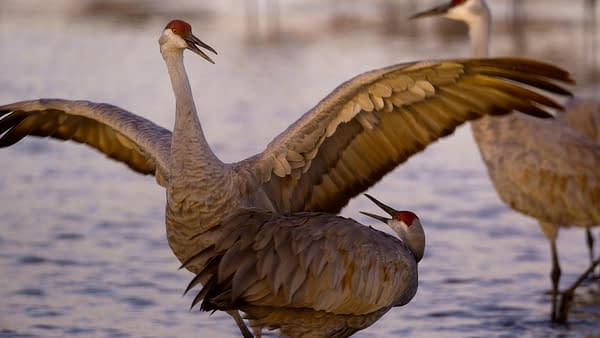
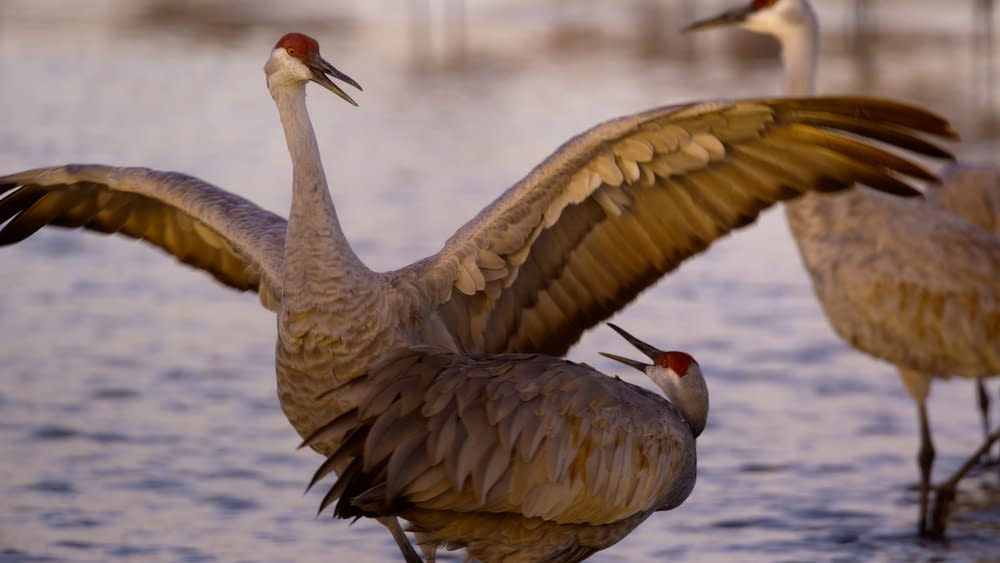
- Episode 103 — Pictured: Courting dance of sandhill Cranes on the Platte River Nebraska — (Photo by: BBC Studios)
-
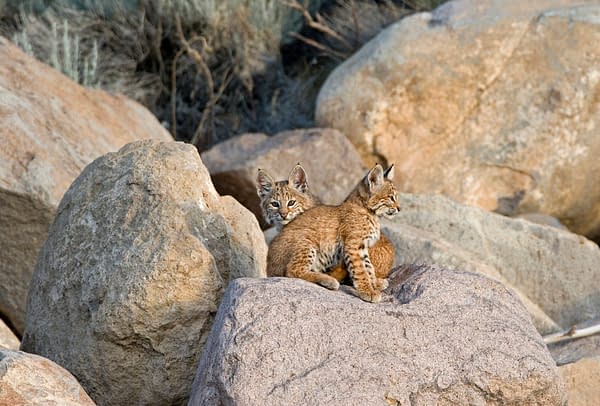
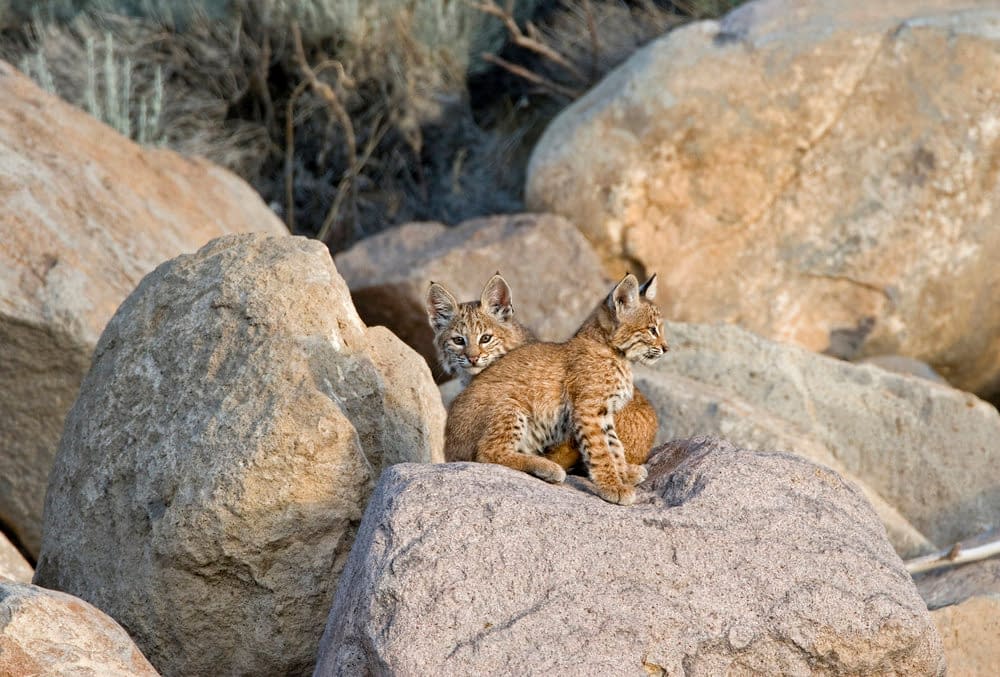
- Episode 103 — Pictured: Two Bobcat kittens sitting on a boulder outside their den. Suburban southwest Reno, Nevada, USA — (Photo by: Diane McAllister / naturepl.com / BBC Studios)
-
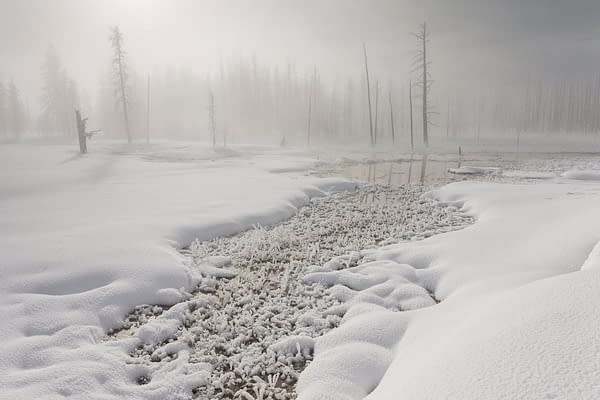
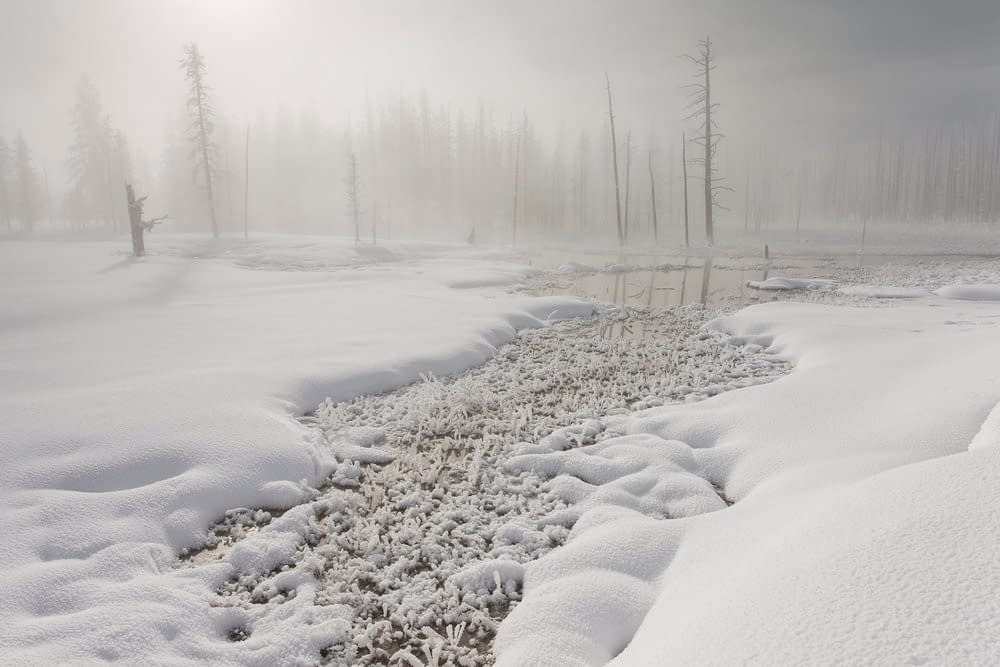
- Episode 103 — Pictured: Calcified trees at Tangled Creek in winter, Yellowstone National Park, Wyoming, USA — (Photo by: Peter Cairns / naturepl.com / BBC Studios)
-
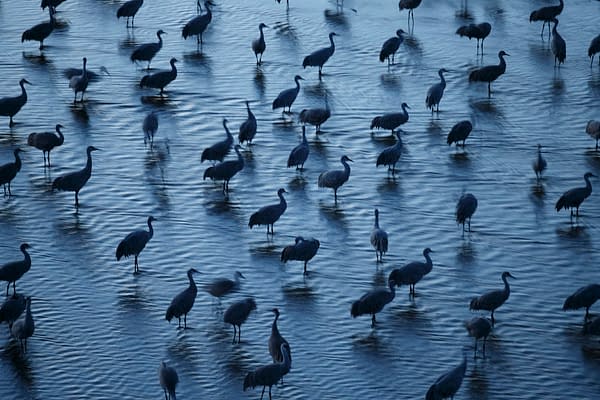
- Episode 103 — Pictured: Sandhill Cranes roosting in the Platte River during their northward spring migration. Central Nebraska — (Photo by: Gerrit Vyn / naturepl.com / BBC Studios)
-
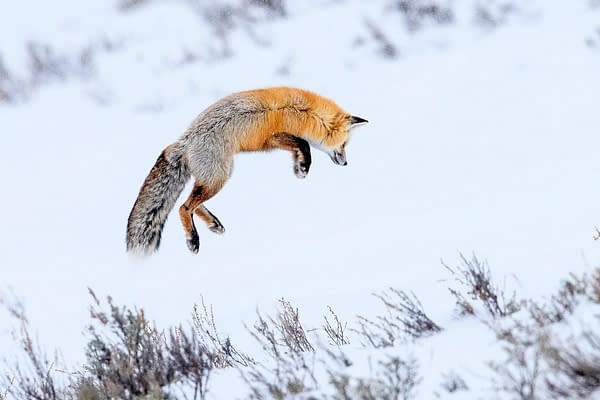
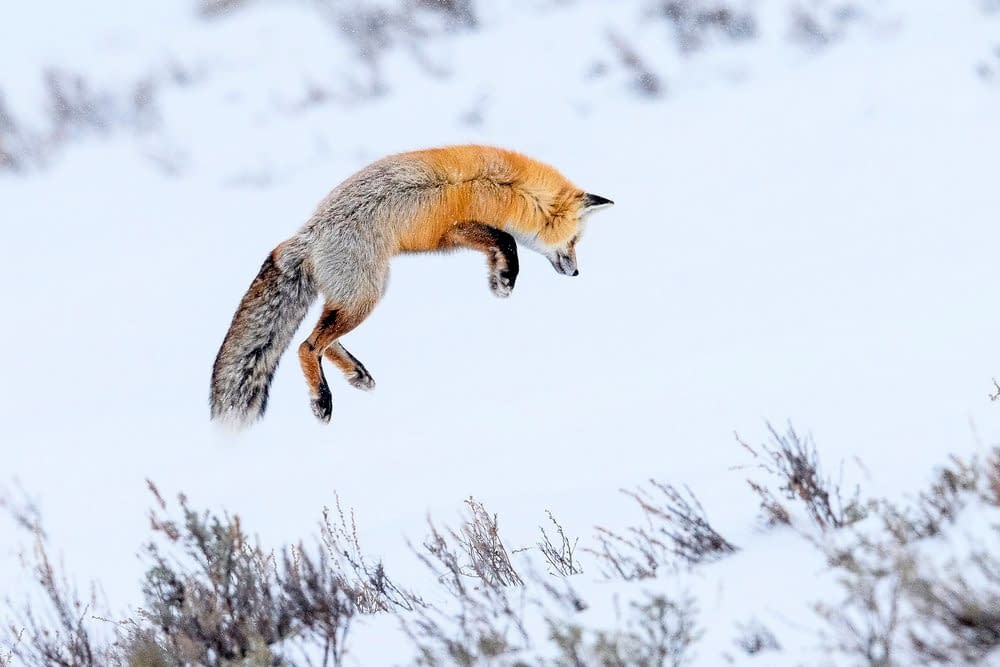
- Episode 103 — Pictured: Red fox hunting for rodents by 'snow diving' in deep snow. Hayden Valley, Yellowstone, USA — (Photo by: Nick Garbutt / naturepl.com / BBC Studios)
-
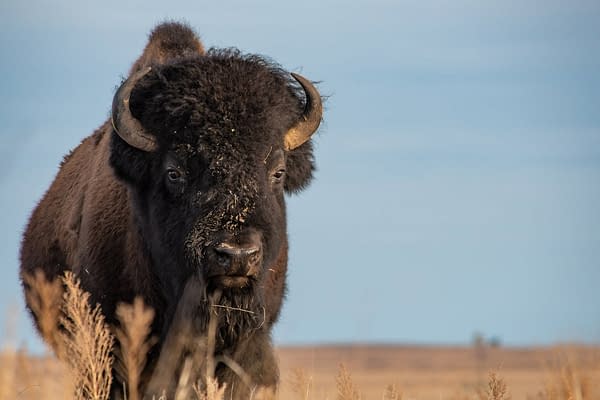
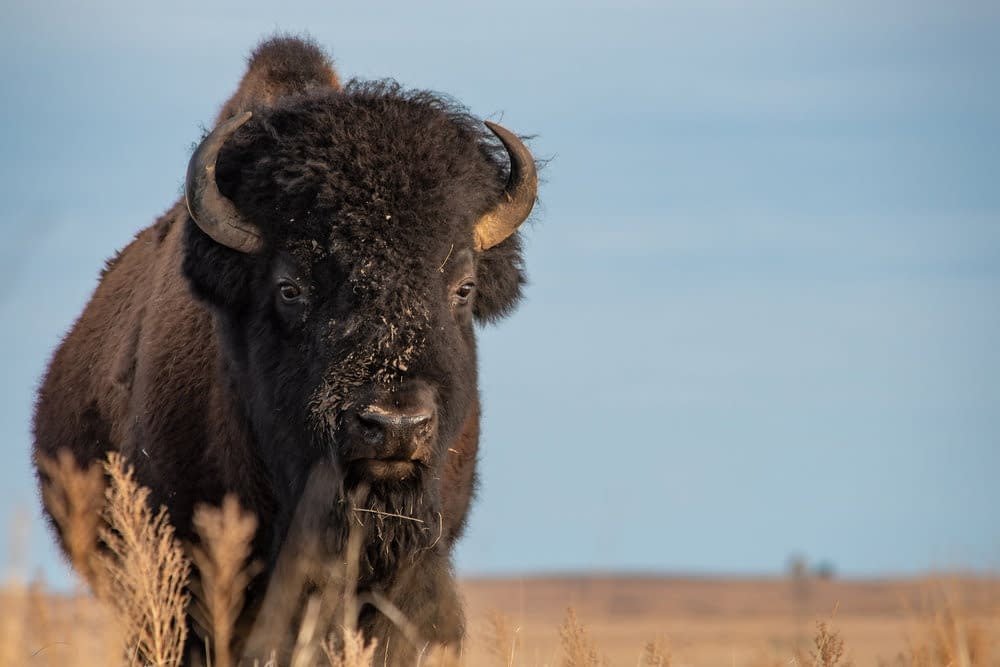
- Episode 103 — Pictured: Plains bison, Nebraska. The largest of America’s land mammals, bulls can weigh in at a ton and stand six feet tall at the shoulder. — (Photo by: Alex Wiles / BBC Studios)
-
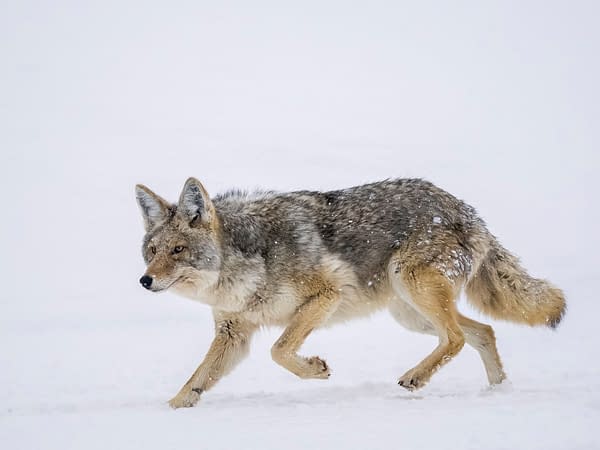
- Episode 103 — Pictured: Even in deep snow, a coyote can still pick up a scent trail. — (Photo by: Carol Grenier / BBC Studios)
-
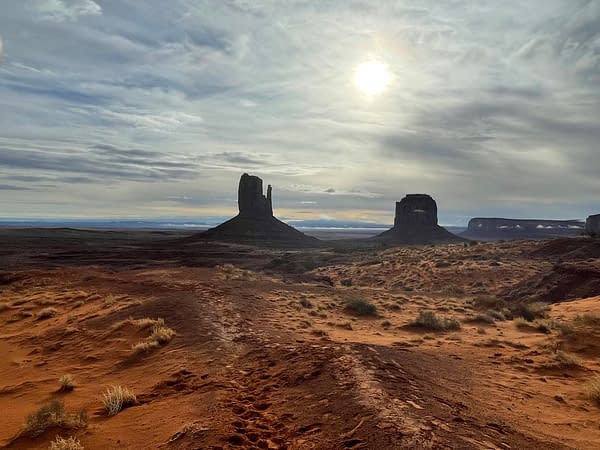
- Episode 103 — Pictured: The dramatic landscape of Monument Valley, Arizona, was formed by millions of years of erosion. — (Photo by: Steve Cole / BBC Studios)
NBC's The Americas showcases the wonders, secrets, and fragilities of the world's greatest supercontinent. For the first time, the Americas stars in its own incomparable series, using cutting-edge technology to uncover never-before-seen behavior and highlight the extraordinary, untold wildlife stories that will deeply connect with millions around the world. Five years in the making and filmed over 180 expeditions, this groundbreaking series reveals the spectacular landscapes of Earth's most varied landmass – the only one to stretch between both poles. The Americas' unprecedented scale and ambition deliver remarkable world firsts: new species, new intimate courtship, dramatic deep-sea hunting, and some of nature's strangest stories – even a frog that seems to defy death every day. Each hour-long episode features a different iconic location across the Americas: "The Atlantic Coast," "Mexico," 'The Wild West," "The Amazon," "The Frozen North," "The Gulf Coast," "The Andes," "The Caribbean," "The West Coast," and "Patagonia."
NBC's The Americas is executive-produced by renowned Emmy and BAFTA Award-winning wildlife producer Mike Gunton (Life, Planet Earth II, Dynasties) for BBC Studios Natural History Unit, the best-known and most respected producers of natural history content in the world, in association with Universal Television Alternative Studio, a division of Universal Studio Group.
Enjoyed this? Please share on social media!



Stay up-to-date and support the site by following Bleeding Cool on Google News today!