
 About
About 


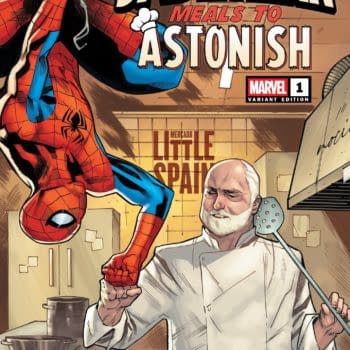
CoverWatch: Marvel Comics is doing Restaurant Exclusive Editions of their comics, like this Meals To Astonish #1 variant with José Andrés
Posted in: Avengers, Batman, Comics, DC Comics, Image, Marvel Comics, Spider-Man, X-Men | Tagged: coverwatch, dale keown, hulk, rob liefeld, tom brevoort, variant cover
Tom Brevoort Says Variant Covers Now "Part Of The Economics" Of Comics
CoverWatch: Tom Brevoort says variant covers are now "part of the rconomics" of comics... and it is all the Hulk's fault
Article Summary
- Tom Brevoort explains how variant covers evolved from special events to a key part of comics economics.
- Variant covers are now normalized at all major publishers, serving collectors without excluding regular readers.
- Brevoort argues variants add choice and art value, stressing readers can always buy a traditional cover if preferred.
- The comic book market self-corrects over time, as irrelevant or excessive variants phase out through retailer feedback.
Aside from discussing whether or not I am myself, Marvel Comics Executive Editor and Senior VP Tom Brevoort offered a veteran's perspective on the evolution of variant covers in comic books in a new Word Balloon podcast interview with host John Siuntres. He acknowledged their transformation from occasional artistic enhancements in the early 1990s into a permanent fixture of modern comics economics, while insisting they remain additive rather than coercive for readers who simply want the story.
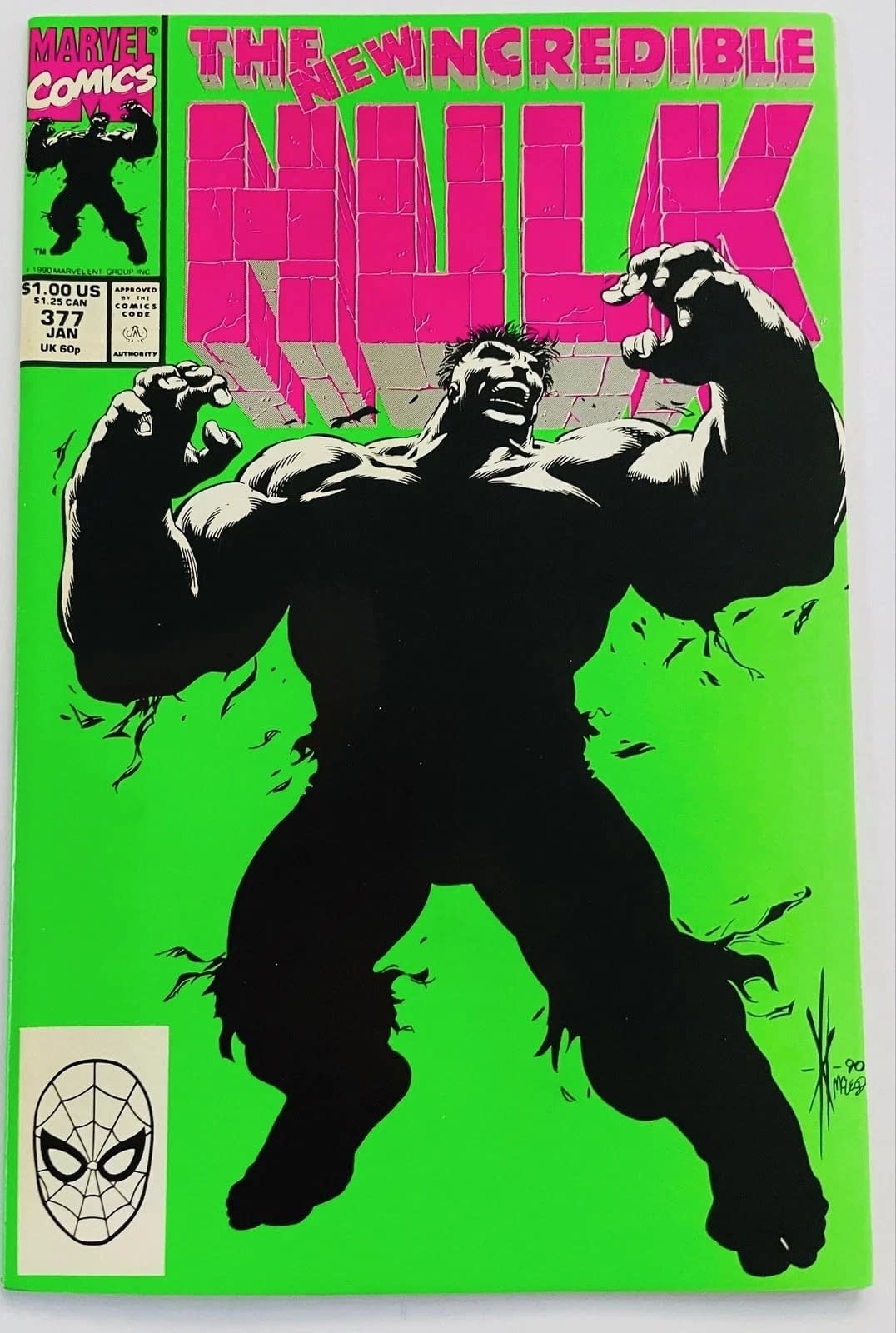
Brevoort traced the rise of cover gimmicks back to the pre-Image boom era, when experiments like fluorescent inks on Hulk covers unexpectedly exploded in sales: "Certainly in the 90s it became a gold rush. And it started off with artistic intention, going back to that Hulk cover. What can we do? We're doing this story. It's special. We're uniting all the Hulks. We're going to have this new intelligent Dale Keown Hulk. What can we do to spotlight this? Well, what if we printed the cover with a green that you couldn't otherwise get on a comic book cover, a special ink green? And that worked out so well, selling in enormous numbers. Everything was selling in fairly enormous numbers."
He described how success quickly turned enhancements into a regular program: "The enhanced books tended to sell extremely well. And so after a certain point, it just became like a program. We'll do one of these every month. People like them as long as we can come up with stuff. And then it became, well, we'll do two every month. And at that point, you're no longer servicing an artistic thing. You're going, well, we need some kind of an enhancement. What works for this comic? And at that point, you've kind of got the cart driving the horse a little bit."
-
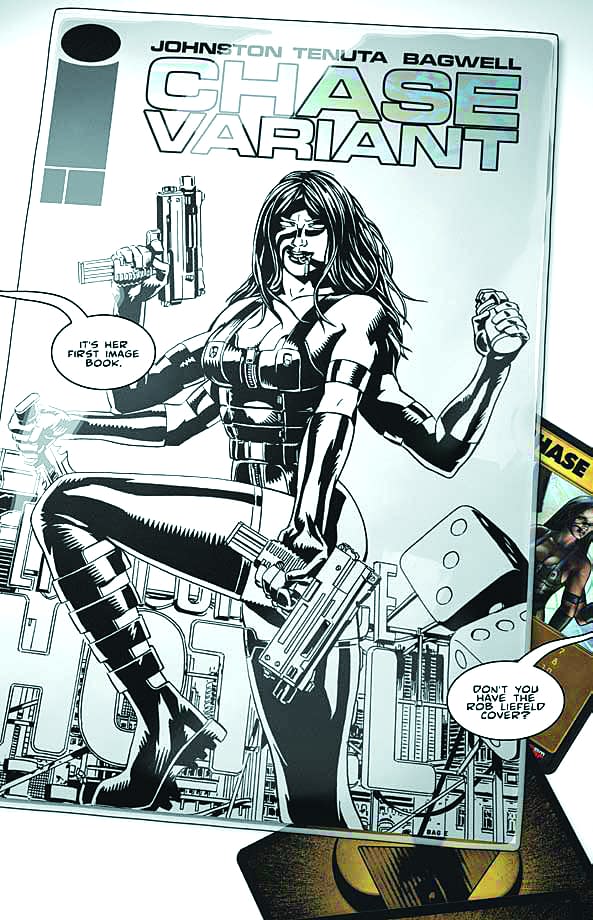
- Chase Variant #1 cover by Bagwell
-

- Chase Variant #1 cover by Rob Liefeld
Brevoort contrasted that "gold rush" period with today's landscape, where variants are normalised across publishers and driven by market feedback: "Today, the variant scenario is such that it's been around for so long. It's just a part of the economics of how everybody does business. And every company does variants; some do more, some do less. They all follow their internal ethos in terms of how much to do, how to make the best return on that, and what makes sense to them. And it's kind of an expected thing."
He emphasised personal choice and the absence of forced purchases, a key grievance from the 1990s when gimmick covers sometimes replaced standard ones and raised prices: "As long as you can get, for lack of a better term, a vanilla version of whatever comic it is that you want to read, then I think it's fine. And I think the people that love all of these different artists or different enhancements or different things can buy what they like, and the audience tells us what they want and what they don't want."
Brevoort shared his own buying habits as a reader: "I personally don't necessarily need all the variants of all the books, but there have certainly been variants that I've bought because I thought that one was cool. That's a nice piece of art. I like that. That's got a cool retro design to it or something that's got a wing or an enhancement that appeals to me… I do this every week. I put my Midtown Comics order in. And if I'm buying whatever DC book I might be buying that week, I always just default to buying the A cover. I don't even necessarily deep look and go, 'Well, what are all the covers on this issue of Batman?'"
He highlighted the self-correcting nature of the market: "As long as people have that choice, as long as you're not forced… Hopefully, over time, the idea is that the marketplace corrects itself: if you do too many or a bunch of things people don't want, retailers stop ordering them, and, by nature, you stop doing them because you can't sell them. And that works until something else comes up, and people like that one, and then there you go again. I just think it's a part and parcel of the whole thing. It's additive. It's a plus rather than instead of."
The discussion arrives amid ongoing retailer and fan conversations about variant incentive ratios, chase covers, and their role in propping up print orders in a shifting market. Brevoort's comments frame variants as a longstanding economic reality rather than a passing fad, one that, when handled with choice and restraint, can coexist with readers who prioritise the interior story over collectibility. Yeah, yeah, but I wonder what Bleeding Cool retailer columnist Rod Lamberti is going to say about that?
Enjoyed this? Please share on social media!



Stay up-to-date and support the site by following Bleeding Cool on Google News today!