
 About
About 


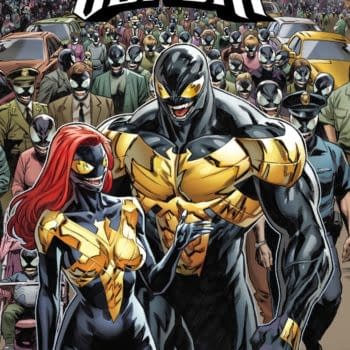
Marvel's Queen In Black September 2026 solicits and solicitations create a "Venomworld" for 2027
Posted in: Comics, Marvel Comics | Tagged: One World Under Doom, tom brevoort
Tom Brevoort Thinks One World Under Doom May Have Gone On Too Long
Tom Brevoort thinks One World Under Doom went on too long, and future Marvel events may be a little shorter
Article Summary
- Tom Brevoort admits One World Under Doom may have lasted too long and hints at shorter Marvel events ahead
- Marvel is continually learning from each crossover, adapting length and scale based on reader and industry feedback
- Brevoort highlights the challenge of balancing event impact across titles without overwhelming fans or creators
- Upcoming Marvel events like Death Spiral, Queen In Black, and Armageddon may use new structures and pacing
In a wide-ranging Word Balloon podcast interview, Marvel Executive Editor and SVP Tom Brevoort offered a rare, candid look at how the company learns from its major crossover events with host John Siuntres, and why the recent One World Under Doom, which dominated much of the Marvel Universe just shy of a year, might have benefited from being shorter.
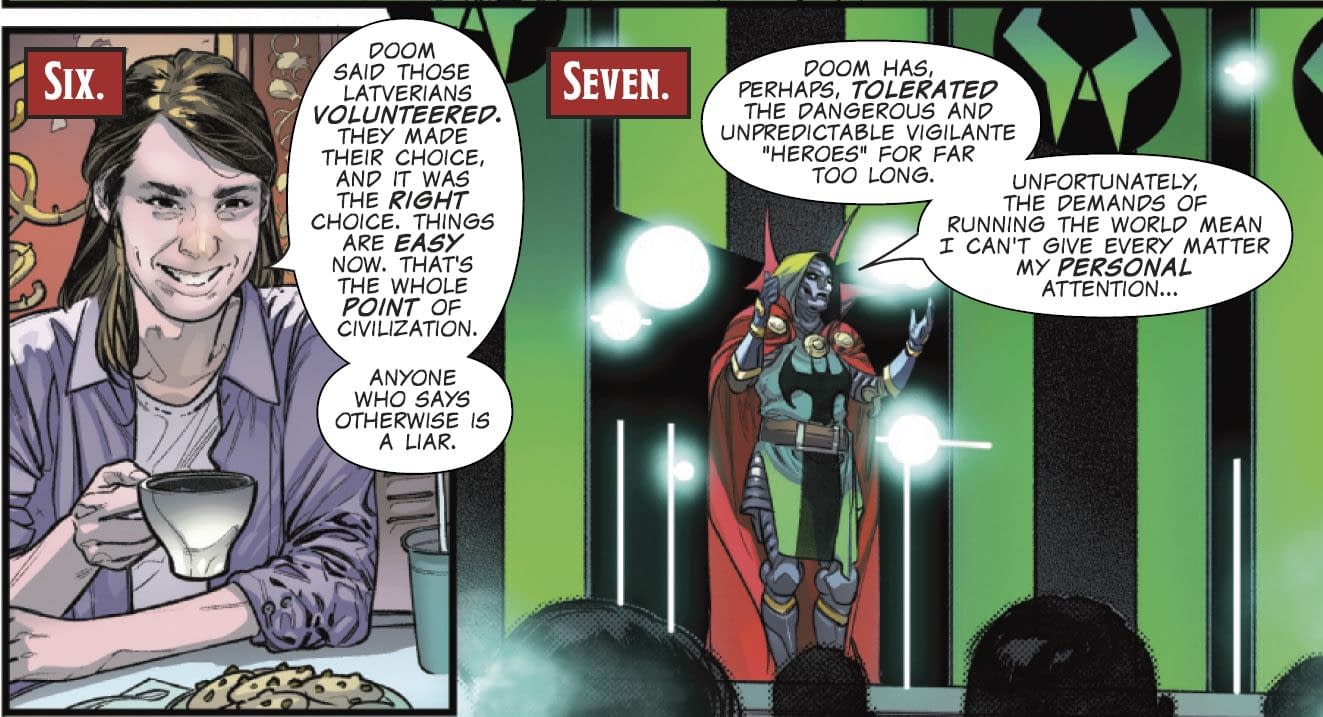
Tom Brevoort, who has edited more line-wide crossovers than anyone else at Marvel, from House of M and Civil War to the most recent Secret Wars and Avengers Vs. X-Men, and beyond, described an ongoing process of experimentation and adjustment in response to audience behaviour, economic realities, and creative outcomes. "I think at this point at certainly at Marvel and possibly for the industry, I've done more of these than anybody. I have the greatest number of line crossover comics in my resume, and, within that, some that are really great and hailed as classics and perennials, there are some that are forgotten, and there are some that are excoriated. Sometimes it's the same book in all three columns depending on who you talk to."
He stressed that each event builds on the lessons of the last. "So every time you kind of try to take the lessons of what you did and apply it to the next one. Also, the world is different now than it was 20 years ago. When we were doing something like a House of M or Secret Wars, uh, you could do an awful lot of tie-in books and have the expectation that a certain amount of the audience was going to want to read all of those books and was going to be financially able to read all of those books. And as times have gotten tighter, and belts have gotten tighter, maybe it's not the best idea in the world to go quite that deep, quite that far."
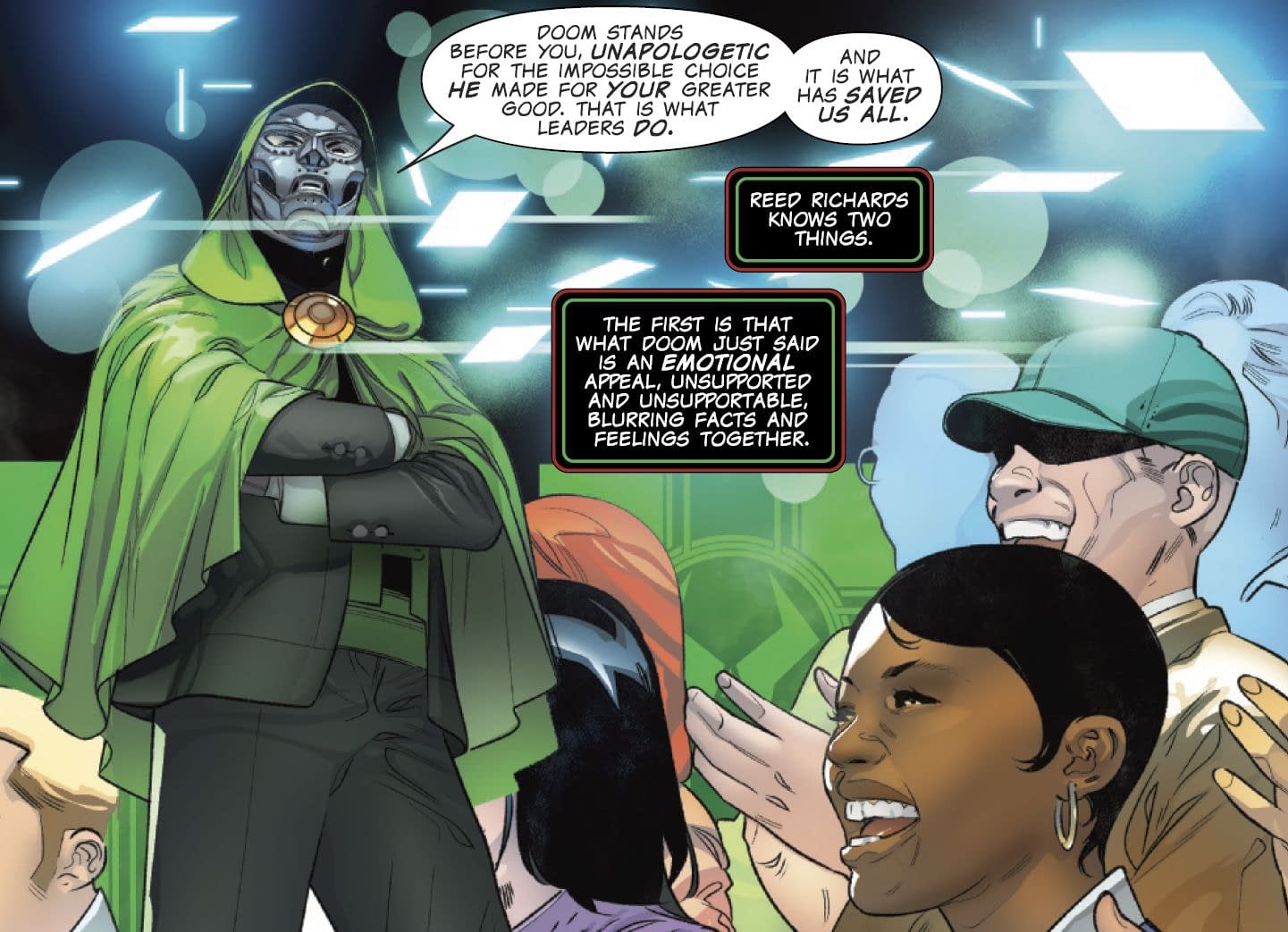
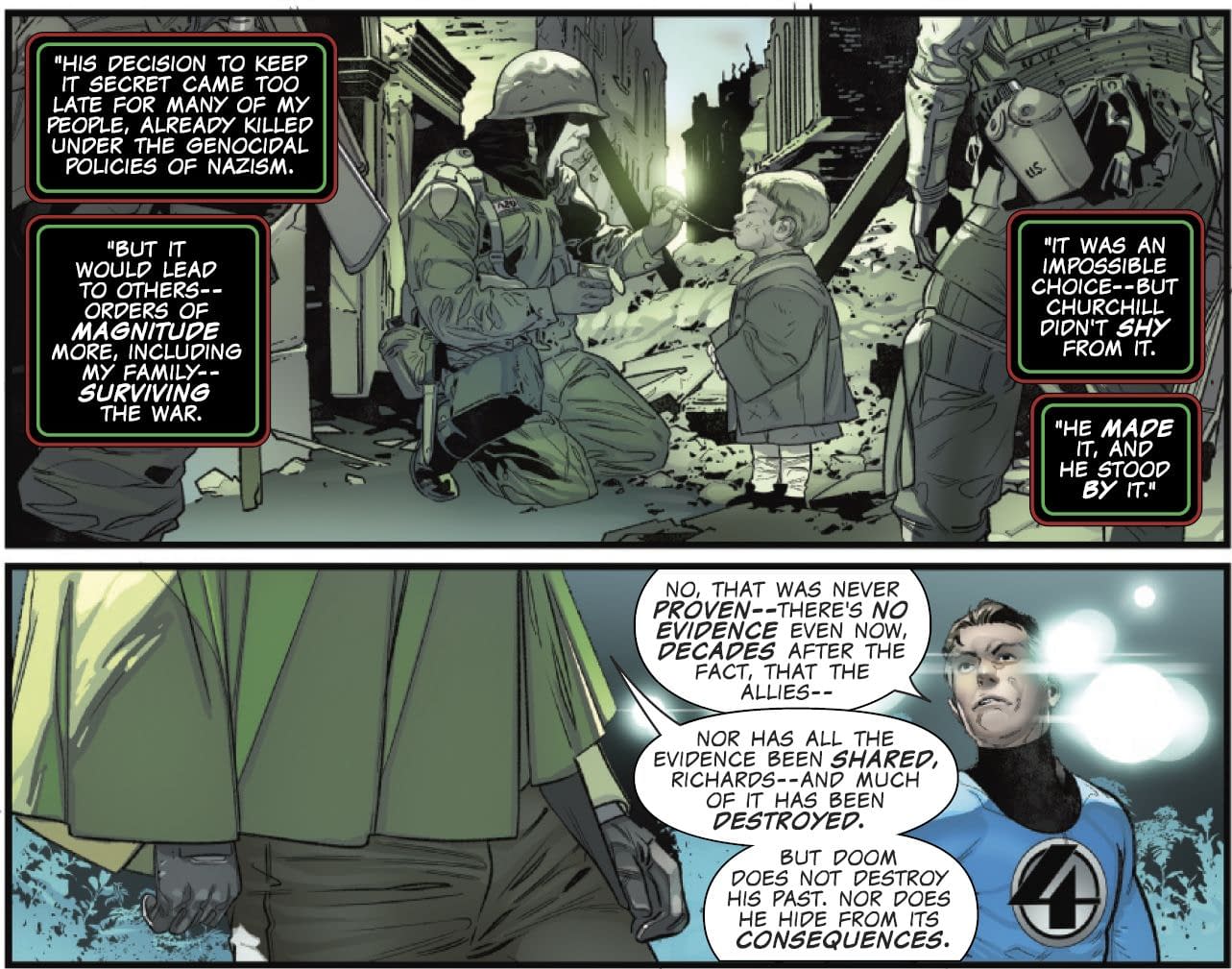
Brevoort pointed specifically to One World Under Doom, the extended Doom-dominated era written by Ryan North and R.B. Silva that ran across multiple titles from 2025 into 2026, as a recent case study in pacing. "One World Under Doom, while it was an event and it lasted in the Marvel universe for about 10 months, it impacted on books, but it didn't impact so much on every title every month. If you just wanted to read Daredevil, you weren't constantly being hit on the head with, well, Doom's running everything now, Daredevil's doing what he's doing, but you know Doom…. but hopefully there was enough of of that going on across the line, that that felt legitimate for that period. My sense coming out of that deliberately ran for a long while, and maybe we'd have been better off being a little shorter. I don't know. Um, possibly.
He described the push-and-pull of future planning in almost tactile terms: "So I'd kind of go into the next one going, maybe let's not do ten months, whatever the next one is, let's do eight months, maybe. And then that'll end up being too short, and the one after that will go, 'Well, maybe we should do nine months. Maybe nine months is the thing.' And that's sort of the push and pull of the taffy as you're as you're trying to figure these things out."
Brevoort also outlined the variety of structures Marvel has tried over the years, from single-creative-team drive to large ensemble baton-passes with multiple writers and artists, and noted that no one approach is definitive: "I've I think I've done these just about every way it's possible to do them, you know, with one writer and one artist. And they go through the whole thing together… There are ones where you do it with a team of people, a team of writers and a team of artists like Avengers versus X-Men… And then sometimes, you know, you do it with combinations of those things. You do them sometimes with a main story book that's called the Event, sometimes you do them in the pages just of the individual titles. And always you're kind of changing things up to not do exactly the same kind of thing that you did last time."
Ultimately, he emphasised that success boils down to intangibles beyond formulas: "So it's a constant experimentation and and and learning curve, but really it all comes, you know, at the end with what's the what's the story idea? Does it excite people? And do other creators, you know, want to play along and be a part of it and and and how much excitement can you generate around these things? How good are the ideas, how good is the execution of those ideas? And that's the part that's not maths. You can put your best effort forward and still not succeed. Or you can be running by the skin of your teeth and have a huge success because it just happens to be the right thing at the right time."
The comments arrive as Marvel solicits for spring and summer 2026 continue to roll out, with fans already speculating on the structure and length of whatever large-scale status-quo shift or event follows the current landscape. Brevoort's reflections underscore an editorial philosophy that treats each crossover as both a creative gamble and a data point for refinement. What will Death Spiral, Queen In Black and Armageddon bring them?
Enjoyed this? Please share on social media!



Stay up-to-date and support the site by following Bleeding Cool on Google News today!