
 About
About 

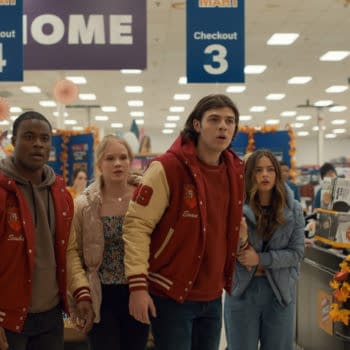
One of the stars of the popular 2023 slasher flick Thanksgiving says that the sequel will answer questions and raise the stakes.
Posted in: Movies, Warner Bros | Tagged: James McTeigue, v for vendetta, Warner Bros
V for Vendetta Director on Film vs Graphic Novel Differences
V for Vendetta director James McTeigue explains why the film changed key elements from the graphic novel, and what stayed true to the story.
Article Summary
- V for Vendetta director James McTeigue explains why the film changed major elements from the graphic novel
- Evey Hammond's character and V's complexity were both adapted to better suit the cinematic experience
- Certain graphic novel side plots and characters, like Helen Heyer and Creedy, were removed for the film
- The director aimed to capture the story's core themes while updating its tone for a modern audience
It has been nearly two decades since V for Vendetta hit theaters, but it is still a movie people come back to, whether it is for the Guy Fawkes imagery, the political edge, or the way the story keeps finding new relevance depending on when you watch it. And that staying power has also kept one debate alive in the background. Since the film was adapted from Alan Moore and David Lloyd's graphic novel, some established fans have long compared the two versions and asked what really needed to change when the story moved from the page to a feature-length runtime.
Recently, director James McTeigue spoke about that balancing act and how a few key characters and threads shifted along the way.

V for Vendetta Director on Determining What to Change
The filmmaker tells Screen Rant, "I think getting the right balance of V was an important thing to do. He's potentially a little crazier in the graphic novel, a little more nihilistic, I think. Evey required some changes. She goes on a bit of a different path in the graphic novel. And then there was some sort of blind alleys in the graphic novel also, like the whole Creedy character. I think there's the Helen Heyer character, which we didn't even put in. That was a whole C plot thing that was going on. But what we were trying to do was really get the essence and the authenticity of what the graphic novel was speaking to. I think they did a great adaptation of it."
Given the film's reputation with audiences, it is hard to argue that those choices broke the experience for most viewers. In fact, Rotten Tomatoes currently lists the movie at 73% with critics and 90% with audiences, and the consensus still describes it as visually striking, provocative, and entertaining even when its politics are pointed.
If you need a quick setup, V for Vendetta takes place in a near-future Britain ruled by a fascist regime. A masked vigilante known only as V launches a campaign against the state and pulls a young woman named Evey Hammond into his plans after saving her from the secret police. From there, V's attacks grow more public and more symbolic as he pushes the country toward a single showdown on November 5. The cast is led by Natalie Portman as Evey and Hugo Weaving as V, alongside Stephen Rea as Inspector Finch and John Hurt as Sutler.
Did you enjoy the film's take on the graphic novel, or do you still wish it had kept more of the book's extra side threads?
Enjoyed this? Please share on social media!



Stay up-to-date and support the site by following Bleeding Cool on Google News today!