

 About
About 
Comic Store In Your Future on Marvel Comics' Tom Brevoort, gimmicks, blind bags and variant covers uber alles
Posted in: Comics, DC Comics, Marvel Comics, Valiant | Tagged: blind bags, comic store in your future, coverwatch, tom brevoort, variants
Comic Store In Your Future On Tom Brevoort And Variant Covers
Comic Store In Your Future on Marvel Comics' Tom Brevoort, gimmicks, blind bags and variant covers uber alles
Article Summary
- Tom Brevoort explains why variant covers are now essential to Marvel and the wider comic book industry.
- Looking back at gimmick covers from the 1990s, including their rise, crash, and lasting impact on collecting trends.
- Speculation and shifting buyer habits drive publishers toward more variants, relaunches, and sales gimmicks today.
- With variants now overshadowing creative teams, questions arise about sustainability and the future of comics.
Marvel Executive Editor and Senior Vice President Tom Brevoort recently talked about how variant covers are now an established part of the comic book industry economy, and that they have been for years. He began by mentioning the neon-green cover of Hulk #377 from 1991, noting that it marked the start of a "gold rush" in sales.
"Today, the variant scenario is such that it's been around for so long. It's just a part of the economics of how everybody does business. And every company does variants; some do more, some do less. They all follow their internal ethos in terms of how much to do, how to make the best return on that, and what makes sense to them. And it's kind of an expected thing."
I believe that was, for the most part, more to do with nineties gimmick covers than variant covers. Everything from the red Fantastic Four #371 cover that looked like a piece of red plastic to even a "bullet" hole cover with a hole through the whole issue for Malibu's Protectors #5 in 1993.
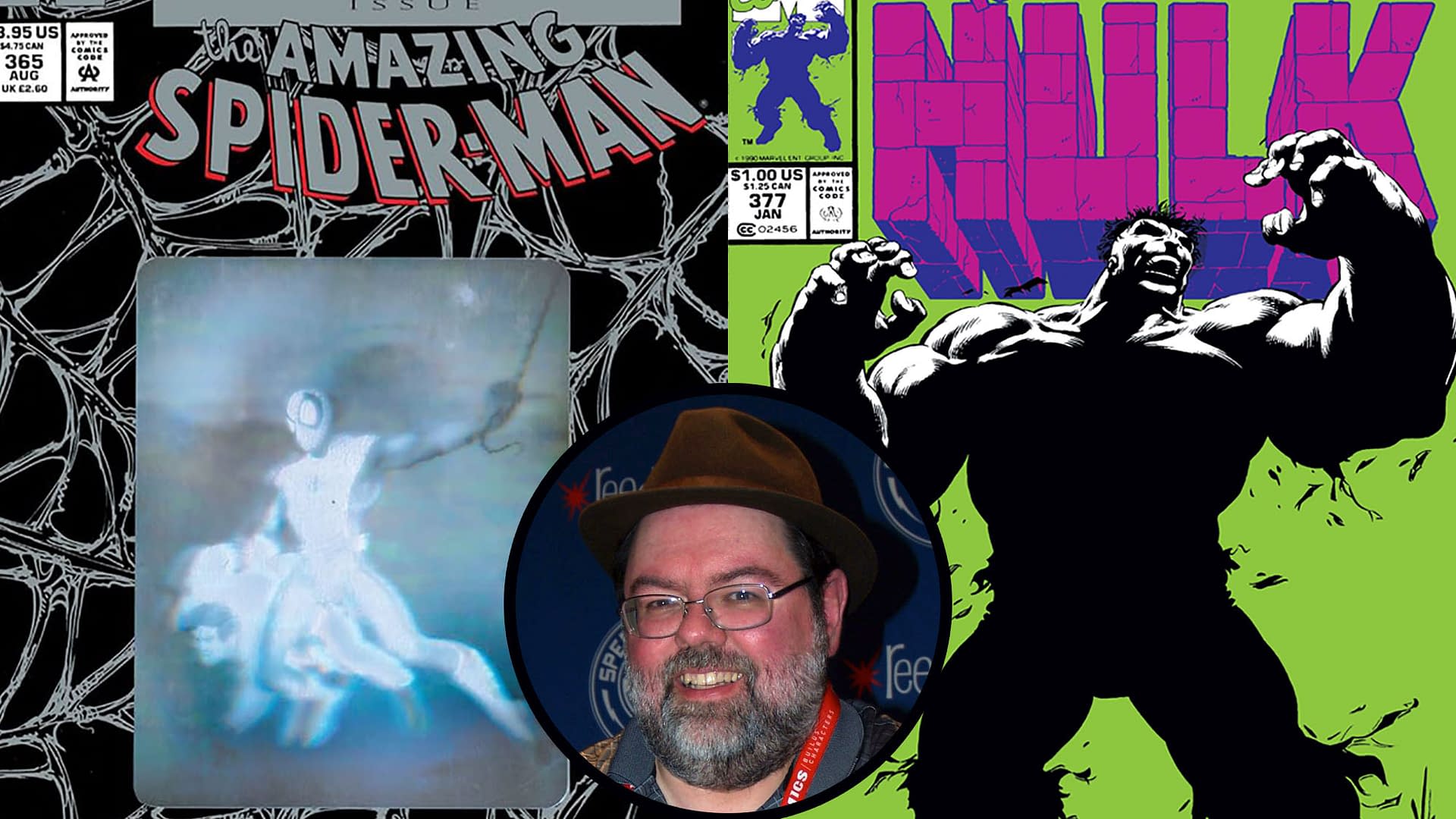
What is skipped over is Ninjak #1, with its chromium cover gimmick released in 1994, which marked the end of the "gold rush" and was among those blamed for the speculation boom going bust. These special gimmick-covered comics were being hoarded by speculators. I bought a collection years ago, and half a long box was filled with the other guilty party, Turok #1 foil covers from 1993, along with lots of other nineties foils. This was not a person who was interested in reading comics. The Turok #1s have been slowly going out the door, but it wasn't the big investment many had hoped for back then. And the gimmick covers died for a couple of decades.
I remember, at the time, being shocked at how quickly it felt to me, as a comic collector, that the gimmick covers went away. Comic collecting for me returned to "normal". One cover per title; I bought it hoping for a comic that would entertain me. For me, writing and art are equally important. If comics only needed art, then there would be no story, just one-shots, cover collections and swimsuit issues. The comic professional I keep up with the most currently is Geoff Johns; his writing entertains me, and he teams up with artists I also enjoy, such as Ivan Reis, Gary Frank, and Bryan Hitch. And when I first opened in 2010, comics were, for the most part, bought to be read. As time has gone on, more and more people have been buying comics to collect rather than read. The speculator market is growing, and again, some people have gotten upset with me. I totally get buying something for $5 and hoping to flip it for much more, but my line of thinking is always that my customers who read comics – or collect them to read them – have to come first. I can flip the comic book myself if I want to, and sometimes I do. If someone didn't preorder something and just wants it because it is now worth more money, more power to them, but I can put it online to sell it if that is the only reason someone wants it. Tom Brevoort said that variant covers are always fine…
"as long as people have that choice, as long as you're not forced… Hopefully, over time, the idea is that the marketplace corrects itself: if you do too many things people don't want, retailers stop ordering them, and, by nature, you stop doing them because you can't sell them. And that works until something else comes up, and people like that one, and then there you go again. I just think it's a part and parcel of the whole thing. It's additive. It's a plus rather than instead of."
-
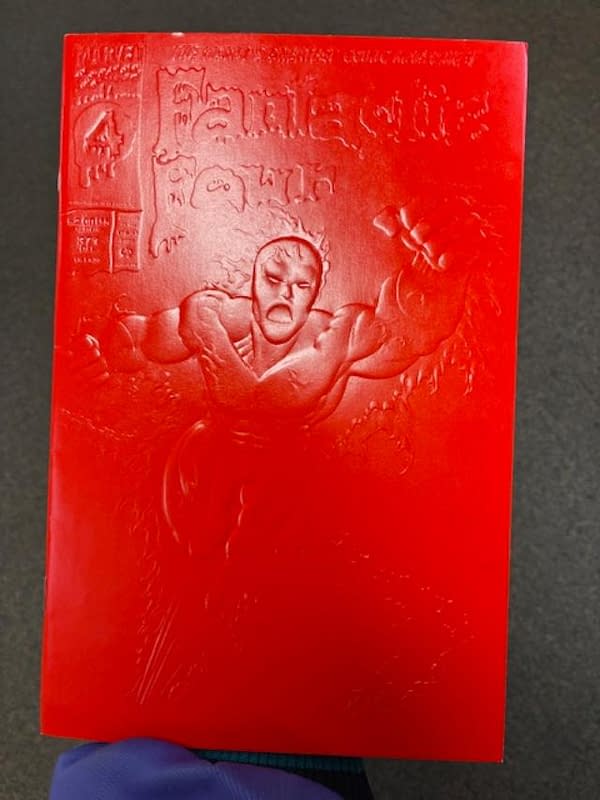
- Fantastic Four #371 / Rod Lamberti
-
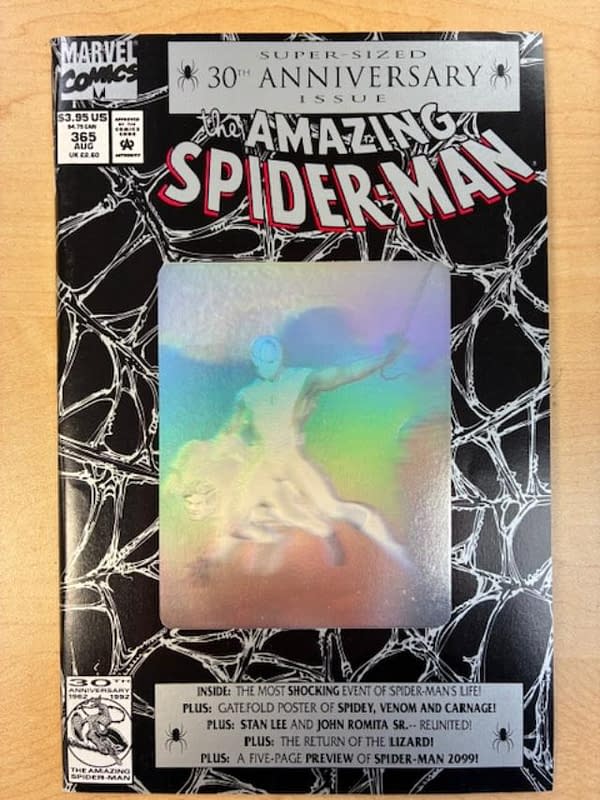
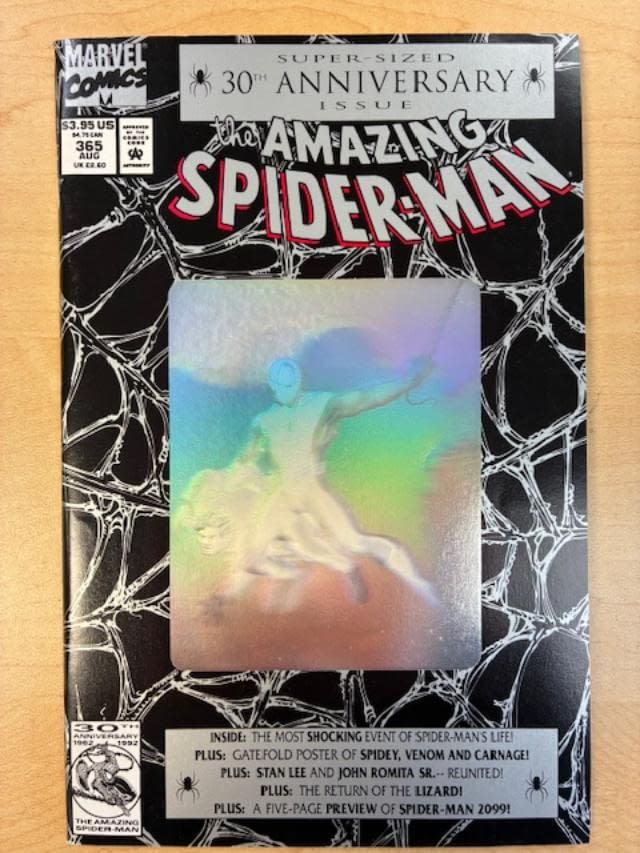
- Amazing Spider-Man #365 / Rod Lamberti
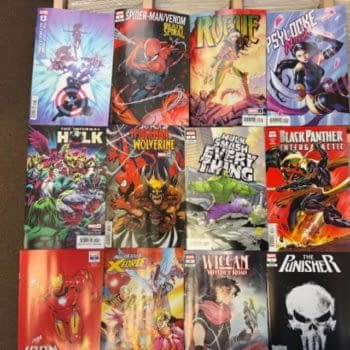
Again, I would bet that during the nineties boom, publishers thought that if it was selling and making money, they just had to keep doing it… until it all went bust in the nineties. But maybe Marvel no longer lets the market self-correct. Relaunching a cancelled comic book, again and again, stops the market from self-correcting. If a comic book is not selling? Just start it over with a new first issue, then cancel it again, and repeat. Variant covers and gimmicks are used more now than they ever were in the nineties. Blind bags for Daredevil #1 boosted sales a lot, but how badly will issue #2 fall in sales, and will it make it past #10? The writer Stephanie Phillips has big plans and great marketing, but if future issue sales don't match up to the promises that the first issue blind bag made, will it be allowed to, even if it is still making money for Marvel? Even Marvel's relaunched Star Wars ongoing monthly series featuring the classic Star Wars cast was cancelled after #10. Marvel couldn't even sell Star Wars at sustainable numbers for them. Iron Man, who is now more known than ever thanks to the movies, has been cancelled how many times? How badly is Marvel propped up by variants, gimmicks and relaunches (with even more variants and gimmicks) now?
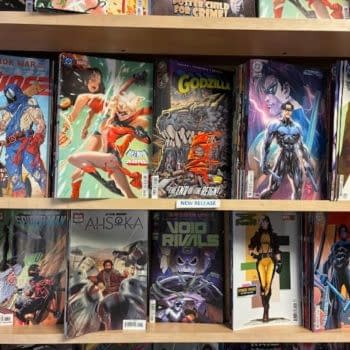
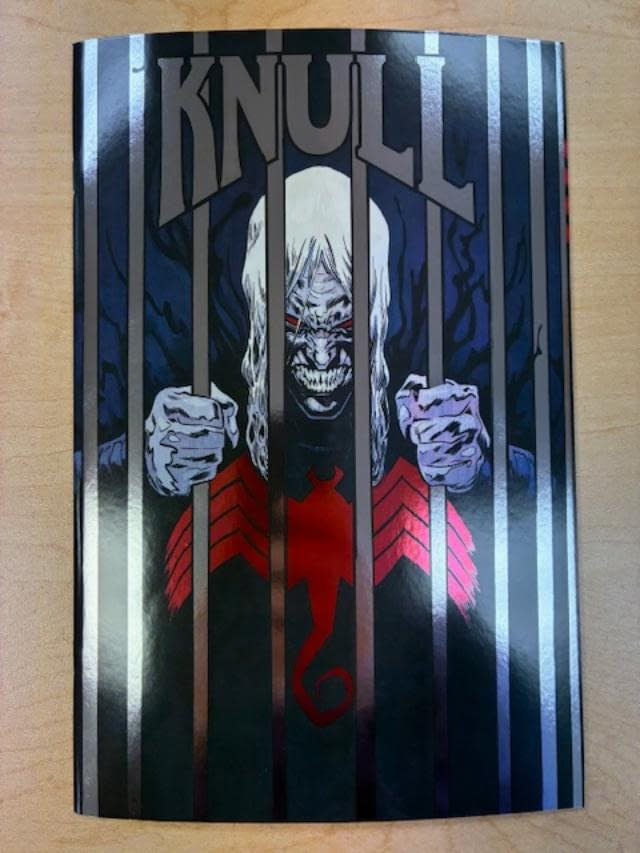
There are so many variants each month; are they starting to reach a downward tipping point? Is any variant really "special" if there are three or more variants of the same issue, every issue, every month? Creative teams now take a back seat when new or relaunched series are announced. The variants for the issue get more press than the creative team. Marvel Comics may not be the only publisher doing gimmicks and variants; DC Comics also does them for every issue now, including the cardstock versions, but they also have books like Catwoman, Poison Ivy, Nightwing and Harley Quinn, which managed to be sustained without a relaunch and all the added variants and gimmicks that come with them. Those who forget the past are doomed to repeat it. And you end up with… Knull points, Tom Brevoort.
Enjoyed this? Please share on social media!



Stay up-to-date and support the site by following Bleeding Cool on Google News today!