
 About
About 
The scheduled trial in the WWE-Endeavor merger lawsuit has been canceled. No settlement confirmed. McMahon, Khan & Levesque were to testify.
Posted in: AEW, Sports, TV | Tagged: AEW Dynamite, Darby Allin, recaps, wrestling
How AEW Dynamite: Spring Breakthru Proved Wrestling Still Has a Soul
AEW Dynamite: Spring Breakthru delivered a historic night capped by Darby Allin's world title win, proving AEW remains the home of authentic professional wrestling.
Article Summary
- Darby Allin defeated MJF to win the AEW World Championship in a historic Spring Breakthru main event.
- Kevin Knight retained the TNT Title and Willow Nightingale survived Kamille in a gritty TBS Championship match.
- Compelling backstage segments advanced rivalries involving Omega, Ospreay, Moxley, and the Don Callis Family.
- Spring Breakthru delivered a masterclass in long-form storytelling, proving AEW remains wrestling's creative gold standard.
There is a particular species of television moment that cannot be manufactured in a writer's room, focus-grouped into existence, or engineered through algorithmic optimization. It is the moment when the accumulated weight of years of storytelling, genuine performer investment, and audience emotional participation converges into something that transcends the medium's inherent artifice and becomes, however briefly, something real. AEW Dynamite: Spring Breakthru, broadcast live from the Angel of the Winds Arena in Everett, Washington, on April 15, 2026, produced such a moment when Darby Allin defeated Maxwell Jacob Friedman for the All Elite Wrestling (AEW) World Championship in a main event that will be discussed, dissected, and celebrated for years to come.

But to focus exclusively on the main event, however transcendent, would be to do a disservice to an episode of television that functioned, from its opening segment to its closing confetti, as a comprehensive demonstration of what professional wrestling can be when the people making it actually love the art form they are practicing. AEW Dynamite: Spring Breakthru was not merely a good show. It was a thesis statement.
The Opening Gambit: MJF, Allin, and the Art of the Delayed Main Event
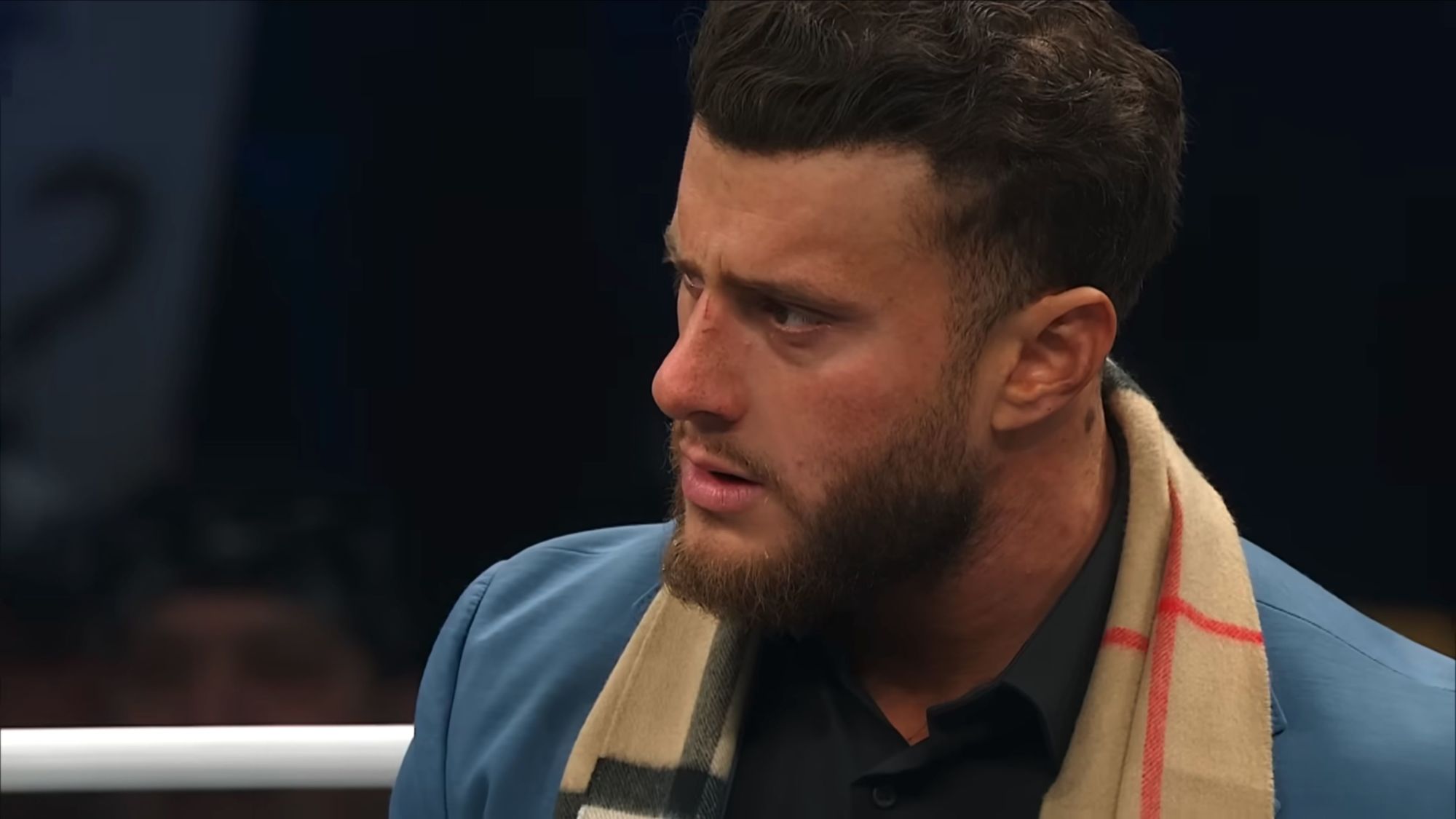
The evening commenced not with a match but with a masterclass in character work, as AEW World Champion MJF arrived at the arena apparently unaware that his title defense had been scheduled. Renee Paquette, stationed for the interview, reported that AEW officials had been attempting to contact MJF throughout the day without success, a detail that immediately established the champion's characteristic combination of arrogance and avoidance. When Don Callis approached to offer congratulations on MJF's retention over Kenny Omega at AEW Dynasty and to apologize for Andrade El Ídolo's failure to prevent Allin from earning his title shot, MJF revealed he had not even watched that match, so consumed was he with his own main event preparations.
The revelation that Allin had elected to cash in his title opportunity that very evening, and that the match was scheduled to begin immediately, produced a genuinely delightful sequence of increasingly desperate stalling from MJF. His march to ringside with microphone in hand, his threats of litigation against Tony Khan, AEW, Warner Bros. Discovery (WBD), and indeed every fan in attendance, his complaints of a suspiciously convenient back injury — all of it was heel craft of the highest order, the kind of extended character performance that requires both creative freedom and the confidence that the audience possesses the intelligence to appreciate the nuance.
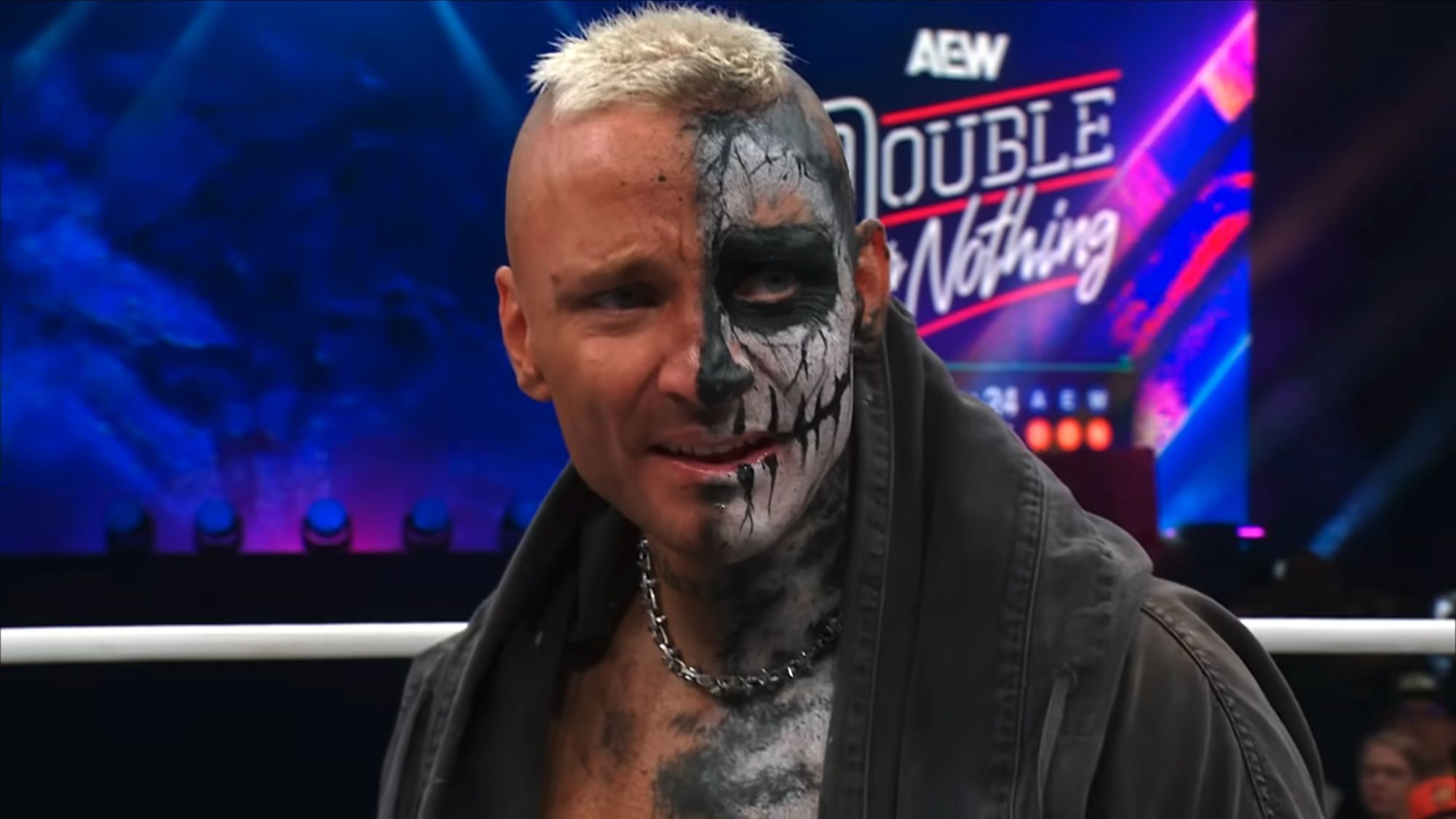
What elevated the segment from excellent to extraordinary, however, was Allin's response. When MJF attempted to dismiss Allin as unworthy of championship consideration, Allin seized the microphone and delivered what may have been the most compelling promo of his career. His declaration that he had begun his wrestling training ten miles from the very arena in which they stood, his invocation of the posters he had hung around the city, his reference to his ascent of Mount Everest — these were not scripted talking points delivered with rehearsed cadence. They were the words of a performer articulating something genuinely personal, and the distinction was palpable.
The segment reached its apex when Bryan Danielson, rising from the commentary desk, relayed a message from Khan that the championship match would take place in the evening's main event, and that MJF's refusal would result in being stripped of the title. The creative architecture here was impeccable: the delayed gratification of the main event gave the audience an entire evening to marinate in anticipation while the show filled its remaining hours with substantive content that justified the wait. This is storytelling that respects its audience. It does not insult them with instant gratification or manufactured urgency. It trusts them to stay invested, and that trust was rewarded handsomely.
Omega, Ospreay, and the Emotional Infrastructure of Long-Term Storytelling
A backstage segment between Omega and Will Ospreay, both nursing the physical and psychological wounds of their respective losses at Dynasty, provided one of the evening's most quietly affecting moments. The scene found both men in the medical room, commiserating over defeats that had clearly exacted significant emotional tolls. Ospreay's recollection of watching Omega lose to Kazuchika Okada at the Tokyo Dome in 2017, and his insistence that Omega possessed the heart to climb back to the summit, was a sequence that drew upon nearly a decade of real professional wrestling history to create something that felt genuinely intimate.

Omega's initial resignation — his admission that he felt he had let everyone down, his suggestion that he might not have the time remaining to mount another championship campaign — was rendered with a vulnerability that is exceedingly rare in professional wrestling television. When Ospreay told Omega, "You're my hero," and Omega, alone after Ospreay's departure, murmured to himself that perhaps he could not give up after all, the moment landed with the kind of emotional specificity that only arrives when performers are permitted to inhabit their characters rather than merely recite dialogue assigned to them.
This is what creative freedom produces. Not chaos, not self-indulgence, but the space for performers to find authentic emotional truths within the framework of serialized storytelling. The Omega-Ospreay segment on AEW Dynamite: Spring Breakthru was not advancing a match announcement or setting up a commercial transaction. It was doing something far more valuable: it was making the audience care about two human beings and their shared investment in the craft they have devoted their lives to practicing.
Tommaso Ciampa vs. Dezmond Xavier: Violence With Purpose
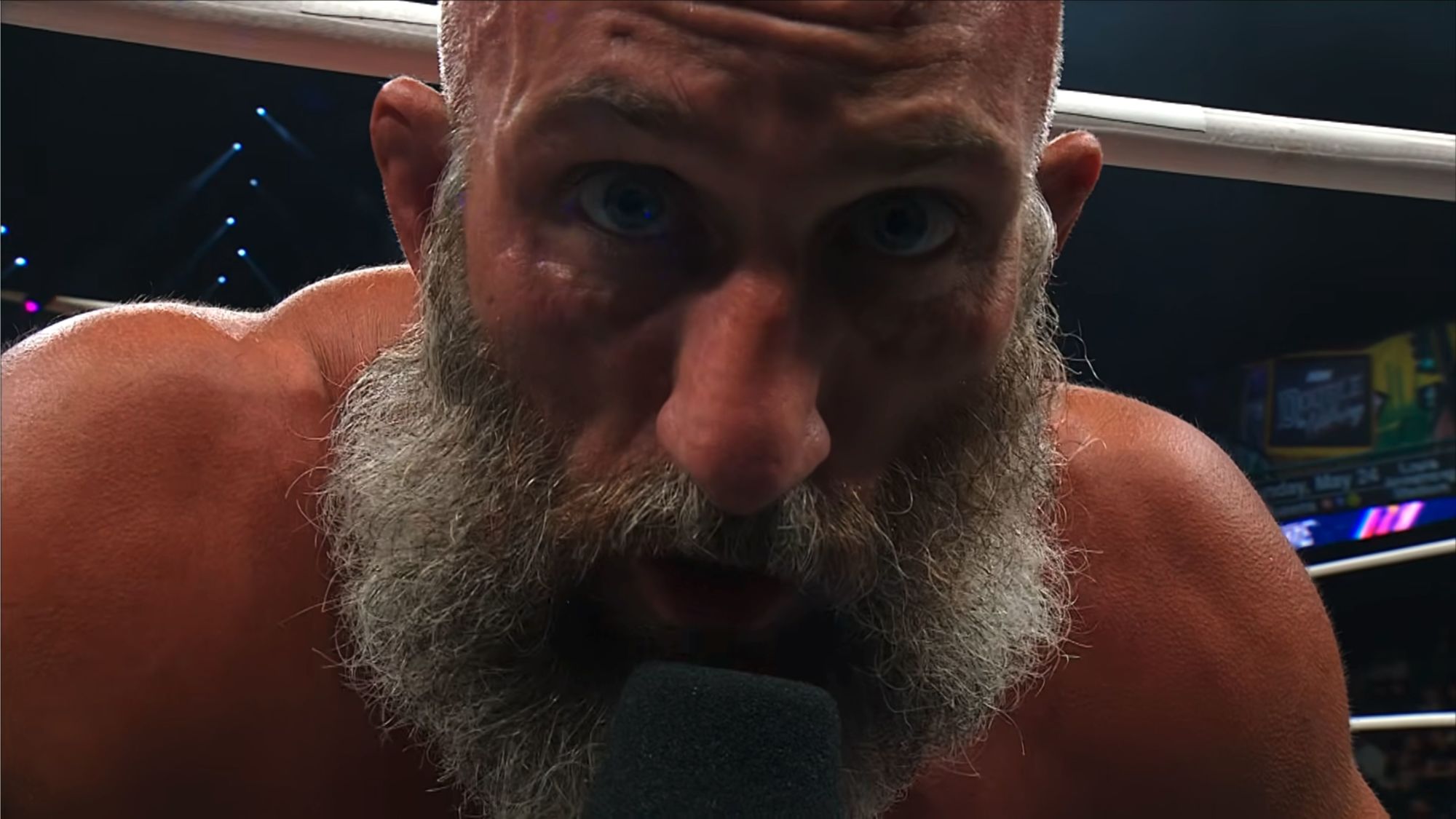
The evening's opening contest pitted Tommaso Ciampa, the self-styled "Psycho Killer," against Dezmond Xavier of The Rascalz, and it served as a compelling illustration of AEW's commitment to presenting a diverse array of wrestling styles within a single broadcast. Ciampa's methodical brutality, his deliberate deceleration of the match's pace, his willingness to grind Xavier down through physical attrition, stood in sharp contrast to Xavier's explosive athleticism and aerial innovation.
Xavier acquitted himself admirably, connecting with a tornado DDT, a frog splash, and a spectacular dive to the exterior that demonstrated precisely why The Rascalz have earned their devoted following. His near-fall off a reversal of Ciampa's Project Ciampa finisher into a pin attempt was a genuinely thrilling moment of competitive drama. Ultimately, however, Ciampa's relentless physicality proved decisive. After connecting with Project Ciampa on his second attempt, Ciampa delivered an unnecessary but characteristically vicious bicycle knee to Xavier's prone form before securing the pinfall.
Ciampa's post-match promo, in which he declared his intention to pursue the AEW World Championship regardless of the main event's outcome, accomplished the essential creative task of establishing future narrative threads while simultaneously punctuating the evening's opening contest with a sense of consequence. This was not a disposable television match. It was a chapter in an ongoing story, and it was presented as such.
FTR: The Art of the Insufferable Champion
AEW World Tag Team Champions FTR — Dax Harwood and Cash Wheeler, accompanied by their associate Stokely "Stoke" Hathaway — delivered a promo segment that demonstrated the considerable pleasures of heelwork executed with intelligence and specificity. Harwood's dismissal of the audience's affection for underdogs as merely identification with "losers," Stoke's appropriation of the David and Goliath narrative to cast FTR as the perpetually triumphant giant, Wheeler's mock memorial for the careers of Adam "Cope" Copeland and Christian Cage — each beat was calibrated to provoke maximum indignation while remaining grounded in the internal logic of the characters.
The segment's concluding flourish, in which FTR posed for ten seconds for "flash photography" before waving goodbye to the audience, was the kind of gloriously campy showmanship that professional wrestling, at its best, embraces without apology. It was theatrical. It was absurd. It was, in the most fundamental sense of the word, entertaining. And it required no corporate mandate, no scripted verbiage, no production meeting to approve. It required only performers who understand their characters and an organization willing to let them work.
Kevin Knight Defends the TNT Championship: A Star Ascending
The TNT Championship match between newly crowned champion Kevin "The Jet" Knight and Claudio Castagnoli of the Death Riders was, by any reasonable standard of evaluation, a superb professional wrestling match that served the dual purpose of legitimizing Knight's nascent championship reign while showcasing the extraordinary physical capabilities of both competitors.

Knight's strategy of pursuing quick pin attempts in the early going — a sunset flip, a backslide, each producing a two-count — established both his intelligence as a competitor and the underlying competitive tension that would sustain the match through its duration. Castagnoli's response, employing his considerable size and strength advantage to repeatedly power Knight to the mat, created a compelling dynamic of speed versus force that never felt formulaic.
The match's centerpiece sequence, in which Castagnoli blocked a hurricanrana attempt and deadlifted Knight from the mat to carry him back up to the second rope for an attempted avalanche Neutralizer, was a breathtaking display of physical prowess that elicited an audible gasp from the Everett crowd. Knight's escape and subsequent recovery demonstrated the improvisational athleticism that has made him one of the most exciting performers in professional wrestling.
Knight's victory, secured via a twisting lariat from the top rope followed by his signature UFO Splash, was the correct creative decision executed at the correct moment. His post-match promo, in which he paid respect to Castagnoli's striking power while playfully floating the concept of "Jet 2 Belts," established Knight as a champion with both competitive credibility and the charisma to sustain a meaningful title reign. His acknowledgment of losing the AEW World Trios Titles before winning the TNT Championship, and his message to tag team partner Mike "Speedball" Bailey that "sometimes when one door closes, another opens," added a layer of interpersonal texture that enriched the moment considerably. This is what it looks like when a promotion invests in building new stars rather than recycling established commodities in perpetuity.
Jericho, Ricochet, and The Demand: Heat That Matters
The Jericho interview segment, which transitioned into a confrontation with Ricochet and his faction The Demand, operated on multiple narrative frequencies simultaneously and demonstrated the kind of layered storytelling that rewards attentive viewership.
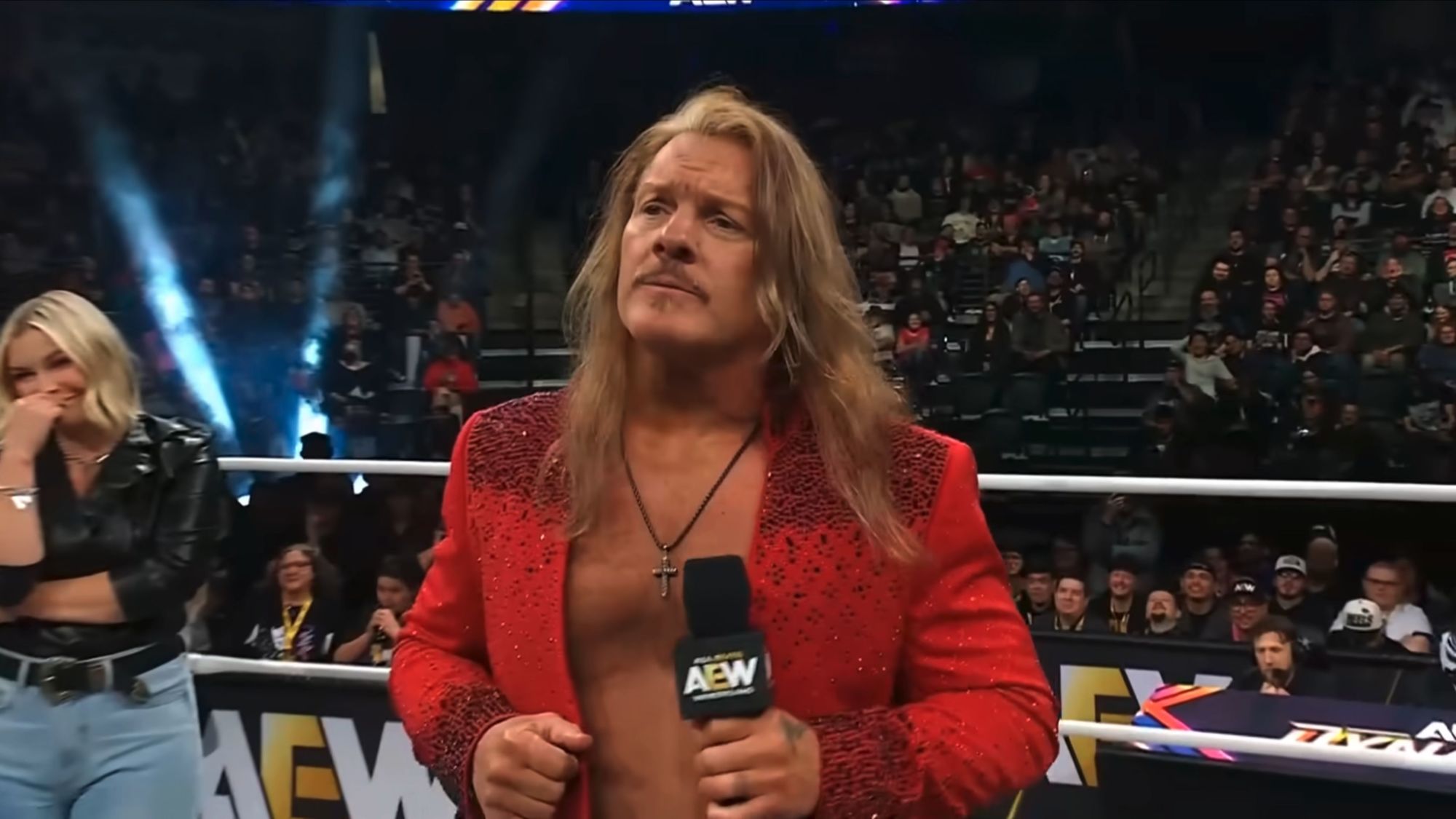
Chris Jericho's assertion that his Dynasty loss to Ricochet resulted not from ring rust but from a three-on-one numerical disadvantage established both a legitimate grievance and a clear path toward future confrontation. Ricochet's entrance, accompanied by the Gates of Agony (GOA) members Bishop Kaun and Toa Liona, was met with the kind of visceral audience hostility — the "BALD" chants were particularly inspired — that indicated genuine investment in the rivalry.
The exchange between the two was a study in contrasting heel methodologies. Ricochet's suggestion that Jericho "stick around" because "this could be the best run of his entire career" — the implication being that Jericho's value lies exclusively in being defeated — was a provocation of considerable sophistication. Jericho's counter, weaving bald references into his challenge with the impish delight of a man who has been doing this for over three decades, was a reminder that few performers in the history of the medium possess Jericho's preternatural ability to calibrate tone.
The subsequent beatdown, with GOA overwhelming Jericho despite his best efforts to fight back, culminating in the Open the Gates team finisher and Ricochet's "Ricosault" — his appropriation of Jericho's own Lionsault — accomplished the essential dramatic function of generating sympathy for Jericho while establishing The Demand as a credible collective threat. The segment left the audience wanting more, which is the most valuable thing any wrestling segment can do.
Takeshita's Fracture: The Don Callis Family Begins to Crack
A brief but narratively significant backstage segment revisited the aftermath of Dynasty, where Konosuke Takeshita's response to Don Callis and AEW International Champion Kazuchika Okada regarding their loss to the Young Bucks revealed deepening fissures within the Don Callis Family. Takeshita's mocking apology to Okada — "It was an accident, oops. I'm so sorry" — carried the unmistakable weight of a man whose patience with his faction's leadership has been exhausted.

The segment lasted perhaps thirty seconds. It required no elaborate production or celebrity endorsement. It advanced a story that has been building for months through a single line of dialogue delivered with perfect sardonic precision. This is efficient storytelling, the kind that trusts its audience to read subtext and remember context without being bludgeoned over the head with exposition.
Ospreay vs. Hechicero: Global Excellence, Personal Stakes
The non-title encounter between Ospreay and Consejo Mundial de Lucha Libre (CMLL) World Heavyweight Champion Hechicero, presented under the banner of the Don Callis Family's machinations, was the kind of match that justifies AEW's existence as a platform for the global art of professional wrestling.
Hechicero, introduced by Callis with his customary broken-Spanish fanfare, is a performer whose technical vocabulary draws from the deep traditions of lucha libre in a manner that is distinct from, and complementary to, the high-flying aerial style more commonly associated with the genre in North American consciousness. His methodical dismantlement of Ospreay's injured neck and shoulder — the targeted kicks, the submission holds, the calculated strikes to compromised anatomy — represented the "Mad Scientist of Professional Wrestling" moniker in its fullest expression. This was not a generic big-man-beats-up-smaller-man heat segment. It was a technically specific, anatomically precise campaign of destruction executed by a master of his craft.
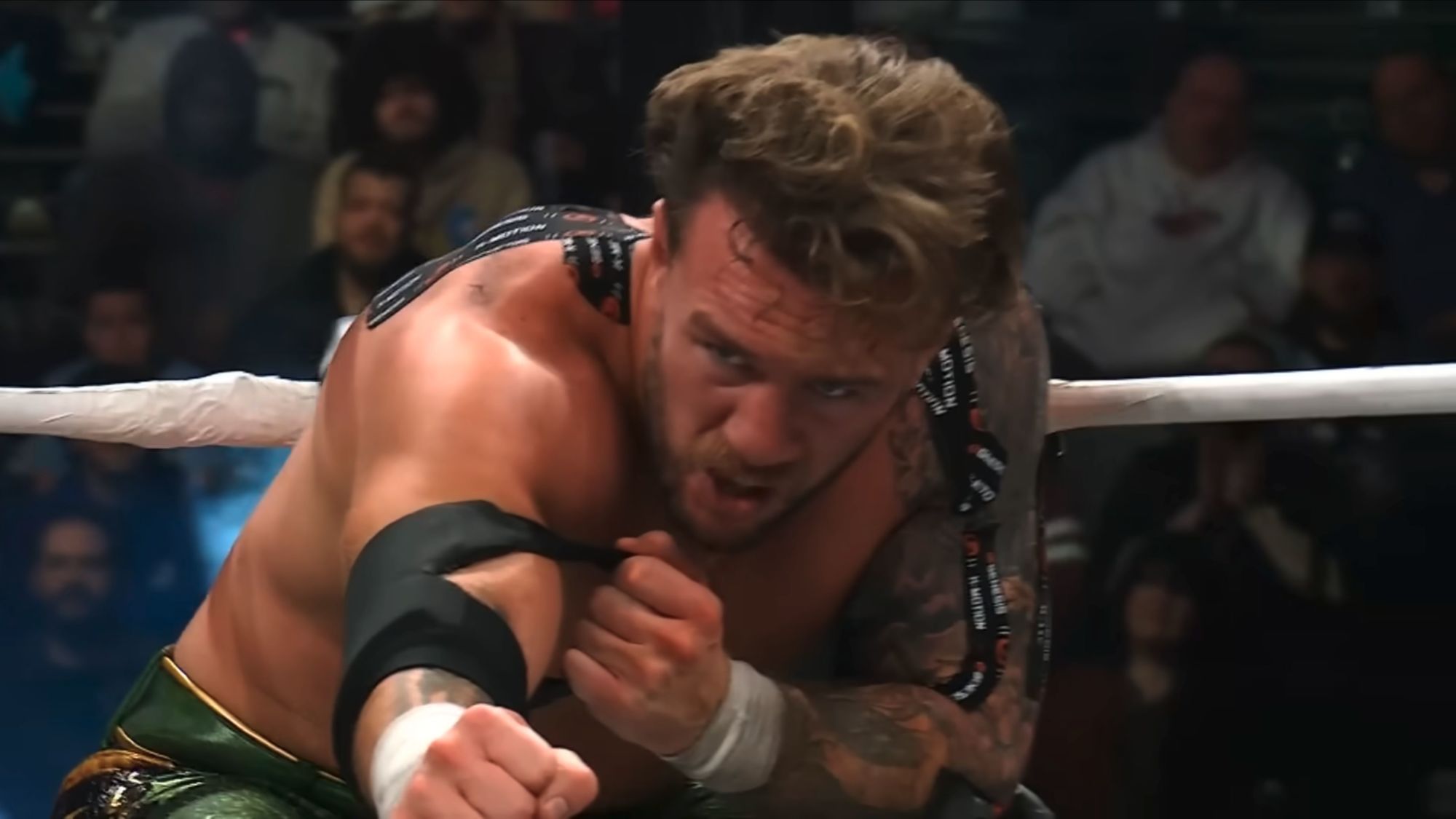
Ospreay's performance, meanwhile, was a study in competitive resilience rendered all the more compelling by the visible physical toll of his Dynasty match against AEW Continental Champion Jon Moxley. His reliance on rope breaks to escape submission holds — a rarity for a performer of Ospreay's pride, as Danielson astutely noted on commentary — communicated vulnerability without dialogue. When he ultimately rallied, connecting with a one-armed Styles Clash out of a triangle choke before delivering the Hidden Blade for the pinfall victory, the triumph felt proportional to the struggle that preceded it.
The post-match attack by Mark Davis, a former teammate and friend who has aligned himself with the Don Callis Family, added a devastating emotional punctuation mark. Davis's Close Your Eyes and Count to Three, delivered to Ospreay's already-compromised neck, was not merely a physical assault. It was a betrayal, and it landed with the kind of emotional force that only arrives when relationships between characters have been established with sufficient depth over sufficient time. This is wrestling that recognizes the medium's global heritage, featuring a British performer, a Mexican champion, and an Australian attacker on an American television program, while grounding its international flavor in personal, emotionally specific storytelling.
The presence of Marina Shafir watching from the barricade, observed by Ospreay during the match, added yet another layer of intrigue, further connecting the evening's disparate narrative threads into a cohesive whole.
Thekla, Alex Windsor, and Wrestling With Personality
AEW Women's World Champion Thekla's interruption of Paquette to promote her Dynasty victory over Jamie Hayter was a masterwork of obnoxious heel charisma. Her dismissal of the entire women's division as "dumb bitches" was precisely the kind of provocative, boundary-testing character work that generates genuine emotional responses rather than polite corporate applause.
The confrontation with Alex Windsor, the New Japan Pro-Wrestling (NJPW) Women's Strong Champion, escalated with satisfying narrative logic. Windsor's reminder that Thekla had been "fired" in Japan, and Thekla's momentary denial followed by a candid admission — "I only got fired because they couldn't handle Thekla" — was a comedy beat that revealed character while advancing a championship challenge for the following evening's edition of AEW Collision. The attempted ambush by Skye Blue and Julia Hart, quickly repelled by Windsor, established faction dynamics and competitive stakes without requiring a single match to be wrestled. The entire segment accomplished more storytelling in five minutes than certain promotions manage in five hours.
Moxley and the Death Riders: Menace in Economy
Moxley's backstage segment with Daniel Garcia and Wheeler Yuta was a study in the construction of menace through understatement. His observation that Ospreay "showed his cards" and therefore Moxley bears no responsibility for the consequences, his philosophical musing that "you don't get light without darkness," his dismissive unfamiliarity with Nick Wayne — each element contributed to the portrait of a man who views professional wrestling not as entertainment but as a Darwinian ecosystem in which sentimentality is a fatal weakness.

His parting instruction to Wayne — "This is Continental Rules. This is adult stuff for grown-ups, so leave your mom in the back, please" — was delivered with the casual cruelty of a man who does not need to raise his voice to be terrifying. Moxley remains one of the most compelling characters in professional wrestling precisely because AEW affords him the creative latitude to find his own rhythms and articulate his own worldview rather than delivering pre-approved corporate messaging.
Willow Nightingale vs. Kamille: Resilience as Narrative Engine
The TBS Championship match between defending champion Willow Nightingale and the returning Kamille was a physical contest built around a single, clearly communicated narrative premise: Nightingale was injured, Kamille intended to exploit that injury, and the question was whether Nightingale's determination could overcome her compromised physical condition.
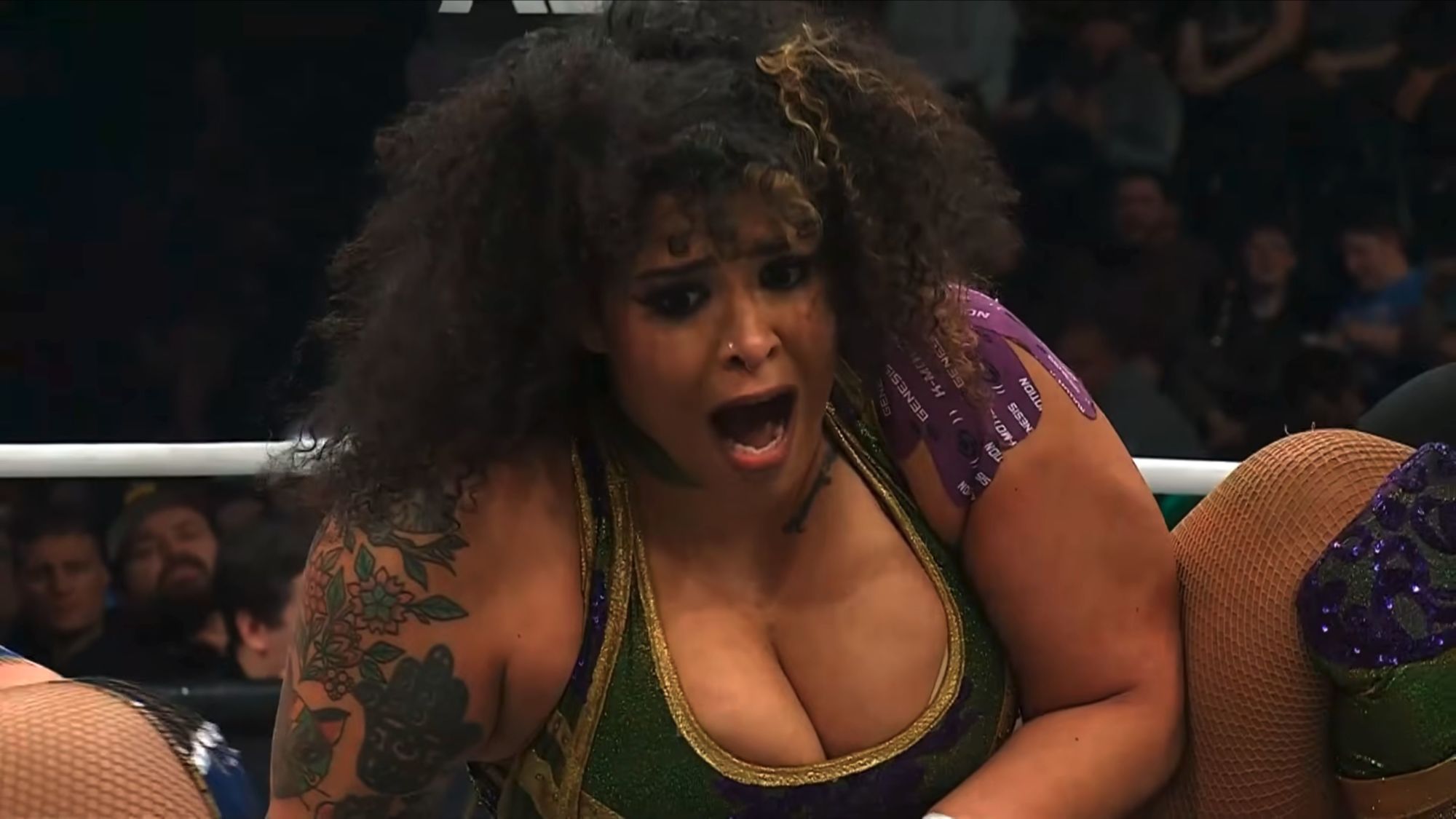
Kamille's methodical targeting of Nightingale's shoulder, established through arm wringers, rope-assisted joint manipulation, and a cross armbreaker that threatened to end the match via submission, was executed with the kind of focused heel offense that makes championship matches feel consequential. Nightingale's rallies — particularly a thunderous POUNCE that sent Kamille careening across the ring — were rendered all the more impactful by the sustained periods of punishment that preceded them.
The finish, a deep backslide executed with the desperation of a champion fighting on one arm, was a perfect encapsulation of Nightingale's character: resourceful, resilient, and unwilling to surrender regardless of the physical cost. It was not a dominant victory. It was a survival, and within the context of the story being told, survival was the most satisfying possible outcome. The subsequent backstage segment, in which Hikaru Shida somewhat insincerely congratulated Nightingale while announcing another tag team pairing with Kris Statlander, layered additional intrigue upon the women's division landscape with characteristic subtlety.
The Main Event: A Career Fulfilled
And then there was the main event.
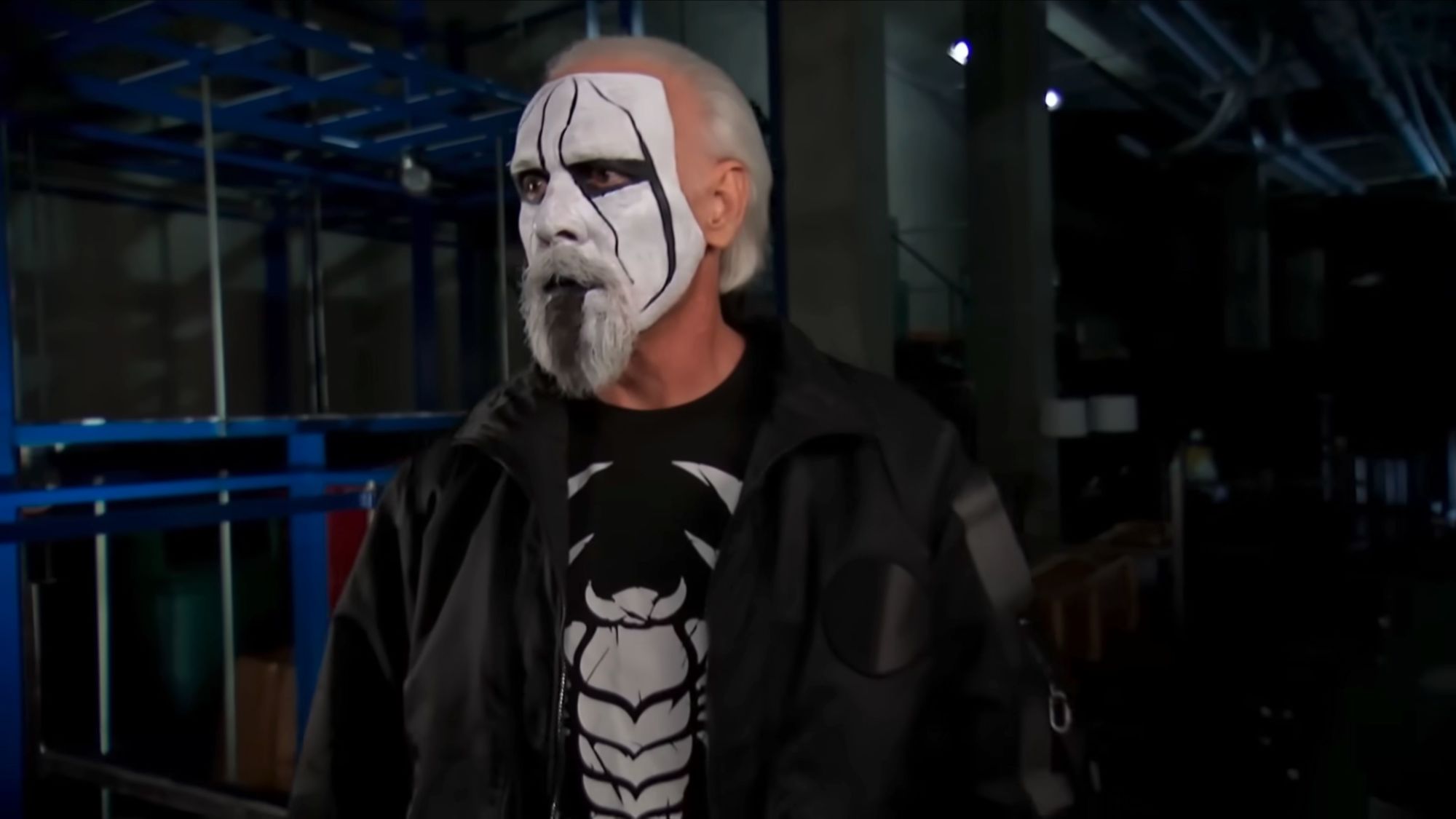
The pre-match sequence alone would have justified the price of admission — if, indeed, there were a separate price of admission for a program included with one's existing cable or streaming subscription, a model that ensures accessibility rather than treating major moments as premium-priced commodities available only to those willing to pay supplemental fees. Allin's encounter with Sting in the backstage corridor was the kind of moment that cannot be fabricated. Sting's refusal to offer strategic advice — "No! You already know what to do, now get out there and do it!" — followed by his correction of Allin's "It's showtime" with the emphatic "It's your time!" carried the emotional weight of a genuine mentor-protégé relationship that has been developed over years of shared television history.
The match itself was a masterpiece of narrative construction disguised as competitive chaos. MJF's attempt to call a "timeout" — a concept that does not exist in professional wrestling, a detail that is precisely the sort of absurdist character beat that makes MJF one of the most entertaining performers alive — created the opening for his low blow to Allin while referee Aubrey Edwards was distracted with the Dynamite Diamond Ring. Allin's retaliatory low blow, an eye-for-an-eye response that the Everett crowd received with unbridled jubilation, established the moral framework of the contest: if MJF was willing to cheat, Allin was willing to meet him on those terms.
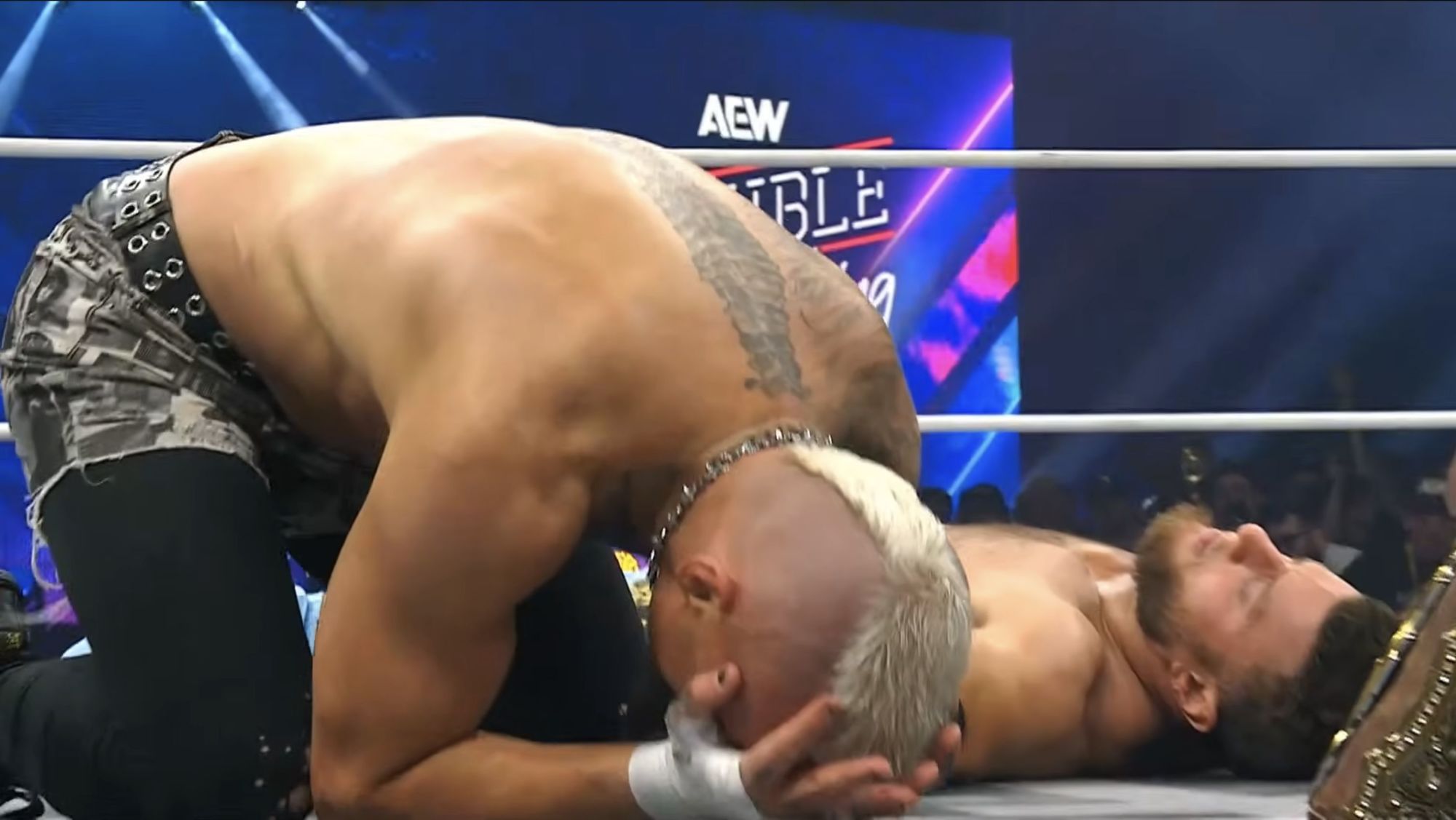
What followed was a cathartic explosion of accumulated narrative energy. The Scorpion Death Drop — Sting's finisher, deployed by Sting's protégé on the biggest night of his career — was a direct line connecting Allin's past to his present. The four consecutive Coffin Drops, one from each corner of the ring, were not excessive. They were ceremonial, a coronation rendered in athletic exclamation points. And the headlock takeover, the very move with which MJF had defeated Allin at Full Gear 2021, repurposed here as the instrument of MJF's downfall, was storytelling of such elegant symmetry that it transcended the boundaries of the medium and became, for a moment, something approaching genuine art.
Darby Allin is the AEW World Champion.
The locker room emptied. Confetti descended. Pyrotechnics illuminated the arena. And Sting, the man who had believed in Allin when believing in Allin was an act of considerable faith, made his way to the ring to share in the moment. The Everett crowd, twenty minutes from the gymnasium where Allin first learned to take a bump at the Buddy Wayne Academy, did not merely cheer. They participated in something communal, something that acknowledged the shared investment of performer and audience in a story that had been told with patience, consistency, and genuine affection for the medium.
The Larger Picture: What AEW Dynamite: Spring Breakthru Represents
It would be reductive to evaluate AEW Dynamite: Spring Breakthru solely on the merits of its individual segments, impressive as those segments were. The episode's greater significance lies in what it represents as a holistic creative document.
Consider the range of what was presented in a single two-hour broadcast: a main event world championship match built on five years of narrative history; a technical showcase between a British high-flyer and a Mexican submission specialist; a hard-hitting hoss fight between an explosive young champion and a European powerhouse; a women's championship defense predicated on injury-based psychology; a veteran's promo confrontation with a rising heel faction; backstage segments that advanced no fewer than four distinct ongoing storylines; and character vignettes that drew upon the histories of NJPW, CMLL, and AEW itself to create a tapestry of interconnected narrative threads.
This is what professional wrestling looks like when it is produced by people who regard the art form not as content to be optimized but as a living tradition to be honored, extended, and shared. AEW Dynamite: Spring Breakthru was campy where campiness was warranted, serious where gravity was required, athletic where physicality was the point, and emotional where feeling was the currency. It did not condescend to its audience. It did not treat its performers as interchangeable assets. It did not subordinate storytelling to corporate messaging or creative expression to institutional self-preservation.

What AEW has constructed, episode by episode, pay-per-view by pay-per-view, is a professional wrestling program that trusts its audience to be intelligent, trusts its performers to be creative, and trusts the art form itself to be sufficient. AEW Dynamite: Spring Breakthru was not merely a good episode of professional wrestling television. It was a reminder of why professional wrestling, at its best, is unlike anything else in the entertainment landscape: a collaborative act of imagination between performers and audience, conducted live, without a net, in pursuit of moments that cannot be replicated, manufactured, or corporately mandated into existence.
Where the best wrestle, indeed.
AEW Dynamite: Spring Breakthru is available to stream on HBO Max. AEW Collision: Spring Breakthru airs Thursday at 8 p.m. ET / 7 p.m. CT on TNT and HBO Max from Everett, Washington.
Enjoyed this? Please share on social media!



Stay up-to-date and support the site by following Bleeding Cool on Google News today!