
 About
About 


With Neil Flynn and Christa Miller's returns, Scrubs creator Bill Lawrence and the cast discuss Ken Jenkins, Season 9's interns, and more.
Posted in: Paramount+, Star Trek, TV | Tagged: star trek, Starfleet Academy
Starfleet Academy Showrunners on 32nd Century Setting, Rosta & More
Starfleet Academy showrunners Alex Kurtzman and Noga Landau discussed the 32nd-century Star Trek spinoff, Sandro Rosta's Caleb Mir, and more.
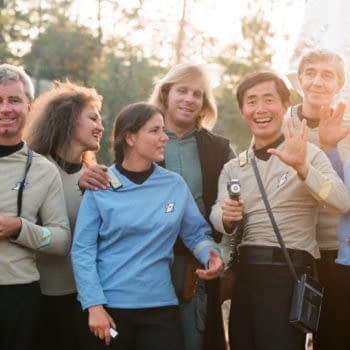
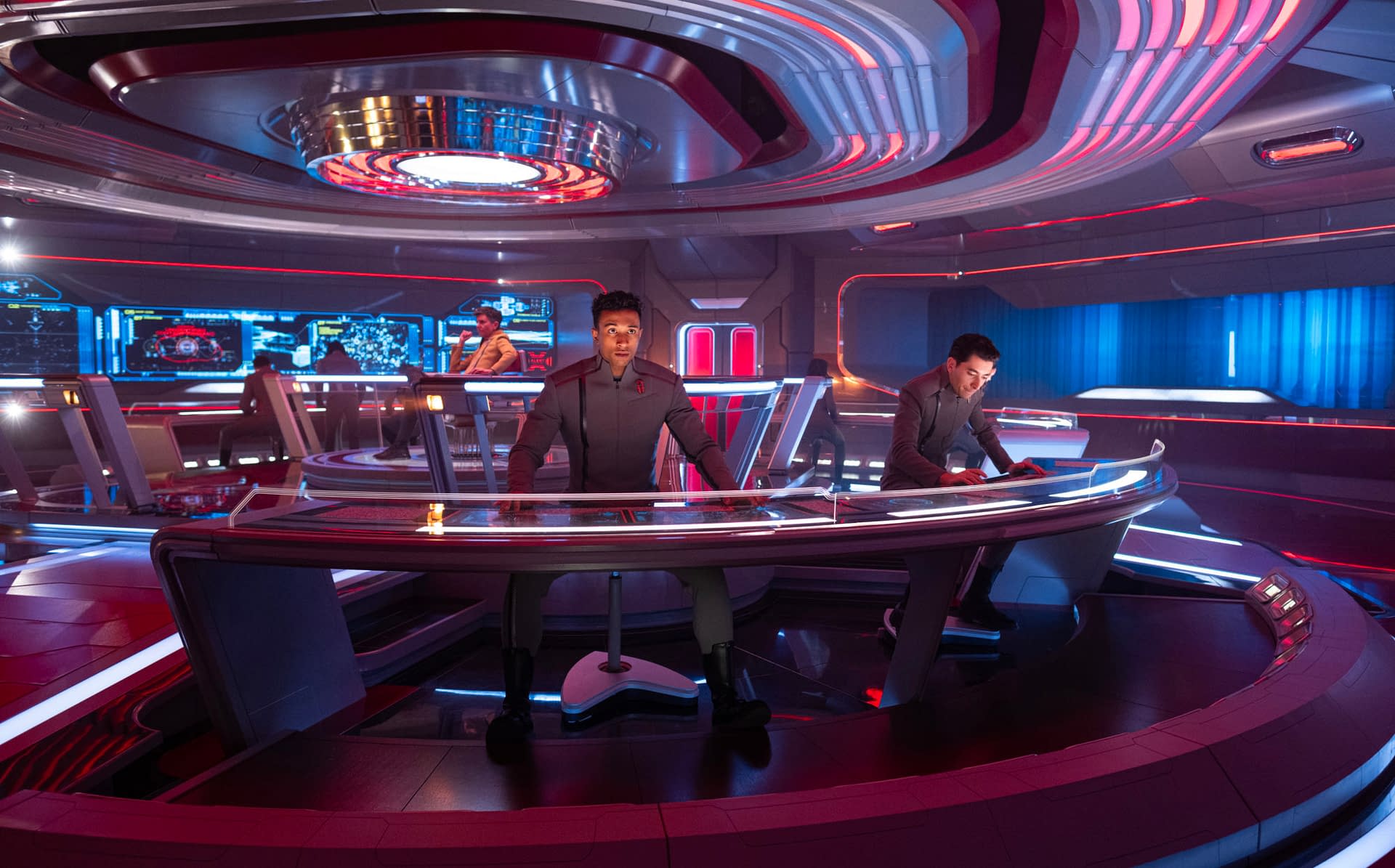
Before Star Trek dedicated the idea of a dedicated series to the Federation's training institution of Starfleet Academy, the idea was explored several times (not counting the 1997 video game of the same name) initially as a proposed reboot following the failure of Star Trek V: The Final Frontier (1989) before it was scrapped in favor the final The Original Series film The Undiscovered Country (1991), the 2009 soft reboot from J. J. Abrams that briefly explored the TOS crew's academy days, and now, set in 32nd century series from Paramount+ from Gaia Violo as a spinoff of Discovery. Starfleet Academy follows Captain Naha Ake (Holly Hunter), who finds her way back to Starfleet, leading the USS Athena and becoming chancellor of the institution after getting a second chance with a troubled youth, Caleb Mir (Sandro Rosta). In exchange for Caleb becoming a cadet and giving Federation life a try, Ake will help search for his mother (Tatiana Maslany). Showrunners Alex Kurtzman and Noga Landau spoke to Bleeding Cool about why the 32nd century is ideal for telling a modern Star Trek story, and why Rosta's Caleb offers the perfect throughline into the narrative.

Starfleet Academy Showrunners Alex Kurtzman and Noga Landau on Why the Future is Now for the Star Trek Series
Starfleet Academy was attempted after Star Trek V: The Final Frontier, which was scrapped. Then, we had a 2009 film that scratched the surface with J.J. Abrams' take on Kirk and Spock at the time. What made the 32nd century the perfect time for this?
Kurtzman: I think we have a generation now that's facing extraordinary division across the world, and they are being tasked with the responsibility of making the world a better place in the face of all this incredible tumult. It felt to us like the 32nd century was the perfect place to stage it and the perfect timeline to stage in because the cadets at Starfleet Academy are inheriting a post-Burn world where there's still a lot of change happening.
If we had said it in the 24th century of Star Trek, it would have been the "Halcyon days," but it would've been a nice fantasy. It wouldn't have done what Star Trek does best, which is hold a mirror up to the moment and talk about what's going on now. What I think we love so much about the show and the kids is that they're holding this extraordinary optimism in their hands, right? They are our future. They are the ones who are going to bring us closer to [Gene] Roddenberry's essential vision of optimism, which is at the beating heart of Star Trek. I feel the show meets the moment in a way that it might not have had we done it in the past.
You have numerous entry points from the cadets' standpoint. What made Sandro's character, Caleb Mir, ideal to be that bridge to start things off?
Landau: I think it was having Caleb be the main character, the eyes into the show is really important, because he doesn't actually know that much about Starfleet, and he doesn't know that much about the Federation beyond what he's seen from the outside. I think he's a great entry point for new fans who don't have to watch 60 years of television to have their Star Trek, walk in and discover it along with him, because even though he's skeptical of it. He is taken by the incredible wonder, opportunity, and his fellow classmates. That's what is going to happen to our audience, hopefully, as they go along for the ride too.
Star Trek: Starfleet Academy, which also stars Bella Shepard, Kerrice Brooks, Karim Diane, George Hawkins, Gina Yashere, Zoë Steiner, Robert Picardo, Oded Fehr, Tig Notaro, Stephen Colbert, Rebecca Quin, and Paul Giamatti, premieres with its first two episodes on January 15th on Paramount+.
Enjoyed this? Please share on social media!



Stay up-to-date and support the site by following Bleeding Cool on Google News today!