
 About
About 
AEW content exits NJPW World as Bushiroad transfers promotion to TV Asahi and CyberAgent. Streaming strategy shift, not relationship breakdown.
Posted in: AEW, Sports, TV | Tagged: AEW Dynasty, recaps, wrestling
Triumphant AEW Dynasty PPV Underscores Philosophical Wrestling Divide
While WWE drowns its WrestleMania build in celebrity cameos and corporate meta-commentary, AEW Dynasty delivered a masterclass in what happens when a wrestling company trusts its audience to care about wrestling.
Article Summary
- AEW Dynasty delivered a wrestling-first PPV masterclass, with MJF retaining gold over Kenny Omega in an all-time classic.
- Konosuke Takeshita's betrayal of Kazuchika Okada and Kevin Knight's TNT Championship win highlight AEW's long-term storytelling.
- Jon Moxley brutalized Will Ospreay, Chris Jericho put over Ricochet, and Women's Champion Thekla continued her fan-fueled reign.
- As WWE leans on Jelly Roll and ticket discounts for WrestleMania, AEW proves wrestling itself remains the ultimate attraction.
There exists, in the annals of professional wrestling criticism, a recurring and somewhat tiresome debate about what constitutes the superior approach to the art form: the spectacle-driven, celebrity-saturated model that treats wrestling as a vehicle for mainstream crossover appeal, or the wrestling-centric philosophy that trusts the inherent drama of athletic competition and long-term storytelling to captivate an audience without supplemental gimmickry. It is a debate that has persisted for decades, ebbing and flowing with the fortunes of whichever promotion happens to be ascendant at any given moment. On Sunday night, All Elite Wrestling (AEW) made the most compelling argument for the latter philosophy that it has produced in its entire seven-year existence.
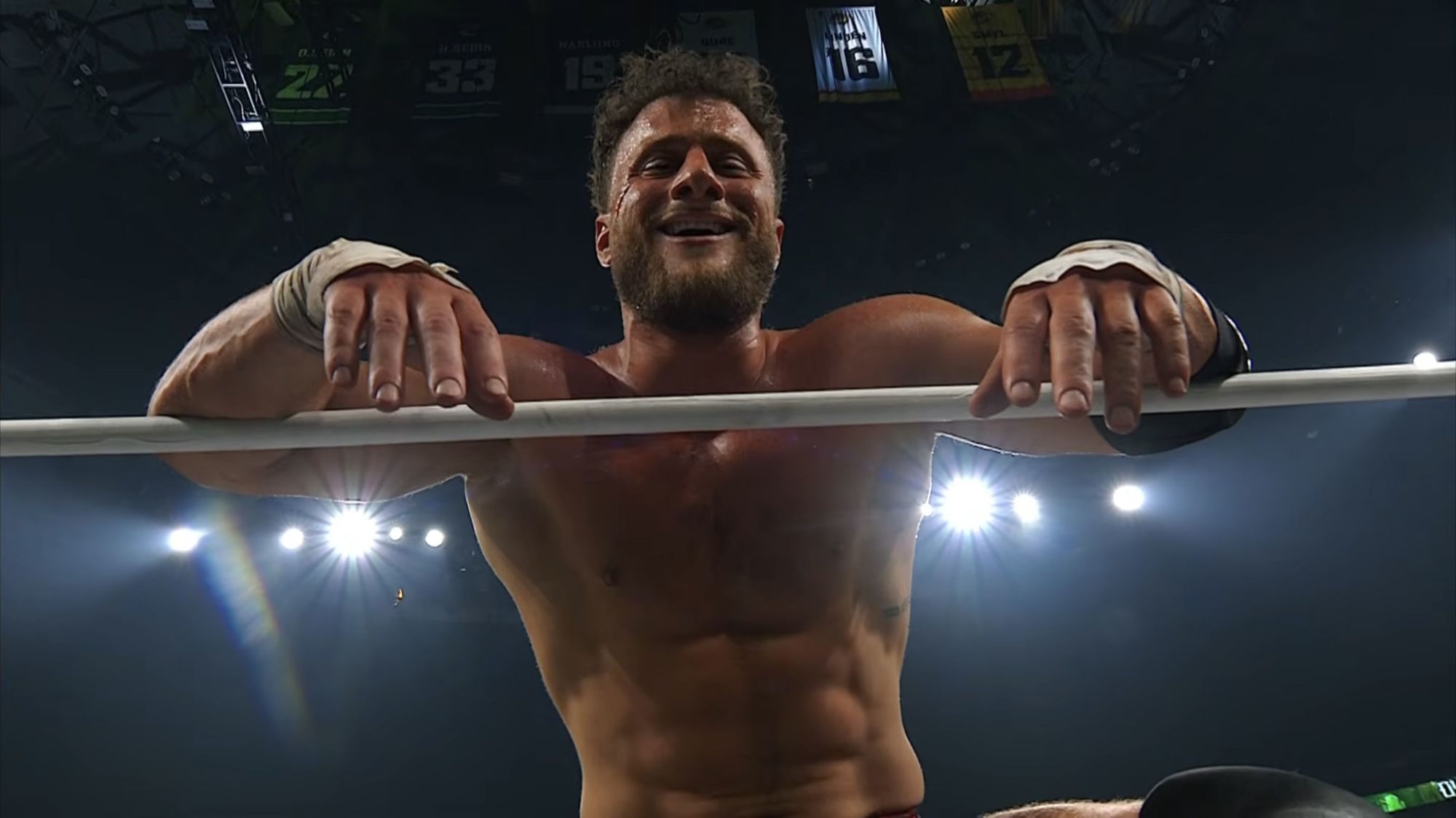
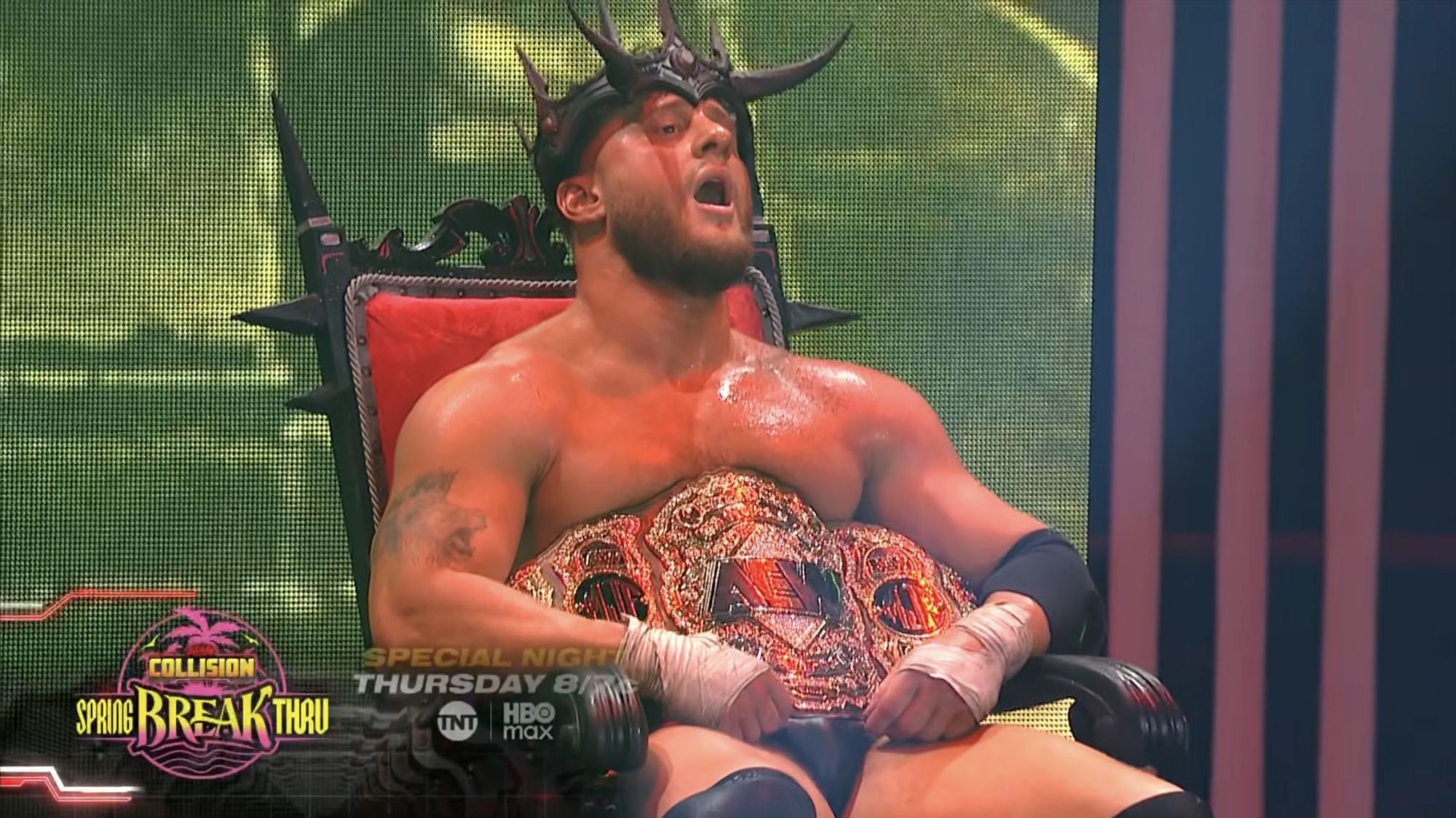
AEW Dynasty, the promotion's third annual spring pay-per-view (PPV), emanated from Rogers Arena in Vancouver, British Columbia, Canada, and delivered a card of staggering depth: twelve matches across the main card and Zero Hour pre-show, eight championships contested, and a main event that will be discussed for years to come. From its opening bell to its final image — champion Maxwell Jacob Friedman, known professionally as MJF, descending on his devil throne with the AEW World Championship raised overhead as mechanical staging lowered him beneath the stage and out of view — the evening was a celebration of professional wrestling in its purest and most emotionally resonant form. No celebrity musical acts performed entrance themes or got involved in the matches. No corporate spokespeople offered discount codes on live television. No meta-textual commentary about the quality of the booking was necessary, because the booking spoke for itself with an eloquence that rendered such self-referential gymnastics entirely superfluous.
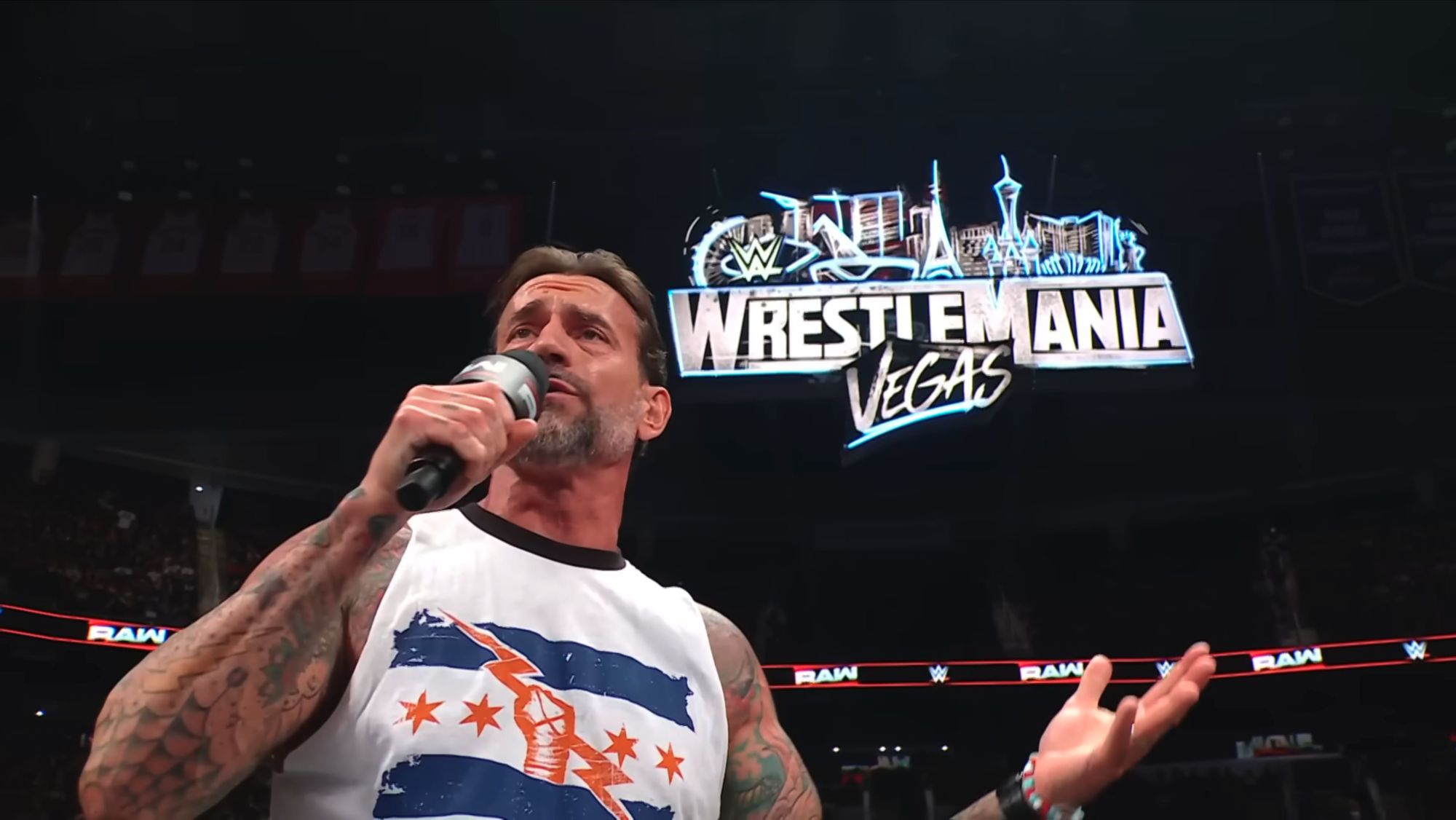
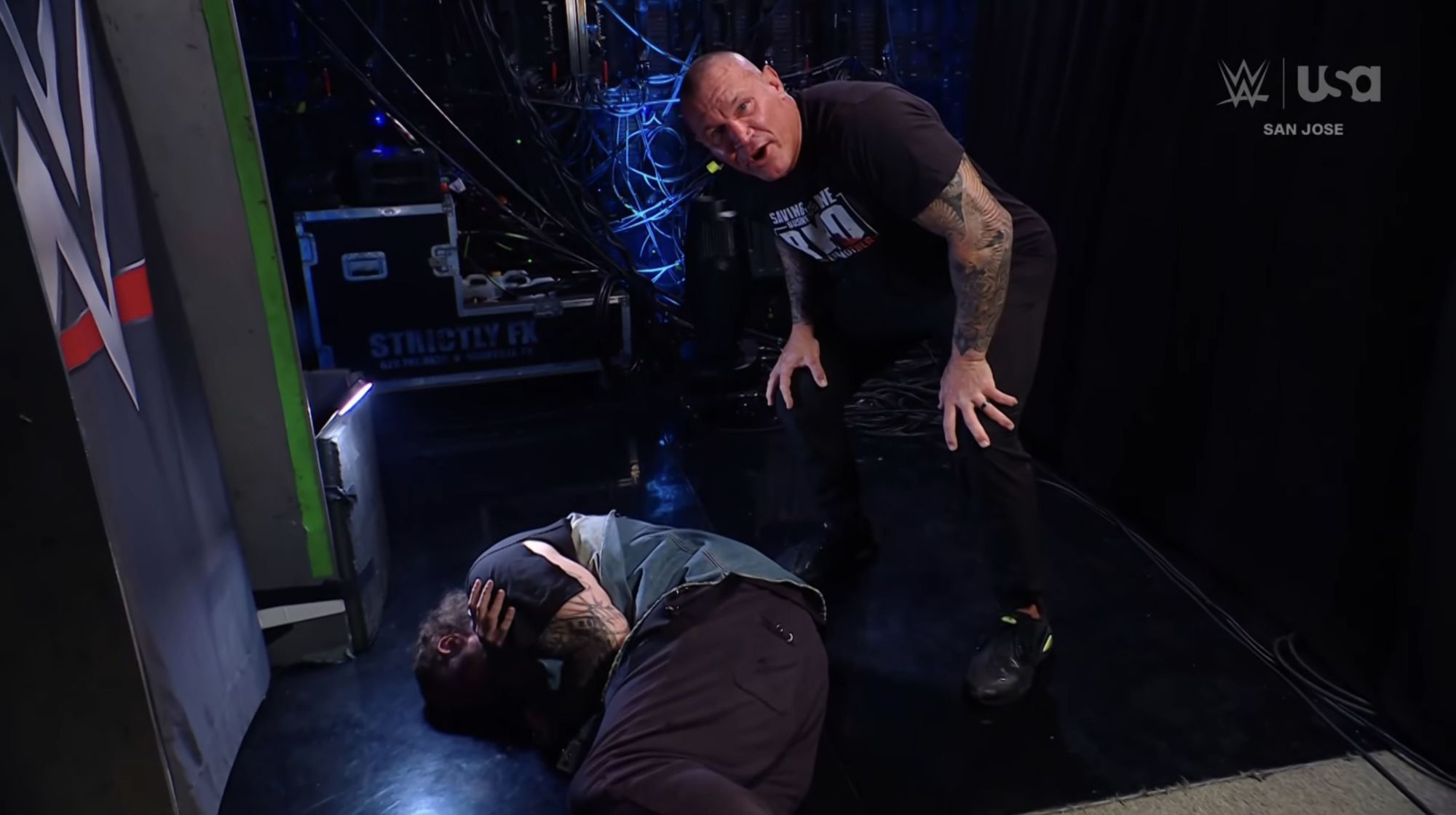
The timing of the event, arriving precisely one week before World Wrestling Entertainment's (WWE) WrestleMania, rendered the contrast between the two promotions' creative philosophies not merely apparent but almost uncomfortably stark. As this correspondent examined at considerable length last week, WWE's WrestleMania build has been mired in a peculiar and potentially self-defeating experiment in which the company's own heel characters are articulating criticisms of the product that are more intellectually coherent than the babyfaces' rebuttals. Pat McAfee is offering ticket discounts on live television. CM Punk is delivering promos about how overpriced everything is. Country music artist Jelly Roll has been integrated into a world championship storyline as a celebrity ally to champion Cody Rhodes. The entire enterprise has taken on the quality of a company arguing with its own audience about whether the product is worth consuming, which is, to put it charitably, an unusual sales strategy.
AEW Dynasty offered no such existential hand-wringing. It offered wrestling. And the wrestling was extraordinary.
A Main Event for the Ages
The evening's crown jewel was the AEW World Championship match between champion MJF and challenger Kenny Omega, and it was the kind of main event that reminds even the most jaded observer why professional wrestling, at its apex, remains one of the most compelling forms of live performance art in existence.
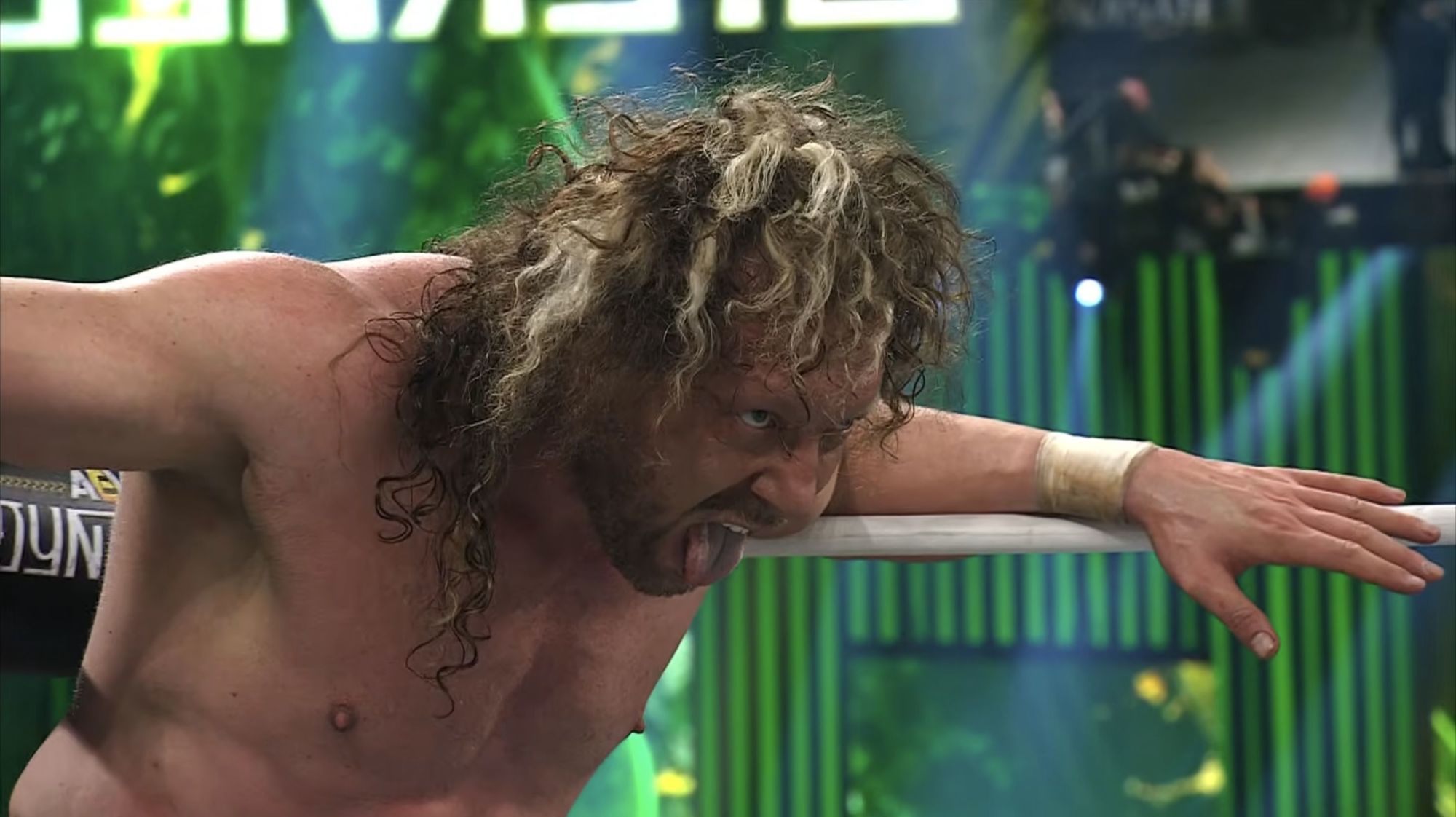
The narrative architecture was elegant in its clarity. Omega, the co-founder of AEW and one of the most decorated performers in the history of the sport, was positioned as a man confronting the twilight of his prime, aware that opportunities for championship glory are finite and diminishing. MJF, the brash and unapologetically villainous champion, had spent weeks taunting Omega about his age, his physical deterioration, and the implicit suggestion that the older man's best days resided firmly in the rearview mirror. Their history added additional weight: MJF had previously defeated Omega in a thirty-minute classic to become the longest-reigning AEW World Champion, surpassing Omega's own record of 346 days, and in the intervening period, Omega had been forced to step away from the ring for over a year to treat the diverticulitis he had been battling while continuing to compete. The emotional stakes were not manufactured through corporate intrigue or celebrity involvement. They were organic, arising naturally from the intersection of two careers, two egos, and one championship.
The match itself delivered on the promise of that buildup with devastating precision. The opening moments established the gravity of the occasion, with both men immediately attempting their finishing maneuvers — Omega lunging for the One-Winged Angel, MJF grasping for Salt of the Earth — as if each understood that any momentary advantage could prove decisive. What followed was an escalating war that ranged across the ring, the ringside area, the timekeeper's table, and back again, with Omega unleashing the full breadth of his legendary offensive arsenal: V-Triggers from every conceivable angle, a Kotaro Krusher, snap Dragon suplexes, an Orihara moonsault dedicated to his longtime partner Kota Ibushi, and ultimately, in the match's most breathtaking sequence, an avalanche One-Winged Angel from the turnbuckles that elicited gasps from the crowd and would surely have ended the match if Omega had the capacity to make a cover before MJF could role out of the ring and onto the floor.

And MJF survived. The champion survived through a combination of cunning, ruthlessness, and the kind of strategic villainy that has defined championship heel work since the medium's inception. He targeted Omega's surgically vulnerable midsection relentlessly, understanding that the diverticulitis represented not merely a physical weakness but an existential one. He pulled referee Bryce Remsburg into the path of a V-Trigger, incapacitating the official at the most critical juncture. He recovered the Dynamite Diamond Ring that had been confiscated at the start of the match, ultimately using it to win the match. Every underhanded tactic was deployed not randomly but with surgical precision, each one flowing logically from MJF's established character and his keen understanding of his opponent's vulnerabilities.
The cruelest and most narratively effective moment arrived seconds before the finish. Omega, summoning reserves of determination that bordered on the superhuman, connected with the One-Winged Angel — his ultimate weapon, the move that had felled virtually every opponent he had ever faced. But Remsburg was still unconscious. Replacement referee Paul Turner slid into the ring and began his count, reaching what felt like an eternity before MJF managed to kick out at the last conceivable instant. The Vancouver crowd's anguish was palpable, the collective groan of thousands of people who understood, in that moment, that Omega's window was closing. When MJF subsequently drove Omega through the ringside table with a tombstone piledriver off the apron and finished him with the Heatseeker DDT, the arena erupted not in celebration but in that exquisite cocktail of heartbreak and outrage that only occurs when a villain triumphs over a hero the audience desperately wanted to see prevail.
And then the final image: MJF, feigning injury and requiring security assistance to limp toward the exit, only to shove his escort away upon reaching the stage, revealing the vulnerability as yet another manipulation. Sitting on his evil throne as the PPV conclude, MJF descended into darkness beneath the stage as AEW promoted this week's upcoming episodes of Dynamite and Collision.
No Jelly Roll was required. No ticket discounts were announced. Two wrestlers told a story through their craft, and an arena full of people responded with authentic, unmanufactured emotion. The simplicity of the formula is precisely what made it so powerful.
Moxley and Ospreay: Violence as Storytelling
The AEW Continental Championship match between champion Jon Moxley and challenger Will Ospreay, contested under Continental Rules stipulating a twenty-minute time limit with no outside interference, was a different kind of masterwork — one built on barely contained fury and the consequences of allowing emotion to supersede discipline.

Ospreay established the tone immediately by connecting with a Hidden Blade charging elbow before the match had properly begun, staggering Moxley and following with a second that sent the champion tumbling to the arena floor. It was a statement of violent intent that electrified the crowd, but it was also, in retrospect, a warning sign. Ospreay, returning from the neck surgery necessitated by Moxley and the Death Riders' attack at Forbidden Door, was not wrestling with the calculated precision that has made him one of the most technically gifted performers on the planet. He was wrestling with the reckless abandon of a man consumed by vengeance, and Moxley — the most dangerous kind of opponent, one who thrives in chaos — was content to weather the initial storm and wait for the inevitable mistake.
That mistake arrived when Ospreay went to rearrange the steel ring steps at ringside, a momentary lapse in focus that allowed Moxley to recover and deliver a Paradigm Shift on the arena floor. From that point forward, the match became a masterclass in attrition, with Moxley methodically dismantling Ospreay while the twenty-minute clock ticked relentlessly toward zero. When the ten-minute warning sounded, Moxley locked in a bulldog choke. When the five-minute warning arrived, he drove Ospreay's head and neck into the steel steps with a piledriver that left the challenger spasming on the arena floor in a genuinely harrowing visual. And when Ospreay somehow beat the referee's count and returned to the ring, Moxley finished him with a Blackout, two Paradigm Shifts, and finally the Death Rider, the definitive exclamation point on a defense that was as ruthless as it was strategically brilliant.
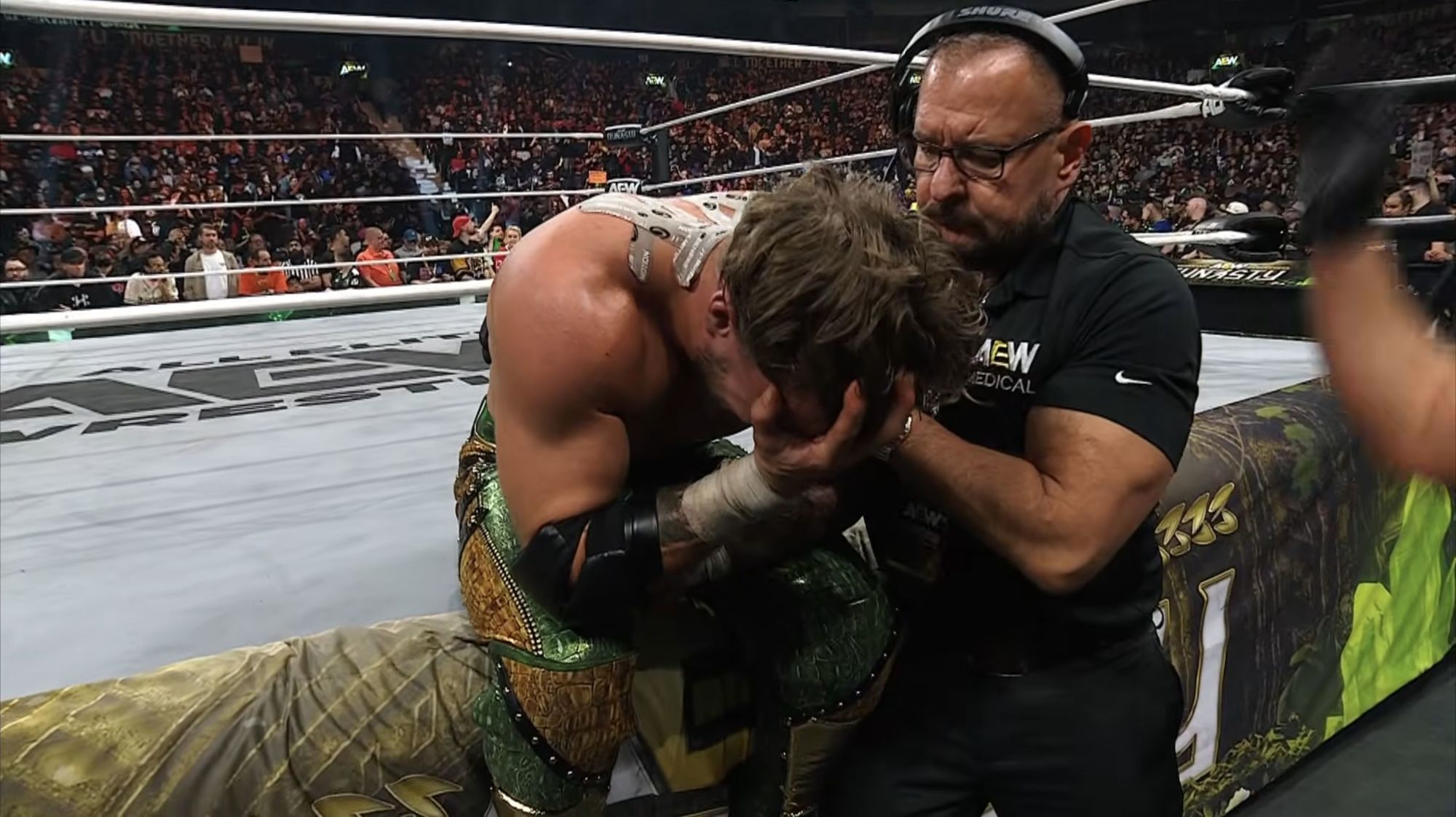
The post-match image of referee Paul Turner and ringside medical personnel helping a barely ambulatory Ospreay to the back told the story that the booking had spent weeks establishing: Ospreay possesses transcendent ability, but his emotions remain a vulnerability that must be conquered before the championship can be won. It was a loss that made the loser more interesting, which is one of the most difficult creative feats in professional wrestling and one that AEW executed with apparent ease.
The Takeshita Turn: Long-Term Storytelling Pays Its Dividend
The tag team match pitting the Don Callis Family duo of Kazuchika Okada and Konosuke Takeshita against the Young Bucks, Matt Jackson and Nick Jackson, delivered what may prove to be the evening's most consequential storyline development. The match itself was a spectacular four-man showcase, featuring stereo Sharpshooters, a slingshot sunset flip double German suplex that left all four competitors sprawled on the canvas, and the kind of breathless offensive exchanges that only performers of this caliber can produce. But the match's true purpose was the detonation of a narrative bomb that had been ticking for months.
Takeshita, who had spent weeks bristling under Okada's dismissive treatment and openly agitating for an opportunity to challenge for the AEW International Championship, had been paired with the Rainmaker against his will by Don Callis, who promised Takeshita a singles match against Okada at Double or Nothing if he cooperated at Dynasty. The tension was evident throughout the contest — the reluctant tags, the momentary hesitations, the charged exchanges when the two partners accidentally collided. And then, in the match's climactic sequence, when Nick Jackson went to the top rope for the Tony Khan Driver, Takeshita initially blocked the attempt before making a deliberate, unmistakable choice: he stepped aside and allowed it to happen. The Young Bucks connected, and Okada was pinned.

The Vancouver crowd responded with the explosive recognition of an audience that had been following the story closely enough to anticipate the destination while still being electrified by the execution. The sequence leading to the betrayal was itself a microcosm of the deteriorating partnership: Okada had thrown the first elbow in a heated exchange between the partners, the two had briefly united to pummel Matt Jackson before Takeshita's knee caught Okada after the Rainmaker ducked a BTE Trigger, and the accumulated resentments finally boiled over into decisive action. This is what long-term storytelling looks like when it is done with patience and conviction. It requires a creative team willing to plant seeds weeks or months in advance and trust that the audience will remember those seeds when the harvest arrives.
Jericho's Return: The Art of Losing Well
Chris Jericho's return match against Ricochet was perhaps the evening's most quietly significant result. Jericho, who returned to AEW after a year-long absence during which many observers expected him to sign with WWE, lost his first match back in a contest that was considerably more competitive and layered than a simple passing of the torch.
The match showcased Jericho's enduring ring awareness — grabbing a ringside camera and operating it briefly in a moment of classic Jericho showmanship, landing a Lionsault, surviving a devastating Death Valley Driver on the ring apron, and connecting with a counter Codebreaker on a shooting star press attempt that would have ended most matches. But the Gates of Agony, Toa Liona and Bishop Kaun, Ricochet's enforcers, proved to be the decisive factor, with Liona mockingly checking on Jericho after the apron bump and Kaun throwing the veteran into the turnbuckles at a critical juncture. The finish was a masterstroke of character layering: the Gates of Agony called Ricochet off his own finisher and motioned toward the ropes, encouraging him to add insult to injury by finishing the legend with his own move. Ricochet obliged, connecting with a Lionsault to secure the victory.
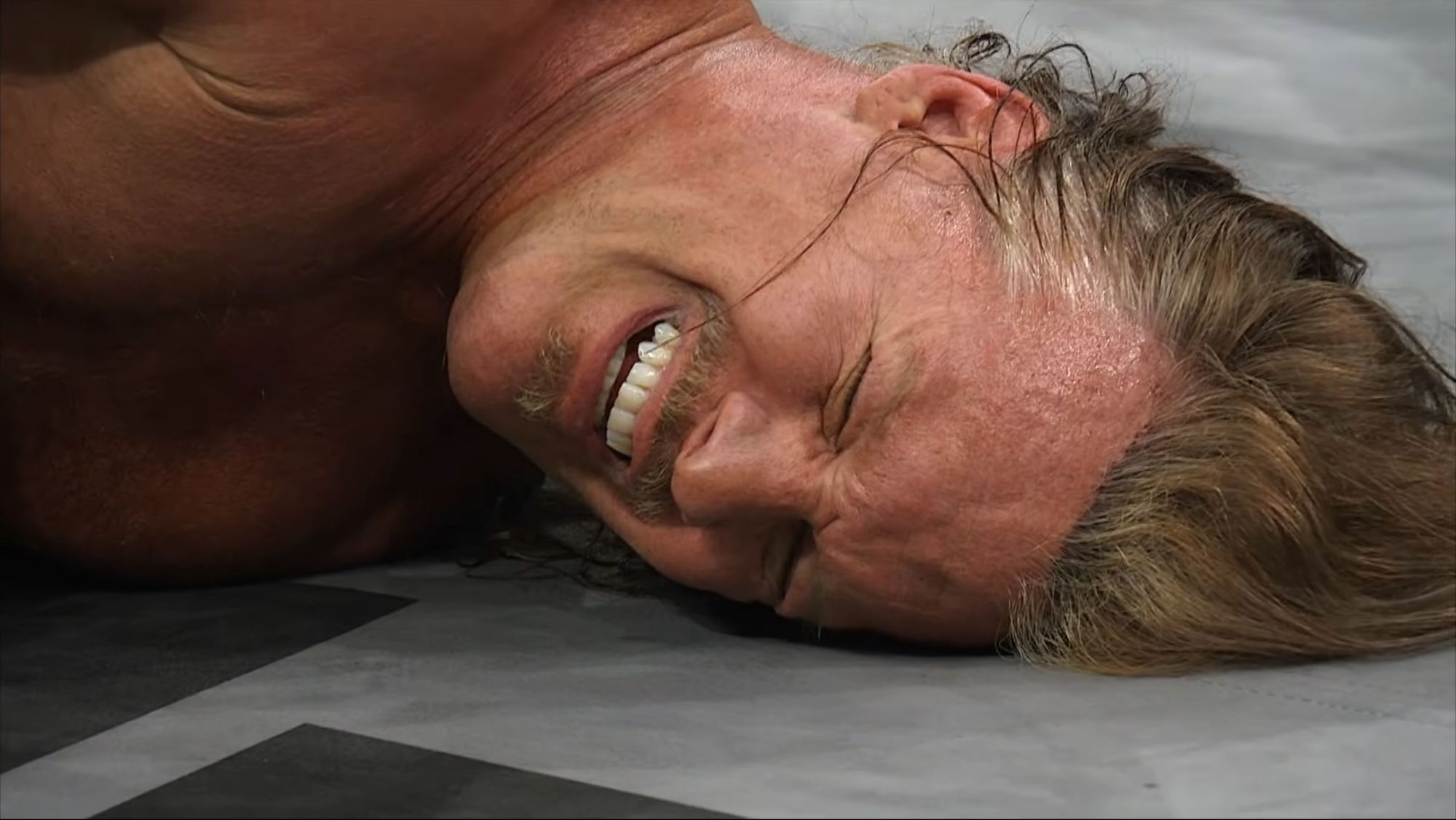
The loss itself was meaningful, but the context surrounding it was revelatory. Jericho had spent his return promo the previous week articulating a vision of his role in AEW that was conspicuously selfless: he loves professional wrestling, he is proud of what AEW has become, and he wants to contribute to the company's future rather than commandeer its present. Losing to a younger performer in his first match back was the narrative proof that those words were not hollow promotional rhetoric. It was Jericho, one of the most decorated performers in the history of the industry, demonstrating through action rather than proclamation that the next generation of AEW talent is more important than his own win-loss record. Simultaneously, the manner of the defeat — competitive, hard-fought, and requiring outside assistance — protected Jericho's credibility while establishing the Gates of Agony's willingness to bend rules on Ricochet's behalf, generating future storyline ammunition with elegant economy.
The contrast with WWE's current approach to veteran talent could scarcely be more pronounced. In Stamford, Connecticut, veterans are deployed as attractions whose star power is leveraged to sell premium live events, even as that itself is deemed insufficient, requiring additional celebrity involvement. In AEW, Jericho returned from a year away and immediately subordinated his own legacy to the project of elevating Ricochet. One approach generates short-term revenue. The other builds a sustainable roster for the future. The philosophical divergence is not subtle.
The Championship Undercard: Depth on Full Display
What distinguished AEW Dynasty from a merely good pay-per-view and elevated it into the conversation of genuinely significant creative achievement was the remarkable consistency of its undercard. Nearly every match served a discernible narrative purpose, advanced existing storylines, or established new ones, often accomplishing multiple objectives simultaneously.
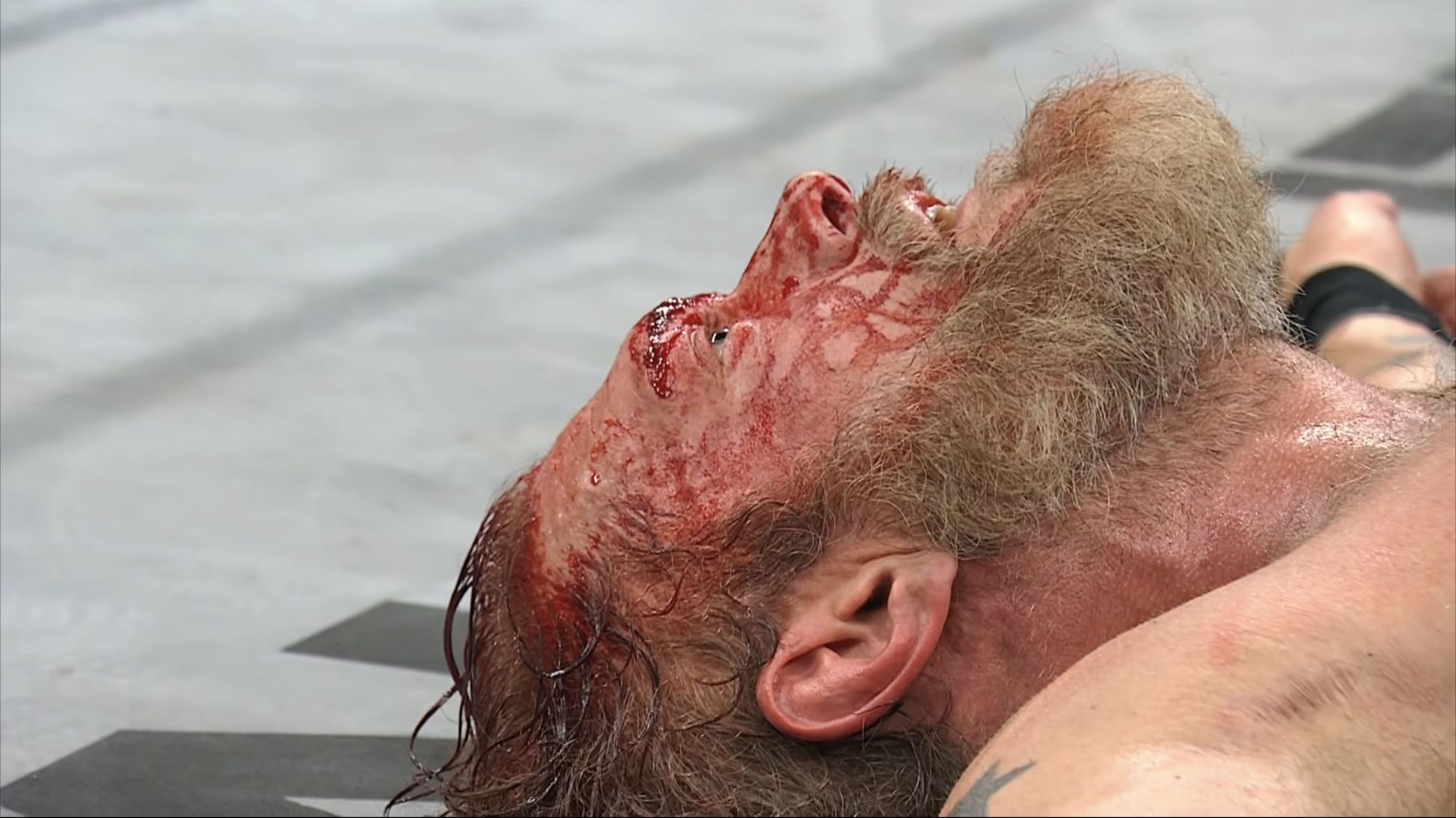
FTR, Cash Wheeler and Dax Harwood, retained the AEW World Tag Team Championship over Adam Copeland and Christian Cage in a match that was, by any reasonable measure, a war. Copeland bled profusely after being struck with the championship belt, creating a visual that lent the bout's final act an almost primal intensity. The finish came only after an escalating series of near-falls and interferences — Stokely Hathaway's botched interference drew "You fucked up!" chants from the crowd before Cage broke up a Shatter Machine pin attempt by physically throwing Hathaway into the ring, and Copeland fought off both members of FTR simultaneously in a moment of defiant, blood-soaked fury that had the Vancouver crowd on its feet — before Wheeler snapped off a piledriver on the bloodied Copeland to set up the decisive Shatter Machine. The post-match image of Cage entering the ring with a steel chair to protect his fallen partner while FTR celebrated up the ramp told the audience everything it needed to know: this rivalry is far from over, and the emotional stakes have only intensified.
Darby Allin defeated Andrade El Ídolo to earn a future AEW World Championship match in a bout that contained multitudes within its structure. The match itself was a showcase of creative violence — Allin sent both men tumbling down concrete arena stairs with a dropkick, Andrade hit a delayed vertical suplex off the ring apron — and the finish, with Allin securing the Last Supper pinning combination after Andrade had manually stopped the referee from counting a previous three-count, was satisfying on its own terms. But the post-match handshake between the two competitors served as an elegant piece of character development for Andrade, suggesting a nascent evolution away from the Don Callis Family's malign influence. In a single gesture following a single match, AEW simultaneously crowned a new number one contender and planted the seeds of a character arc that could pay dividends for months. That is creative efficiency of a remarkably high order.
The Young and the Championship-Worthy
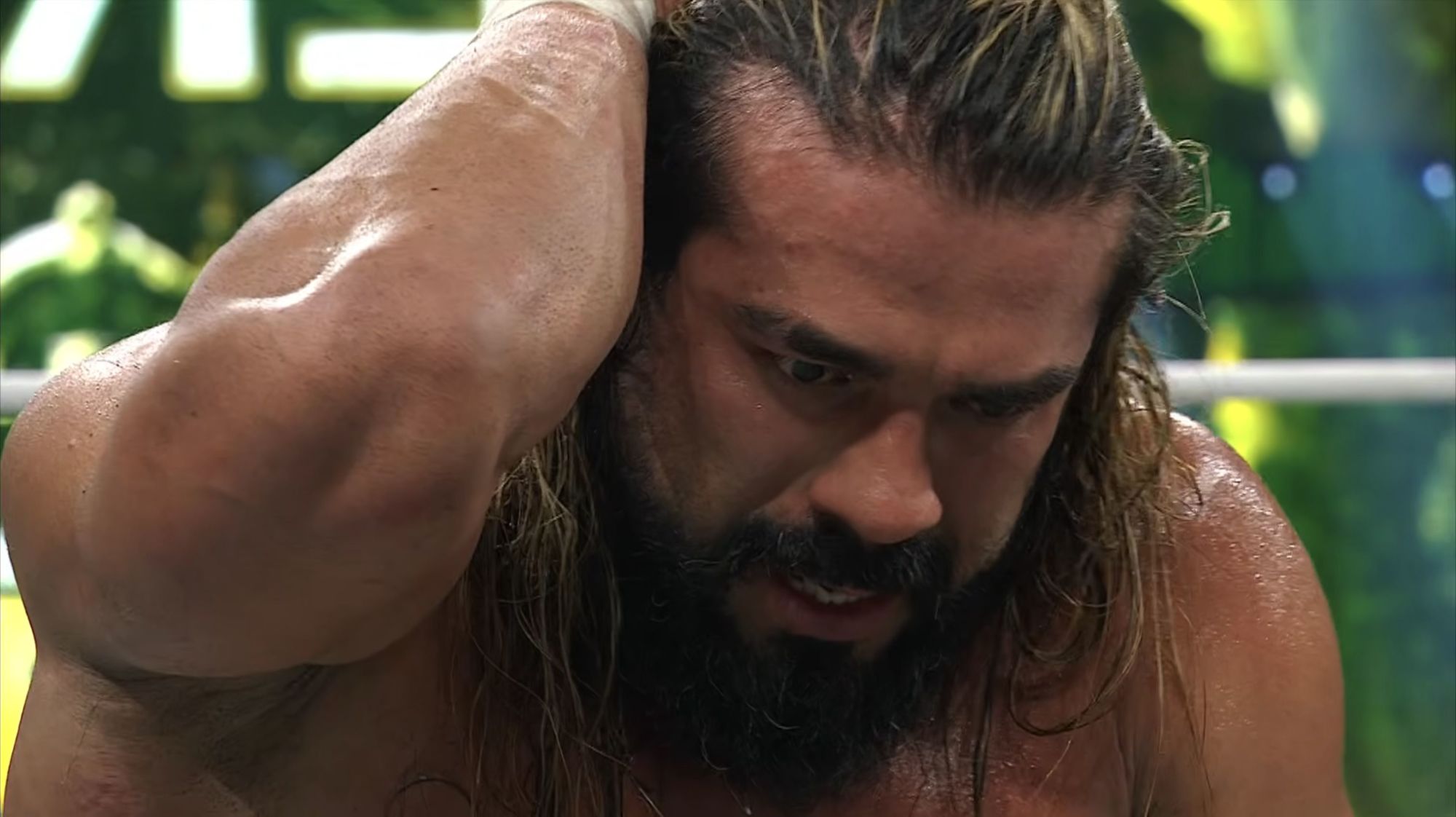
Nowhere was AEW's commitment to building its next generation of stars more evident than in the Casino Gauntlet Match for the vacant TNT Championship, which concluded with Kevin Knight capturing the gold. Knight, a young and dynamic performer whose partnership with "Speedball" Mike Bailey in the tag team JetSpeed has been one of the more entertaining developments in recent AEW programming, entered as the ninth of ten participants and overcame a field that included Tommaso Ciampa, RUSH, Bandido, Bailey himself, El Clon, PAC, Daniel Garcia, Anthony Bowens, and Wheeler Yuta.
The gauntlet format allowed AEW to showcase the depth of its roster in a manner that felt organic rather than gratuitous. Each new entrant brought a distinct energy: RUSH's snarling aggression in the opening minutes against Ciampa, Bandido's aerial dynamism, PAC's Black Arrow to the floor onto a pile of competitors, Garcia's rapid-fire pinning combinations that generated a flurry of near-falls, and the Death Riders pairing of Yuta and PAC momentarily uniting before the every-man-for-himself nature of the contest dissolved their alliance. The match's penultimate sequence — Ciampa superplexing Knight from the top rope into the mass of bodies on the arena floor — was the kind of moment that creates the highlight reels that introduce casual fans to new performers.
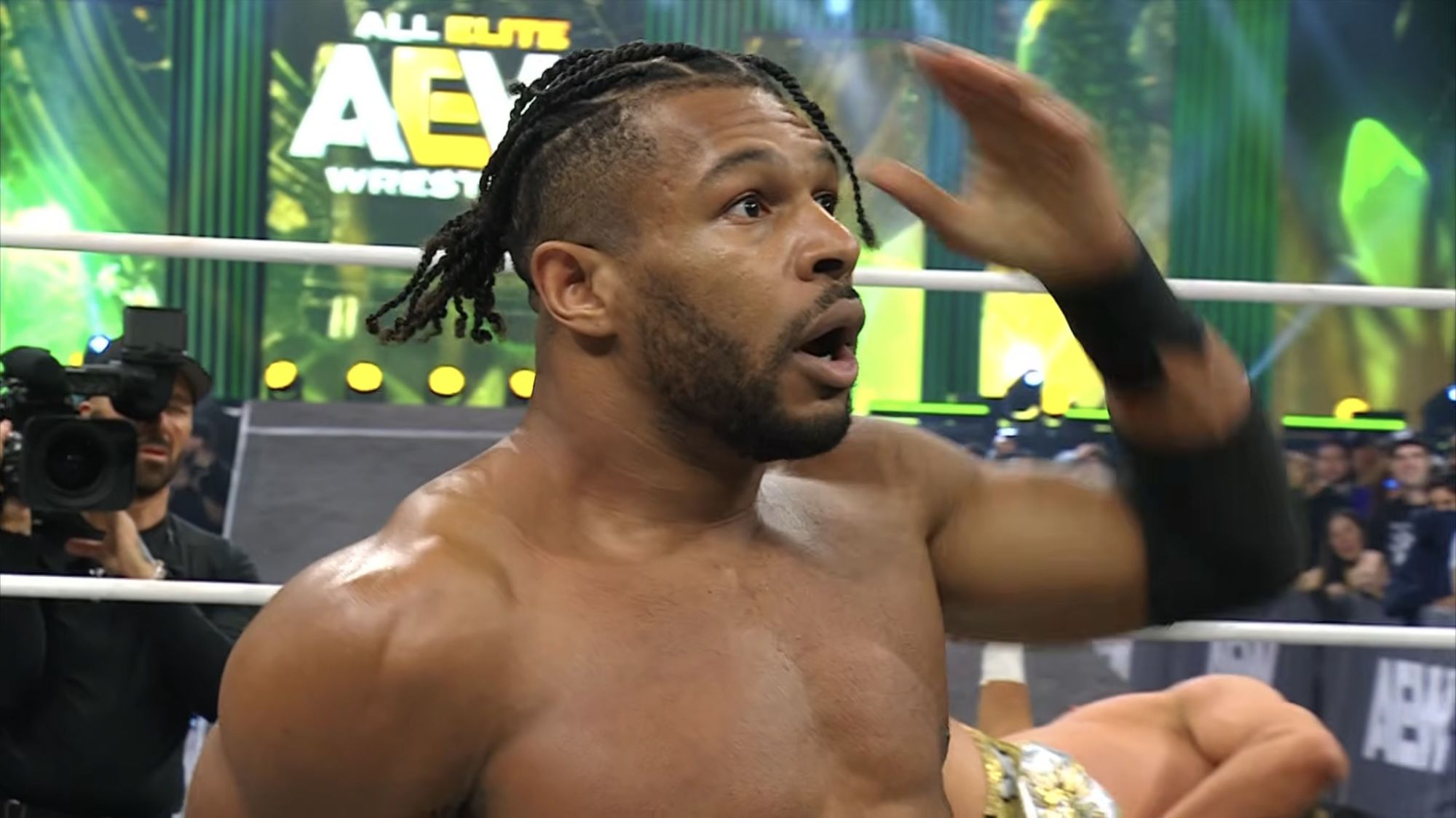
Knight's winning UFO Splash on Garcia was the culmination of months of increasingly impressive performances, and the decision to place the TNT Championship on him was emblematic of AEW's broader creative philosophy during what has unquestionably been the promotion's most artistically ambitious year. Moreover, the result immediately generated compelling future storylines: the inevitable tension between Knight and his tag team partner Bailey, who competed in the same gauntlet and now must reconcile his own championship ambitions with the success of his closest ally. AEW planted the seeds of that conflict within the structure of a single match, a demonstration of creative efficiency that stands in instructive contrast to WWE's current tendency toward sprawling, self-referential narratives that require weekly recalibration.
Wrestling Proficiency as a Feature, Not a Bug
Thekla's retention of the AEW Women's World Championship over Jamie Hayter was a technically accomplished contest that further cemented the Austrian champion's reign as one defined by cunning and calculation. Thekla worked Hayter's arm from the opening moments, deploying submissions including a scissored fishhook and an octopus hold, while Hayter's power advantage manifested in devastating bursts — a suplex on the ring apron, a Liger Bomb, and a tombstone piledriver that the champion somehow survived. The finish, in which Thekla retained via a bridging roll-up while surreptitiously grasping the ring ropes for leverage, accomplished multiple objectives simultaneously: it protected Hayter as a credible challenger who was never decisively beaten, reinforced Thekla's character as a resourceful villain, and established the foundation for a rematch when Alex Windsor charged to ringside to alert referee Stephon Smith to the impropriety. Three narrative threads advanced in a single segment, each flowing logically from the action that preceded it.
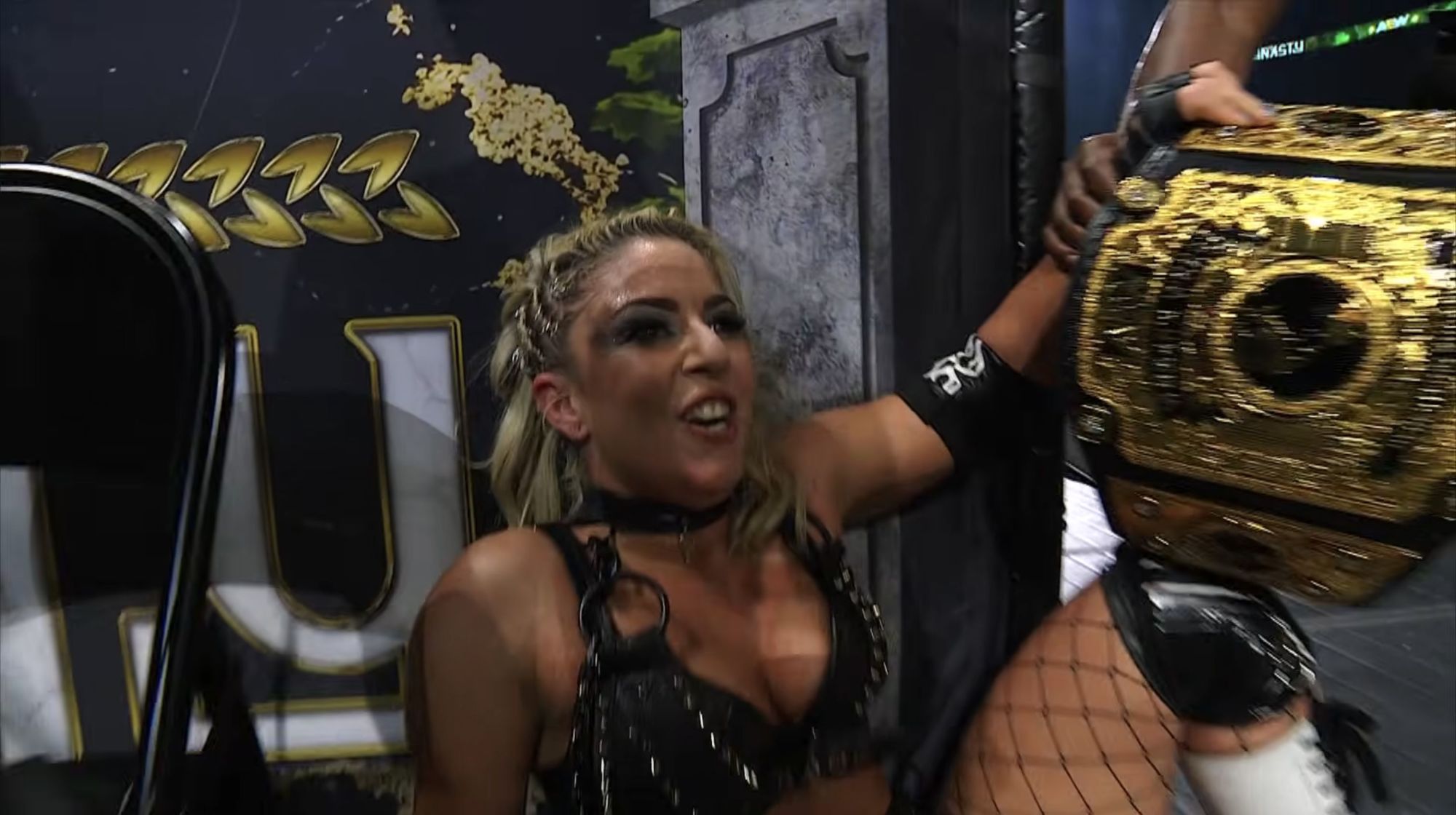
Thekla's reign as AEW Women's World Champion is itself an illustration of the differences in style. Since arriving in AEW less than a year ago, Thekla has become a crowd-favorite, or at least the heel equivalent, on the foundation of her technical proficiency and mastery of ring psychology. In WWE, gaining popularity for one's talent is often viewed as insubordination and punished by humiliation, both to remind talent that the brand is the true star and to put fans in their place when it comes to who decides which stars are allowed to become popular. TBS Champion Willow Nightingale rose through the rankings via a similar grassroots popularity, but this time as a babyface instead of a heel.
AEW's women's division has grown by leaps and bounds since the company's inception. Where AEW could stand to improve, however, would be to feature more of those women's matches higher on the card.
The Conglomeration and the Art of Joy
If the main event demonstrated professional wrestling's capacity for tragedy and heartbreak, the AEW World Trios Championship match demonstrated its equally vital capacity for joy. The segment began with a genuinely entertaining backstage reveal of the Conglomeration — Orange Cassidy and Roderick Strong playing off each other's wildly divergent personalities to generate legitimate laughter — before Kyle O'Reilly was revealed as the mystery third partner, a reunion that drew a thunderous reaction from the Vancouver crowd.

The match that followed was crowd-pleasing in the most fundamental sense: fan-favorites overcoming villains in a contest that allowed each member of the Conglomeration to showcase their distinct strengths. O'Reilly's technical acumen, Strong's intensity, and Cassidy's deceptively effective minimalism combined to create a team that felt cohesive despite its apparent incongruity, and O'Reilly's submission victory via ankle lock on Clark Connors of the Dogs provided a satisfying conclusion that sent the audience into the main event in a state of elevated enthusiasm.
It is worth noting that making an audience happy is not, despite what certain creative philosophies might suggest, an act of creative cowardice. It is, in fact, one of the most difficult things in professional wrestling to accomplish without condescension, and the Conglomeration's championship victory achieved it with disarming ease.
The Philosophical Divide
It would be reductive and intellectually dishonest to suggest that AEW's approach is objectively superior to WWE's in all circumstances and at all times. The professional wrestling industry is vast enough to accommodate multiple creative philosophies, and WWE's spectacle-driven model has generated extraordinary commercial success over the course of decades. Different audiences respond to different stimuli, and the pluralism of the modern wrestling landscape is, on balance, a healthy development for the industry and its consumers.
However, the specific juxtaposition of AEW Dynasty and WWE's current WrestleMania build invites a comparison that is difficult to avoid and, once engaged, difficult for WWE to win.

On one side of the divide stands a pay-per-view that trusted professional wrestling to be compelling on its own merits: long-term storylines paying off with satisfying conclusions, emerging talent receiving meaningful championship opportunities, veterans elevating younger performers through selfless creative decisions, women's champions allowed to wrestle instead of pose, a pre-show that advanced multiple storylines and introduced a new feud rather than serving as disposable filler, and a main event that relied on nothing more than two exceptional performers, a championship, and a story rooted in genuine competitive animosity.
On the other side stands a WrestleMania build in which the company's own heel characters are articulating legitimate criticisms of the product, a former football kicker is announcing ticket discounts on live television, a country music artist has been positioned as a principal figure in the world championship storyline, and the most anti-establishment voice on the roster is delivering promos about corporate excess while one of the subjects of those promos points out he's cashing checks from the corporation he is ostensibly criticizing. It is a build that has substituted meta-textual self-awareness for actual storytelling, and the result is a WrestleMania that feels less like the culmination of compelling narratives and more like a company negotiating with its own audience about whether the product is worth the asking price.
AEW, under Tony Khan's direction, has never attempted to negotiate with its audience. It has simply presented professional wrestling with conviction and trusted that the audience would respond. In 2026, that trust is being rewarded with what is unquestionably the hottest creative period in the promotion's history. The storylines are tighter. The character work is deeper. The in-ring product is as strong as it has ever been. And the roster, from established main eventers like MJF, Omega, and Moxley to ascending talents like Knight, Takeshita, and Ospreay, possesses a depth and versatility that allows the creative team to construct cards like Dynasty with a confidence that borders on the audacious.
The Jack Perry Factor and the Unsung Pre-Show
Even the elements of Dynasty that might have been treated as afterthoughts in a lesser promotion's hands were executed with care and purpose. "Jungle" Jack Perry retained the AEW National Championship over Mark Davis in a Zero Hour match that demonstrated the champion's resourcefulness against a physically imposing challenger, finishing the larger man with a hurricanrana after a back-and-forth contest that gave Davis credible offense throughout. The match existed within the larger narrative of the Don Callis Family's conflict with Darby Allin, with Perry having been drawn into the feud by defending Allin against Callis's operatives. Even on the pre-show, even in a match that many viewers might have treated as background noise, storylines were being serviced and characters were being developed.
The Zero Hour pre-show also further underscored AEW's commitment to its women's division, once sparse, but now overflowing with talent and opportunity. Alex Windsor defeated Marina Shafir in a hard-hitting affair that extended the parallel conflict between the Ospreay and Moxley camps, while Divine Dominion, comprising Megan Bayne and Lena Kross, retained the AEW Women's World Tag Team Championship over Hyan and Maya World in a contest that showcased the champions' remarkable combination of power — Bayne's simultaneous fallaway slam on Hyan and Samoan drop on World being the evening's most visually arresting feat of strength. And the Zero Hour also delivered a noteworthy surprise: Kamille's return, squashing an enhancement talent before viciously attacking Willow Nightingale, which led to Nightingale cutting a backstage promo accepting the challenge and putting her TBS Championship on the line for the following Wednesday's Dynamite. Even the pre-show was advancing storylines and creating compelling future programming.
This attention to narrative detail across the entirety of the card — from the Zero Hour's opening bell to the main event's final image — is what separates a good wrestling show from a great one. It reflects a creative philosophy that treats every minute of programming as an opportunity to reward the audience's attention and investment.
A Renaissance Built on Fundamentals
What AEW has accomplished over the past year, culminating in the Dynasty pay-per-view, constitutes nothing less than a creative renaissance, and the foundation of that renaissance is deceptively simple: respect. Respect for the audience's intelligence. Respect for the performers' abilities. Respect for the medium's capacity to generate authentic emotion through the time-honored tools of conflict, competition, and character. Respect for the principle that professional wrestling, when executed with care and conviction, does not require supplementary attractions to justify its existence.

This is not to suggest that AEW is without flaws or that every creative decision the promotion makes is beyond reproach. No wrestling company operates with perfect consistency, and AEW's history includes its share of missteps, uneven periods, and legitimate criticisms. But the trajectory over the past twelve months has been unmistakable and, for those who care about the artistic vitality of professional wrestling, genuinely exciting.
AEW Dynasty was not merely a good pay-per-view. It was a statement of purpose, delivered with the clarity and conviction of a promotion that knows precisely what it is and precisely what it wants to be. In a week where professional wrestling's two largest American promotions will both present their flagship events to the public, one chose to trust professional wrestling itself as the attraction.
The other chose Jelly Roll.
The audience, as always, will render its own verdict. But if the thunderous response of the Vancouver crowd on Sunday night is any indication — cheering Omega's valiant defeat, roaring at Takeshita's betrayal, gasping at Moxley's brutality, celebrating Knight's coronation, and surrendering to the simple, irreducible joy of watching the Conglomeration win championship gold — AEW's wager on the enduring power of great professional wrestling is paying dividends that no discount code can match.
Enjoyed this? Please share on social media!



Stay up-to-date and support the site by following Bleeding Cool on Google News today!