
 About
About 



The X-Files star David Duchovny reflects on "learning the craft" and fame during his run on FOX's hit series, created by Chris Carter.
Posted in: Exclusive, Game Of Thrones, Interview, Lionsgate, Movies, TV | Tagged: The Dreadful
The Dreadful Director on GOT Reunion, Japanese Inspiration & More
Director Natasha Kermani (Abraham's Boys) spoke to us about her latest horror thriller for Lionsgate, The Dreadful, Turner, Harington & more.
Article Summary
- Director Natasha Kermani reveals how Japanese folktale Onibaba inspired The Dreadful's chilling story
- Sophie Turner and Kit Harington reunite post-Game of Thrones, now cast as lovers in the medieval horror
- Kermani discusses unique challenges shooting in harsh English winter and tight medieval interiors
- Casting came together organically, with Marcia Gay Harden joining to complete the film’s central trio
When Natasha Kermani conceived The Dreadful for Lionsgate, it wasn't something she imagined would become a passion project; the script lay dormant for almost a decade before the Imitation Girl director found a willing star from an unlikely source: Tomb Raider star Sophie Turner. From there, it started coming together as she recruited a familiar face in her Game of Thrones co-star Kit Harington, who played her half-sibling Jon Snow for eight seasons on the HBO series, to play her lover. Set in medieval England, The Dreadful follows Anne (Turner) and her domineering mother-in-law, Morwen (Marcia Gay Harden), as they struggle to survive on the outskirts of society. But when a man from Anne's past returns from war, a curse begins to take shape through a mysterious knight, threatening to destroy them all. The writer-director spoke to Bleeding Cool about how a Japanese folktale inspired the horror thriller, how Turner believed in the project, casting, whether there was any awkwardness between the TV siblings filming their intimate scenes, and her biggest obstacles during filming.
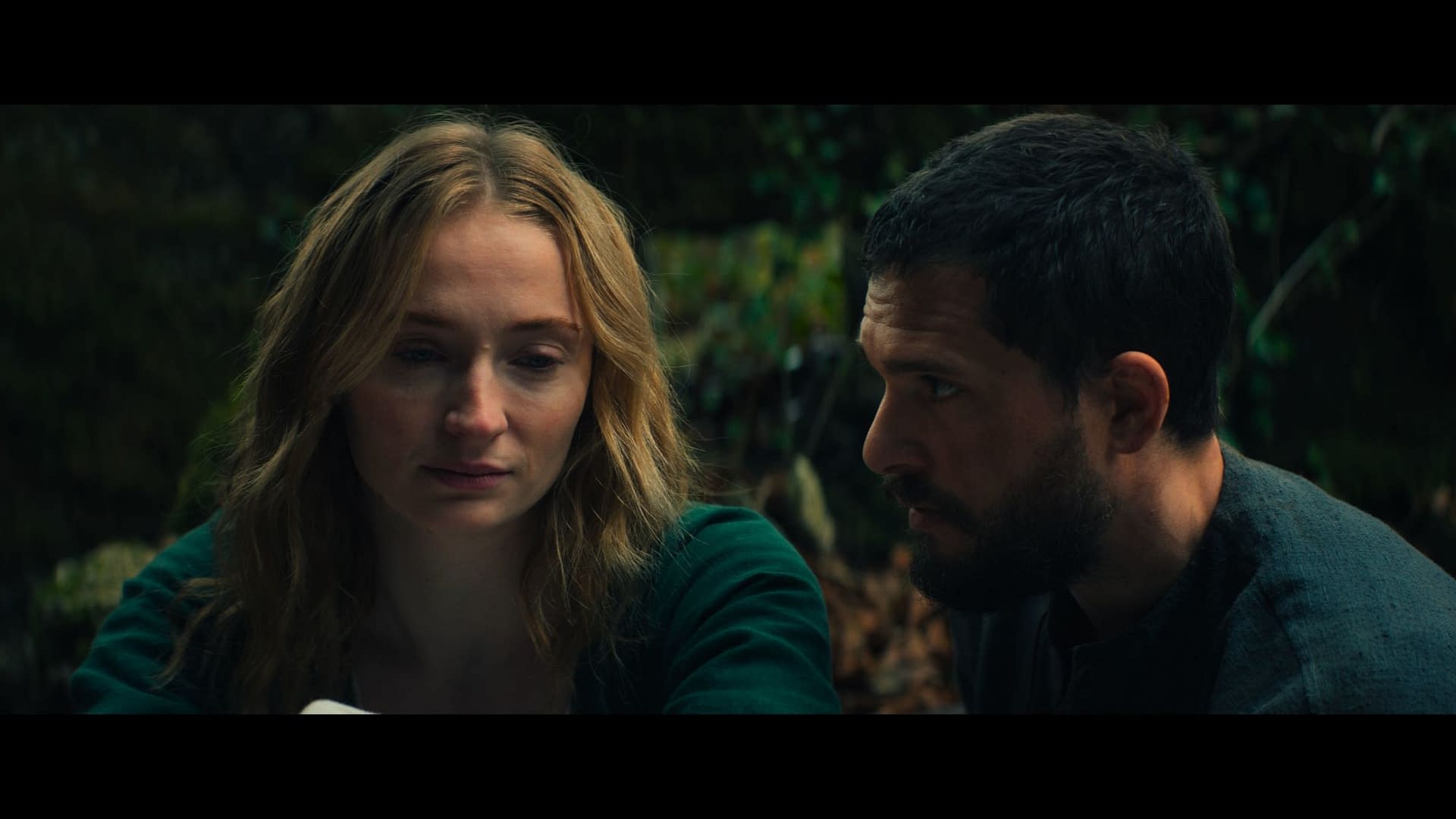
The Dreadful Director Natasha Kermani on Bringing Medieval Horror Thriller to Life
BC: What's the inspiration behind The Dreadful?
This is a project that I started working on a long time ago, writing it back in 2017, and the seed of it comes from a folktale that was also adapted into an absolutely beautiful film [Onibaba], a Japanese film from 1964. The folktale's a morality play that follows a mother-in-law and a daughter-in-law, and I couldn't get…I would love this idea of this relationship between these two women, specifically an older woman and a younger woman, who through circumstance had been thrown into this codependent relationship, and how that starts to fall apart. That to me was really engaging and an exciting idea for a relationship at the core of a movie, especially a genre movie.
You have some high-profile names there. How did you get Sophie, Kit, and Marcia involved?
I wrote the script a long time ago and had a lot of trouble sort of getting it off the ground, and I had actually shelved it and thought, "Okay, well, maybe this is a script that exists as a script, I never get to make it, and that's okay." An agent of mine was asking about the project and actually had the idea. He said, "Well, what about Sophie Turner?" I thought that was an interesting out-of-the-box idea, because none of us had seen her back in this medieval setting since [Game of] Thrones. He sent it to her English agent, who read it and wanted to do the movie, so that really got the ball rolling. When Sophie was attached, she sent it to Kit, because they had been looking for something to work on together and felt like maybe this was an opportunity to do that.
How did Marcia get involved?
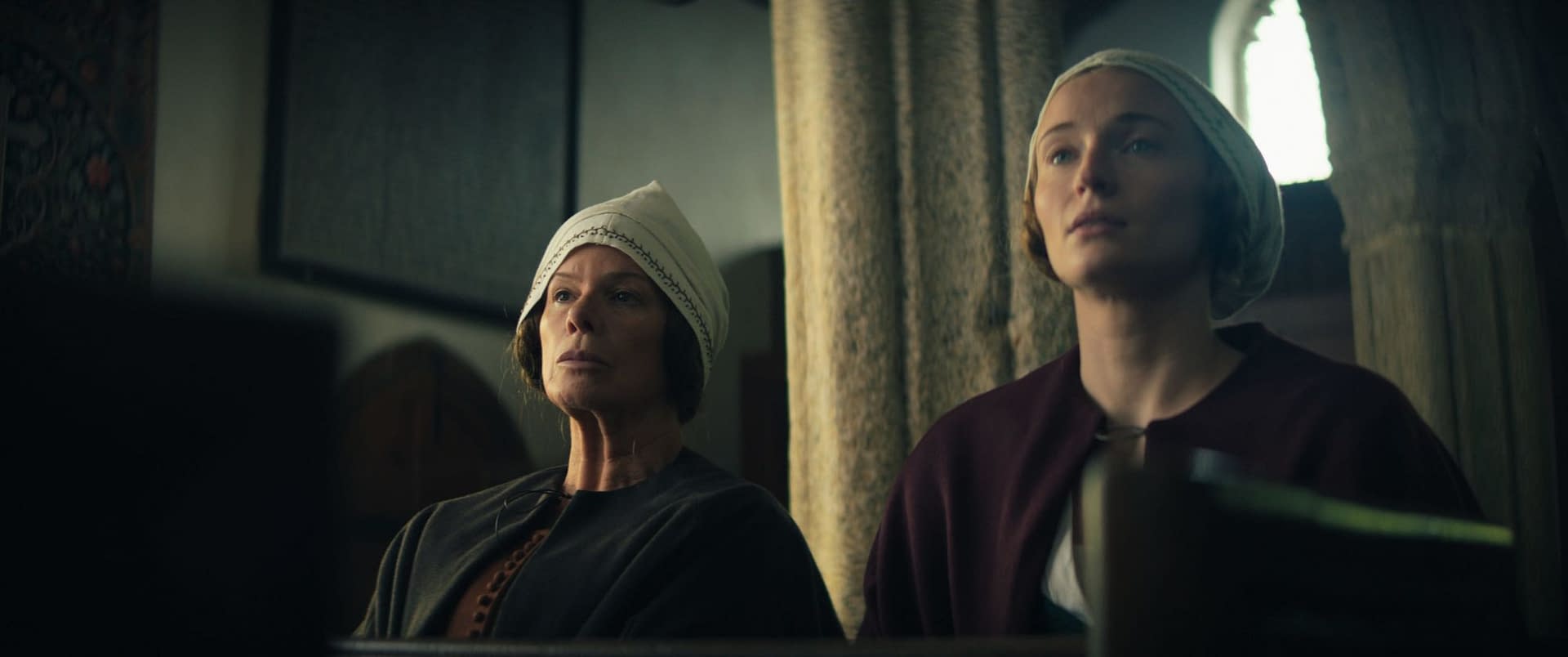
Marcia was the last piece of the puzzle, and we knew we just needed someone awesome for this role [of Morwen] to fill out the trifecta. She came up in conversation as she had worked with one of our EPs previously, and so he sent her the script. She also responded to it, thinking, "There's something I can sink my teeth into here." Again, the cast really came together in a very organic way, almost like a friends-and-family approach, rather than a casting director making cold reach-outs.
I remember reading about how Sophie and Kit were uncomfortable having played siblings for as many years on Thrones, but now playing lovers. I'm wondering if they conveyed that to you when you were filming, and how you got through it?
Yeah, no, it was very funny. I think everybody has such a good sense of humor that they just laughed at it, because they have such a beautiful friendship of growing up together on Thrones, and their relationship is much more like siblings in real life [laughs]. I think everyone had to have a good sense of humor. Of course, they're professionals; they sell it, and I think their chemistry in the movie is awesome and believable. Yeah, they were very funny about it. I think it became a joke after a while.
When you made this film, did you approach it differently than maybe your previous work? Or was there something that you have an ebb-and-flow going on already?
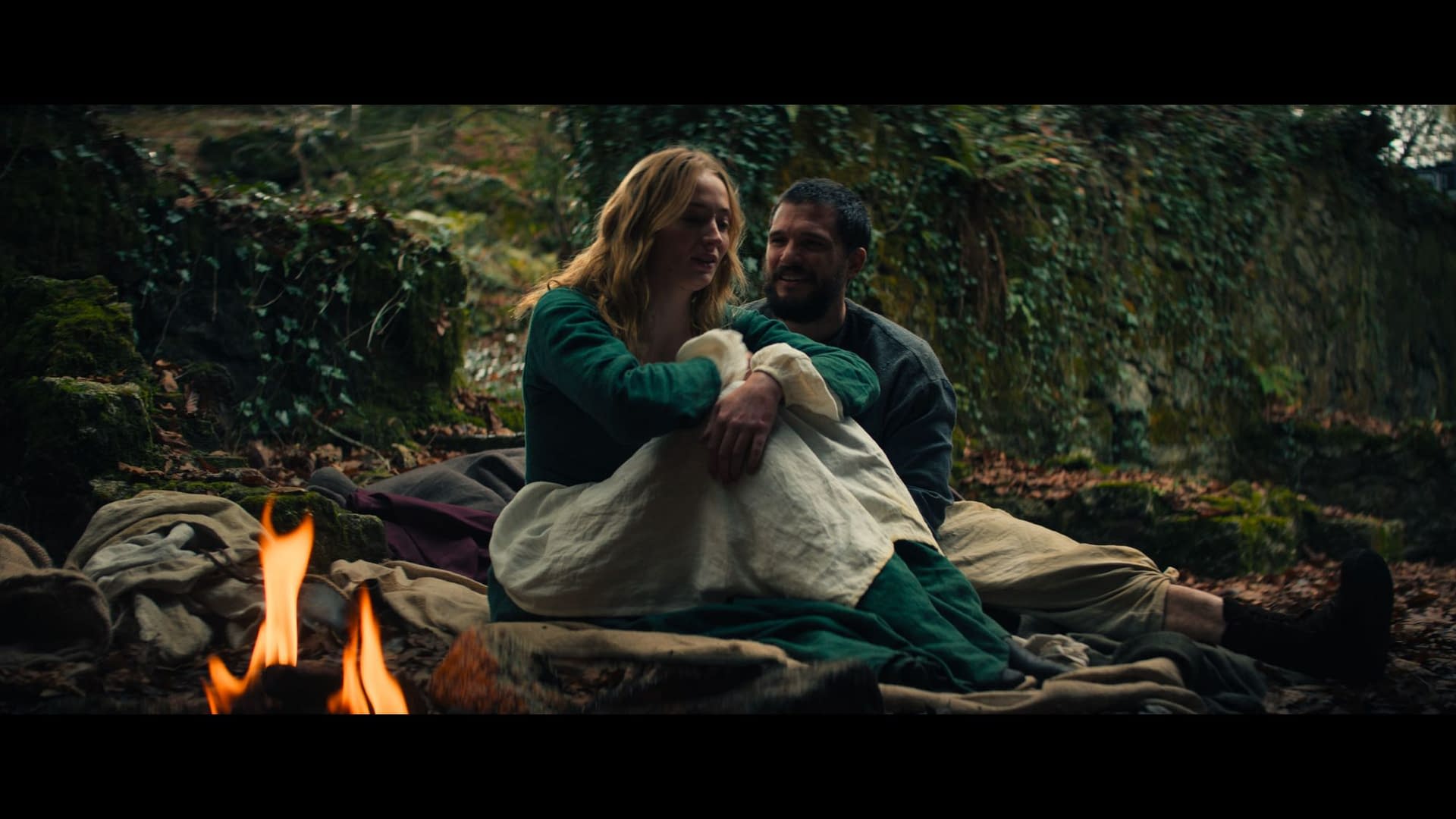
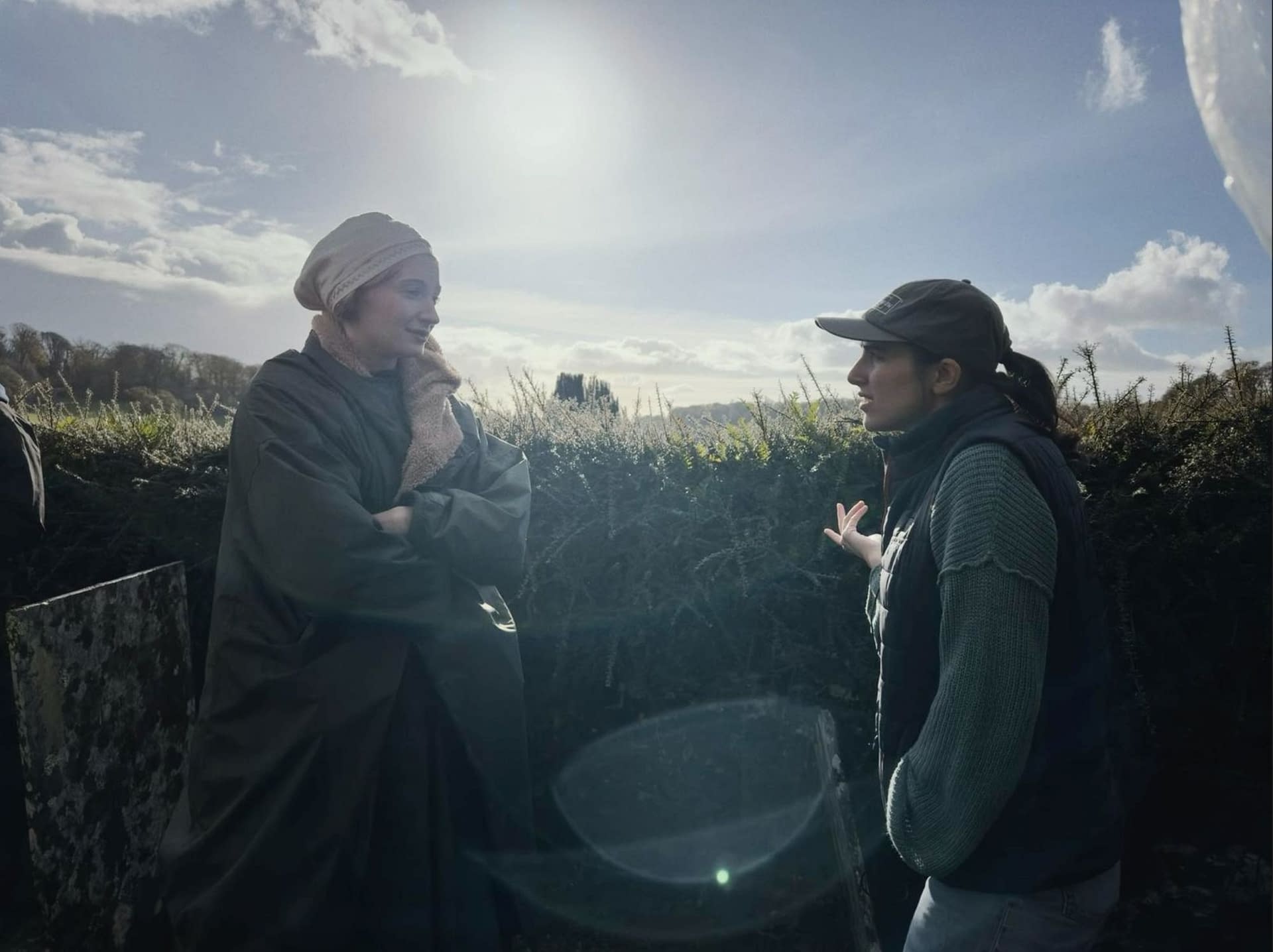
Yeah, I was able to work with some of my long-time collaborators on this. My DP, Julia Swain, came with me to England, but we were shooting out in the elements, so you come in with a plan. We're strict about our prep process. We have a very specific shot list, a lighting plan, and then the weather strikes and changes the plan [laughs], so we knew that going in that we'd have to roll with the punches. There was going to be a degree of winter shooting in England, but we lost some locations when it rained, not to mention it was very cold, et cetera. I think being flexible while still making sure we were getting the heart of the story, without compromising the story itself, but being a little more flexible on some of the logistics.
Speaking of logistics, was there like availability with certain talent that affected how filming was, maybe you had to cut corners or change some things up to fit their schedule?
Initially, we were thinking about shooting the film in the spring, which I wasn't loving, because I wanted the harshness of winter, and then we had a casting availability problem, so we had to push it to October or November. I'm glad that we did, because I think there's something much starker and desolate about seeing the colors, the bare bones trees, rain, all that. I think it is obviously a more miserable experience for everybody on set, but it adds a whole other layer of…like you can reach out and touch the environment that we're in.
Can you break down some of the fight choreography and how those sequences played out?
Yeah. You must remember, we shot this movie very quickly, so it was always about simplicity. It's like, "What is the most efficient way to capture in a way that this interesting and engaging sequence for the audience to experience?" It's that practice of, "What is the simplest way through these sequences that is still evocative of the tone of the film? We were specific and prescriptive with where the camera was placed and how we were blocking around the characters for those scenes. Of course, horror in those sequences needs planning, right? We would try on our scouting trips a lot of pre-vis, figuring out how we could do this in as few shots as possible.
Were there any scenes that were more difficult to pull off than others, considering the conditions?
Oh, man! You would think it was the horse and the knight sequence and these big ticket items, right? Operating in that little hut was some of the most difficult stuff, and keeping the space feeling fresh, because it is such a dominant location throughout the film. We had one removable wall, so we tried to take advantage of it and give as many different angles as possible within the hut. Yeah, being in tight places like that is often more difficult than working with animals, stunts, or anything like that. I love stunts, and those bigger things are always like super fun days. Also, the days when you're a little bit more cramped end up being the harder ones.

The Dreadful, which also stars Laurence O'Fuarain, is available in theaters, on demand, and digital on February 20th.
Enjoyed this? Please share on social media!



Stay up-to-date and support the site by following Bleeding Cool on Google News today!