
 About
About 

Simon Birks and Willi Roberts talk about adapting HP Lovecraft's The Thing on the Doorstep for Top Cow Comics with an updated approach
Posted in: Amazon Studios, Books, Current News, Pop Culture, Review, TV | Tagged: Alan Ritchson, Andrew Child, Reacher
Reacher Author Andrew Child Hits His Fun Stride with "Exit Strategy"
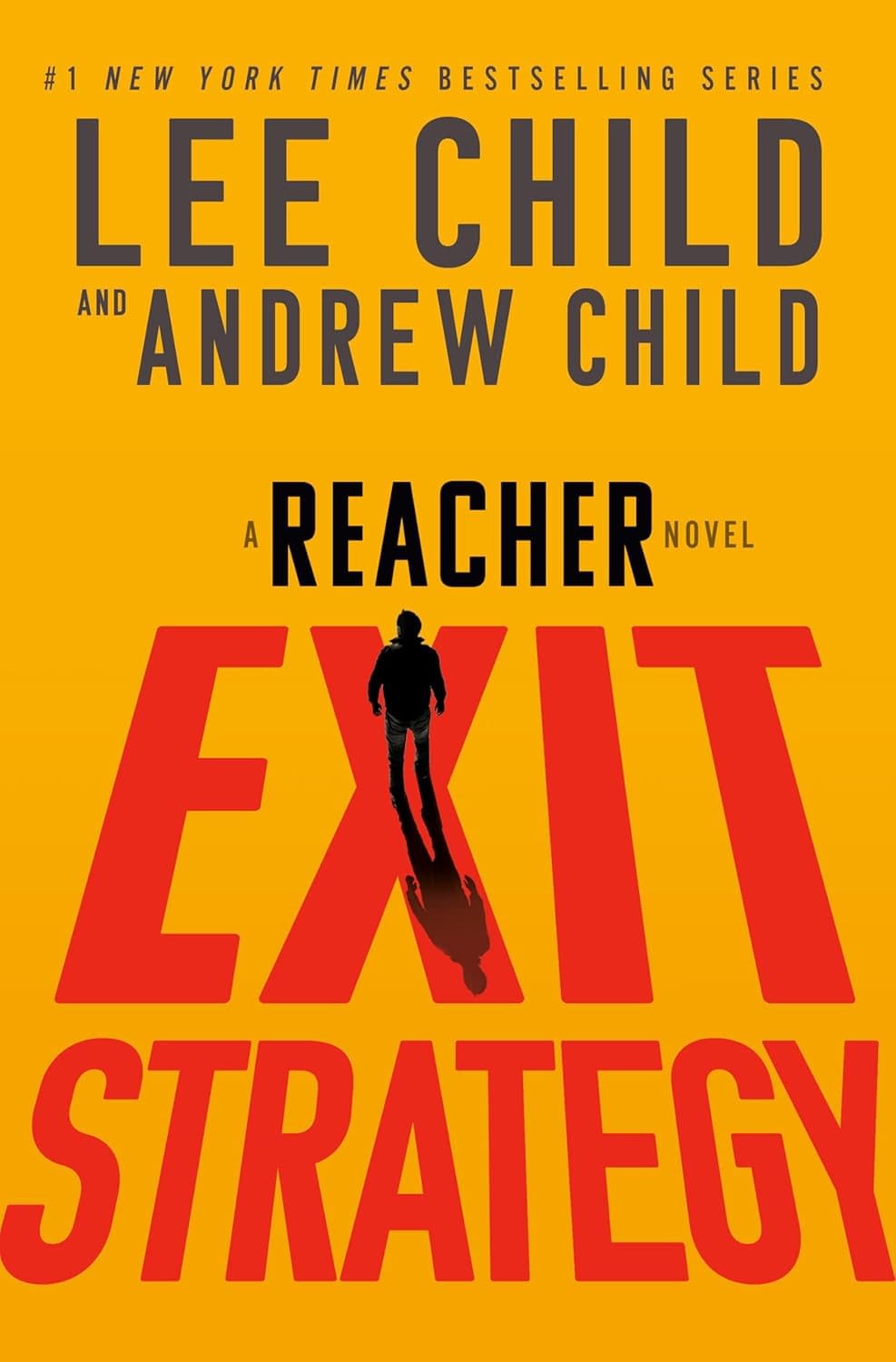
The latest Reacher novel, Exit Strategy, shows Andrew Child hitting his stride as the author of the books since taking over from Lee Child.
Article Summary
- Andrew Child finds his stride with Exit Strategy, bringing fresh humor and tighter plotting to Reacher.
- Jack Reacher tackles a new con as Andrew Child explores what motivates him to keep fighting bad guys.
- The novel blends dry wit, violent justice, and self-aware deconstruction of classic Reacher tropes.
- Exit Strategy delivers a confident, entertaining take on Reacher's signature might-makes-right style.
"Exit Strategy", the 30th Jack Reacher novel, is out, and the more things change, the more they stay the same, but in the best way possible. A new Reacher novel is now an annual event, and for some readers, a yearly ritual. However, Lee Child has retired from writing the novels to oversee the TV series. His younger brother, Andrew Child, has now taken over the book under his oversight, and the latest novel sees the younger Child hitting his stride as the primary writer of the chronicles of the world's premier wandering vigilante. It's his most confident, best-plotted and funniest to date.
In "Exit Strategy", Jack Reacher comes to a town to see a band he likes. He plans to get on a bus afterwards to continue his life of leisurely wandering across America, only stopping to serially murder evil people on the way. Every Reacher novel is a thought experiment asking, "What if Jack Reacher deals with this particular situation?" In the latest book, the question is "what makes Jack Reacher bother to help out someone in trouble when he could just fuck off at any time?" That's the most interesting and pertinent question for every thriller, or most broadly, every story.
Andrew Child Explores Why Reacher Bothers to Fight Bad Guys
"Why is this happening now, and why should we care?" is the most crucial question every author has to answer, and Andrew Child spends a certain amount of time answering that question. This might be the first book that directly addresses that question, and it does without changing anything, just adding a bit of extra shading to it. The answer isn't necessarily deep, but it doesn't need to be. Reacher is a wrecking ball that walks like a man. "Time had taught him that he had two natural states: violent, explosive action or quiet, almost comatose inactivity" might be the most succinct summation ever of everyone's favourite Wrecking Ball That Walks Like a Very Large Man.
An almost farcical series of events puts Reacher in a unique position. He witnesses a conman bilk a pair of pensioners out of their life savings and decides to intervene simply because he dislikes people doing bad things. The time it takes for him to do it results in a case of mistaken identity when a man in even bigger trouble thinks Reacher is the guy he was supposed to meet. Reacher initially plays along out of curiosity, and since he doesn't have anything better to do, he is then presented with the decision of whether to help. Of course he does, or it wouldn't be a Reacher story.
Reacher seldom has a personal stake or investment in a stranger's problems. He often does it just because it's the right thing to do, or, as Lee Child said, it's also because he hates letting the bad guys get away with it. When you think about the body count across 30 books now, Reacher might be the most prolific serial killer in crime fiction, though the people he kills deserve it. The escapist draw of these books is Reacher's might-makes-right approach to righting wrongs, what some pundits have jokingly called "artisanal fascism". You could say that Reacher doesn't really need to fight evil and kill so many people – the fundamental need comes from his readers and the 25 million worldwide and growing TV audience.
There's an even greater sense of wry self-awareness in Child's writing here, possibly more than ever. There's a smoothness to the plotting, an increased confidence in the way Child presents Reacher's thought processes, and much of the book is nastily, drily funny as Reacher uncovers a big plot that combines a city's minor crime syndicate and a Private Military Company's secret contract with a government official to revolutionise warfare for more profit. The plot gimmick is fun and engaging, but the real draw is once Reacher's dry humour and drier violence, leaning even more profoundly and precisely into his "doesn't give a shit and ploughs right through" approach to every problem he sees. Reacher will never change. That's his main appeal. Both Lee and Andrew Child know it, but we've reached a point where they can subtly start to deconstruct the series' tropes in a way that doesn't make the books any less enjoyable.
Exit Strategy: A Reacher Novel is now available.
Exit Strategy: A Reacher Novel

9/10
The 30th Reacher novel and Andrew Child's sixth as author might be his most confident and funny to date, sneaking in a subtle deconstruction of why Reacher bothers staying to investigate, expose and then kill the bad guys when he has no real personal stake in it. The basic formula stays the same, but it's what Child does colouring inside the lines that makes this the most fun novel in the series for a long time, and one of the funniest, in the nastiest way possible.
Enjoyed this? Please share on social media!



Stay up-to-date and support the site by following Bleeding Cool on Google News today!