
 About
About 

Crunchyroll Anime Nights tickets are now on sale for Fruits Basket -prelude-, the theatrical prequel to the hit anime series Fruits Basket.
Posted in: Amazon Studios, BBC, TV | Tagged: The Night Manager
Why The Night Manager Season 2 Twist Wasn't THAT Big of a Twist
The "big twist" in The Night Manager season 2 turns the TV adaptation of John le Carré's original standalone novel into an ongoing franchise.
Article Summary
- The Night Manager season 2's big twist was heavily foreshadowed from the start.
- Season 2 extends John le Carré's original one-off novel into an ongoing TV franchise.
- Jonathan Pine is pulled back undercover as Roper continues to haunt the storyline.
- The series leans into franchise territory, keeping its hero-villain rivalry front and center.
The first three episodes of the second season of The Night Manager are now available both on Prime internationally and the BBC iPlayer in the UK, and the end of the third episode features a "big" twist that was really teased very obviously right from the first season of the first episode all along. It says something about sequels not letting go of what worked before, and your mileage may vary depending on how much you like the show.
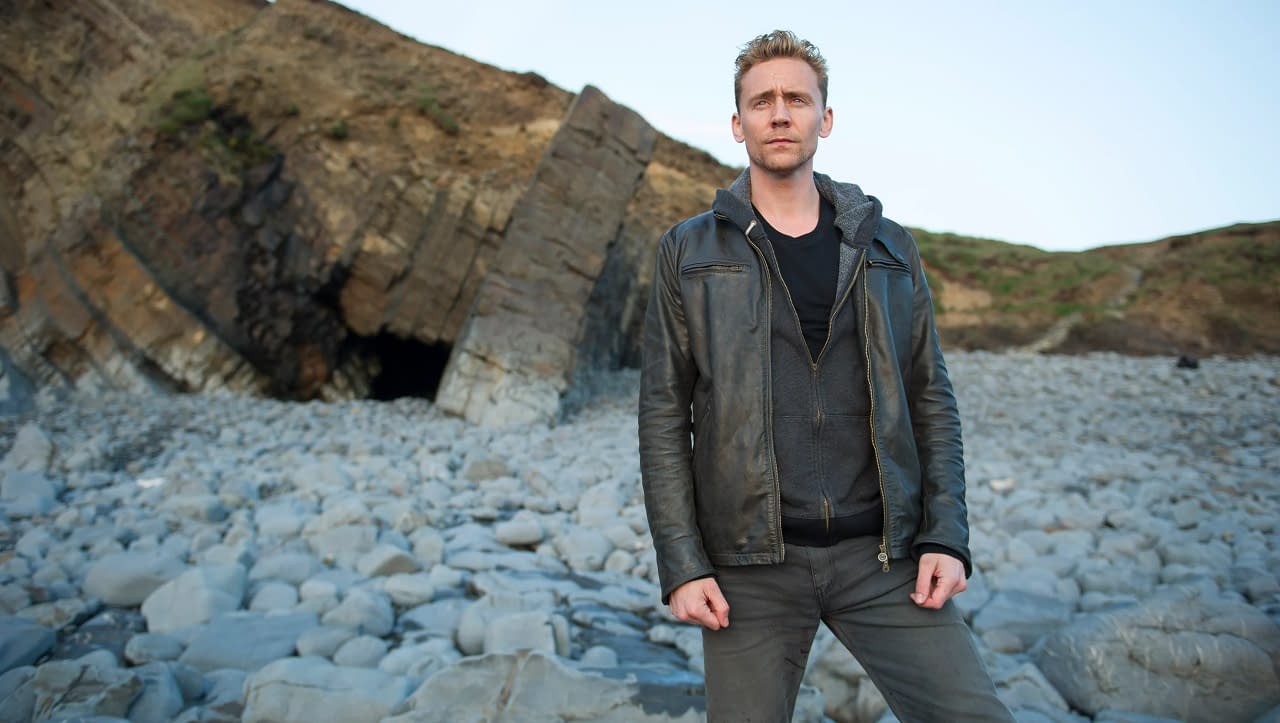
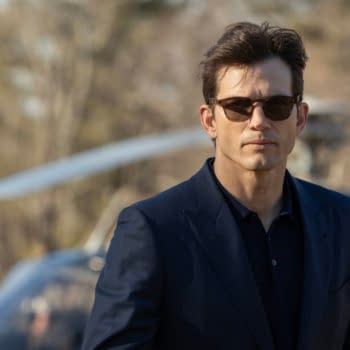
The Night Manager is the first "official" sequel to an adaptation of the John le Carré novel that he initially vetoed when he was alive, but changed his mind in his final months and granted his literary estate permission to produce a sequel. The original book was a one-and-done story, and both the book and TV adaptation are the rare recent Le Carré novel that had a reasonably happy ending where the bad guy is vanquished, and the hero doesn't end up dead. Series writer David Farr conceived a sequel idea that they felt did the story and characters justice. The justification for continuing the story is the shadow that villainous arms dealer Richard "Dickie" Roper Hugh Laurie casts on the story well into the second season. The heart of the first season was the surrogate father-son entanglement between Dickie Roper and Jonathan Pine (Tom Hiddleston), as the latter worked undercover to help British Intelligence bring him down. Season two has Pine risk his life and safety to embark on a new undercover op to uncover the mission of Colombian arms dealer Teddy Dos Santos (Diego Calva), a self-confessed heir and successor to Roper.
That Big Twist We All Saw Coming that Makes This The Night Manager
The opening minutes of season two have Pine and intelligence officer Angela Burr (Olivia Coleman) identifying the corpse of Roper, who his jailers reportedly executed. Jump a few years later, where Pine has a new identity, working as a different kind of night manager: he leads a surveillance unit that watches people on the UK government's watchlist who arrive in the UK. He's shocked to see a cohort of Roper's in London and suspects Roper's agenda is still being carried out. When members of his team are killed, he goes off-book to infiltrate Teddy Dos Santos' operation to bring it down. This is the same plot as Timothy Dalton's second and final James Bond film, License to Kill, only classier with smoldering face-offs instead of car chases and daring stunts.
So what's the twist at the end of episode three? Why, Dickie Roper is alive. That's a shock. It's supposed to be a shock to the viewer, but it was telegraphed right from the start of the season when they actually showed Hugh Laurie as Roper playing dead on a slab. From a practical view, Laurie is a very expensive actor, and you don't hire him for a cameo to play a corpse. Of course, he's going to show up alive later to show that his evil lives on, and the British government is complicit in it, which is a point le Carré has been making in his later novels as an expression of his disillusionment with post-Cold War governments. This kills two birds with one stone: Hugh Laurie is the series's charismatic Big Bad, posing the biggest challenge to hero Jonathan Pine. He represents the ongoing evil of war for profit that drives this universe, and the central struggle between hero and villain remains intact. The le Carré universe has its own James Bond-style franchise.
Enjoyed this? Please share on social media!



Stay up-to-date and support the site by following Bleeding Cool on Google News today!