
 About
About 


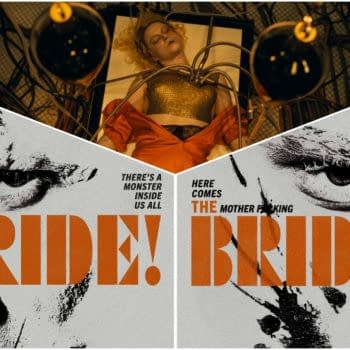
The Bride! star Christian Bale says that they "cherry-picked" when it came to designing their version of The Creature.
Posted in: Cinemacon, Movies, Netflix, Warner Bros | Tagged: cinema united, netflix, Warner Bros
Cinema United Issues A Statement On The Warner Bros. Acquisition
Cinema United, the organization that represents exhibition, movie theaters, and more, has issued a statement about the Warner Bros. acquisition.
Article Summary
- Netflix has officially acquired Warner Bros., raising major concerns in the film exhibition industry.
- Cinema United warns the deal threatens theaters worldwide, from large cineplexes to small-town independents.
- President Michael O’Leary urges regulators to scrutinize Netflix’s limited support for theatrical exclusivity.
- With Amazon MGM Studios pushing theatrical releases, the industry is watching for Netflix’s next move on films.
Yesterday, it was becoming more and more apparent that Netflix was looking to be the one to come out on top when it comes to acquiring Warner Bros. Pictures. This morning, it became official: one of the oldest studios in the industry is now under the arm of the first streaming service. It's one of those things that the industry has been terrified of for years and despite Netflix co-CEO Ted Sarandos assuring everyone that, "It's not like we have this opposition to movies into theaters," but instead, "My pushback has been mostly in the fact of the long exclusive windows, which we don't really think are that consumer friendly," and that is not good for the exhibition business. Early this morning, before it was even official, Cinema United President and CEO Michael O'Leary put out a statement about the possible [at the time] acquisition, and needless to say, exhibition is very worried.
"The proposed acquisition of Warner Bros. by Netflix poses an unprecedented threat to the global exhibition business. The negative impact of this acquisition will impact theatres from the biggest circuits to one-screen independents in small towns in the United States and around the world," said Cinema United President and CEO Michael O'Leary. "Cinema United stands ready to support industry changes that lead to increased movie production and give consumers more opportunities to enjoy a day at the local theatre. But Netflix's stated business model does not support theatrical exhibition. In fact, it is the opposite. Regulators must look closely at the specifics of this proposed transaction and understand the negative impact it will have on consumers, exhibition and the entertainment industry."
-
- Outside views of the Warner Brothers Studios Buildings on September 13, 2015. Editorial credit: Oscity / Shutterstock.com
-
- Sep 20, 2019 San Francisco / CA / USA – AMC IMAX logo above the entrance and box office in downtown San Francisco. Editorial credit: Sundry Photography / Shutterstock.com
-

- LOS ANGELES, April 8th 2025: Netflix logo close up outside Netflix studios Hollywood building on Vine Street. Editorial credit: Alex Millauer / Shutterstock.com
"Netflix success is television, not movies on the big screen. A true commitment to exhibition means a robust slate of movies with a meaningful period of theatrical exclusivity supported by marketing. Sporadic and truncated theatrical releases to meet awards criteria in a handful of theatres is not a commitment to exhibition," O'Leary added. "Movie theatres are cultural and economic anchors of communities of all sizes—we are a Main Street industry. Research shows that for each dollar spent in a local movie theatre, an additional $1.50 is spent in surrounding businesses in the community—restaurants, bars, shopping centers, transportation. That is what is at risk here if we sanction fewer movies in the marketplace. Theatres will close, communities will suffer, jobs will be lost."
There are a lot of reasons for a group like Cinema United to be nervous, and we can expect lots of industry experts to have a lot of opinions about what the possible future of Warner Bros. might look like. However, if people are looking for a possible future, we might need to look at Amazon MGM Studios. Amazon has committed itself to the theatrical model entirely, promising to release double-digit films in 2026, including some massive movies with the potential to perform extremely well. Everyone should be watching Amazon MGM Studios in 2026 because if they do well, that might be the model that Netflix could follow for Warner Bros. in the future.
Enjoyed this? Please share on social media!



Stay up-to-date and support the site by following Bleeding Cool on Google News today!