

 About
About 

Simon Birks and Willi Roberts talk about adapting HP Lovecraft's The Thing on the Doorstep for Top Cow Comics with an updated approach
Posted in: BBC, CBC, Doctor Who, Review, TV | Tagged: doctor who, the war between the land and the sea
Doctor Who: The War Between Blockbuster Clichés and Low Budgets
After a promising opening act last week, Doctor Who spinoff The War Between the Land and the Sea gets bogged down with unsurprising clichés.
The Doctor Who spinoff The War Between The Land and The Sea heads into the second act of its blockbuster plot this week, with episodes three and four ramping up the complications. A totally expected betrayal causes everything to go horribly wrong for Barclay (Russell Tovey), Aquakind ambassador Salt (Gugu Mbatha-Raw), and Kate Lethbridge-Stewart (Jemma Redgrave), because what's the point of a drama if everything goes wonderfully right? The whole point of drama is for things to go wrong so we can see how the heroes manage to get out of trouble or fail to. The main drawback here is that nothing that happens in these two episodes is surprising. If you've seen enough thrillers and blockbusters, you can pretty much see it all coming. Pete McTighe wrote these episodes, and they rely more on plot than wit or inventiveness, which showrunner Russell T. Davies and his mate Steven Moffat often employ to undercut or subvert the clichés.
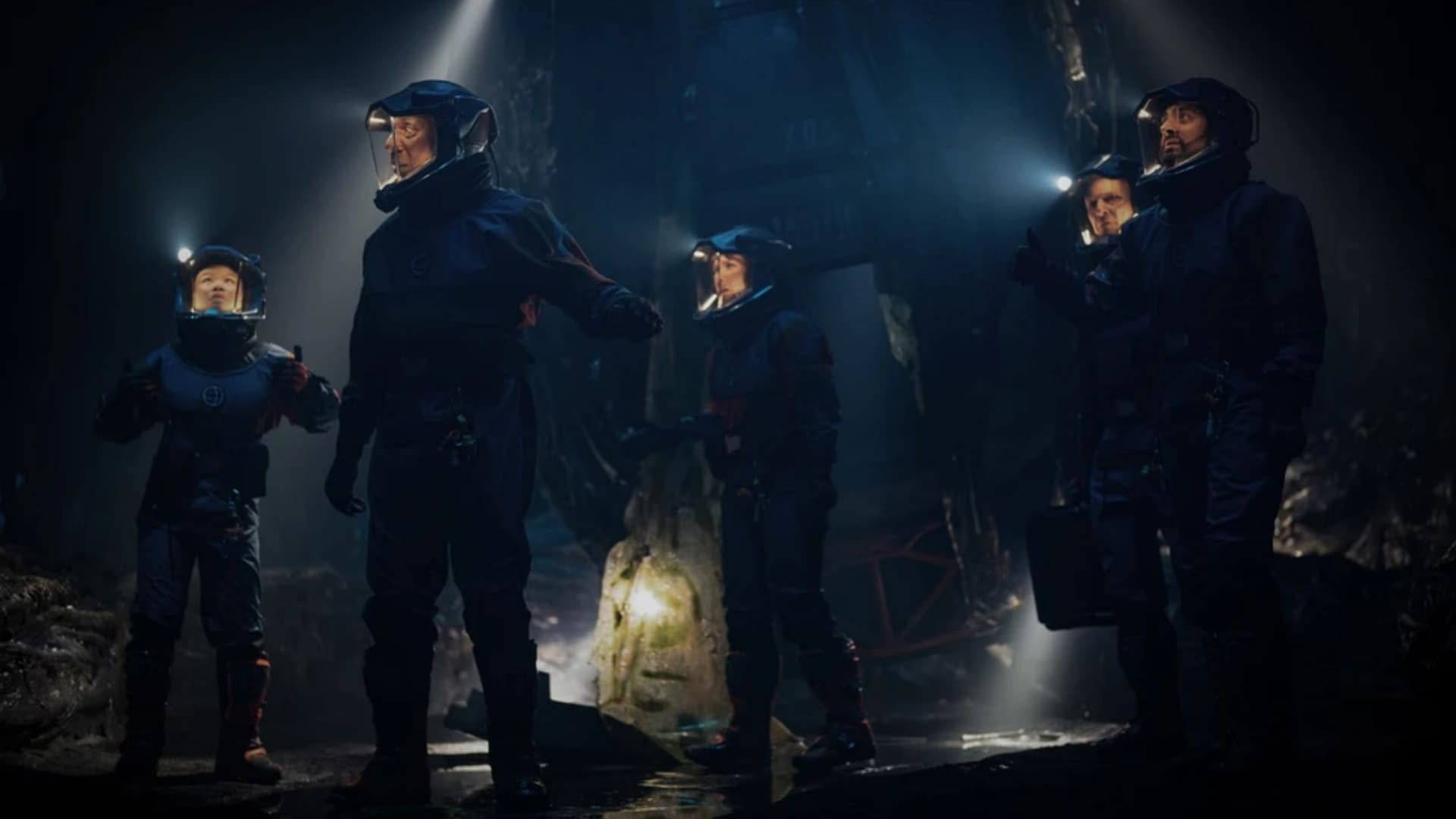
So what are the clichés? Of course, craven, greedy humans want to go to war, some for profit, others because they're just warmongers arrogant enough to think they would win. But the script makes odd choices without proper explanation. Why would a US Army General be put in charge of British troops to deal with the Aquakind? The British Army would have been very pissed off about being sidelined here. The reasoning is that this allows Kate and UNIT to represent the sensible part of the British military, despite UNIT being an international force.
We totally called it. The Kate Lethbridge-Stewart Deathwatch comes to an end here with the swerve we saw coming. Because this is episodic, the pacing has to be drawn out so that characters can be shown being sad and crying one time too many. Once is usually enough before it gets repetitive. Also, why doesn't Kate have a bodyguard detail or at least reinforced bulletproof glass in her flat? Chris Chibnall actually wrote a smarter Kate during "Flux," where she was always prepared for possible attempts on her life and had a Plan B in place.
Proof That You Need a Big Budget to Sell Blockbuster Clichés
These two episodes of The War Between the Land and the Sea follow all the common tropes (or is it clichés?) often expected of this type of plot, where everything you thought would happen does happen in fairly unsurprising ways. But is that so bad? After all, we expect those plot tropes to show up in blockbusters as part of their comfort food recipe. The problem could be that this is a BBC show, and they can't always have the kinds of budgets Hollywood studios put into their movies. The other problem is that the things you expect to happen seem to happen a bit too easily, both good and bad, when you might have expected it to be a bit more complicated. That makes it feel very small-scale, almost like a cargo cult version of what the BBC thinks a Hollywood blockbuster is like. The sense of simplicity also makes it feel like a kid's show again, or, well, Doctor Who, when this is supposed to be more adult-oriented, or at least PG.
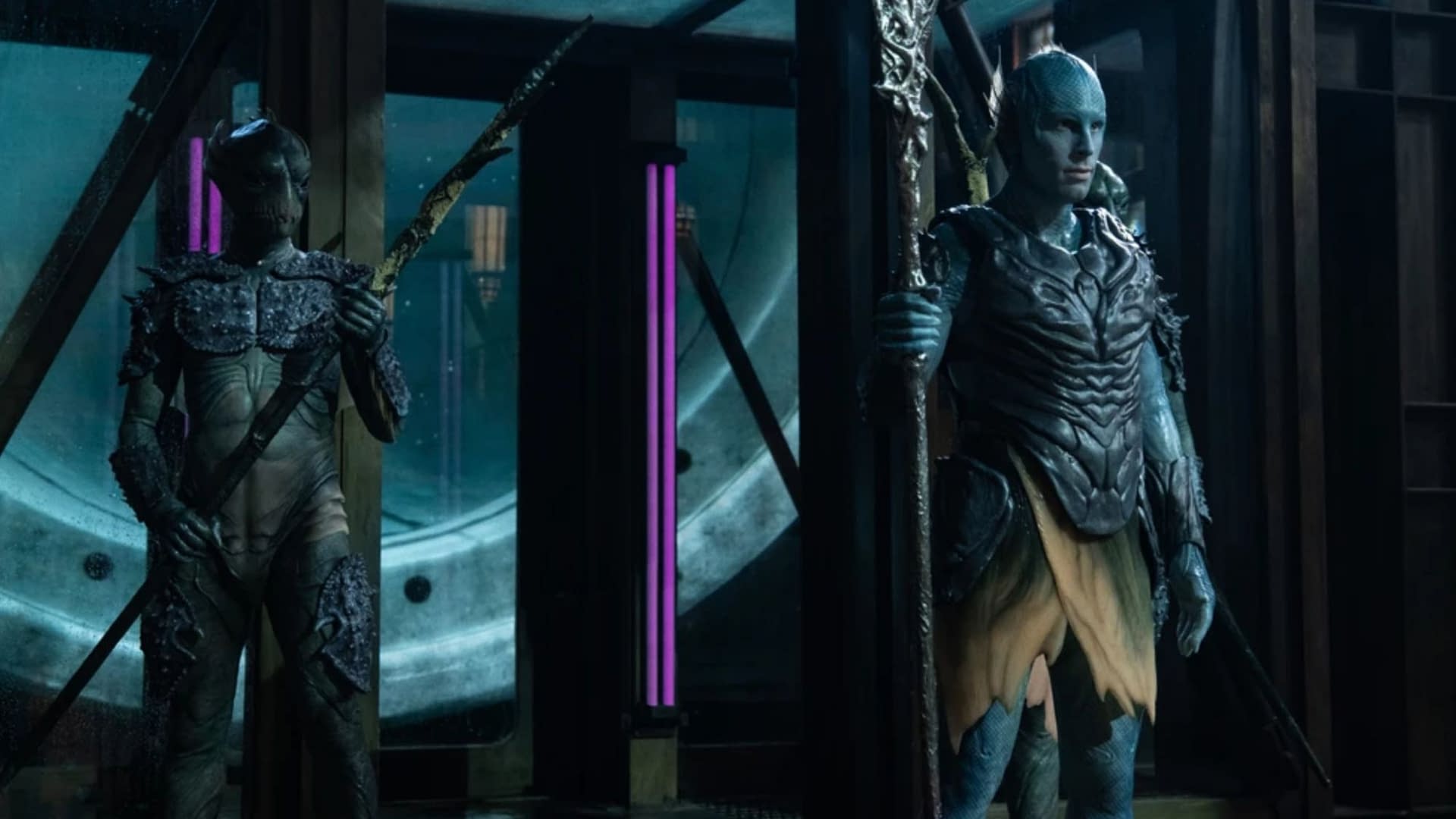
Case in point: a significant event happens off-screen. We're told, "They all died," when it would have been more impactful to see it happen. That's what a theatrical feature film would have done: shown it. Instead, this reminds us that this is a low-budget BBC show. They didn't get that much Disney money after all. We're supposed to be in awe of the Aquakind and the underwater world, but the BBC doesn't have the budget to match what we've seen in the recent Aquaman movies. It's tough to feel horrified that "they all died" when "they" were previously just standing in front of a Green Screen before it cuts away from them, and we never see them again.
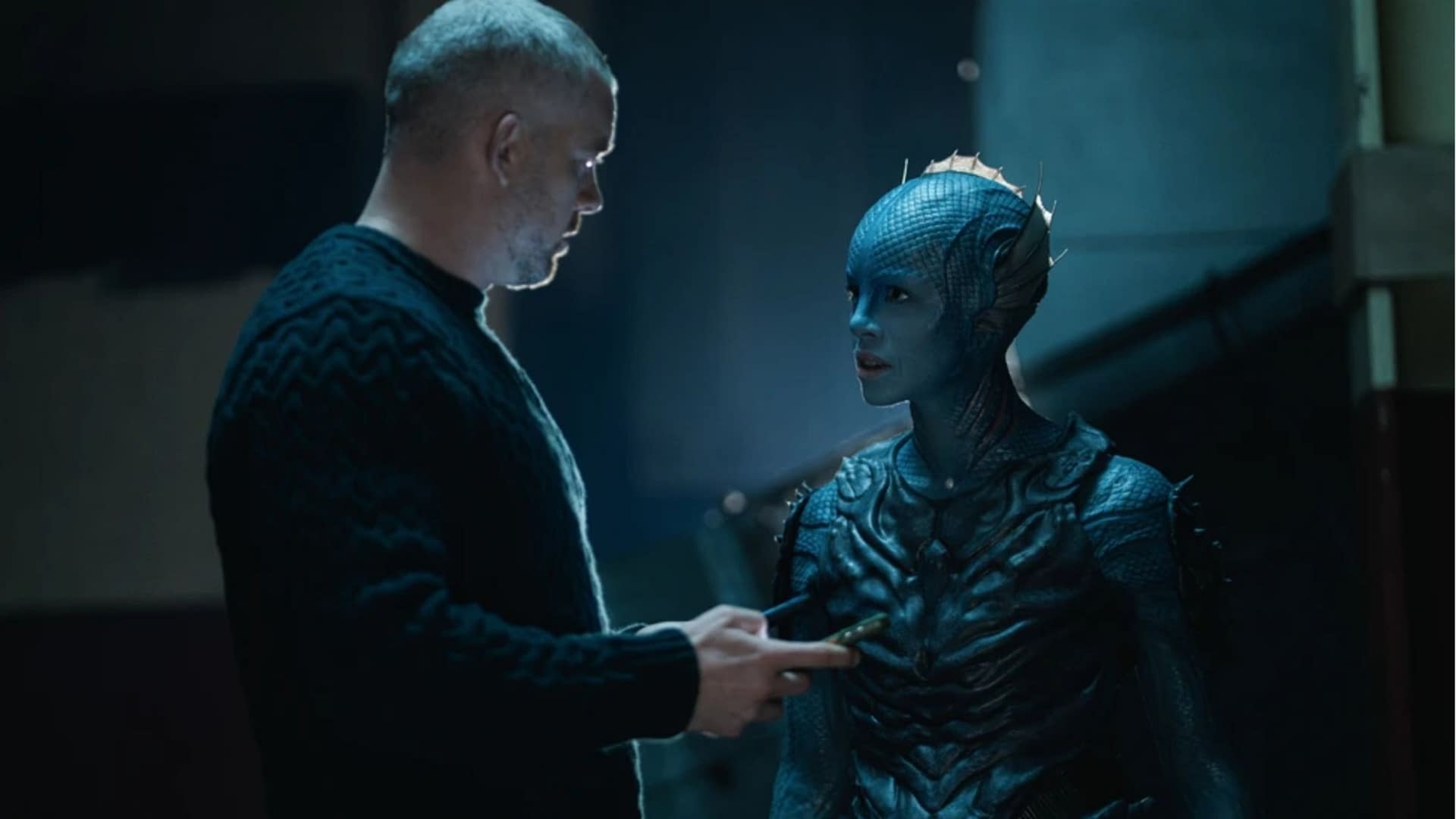
Perhaps the problem here is pacing. The four 45-minute episodes, with the fifth and final one left to come, are really a two-hour movie stretched out to a 210-minute binge. That leaves too much time, especially in the third episode, spent on unsurprising and obvious character moments where the cast sit around talking about how scared they are about what could go wrong. Repetition is the enemy of suspense here, and you're just waiting for something to happen. Then something does happen, and it's exactly what you figured would happen. There wasn't enough wit or surprise in the writing to make those obvious character moments worth sitting through. The only moments that really stood out were those where Barclay and Salt developed their love story. We saw that coming too (granted, Davies pitched it from the start): this is a show for people who loved Guillermo del Toro's The Shape of Water. This show is for the fish-fuckers! But seriously, the only truly interesting parts of these two episodes were the sparse bits of Aquakind lore and Salt revealing her cool superpowers, and those are very few and far between.
Doctor Who and Its Spinoffs Need More Surprises Than This
Doctor Who and its best spin-offs are best when they surprise us, and the problem with The War Between the Land and the Sea is that it doesn't really surprise us. We've seen all these tropes before, and it's very noticeable when Davies or Moffat aren't the ones writing. When Doctor Who fails to surprise, that's when the show is in danger of dying, not whatever "woke" is. But let's not get ahead of ourselves. The first two acts are over, and next week's episode is the final act. Davies wrote the finale, and it all depends on whether he sticks the landing.
The War Between the Land and the Sea is only available on BBC One and iPlayer in the UK, exclusively for BBC licence fee holders. Disney has not yet announced a streaming date for the rest of the world.
The War Between The Land and The Sea Episodes 3 & 4
7/10
The Doctor Who spinoff heads into the second act of its blockbuster plot and follows all the common tropes (or is it clichés?) often expected of this type of plot where everything you thought would happen does happen in fairly unsurprising ways. But is that so bad? The problem could be that this is a BBC show, and they can't always have the kinds of budgets Hollywood studios put into their movies, so it comes off as underwhelming on a number of levels when it should feel epic.
Enjoyed this? Please share on social media!



Stay up-to-date and support the site by following Bleeding Cool on Google News today!