
 About
About 
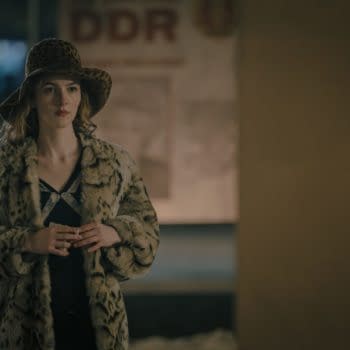
The BBC released first-look images from Honey, a spy series set in 1980s Berlin that was originally pitched as a prequel to Killing Eve.
Posted in: BBC, Current News, Doctor Who, TV | Tagged: doctor who
Doctor Who: Sorry, But UNIT Has Never Been Cool (And For Good Reason)
Over on Doctor Who, U.N.I.T. has its fans, but it's more akin to "comfort food" than "cool," especially given the dark turn that it's taken.
Article Summary
- UNIT in Doctor Who is more comfort food than cool, often failing to truly save the day with militaristic tactics.
- The classic era portrayed UNIT as well-meaning but ineffective soldiers, never truly the heroes of the story.
- Modern UNIT under Kate Stewart is darker, secretive, and faces criticism for quasi-fascist actions and cover-ups.
- UNIT's popularity relies on its strong leaders, but its ambiguous morals keep it from being genuinely cool.
UNIT or U.N.I.T. (Unified Intelligence Taskforce) occupies a special place in Doctor Who lore. It's the go-to paramilitary organization that every major Science Fiction series seems to need. In the cast of Stargate or Star Trek, the paramilitary organization is the star of the show. In Doctor Who, it's an occasional supporting faction, which leaves the series with more room to be ambivalently pro or con about it. After all, the Doctor is a pacifist who distrusts militarism, and therein lies the long-running contradiction in the series. U.N.I.T. are a frequent ally of the hero's, though they often keep it at arm's length for good reason, but every facet of a show always has fans, and U.N.I.T. certainly has its share of fans. One thing U.N.I.T. has never been, though, is cool. U.N.I.T. has never been cool, and for good reason.
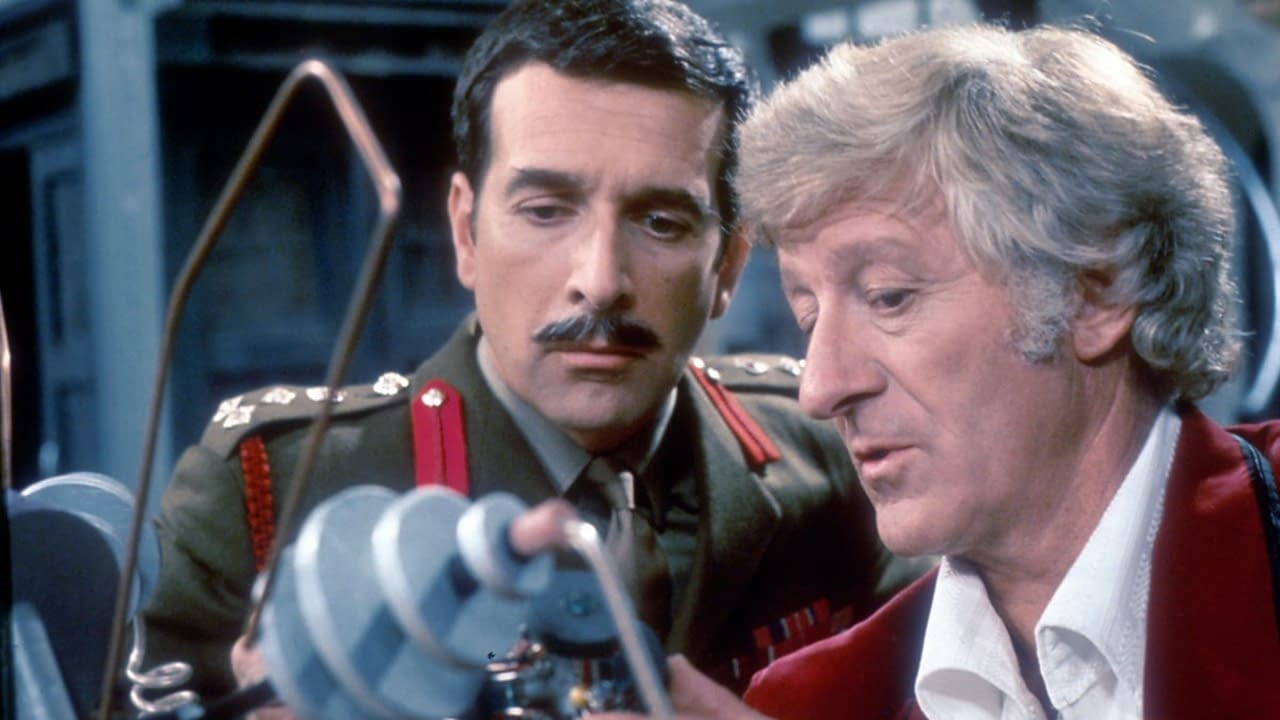
In the classic series, U.N.I.T. was the base of operations for an Earthborn Doctor (Jon Pertwee) who couldn't use his TARDIS. They were good guy soldiers who backed up The Doctor when he needed redshirts to fire guns uselessly at the aliens who would then kill them. The faces of U.N.I.T. were Brigadier Alastair Lethbridge-Stewart (Nicholas Courtney) and the earnest Sergeant Benton (John Levene). U.N.I.T. was basically pro-military propaganda for the boys watching Doctor Who, but they were never cool. They were proof that shooting at the aliens never worked, a lesson they never learn to this day but persist in repeating. U.N.I.T. never saved the day by shooting anything. In fact, shooting at aliens and monsters usually made things worse. Yet they still had fans. In Classic Doctor Who, U.N.I.T. was The Soldiers.
Modern U.N.I.T. is Darker But Still Not Cool
When Russell T Davies revived the series in 2005, old-school fans kept asking for U.N.I.T. to be brought back. They were brought back in 2008, where they were effective for the first time ever in the series' history in a fight against the Sontarans. Steven Moffat brought them back again in 2011, this time under the leadership of Kate Lethbridge-Stewart (Jemma Redgrave), who took over leadership after she was initially introduced in a 1995 fan video as The Brigadier's estranged daughter.
The modern version of U.N.I.T. is more than just soldiers. It's darker, more secretive and quasi-fascist, but still gained fans, many of them female, because of Kate Lethbridge-Stewart. She and fellow fan favourite Scientific Advisor Osgood (Ingrid Oliver) were the leads of a comfort food audio series produced by Big Finish, where the stories were cozy as they kept the implications of what U.N.I.T. did at bay. It was in the recent Disney+ era of Doctor Who that the darker implications of U.N.I.T. came into focus.
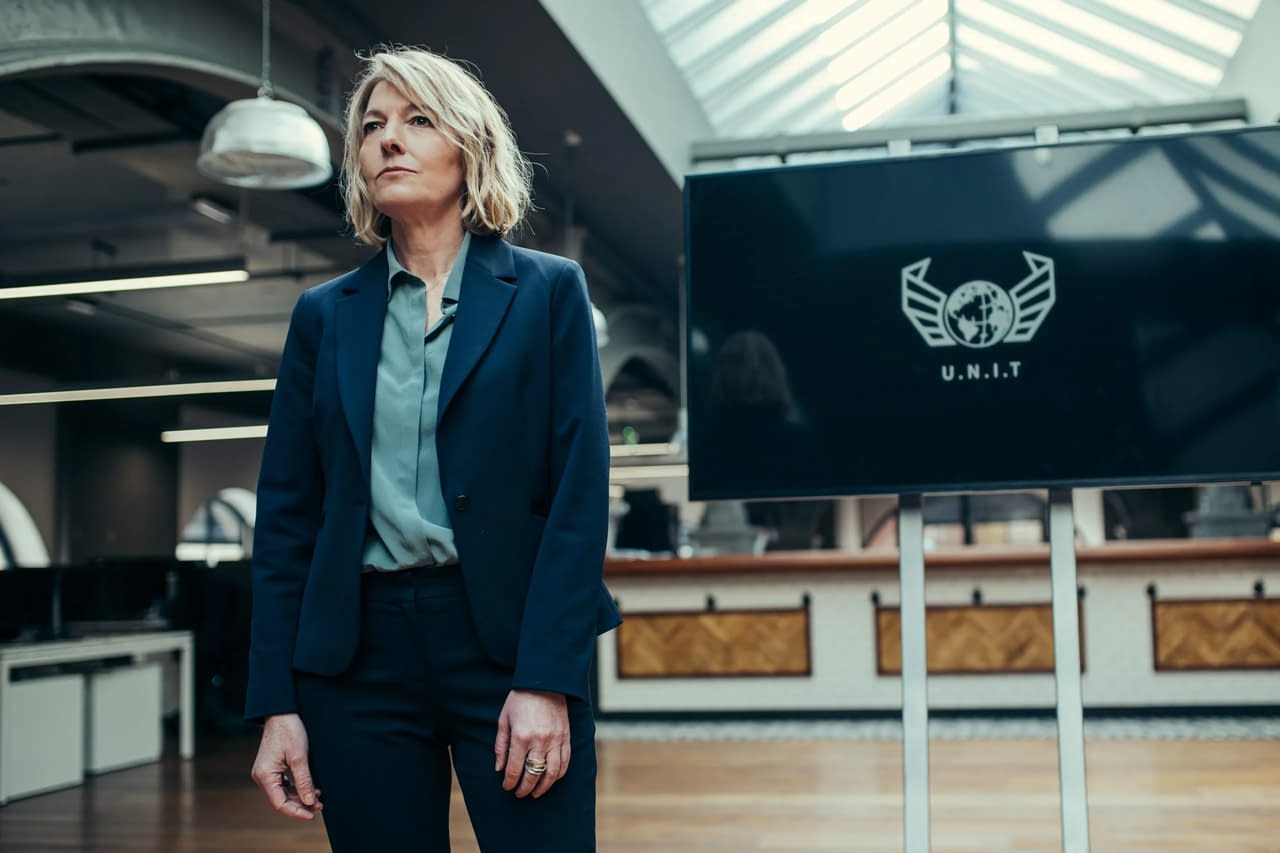
Under Kate Lethbridge-Stewart, U.N.I.T. hoarded alien weapons and technology away from other nations and covered up the scariest invasions they and The Doctor thwarted. In the current climate, it made them the targets of conspiracy theorists and grifters like Conrad Clark, who weren't entirely wrong. They're shown grabbing a TV journalist and bundling him away in a truck when he tried to report on an alien landing. In The War Between the Land and the Sea, even Barclay (Russell Tovey) is afraid of them. He's afraid of Kate shooting him for insubordination and acknowledges that U.N.I.T. has disappeared people who pissed them off. And he works for them.
The reason U.N.I.T. has fans has been due to their leaders. In the original series, it was Nicholas Courtney's deadpan humour as he calmly took everything in stride, and he was a daddy who reassured the audience that things would always be all right. In the modern era, Kate embodies the ambiguity of serving the greater good with sometimes extreme means. Davies and Pete McTighe acknowledge that she and U.N.I.T. occasionally engage in fascistic tactics without being pro or con. Fans of U.N.I.T. think Kate is cool. Where the organization will go next depends on how The War Between the Land and the Sea will end.
The War Between the Land and the Sea is only available on BBC One and iPlayer in the UK, exclusively for BBC licence fee holders. Disney has not yet announced a streaming date for the rest of the world.
Enjoyed this? Please share on social media!



Stay up-to-date and support the site by following Bleeding Cool on Google News today!