
 About
About 


Lunar Distribution announces their comic book retailer alcohol meet-and-greet event for San Diego Comic-Con 2026
Posted in: Comics, DC Comics | Tagged: Alan Moore, Retrofuturista, v for vendetta, Watchmen
Alan Moore, Asked About His Disowned Comics, Watchmen & V For Vendetta
Alan Moore is asked about his "disowned comics", Watchmen and V For Vendetta by the Retrofuturista website
Article Summary
- Alan Moore discusses why he disowned Watchmen and V For Vendetta in a new Retrofuturista interview.
- Moore critiques nostalgia, calling it a cultural illness and linking it to authoritarian tendencies.
- He reveals Watchmen and V For Vendetta were meant as diagnoses, not prophecies, of society's issues.
- Moore believes his superhero comics were misunderstood, leading to his departure from the industry.
We mentioned the Alan Moore interview with the website magazine Retrofuturista, and that he had named all of his Long London novels for the first time, ahead of the publication of the second. We tried to work out what the names might signify. And yes, yes, he was also asked about his superhero comic books along the way, in the context of both "retro" and "futuristic", so it was far more antagonistic than the usual question about whether he'll write Superman again or what he thought of the films.
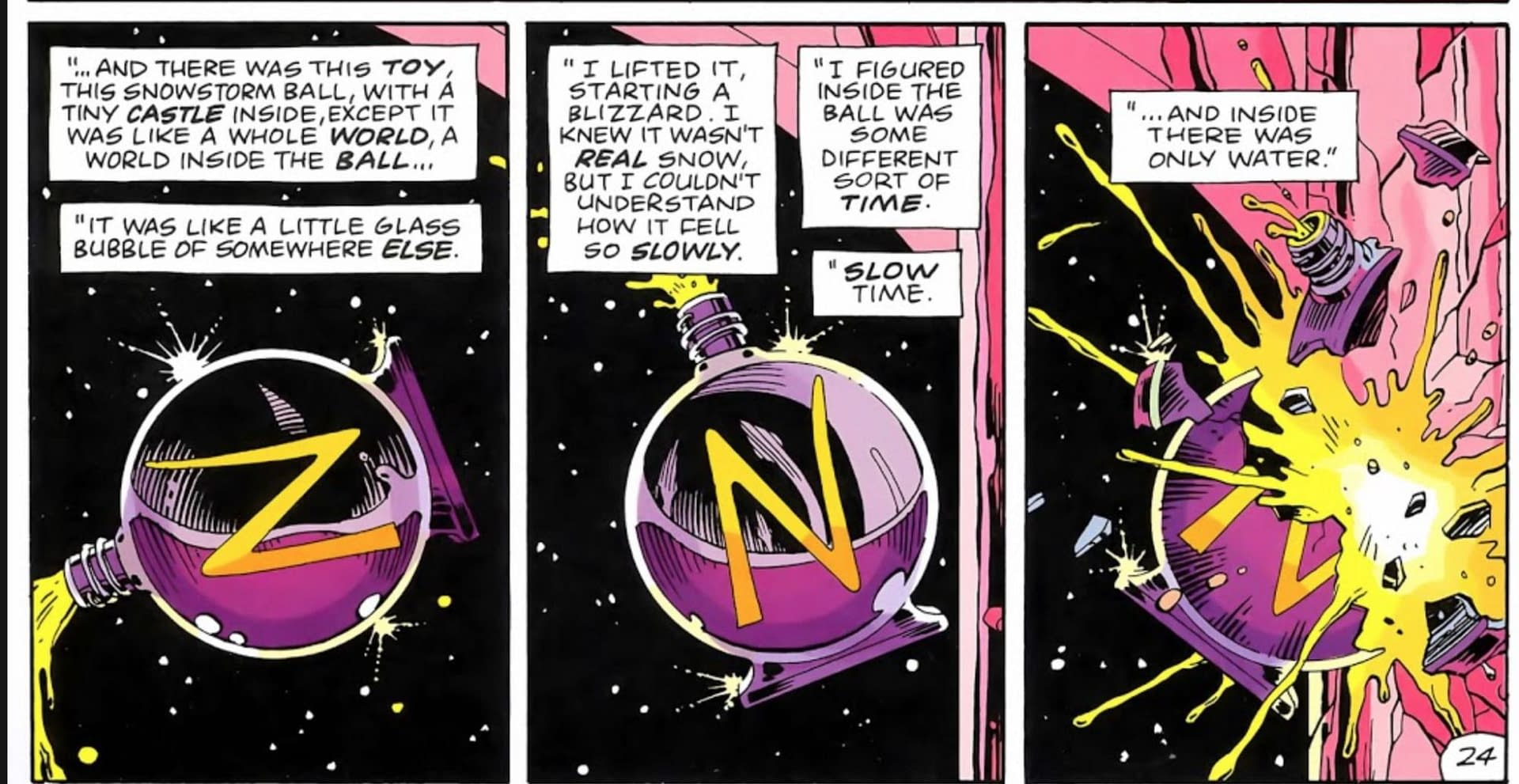
Because, yes, Alan Moore co-created both Watchmen and V For Vendetta, published by DC Comics, as creator-owned works. Indeed, V For Vendetta was published years before, in Warrior Magazine and DC continued and finished the series. However, the contract he signed with DC Comics only reverted those publishing rights back to the creators after the book went out of print. And they never did. They have also been turned into movies and TV shows without Alan Moore's agreement, indeed, in the face of his outright refusal. Partially for this reason, Alan Moore has sworn off superheroes and comic books entirely and has instructed Warner Bros to pay any royalties due him from the TV and movies to the co-creators of the series, Dave Gibbons and David Lloyd. Of late, he has become more dismissive of the works and has stated he does not keep copies in his home. Some of this also led to the scabrous takedown of the comic book industry with "What We Can Know About Thunderman" in the prose collection Illuminations. When asked about how Watchmen attempted to dismantle nostalgia for superheroes, and if nostalgia was a narrative tool, a cultural disease, or both, Alan Moore replied;
"In the disowned work you refer to, I think it mostly reveals a limit to the audience for super-heroic adventure stories. Nostalgia isn't really a narrative tool, but more something that one uses narrative tools to dismantle. It's probably a reliable commercial tool, however, in that as the world becomes more complex and overwhelming, more and more people seem to be retreating from their responsibility to help create a tolerable present by seeking refuge in an imagined idyllic past or in their own childhoods, when they felt safe and happy and as if they understood things. Nostalgia is, and always has been since the word was first coined, an illness. It literally means 'homesickness', but in effect refers to all of our yearnings for a world that, with our serial view of time, we feel we have inevitably and irrecoverably lost. And as for the relationship between authoritarianism and our disappointed longing for the way we imagine things used to be, in my short story Illuminations, I have the central character speculating over whether fascism has always been weaponised nostalgia."
It's the kind of issue he has pondered before. And asked whether he thought Watchmen and V for Vendetta were prophetic or diagnostic, and whether they were a psychological test for the readers, he replied in a similar vein.
"Both of those disowned titles, as with much of my work, were intended as diagnostic in their function. The fact that they inadvertently ended up as prophetic is, I think, more down to a failure of the imagination by civilisation as a whole than to any Nostradamus-like abilities of my own. As for any of my works beings in some way psychological 'tests' of my readers, why would I want to do that, and how would I ever know the results? Admittedly, with both the works you mention, some of their subsequent American adaptations, prequels, sequels etc. have gone some way to convincing me that a majority of my comic work has probably never been understood by perhaps a majority of its mainstream superhero-fan audience. This is not their fault or mine, it's just a misunderstanding that it has taken me too many decades to become aware of or rectify."
They are now "disowned". Alan Moore declines to even mention them by name. And it seems that he is addressing the issue, away from comics, in Long London. And whatever your reaction to this, I would also urge you to read what his daughter, Leah Moore-Reppion, once wrote about her father in this regard… and how comics broke him. Whatever you think, it's a good context to have. I Hear A New World by Alan Moore will be published on the 21st of May by Bloomsbury Archer in the USA and in the UK,
Enjoyed this? Please share on social media!



Stay up-to-date and support the site by following Bleeding Cool on Google News today!