
 About
About 


Mark Waid and Chris Samnee's Batman & Robin: Year One: Dynamic Duos twelve-issue series launches in August 2026
Posted in: Comics, Movies, Sony, Swipe File | Tagged: 28 Days Later, 28 years later, Alan Moore, alex garland, crossed, danny boyle, grant morrison, separated at birth
Separated At Birth: Alan Moore, Grant Morrison, And 28 Years Later
Separated At Birth: Alan Moore's Crossed+100 and 28 Years Later: The Bone Temple, according to Grant Morrison
Article Summary
- Grant Morrison points out similarities between Alan Moore's Crossed+100 and 28 Years Later: The Bone Temple
- Alan Moore’s Crossed+100 explores evolved infected and the dark legacy of humanity after the apocalypse
- Both stories use bone temples and altered infected cultures as central narrative and visual motifs
- Filmmakers credit different inspirations, sparking debate about creative influence and parallel ideas
Comic book writer, screenwriter, and cultural icon Grant Morrison has inspired a "Separated At Birth" special for Bleeding Cool in their most recent Substack, featuring Alan Moore, Crossed +100, the series Moore wrote for Bleeding Cool's publisher Avatar Press, and the recent film sequel 28 Years Later: The Bone Temple – which Morrison hasn't yet seen. But when has that stopped an entertaining commentary?
Crossed +100 was a take on Garth Ennis and Jacen Burrows' Crossed, a semi-"zombie" series set somewhere between George Romero's The Crazies and The Reavers of Joss Whedon's Firefly and Serenity. Crossed sees an infection of unknown origin infect humanity, turning them into the very worst possible version of themselves, willing, eager, to commit the most atrocious crimes against their loved ones, but all of them taken from very real Amnesty International reports on what some humans can actually do to others. One of the most extreme horror comic book franchises ever published, Crossed spawned a series of spinoff titles from Avatar Press, including Crossed +100 by Alan Moore and Gabriel Andrade. This was set 100 years after the events of the first Crossed series, with humanity trying to rebuild itself and deal with the infected Crossed, many of whom have died out, but some of whom have begun to evolve. An infected serial killer found himself unchanged by the infection and began to recruit and train select members of the infected to become more sentient, to speak more normally, and to blend in… in order to commit even greater atrocities.
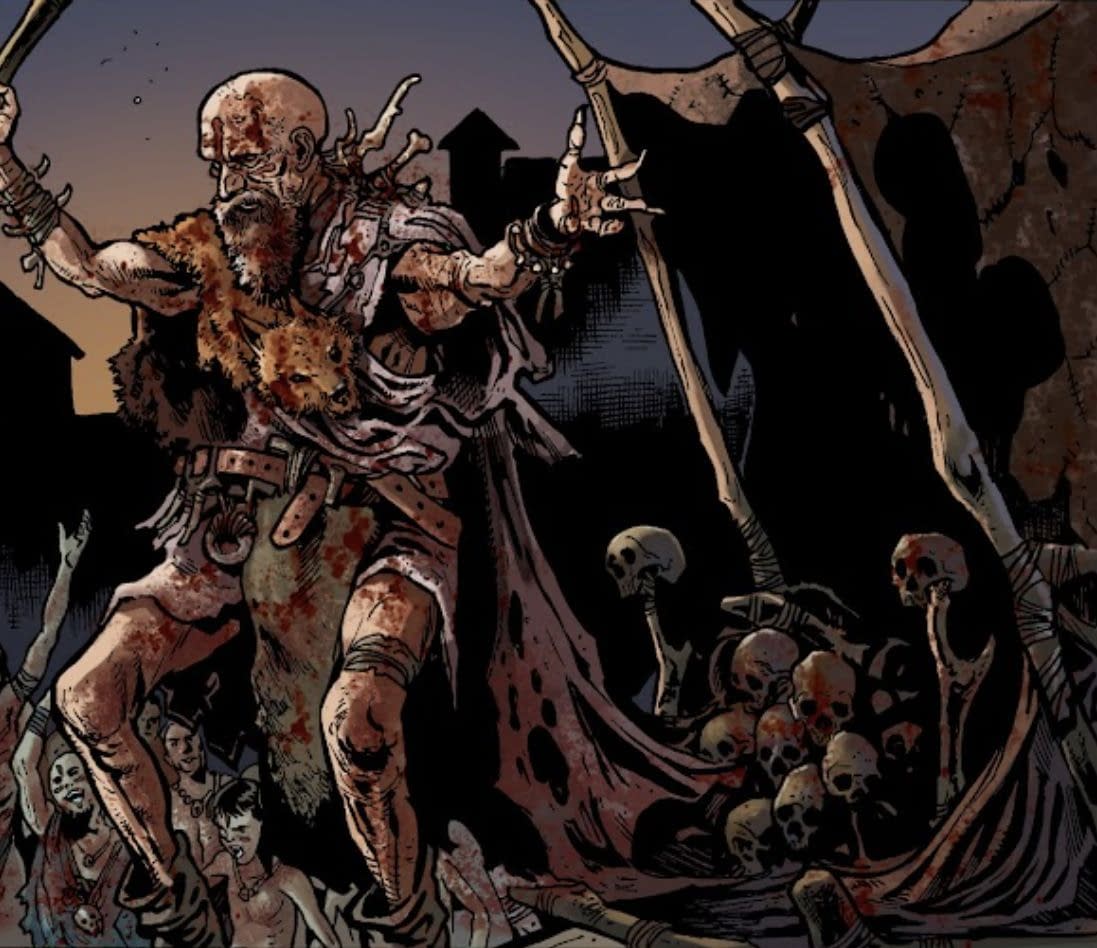
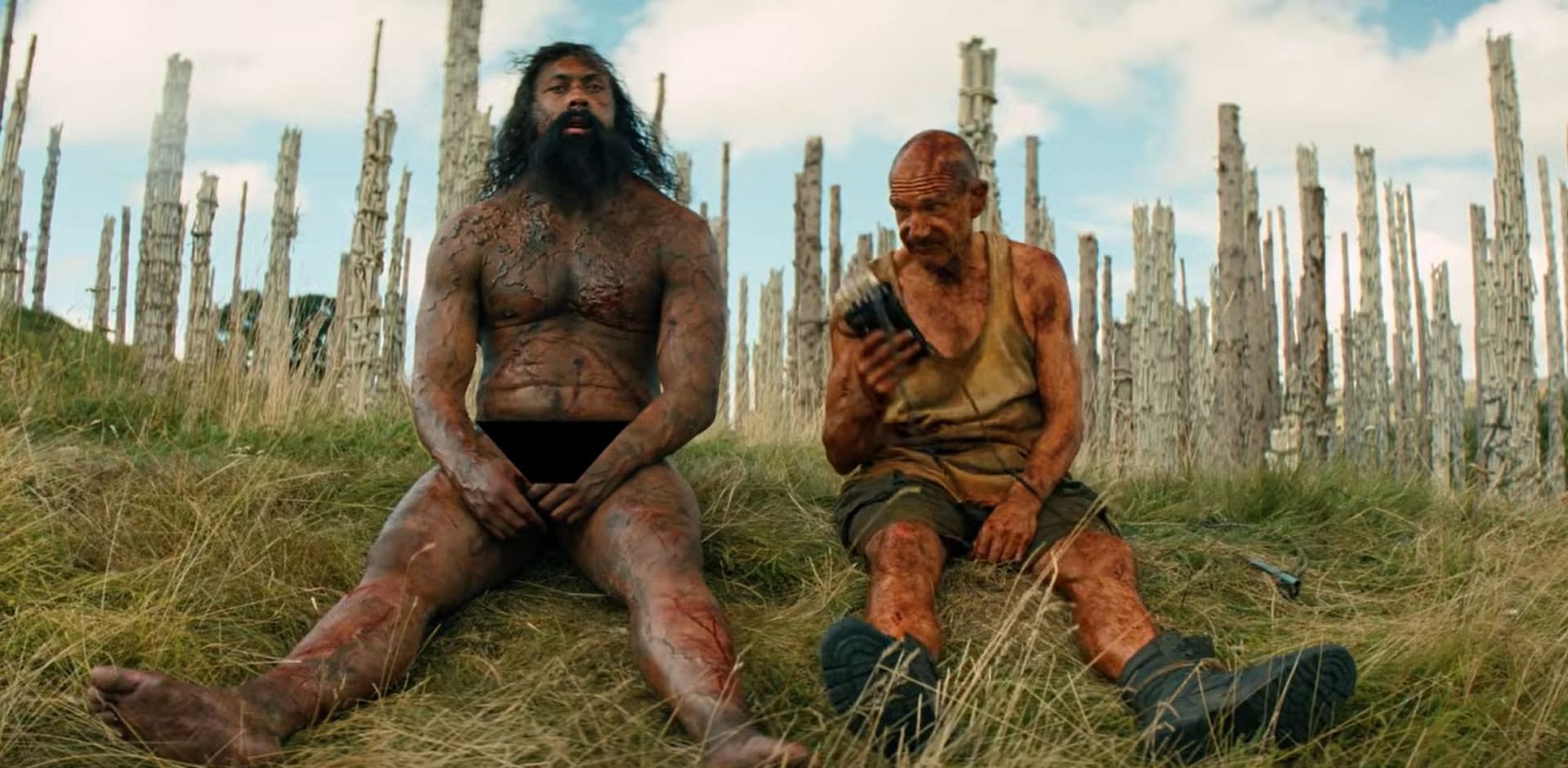
Grant Morrison posted to their Substack, saying, "I haven't seen either film yet, but jumping immediately to conclusions based on a few images and scraps of information, the latest 28 Things Later movies look like they've nicked an awful lot from Alan Moore's Crossed+100 series. There was a central plot thread in that story about a serial killer who civilizes the feral humans, and the whole 'bone temple' aesthetic shows up in the emerging culture of the Crossed." Here are a few visual comparisons of what they are talking about. With Ian Kelson played by Ralph Fiennes…
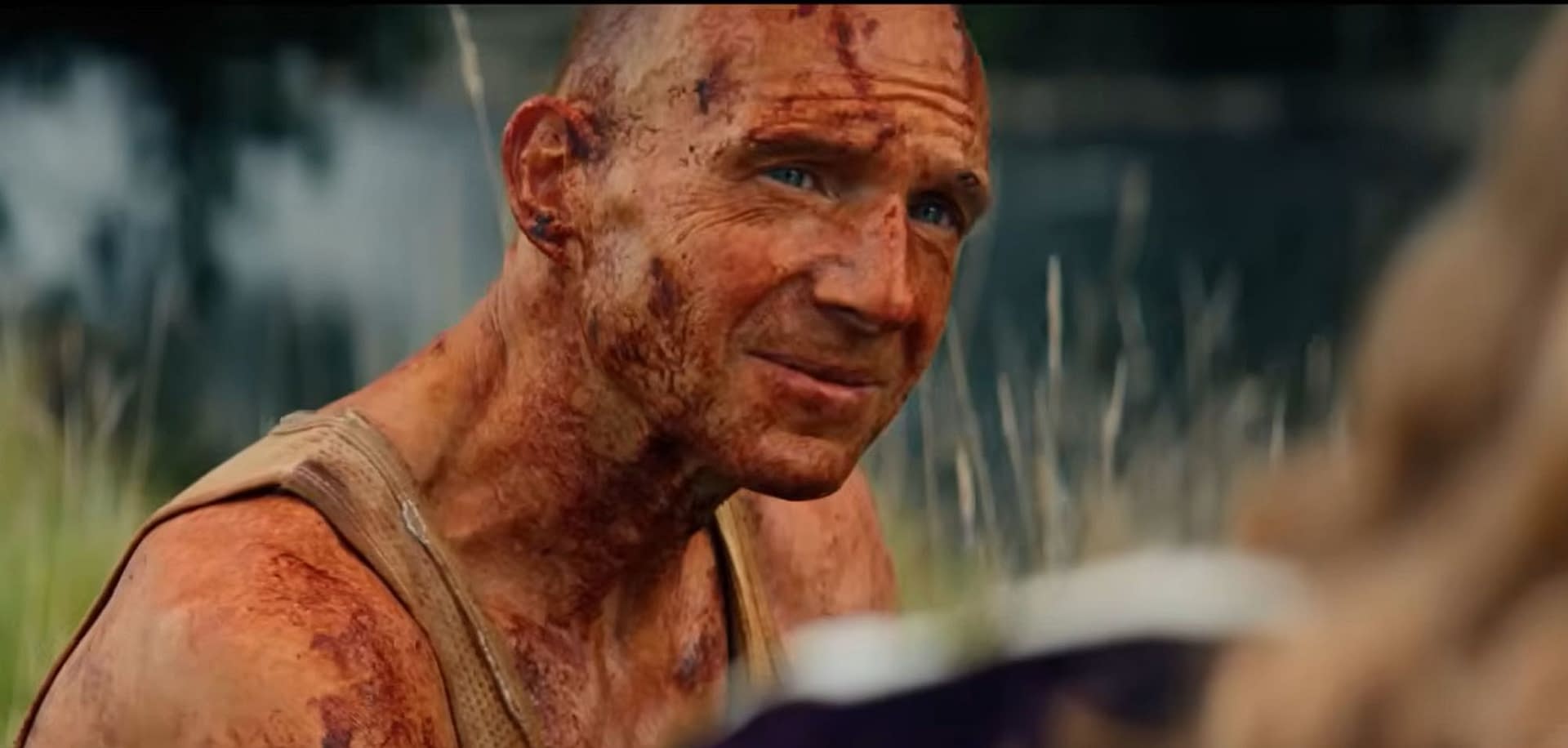
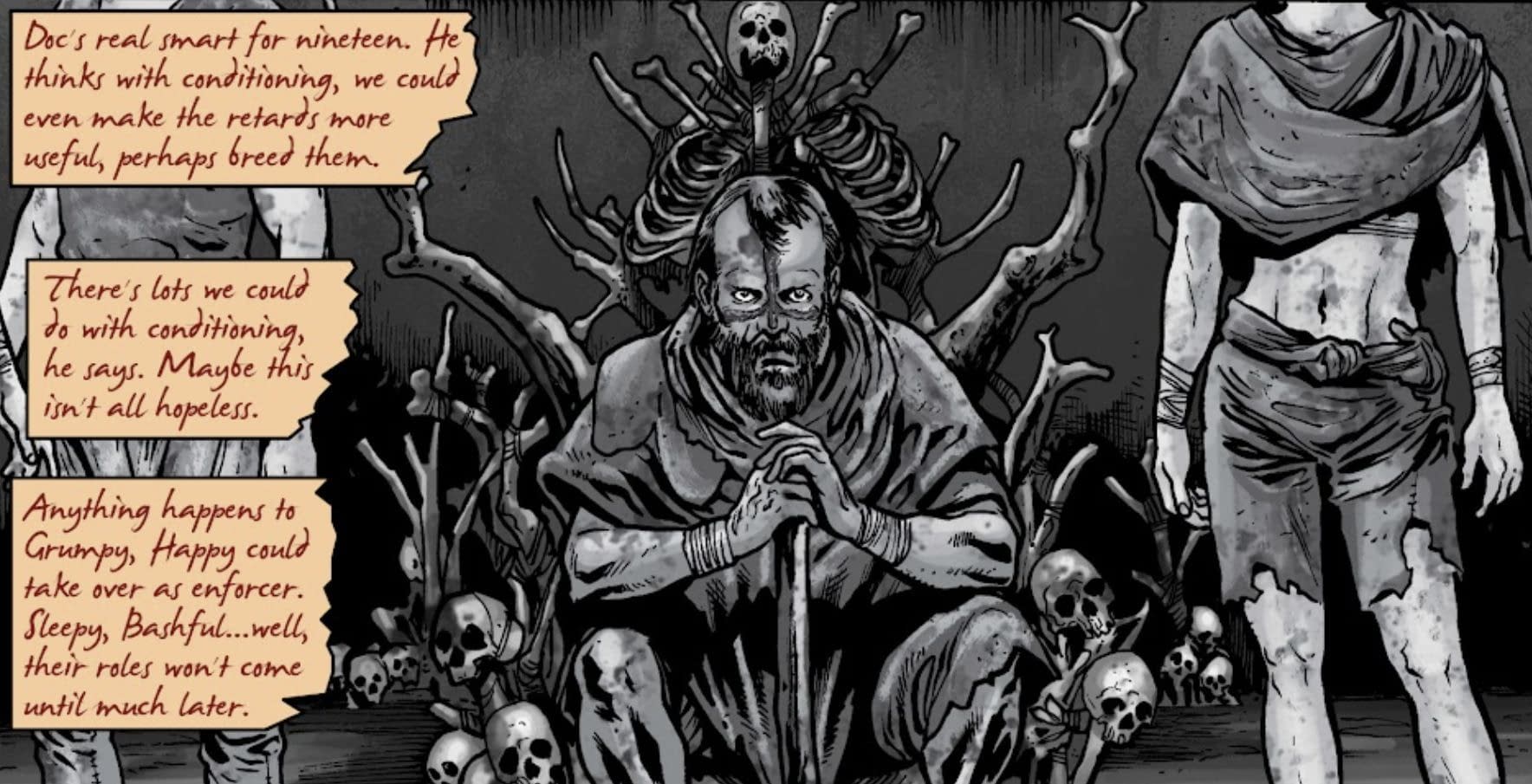
… and the journals of serial killer Beauregard Salt, known as Phonebook Killer.
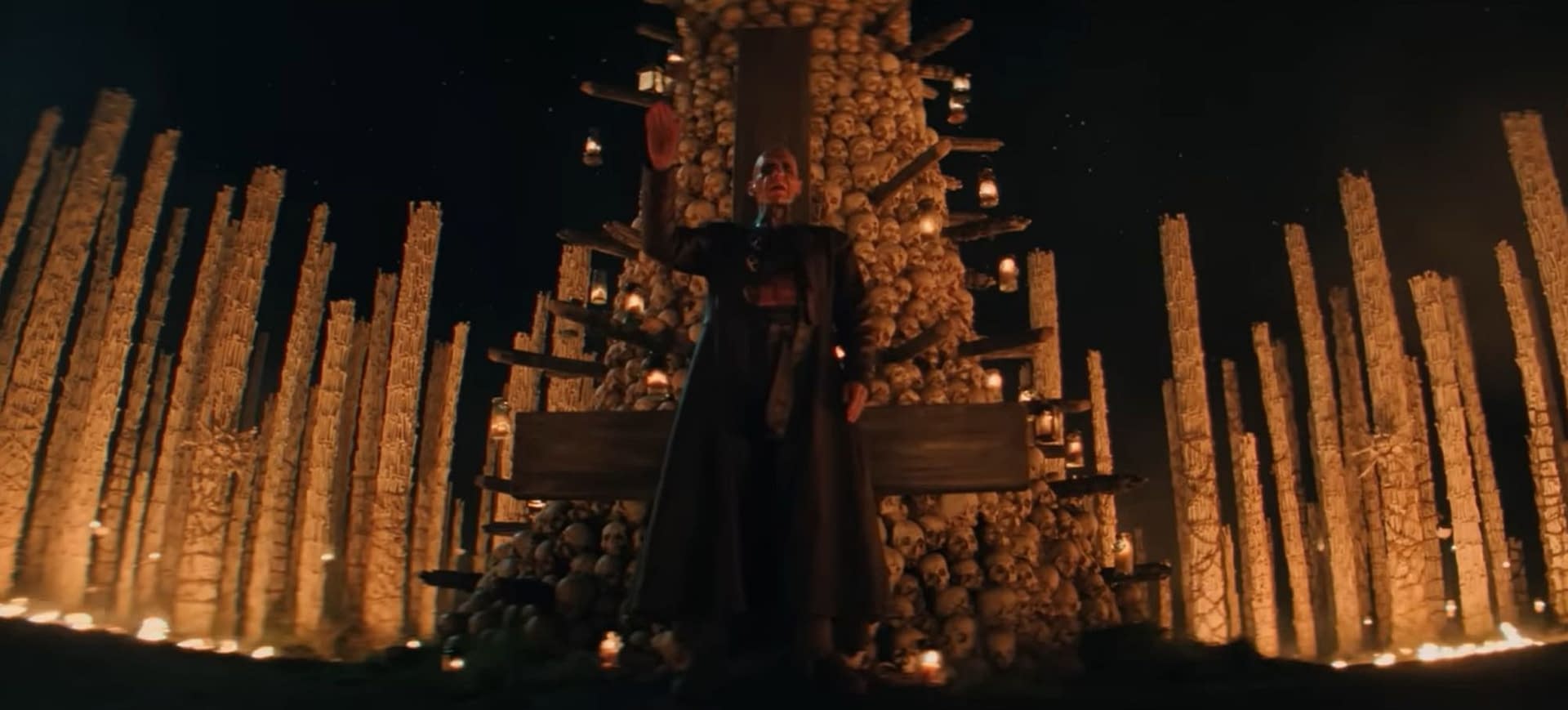
From the use of skulls in architecture, taken from the many, many dead. In 28 Years Later, creating an ossuary or memorial for those who have fallen.
And in Crossed +100, skeletons are used to create churches to Beauregard Salt after his death, creating its own Bone Temple.
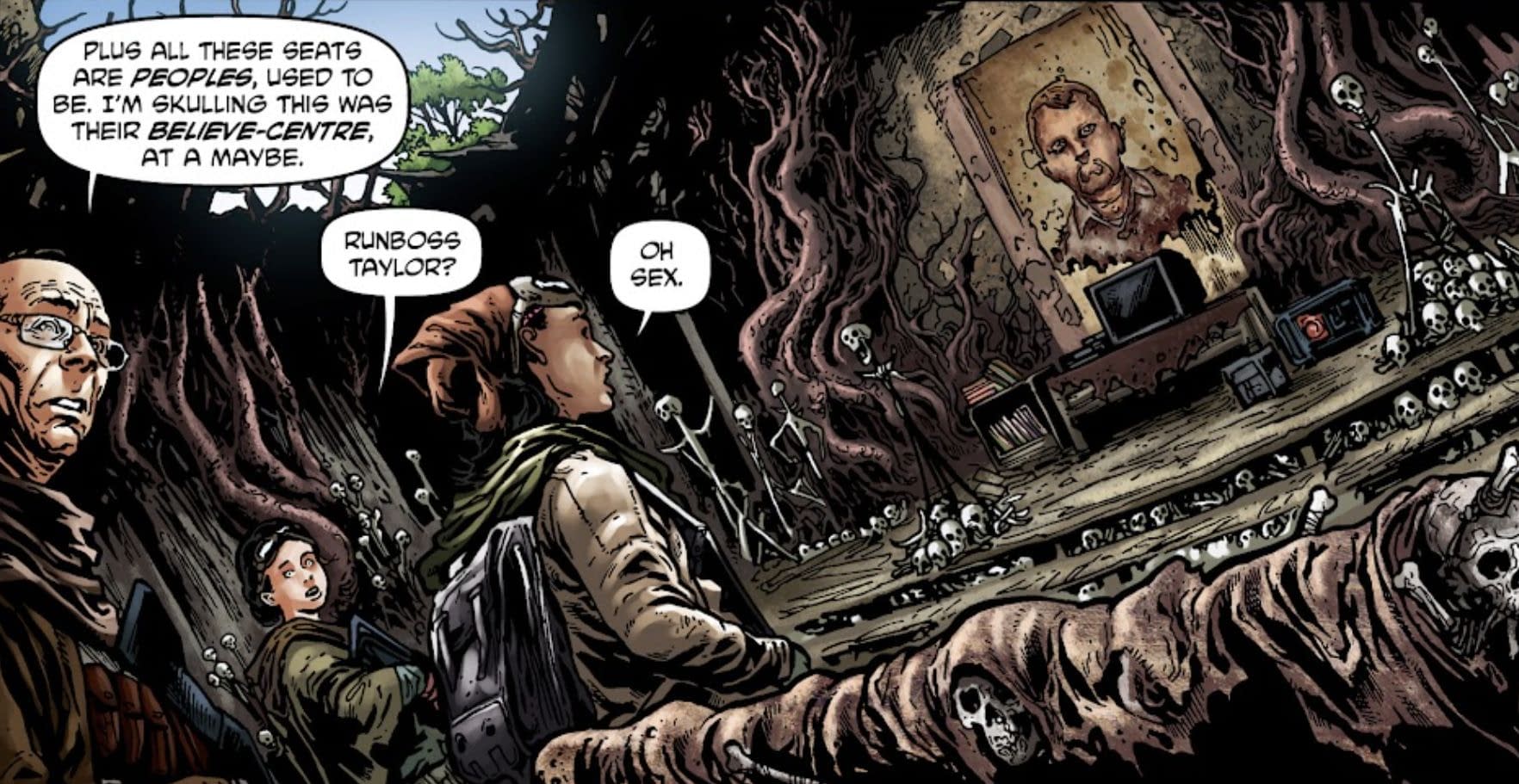
There is also Kelson teaching language and restraint to the infected, finding a way to reach what remains of them through medication.
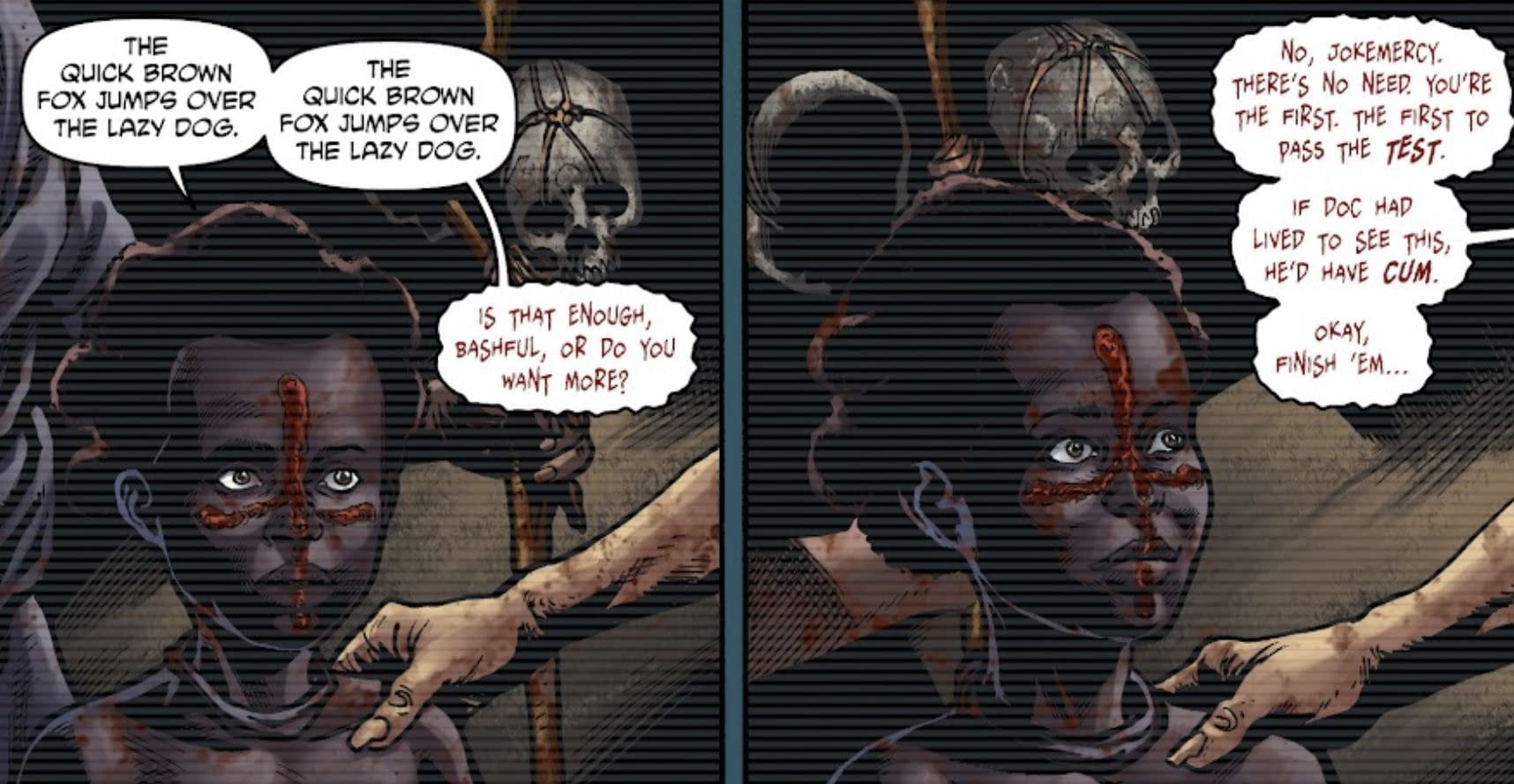
And then there are the Crossed, inspired by their teacher, to continue teaching themselves to speak more normally and fit in with the non-infected… until the time is ripe…
And that's even before we think about the Crossed webcomic spinoff, Wish You Were Here by Si Spurrier, Javier Barreno, and Fernando Melek, in which an isolated island community survives away from the infected… so what do you think? Is Grant on the money? Will they change their mind if they actually watch the films? This is what the filmmakers actually said about their inspiration, talking to Bleeding Cool's Kaitlyn Booth…
Alex Garland stated that they were portraying with Kelson, a "culture which is really represented by one person who's a kind of inverse Kurtz, who appears to be like Colonel Kurtz from Heart of Darkness or Apocalypse Now, superficially surrounded by bones and perceived as being crazy and things like that, but actually what he is is very compassionate and very thoughtful and actually very different from the community that Spike has left. Amongst other things, for example, the bones in his temple, not differentiating between people who have been made sick through infection or not being made sick," with Danny Boyle adding that "he's not slaughtering people." Crossed itself is also getting a movie now….
Call it Separated At Birth or call it Swipe File, we present two or more images that resemble each other to some degree. They may be homages, parodies, ironic appropriations, coincidences, or works of the lightbox. We trust you, the reader, to make that judgment yourself. If you are unable to do so, please return your eyes to their maker before any further damage is done. Separated At Birth doesn't judge; it is more interested in the process of creation, how work influences other work, how new work comes from old, and sometimes how the same ideas emerge simultaneously, as if their time has just come. The Swipe File was named after the advertising industry habit of writers and artists collecting images and lines they admire to inspire their work. It was swiped from The Comics Journal, which originally ran a similar column, as well as the now-defunct Swipe Of The Week website, but Separated At Birth was considered a less antagonistic title.
Enjoyed this? Please share on social media!



Stay up-to-date and support the site by following Bleeding Cool on Google News today!