
 About
About 


Beam Me Up, Sulu directors Timour Gregory & Sasha Schneider spoke with us about the journey of a Star Trek fan film, George Takei, and more.
Posted in: Exclusive, Interview, Movies | Tagged: Sheepdog, virginia madsen
Sheepdog: Virginia Madsen on Film's Veterans' Mental Health Approach
Virginia Madsen (Candyman) spoke to us about her latest drama, Sheepdog, playing a therapist, bringing authenticity to veterans & more.
Article Summary
- Virginia Madsen discusses her role as a VA trauma therapist in the indie drama Sheepdog.
- Sheepdog focuses on an authentic portrayal of veterans' mental health and post-traumatic growth.
- Madsen researched with real-life therapists and veterans to ensure Dr. Knox's character felt genuine.
- The film emphasizes hope, healing, and how communities support veterans after returning home.
Virginia Madsen has had a storied career spanning four decades since her debut in the 1983 teen comedy Class. Appearing in over 130 projects, the Oscar-nominated actress has had an eclectic filmography with memorable roles on Searchlight's dark comedy Sideways (2004), Dimension's supernatural thriller The Prophecy (1995), Sony's slasher hit Candyman (1992), and Lionsgate's supernatural thriller The Haunting in Connecticut (2009). Her latest is the indie drama Sheepdog from Allen Media Group, which follows a decorated U.S. Army combat veteran, Calvin Cole (Steven Grayhm), who is in a court-ordered treatment and is in the care of a VA trauma therapist in training (Madsen).
Things become even more complicated when Calvin's father-in-law, a retired Vietnam Veteran (Vondie Curtis-Hall), shows up on his doorstep having just been released from prison. As Calvin's plan to run from his past becomes even more challenging, he learns through the support of his community: tough love and compassion, that he must put himself back together again for his family – and for himself. The Holidazed star spoke to Bleeding Cool about how Grayhm and co-star/producer Matt Dallas' thorough journey to bring a veteran's story to life appealed to her, creating an equally authentic character in psychologist/therapist Dr. Elecia Knox to help convey the film's message, and more.
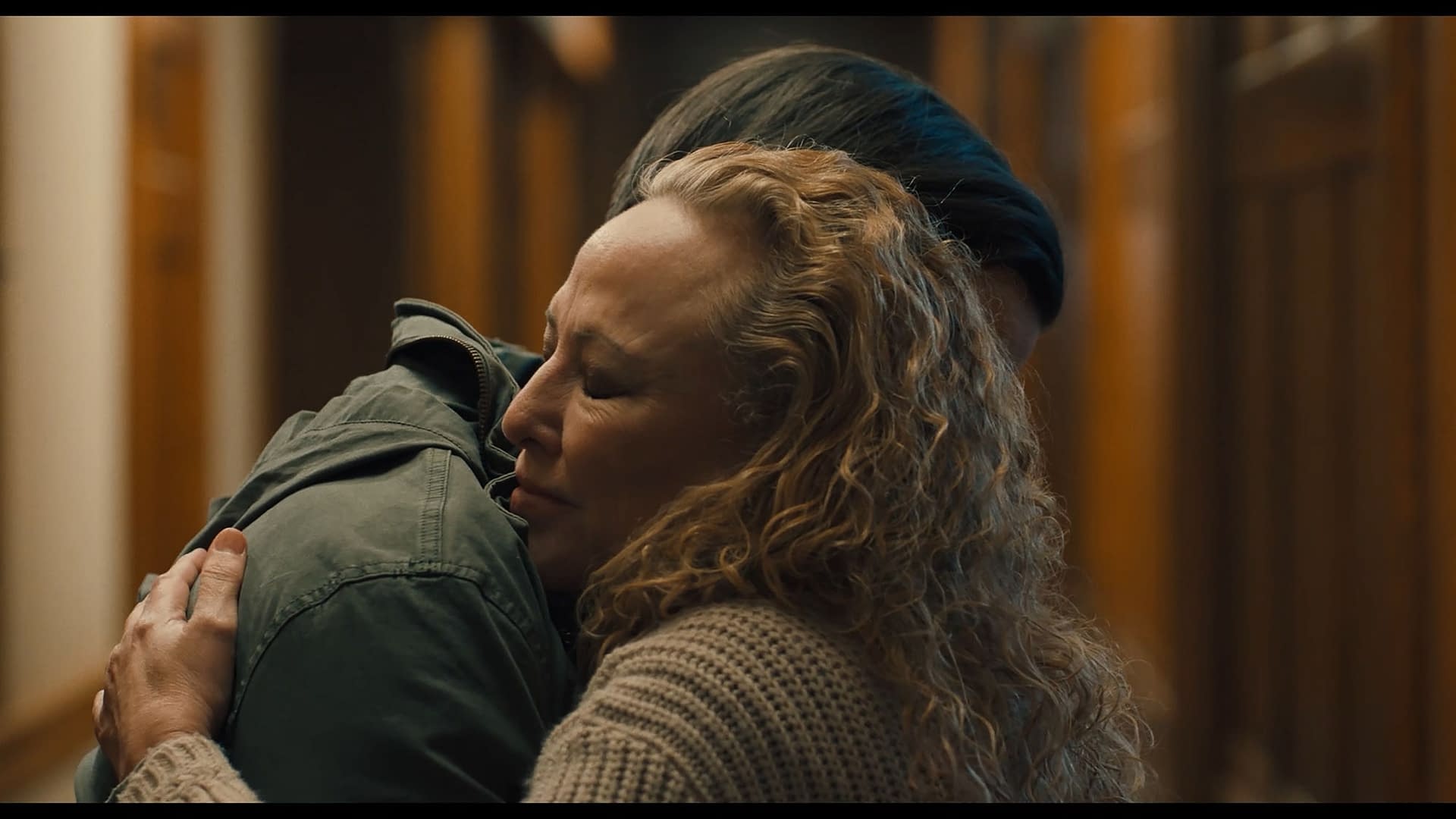
Sheepdog Star Virginia Madsen on How Film Resonates, Connects with the Veteran Experience
What intrigued you about Sheepdog?
Oh, as with anything I do, it's the script first. My rule is if it's not on the page, it's going to end up on the screen, but this is the most important film I've ever made. We needed to do it right, not just by me, but by all of them, and once I heard about Steven and Matt's story and the 10 years that they had spent creating the story and being so deeply involved with veterans and their families…bottom line, it was the script and writing. It was really good, and then I thought, "Oh goodness, how are they going to pull this off?"
I'm always attracted to small independent films because it's the best writing, and it's the least financed, but it's always somebody else's dream. Once in a while, it works, and this one really worked, and it meant so much to me. Every person who worked on this film had a personal reason for doing it. We had a few veterans on our crew. Everybody either knew a veteran or had something that had happened in their lives, so it mattered, and I think that came through the screen.
As you're getting to your role as Dr. Knox in the film, were there any additional prep you had aside from what was already presented in the script to get into your character?
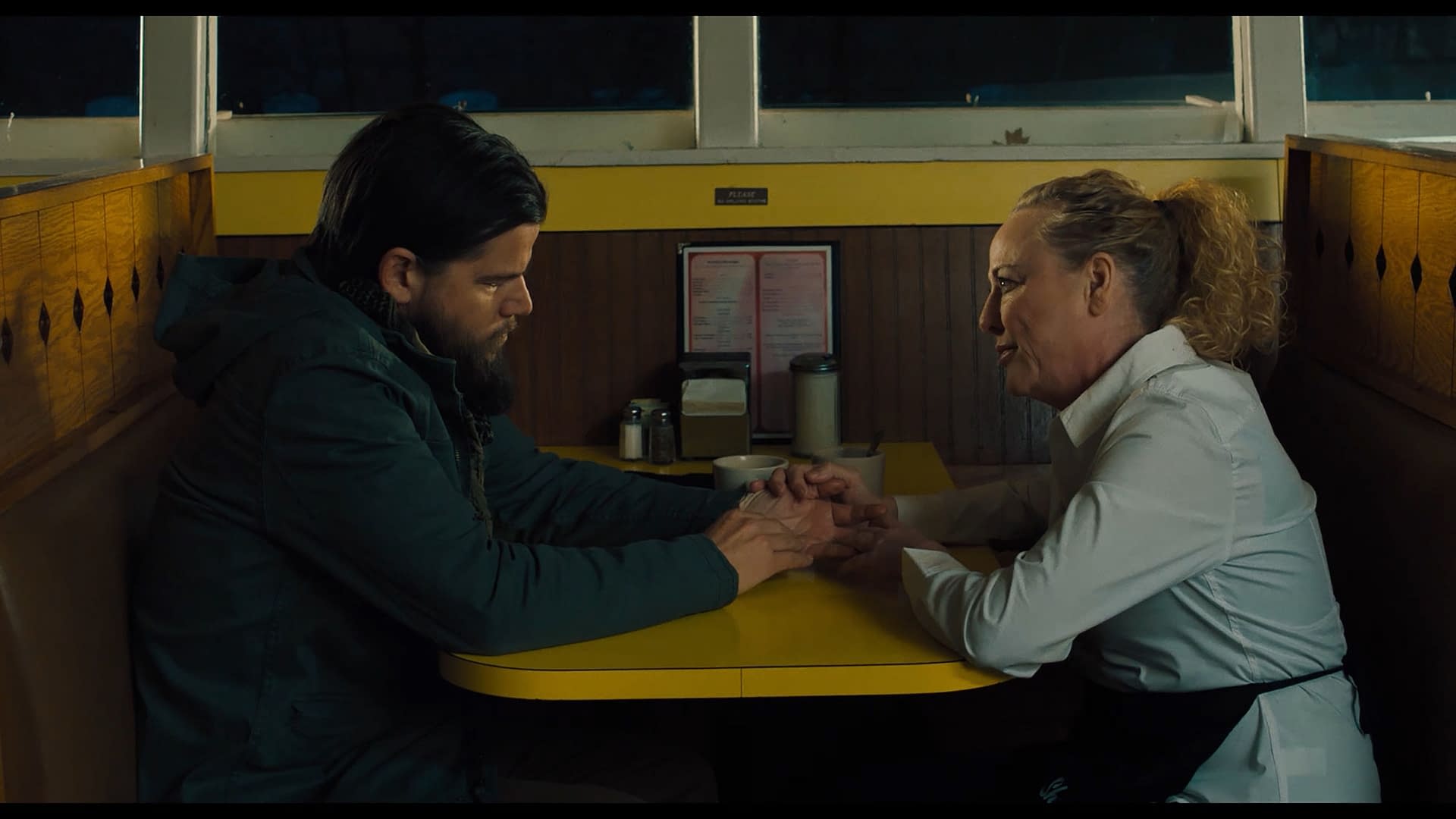
Yeah, I needed to find out if the script was truthful, if there were people who did what she did in the film, so I had a psychiatrist, a therapist. I talked to a guy who ran a halfway house for young people to get their take on this, and initially, not their opinion of the script, but [ask], "What is it that you do? Is this right when I'm about to do? How do you come down from that?"
These are people who, many of them, and then of course I met many more along the way, and [I ask], "How do they do that?" Especially the ones who volunteer, like this character. Then I was like, "Why is she working in a diner? You mean she's not getting paid for that?" Steven was like, "No, that's what they do. That's their calling." [I wonder] how do teachers do that? How do emergency room nurses do that and not get paid hardly…? I mean…these volunteers who are really amazing to me, and I loved being able to tell that story. I put as much in as I could, but then Steven shared a lot of his experience from his research.
The way this film approaches trauma and the way veterans are going through it, and how they're processed in the system. You've done so much work over the years. How do you feel that Steven's approach to the subject matter differs from the way Hollywood typically approaches it, and what they miss so often with veterans?
You're absolutely right, they do miss it. They miss the point. They're telling their stories, and what I loved about what he found, what he wrote, and what he ultimately made into the film was their voices. This is not a war film. We never show a battle, which the veterans really appreciated, because they'd been there, man. They don't want to watch it on their screen. It's what happens to them when they come home, and that there is hope. There is a feeling of healing.
There is recovery one can find and ultimately, growth. I've heard of PTSD, post-traumatic stress disorder. That's a pretty big title, and everybody is like, "Ooh, what's that?" But I know something about it. What I hadn't heard of was "post-traumatic growth," and that is a term that they use. I thought, "Oh, that's much better!" That's how you get your life back, and they're like, "Yeah, that's what the therapy, that's what the work is for, is for growth to come out of the trauma." That's what the movie's about, and I love these guys who make it back into life. Yeah, they make it from the battle, but they can make it into life, and I really loved that. That's also what I think our audience really enjoys as well. It's important for them.
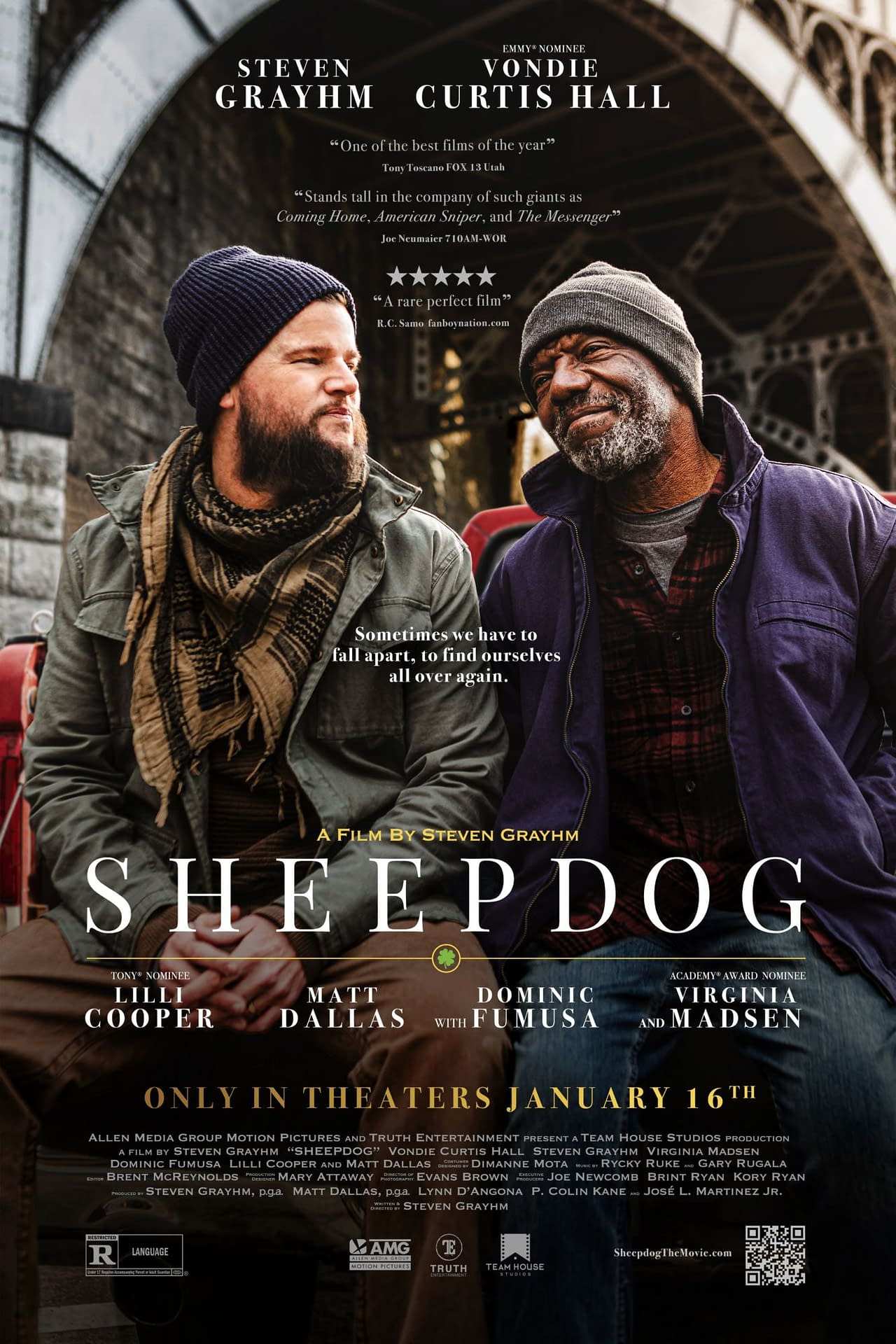
Sheepdog, which also stars Dominic Fumusa and Lilli Cooper, is available in theaters.
Enjoyed this? Please share on social media!



Stay up-to-date and support the site by following Bleeding Cool on Google News today!