
 About
About 



Christa Miller (Shrinking) provided an update on when we'll see fan-favorite Jordan Sullivan's return on ABC's hit Scrubs revival.
Posted in: Paramount+, Star Trek, TV | Tagged: Picard, star trek, Star Trek Picard
Star Trek: Picard: Michelle Hurd Reflects on Raffi's Grounded Legacy
Picard star Michelle Hurd reflects on playing Raffi Musiker, one of the most grounded Star Trek characters, who regularly battled addiction.
Article Summary
- Michelle Hurd discusses Raffi Musiker's impact as one of Star Trek's most grounded, relatable, and flawed character.
- Raffi's struggles with addiction brought a new level of realism and inclusivity to the Star Trek universe.
- Star Trek: Picard explores redemption, family, and perseverance through Raffi's journey across three seasons.
- Hurd praises the series for finally addressing addiction, reflecting real-world challenges in the Federation.
The irony behind the creation of Star Trek is that, in its sci-fi setting, society is anything but utopian: the Federation not only battles threats from the unknown through the stars but also harbors its fair share of demons within. There's a ton of bigotry, struggle, and corruption within Starfleet's ranks throughout the 60 years of the Gene Roddenberry franchise, which has been rampant in every series and film since The Original Series premiere on NBC in 1966. One thing it hadn't tackled properly was addition, which was where Michelle Hurd's Lt. Cmdr. Raffaela "Raffi" Musiker, the chief engineer under Adm Jean-Luc Picard (Patrick Stewart) in Star Trek: Picard, who's had her fair share of issues throughout the series. The Where the Wind Blows star spoke to TrekMovie.com at the Starfleet Academy premiere about Raffi's legacy across all three seasons of the series by Kirsten Beyer, Michael Chabon, and Akiva Goldsman, and about bringing that visibility to addicts.
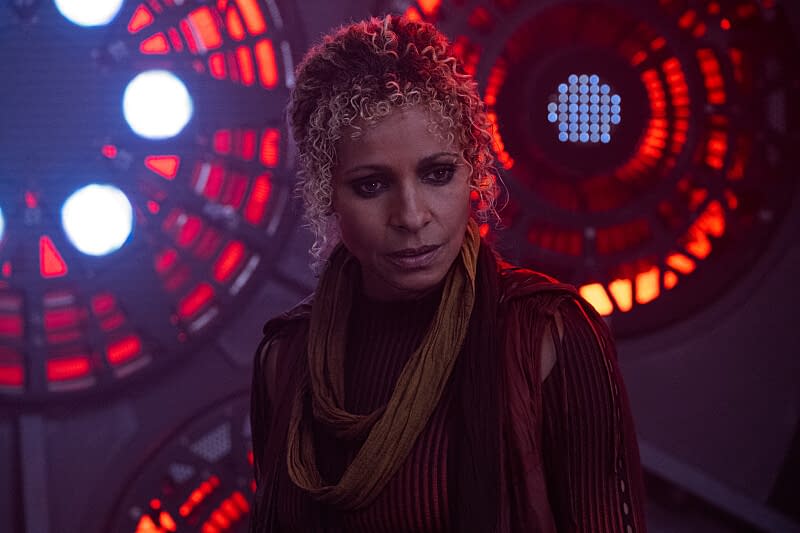
Star Trek: Michelle Hurd Reflects on Raffi's Legacy and How Her Flaws Shaped Her Character
Generally, when it comes to depicting addiction on TV, it's almost always painted in a negative light, and more often ends tragically. Often, the character would be framed solely by the addiction, and a resolution would come either at the end of the episode or at the end of their character arc. Hurd had three seasons in which she rediscovered her purpose in life, helping her former captain out after being largely drummed out of Starfleet for her questionable record. Earning her redemption and having a second chance at love with Seven of Nine (Jeri Ryan), when most others in her life abandoned her, including her ex-husband and child. By series end, she becomes the first officer for Captain Seven onboard the USS Enterprise-G, the former USS Titan-A.
"I think the legacy, and I've learned this because of going to cons and the people who come up to me. I think Raffi's legacy is the fact that she is an addict," Hurd said. "And she's a recovering addict, but she also stumbles every now and then, and I think it's a beautiful thing that Star Trek — let me tell that story, because we have addicts in our lives. Sometimes you don't know, you might be one yourself, it could be someone with your loved ones, your neighbors, or family members, but the most important thing is that they're part of our lives. They're not to be brushed off; they're not to be discarded. They are contributors to life. It's a little demon that's on our shoulders. It's not something that is by choice. It's something that we battle with, and it's something that we struggle with, and it's something that we have to have patience and grace with."
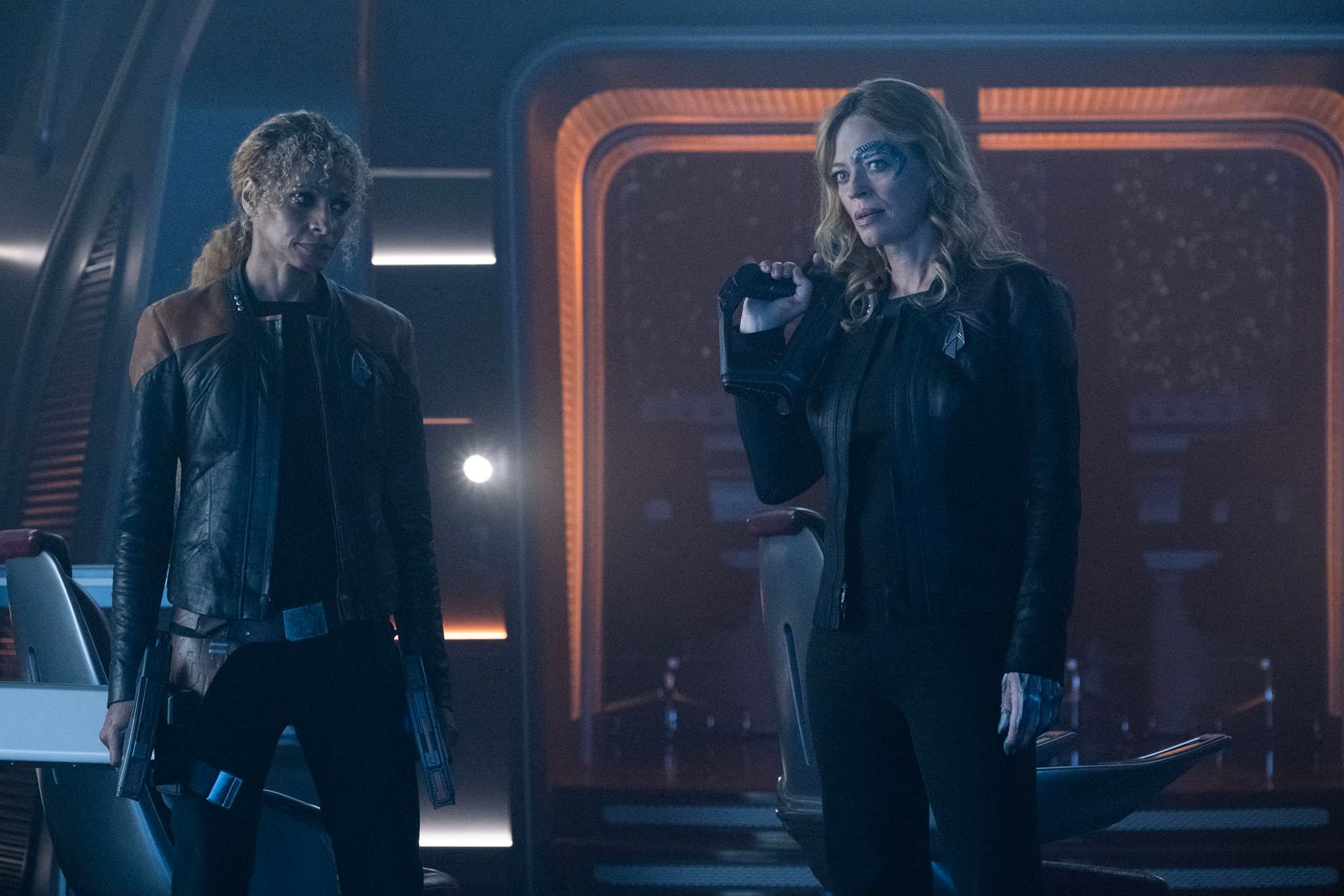
As far as Raffi's work-family balance, "And if we think about it, you know, Raffi does her very best. It's not that it's the thing that identifies herself and is the only thing… it's that she struggles with, and she tries valiantly to get, just to break through. You know, her complicated relationship with her son, with her family, with herself, with Picard," she said. "But she's a good person, and she tries… and she does, in the end, she does persevere. But what I love about it is that she shows that she's perfectly imperfect. And it's okay to be not okay."
It does seem unusual that most of the main characters operate normally, and most problems are generally personality clashes or political differences. Before Raffi, substance abuse was never really a problem in Star Trek, but escapism was, like TNG episodes regarding the Holodeck or an alien gaming device that makes the player addicted and turns them into a sleeper cell.
"It's super unusual, but it's important. And I think that this is the one thing that maybe Star Trek didn't have, and it's so I'm so glad that they have now included it into the world, because it's part of our world," Hurd said. "And if Star Trek is always showing a mirror up to society, this is that one little link that maybe Star Trek didn't have, and now we have really included everybody in society." For more, you can check out the entire interview.
Enjoyed this? Please share on social media!



Stay up-to-date and support the site by following Bleeding Cool on Google News today!