
 About
About 


Has Marvel Comics' ten-issue curse hit the new Scarlet Witch: Sorcerer Supreme and Doctor Strange comics already? And is there a coverup?
Posted in: Comics, Marvel Comics, Spider-Man | Tagged: hail hydra, Mary Jane Watcon, Paul Rabin, secret empire, tom brevoort
Tom Brevoort Would Rather Make Marvel Fans Angry Than Indifferent
Marvel executive Tom Brevoort would rather make Marvel Comics fans angry than indifferent... and I think he's succeeding.
Article Summary
- Tom Brevoort says anger shows Marvel fans are invested, and he'd rather spark outrage than boredom.
- He recalls death threats from Secret Empire critics but values the passion fans bring to controversial stories.
- Brevoort insists Marvel characters' emotional stakes must feel real, avoiding winking meta commentary on storylines.
- The Peter Parker, Mary Jane, and Paul Rabin dynamics are fueling heated reactions—exactly as Brevoort prefers.
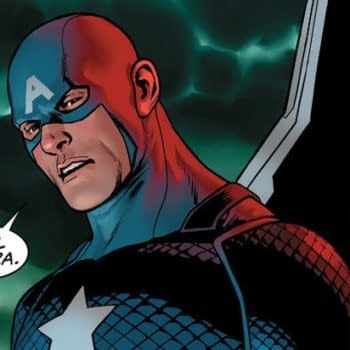
Marvel Executive Editor, SVP and Senior X-Men Editor Tom Brevoort has a message for fans who get furious about controversial storylines: he welcomes the intensity, because it means they're actually invested. As well as discussing whether or not I am myself, or the reality of variant covers, he went on the Word Balloon podcast with host John Siuntres and addressed some of the most heated fan backlashes of his career, from the 2017 Secret Empire "Hail Hydra" Captain America twist that drew credible death threats, to the current online vitriol directed at Paul Raban, the recent boyfriend of Mary Jane Watson, and explained why he views strong negative reactions as a sign of success rather than failure.

Reflecting on a parallel between the fan reaction to Paul Rabin with Peter Parker and Mary Jane Watson no longer being a couple, and the Secret Empire period, when Steve Rogers was revealed as a long-term Hydra agent (later explained as a result of Kobik's reality-altering powers), Brevoort recalled the extreme response. "That was the only one that I got actual credible death threats for. I had to cancel at least one convention appearance because there were some sort of death threat letters that came in from a place that was not that far from where the convention was, and it was like, yeah, can't screw around with this because you never know." He noted how quickly some fans escalated the plot point. "The people who were unhappy made the very quick leap from, oh, he's Hydra to, oh, he's a Nazi, which is not really, in Marvel Comics anyway, exactly the same thing. And also "oh, this was going to be it". Like, Steve Rogers was forever going to be this, and this was going to be the end of Captain America as we know it, and it's a travesty. And, you know, Jack Kirby is rolling in his grave, they would tell me. And I'd be like, you know, I think Jack's fine, sir." But he noted that even though "everybody lost their minds, the fact that people were that upset meant on a certain level they were invested. They were on the ride whether they wanted to be on the ride or not."
He went further, explicitly stating that he prefers passionate outrage over apathy: "I honestly kind of like it when they go all in like that because it just shows that they are invested in the story and they haven't seen the rope trick so often as to be jaded and not buy into the drama of what's going on because the drama of what's going on is the whole thing. I absolutely want them to take it seriously."
Brevoort was particularly emphatic about avoiding meta commentary that undercuts emotional stakes, especially in stories involving character death or major status-quo changes: "One of the things that I pound on this fairly constantly to the younger editors and to my creators whenever we do this is I don't ever want to see another comic book story where a character dies and other characters stand around and go, 'Don't worry, he'll be resurrected again soon.' Because that's crap. That's trying to be more clever than the audience or trying to tip your hat or wink or go, 'Yeah, you shouldn't take this seriously. It's all just fiction, and it's all just BS.' You know, that doesn't happen in real life. If you're going to kill a character off, big or small, the rest of the characters in your world had better take that as seriously as you do when somebody in your life drops over dead. Otherwise, it's nonsense."
He contrasted this with the "rope trick" familiarity many longtime readers have (temporary deaths or changes that revert), but argued that the illusion of permanence is essential for drama. "When fans can actually get in on that and go, 'Oh my god, they killed Captain America in Civil War, and he's actually dead. What's going to happen to the Captain America comic now? Oh my god.' And go on that journey even though, inevitably, invariably, eventually, Steve Rogers is going to come back. The fact that you can have that experience and that purity of response, I think, is great. So, I love it whenever they do that. And so, to a certain extent, for all that it's driving a lot of people absolutely crazy, I like the reaction to Paul because it means they're feeling something. They're having a reaction to this piece of fiction, and I'll take that over studied indifference every time."
Brevoort acknowledged growing up with What If?-style tales, where drastic changes were clearly temporary and therefore less upsetting: "You and I grew up with those imaginary stories. So Luther could kill Superman, and we weren't offended by it because again, it's like, all right, it'll be fine next month. Everything's okay. And I mean, we knew we've seen the trick, the rope trick enough times that it's like, yeah, I think Steve Rogers is going to be okay at the end of this thing as screwed up as it is right now."
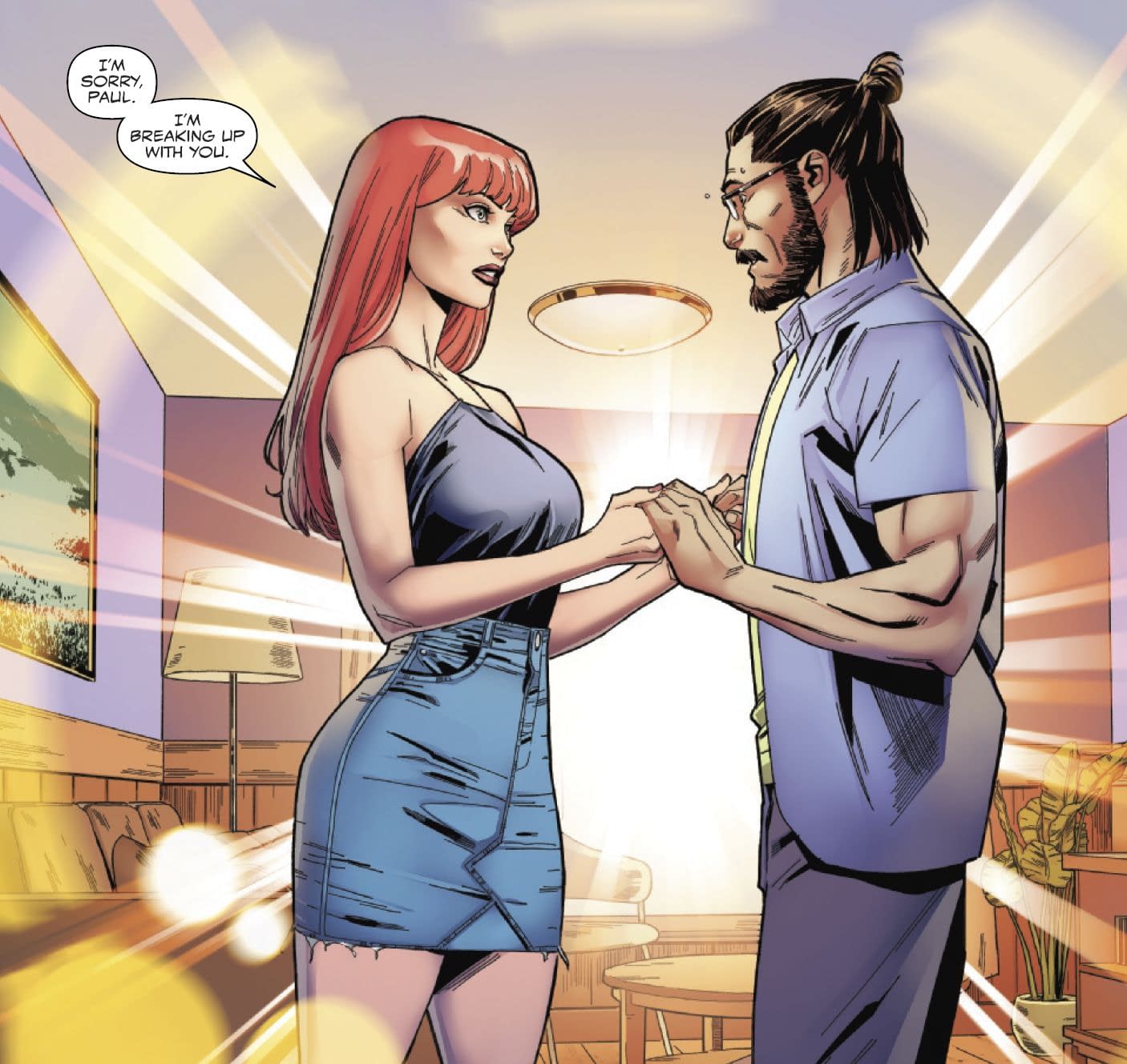
Well, I think he may have succeeded in making some Marvel fans… not indifferent today… to recap. In 1987, thanks to Stan Lee's newspaper strip, Peter Parker got married to Mary Jane Watson. Then, twenty years later in 2007, thanks to Mephisto and Joe Quesada, he wasn't anymore and never was. And for the last almost twenty years, there has been a significant vocal share of the readership still angry about that. The Zeb Wells/John Romita Jr Amazing Spider-Man relaunch in 2022 came after Peter and Mary Jane had moved back in together, trying to give it a go again.
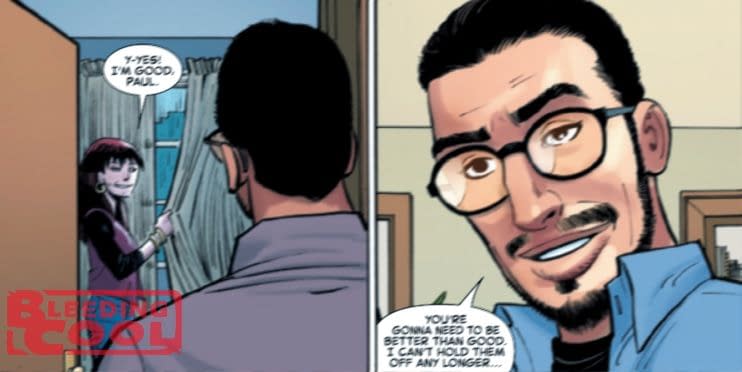
But in the new relaunch, they had been split up, and had been for some time. Mary Jane was now living with someone called Paul Rabin, and they had kids, somehow.
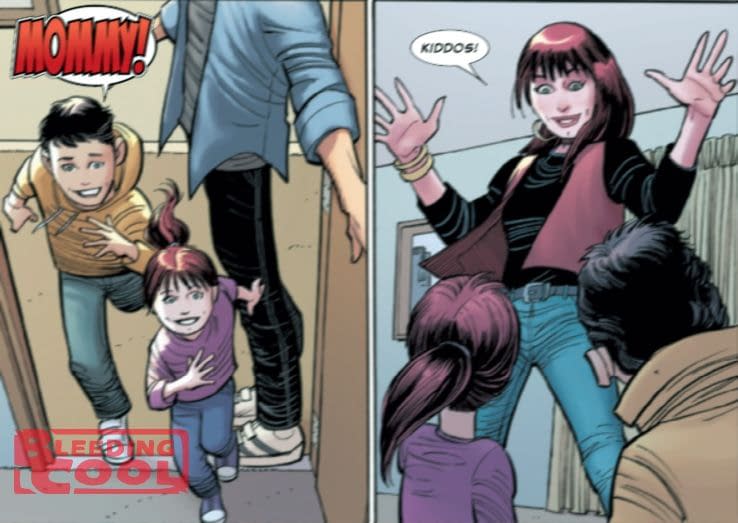
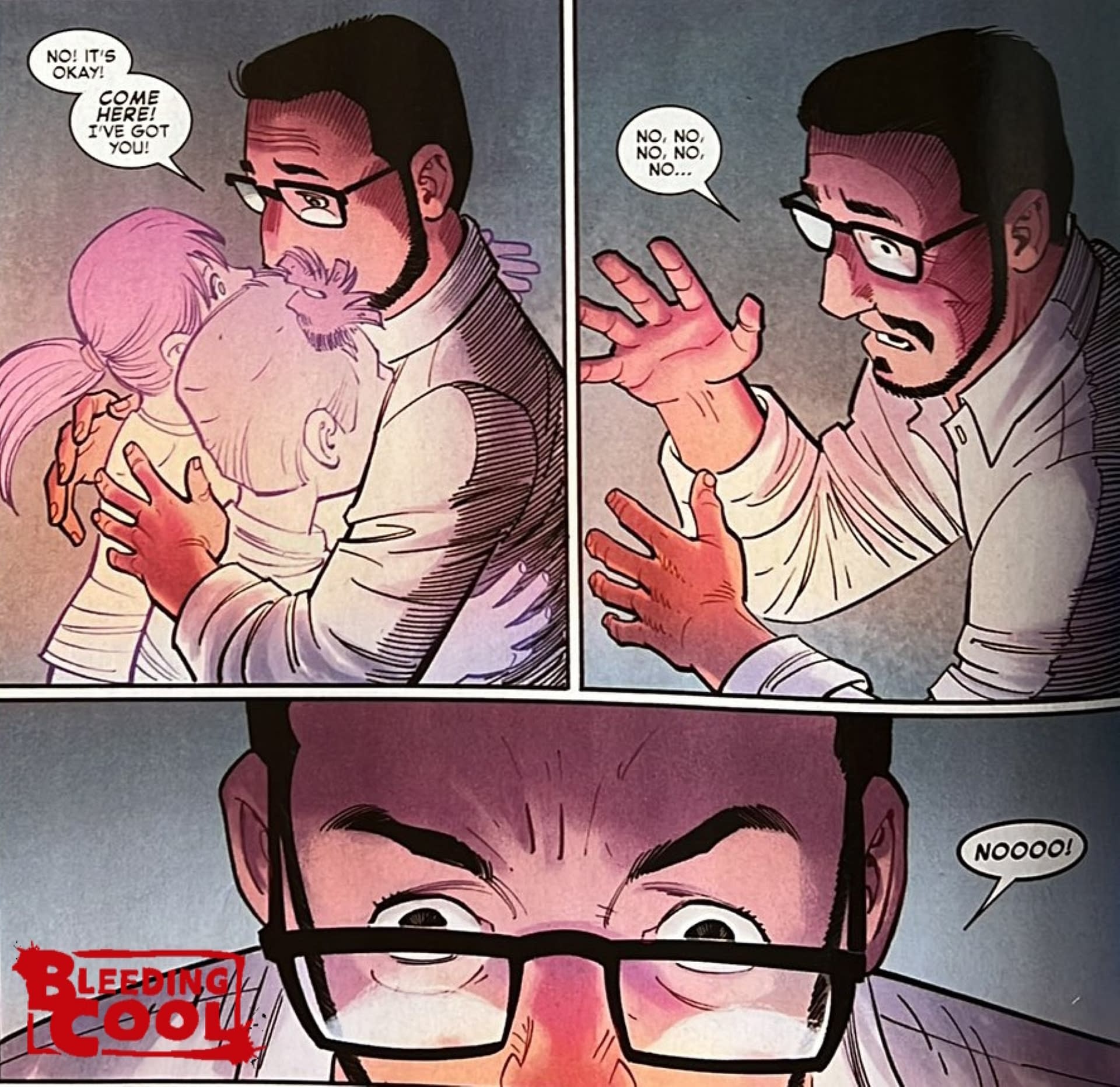
Turns out that a battle with his own supernatural father, Mary Jane and Paul were trapped in another dimension with time travelling differently, and Peter Parker was doing whatever he had to do, to try and rescue them after burning every bridge he had as Spider-Man.
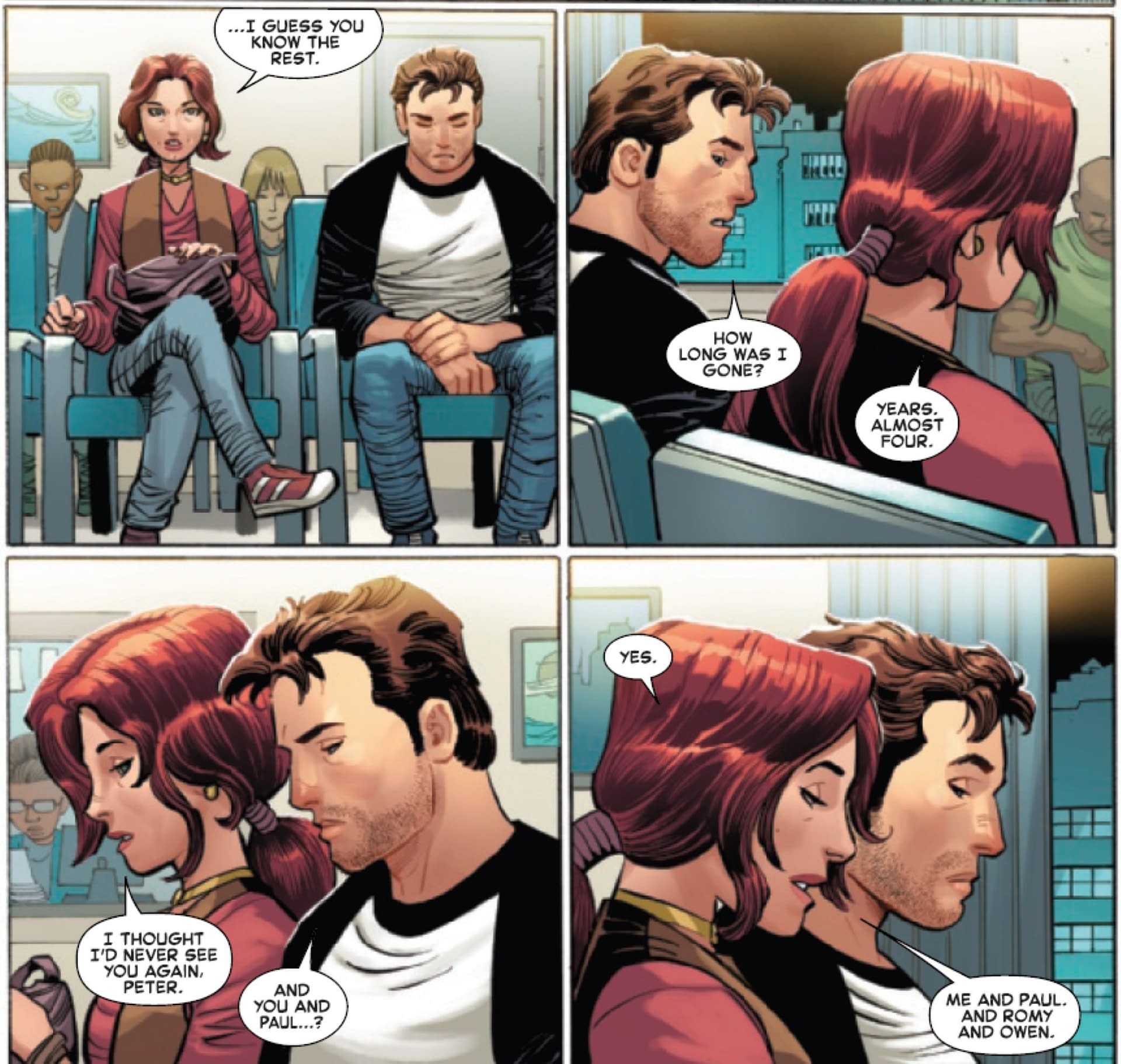
And how Mary Jane Watson had spent four years moving on without Peter, now living with Paul, and their two children.
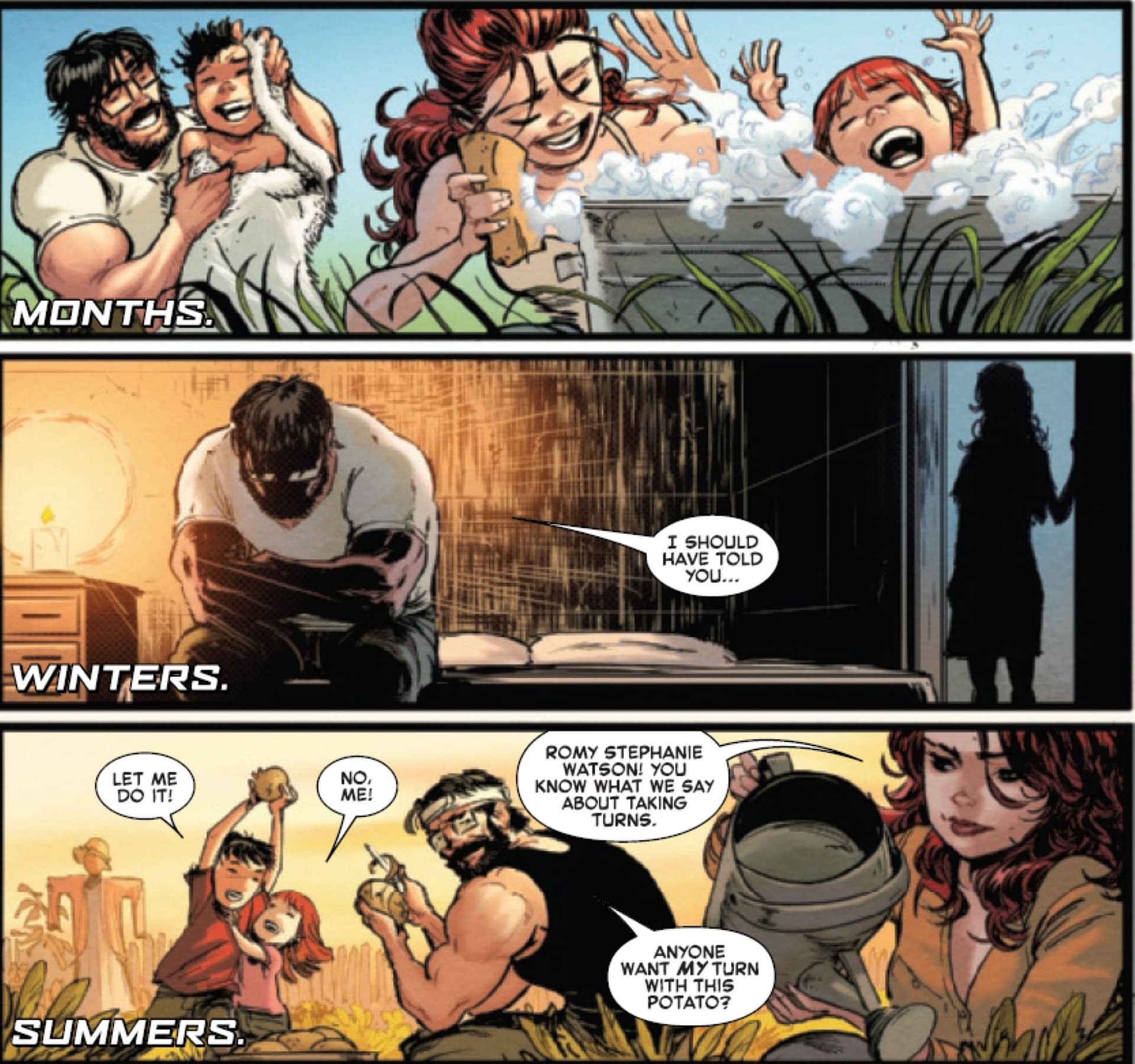
It had just been too long. Even if it turned out that they were mystical creations who didn't actually exist.
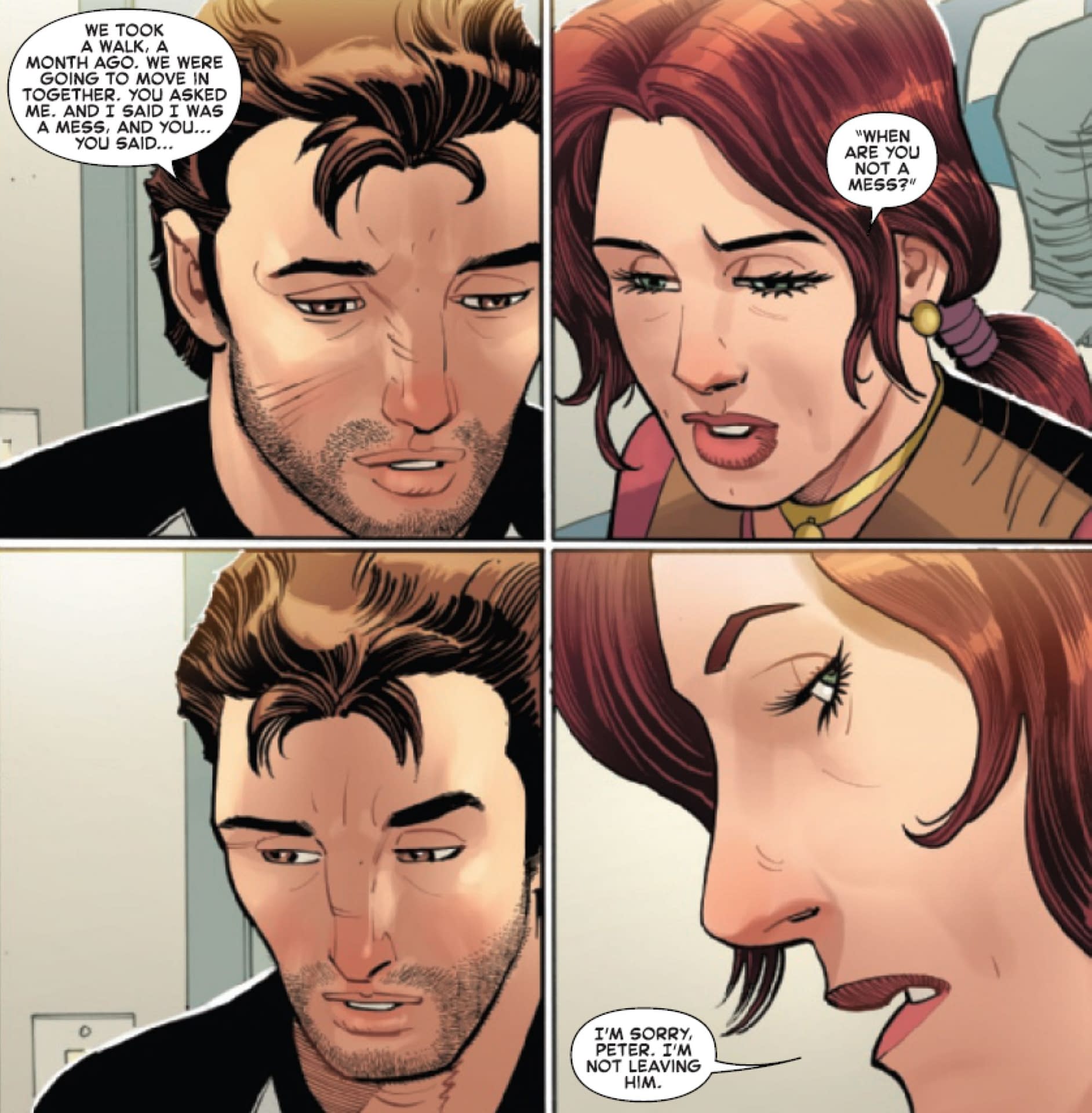
By then, Mary Jane Watson had moved on, and Peter Parker had to deal with this. Badly.
Then Paul's expertise with sigil magic also helped to formulate Mary Jane Watson's superhero identity as Jackpot. He became her man in the chair while she patrolled the streets, going through the same things that Peter Parker had done as Spider-Man.

Even if the Venom symbiote didn't think there was much in it.
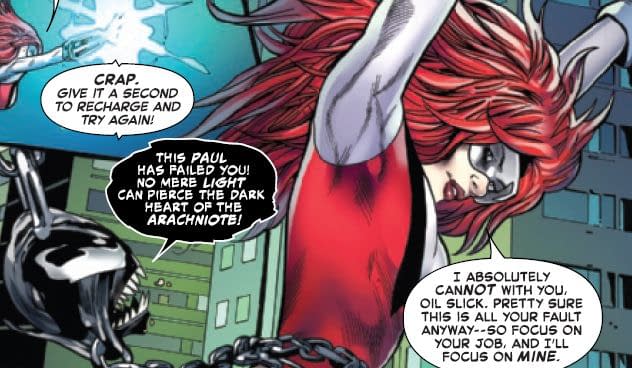
But then Paul Rabin and Mary Jane Watson were looking to become parents again. At least foster ones, for now… and they may have their hands full… with Dylan Brock. Then it was revealed that Mary Jane was the new host of Venom, Dylan Brock's symbiotic parent.

So Venom was keeping Dylan Brock close all this time. But while Mary Jane will have known, Paul Rabin clearly has not. So Mary Jane lied to Paul about a) her new role and identity and b) the reason why Dylan Brock is with them. The recent Amazing Spider-Man relaunch by Joe Kelly, Pepe Larraz and John Romita for 2025 pushed Spider-Man into a series of major physical and psychological challenges, and the creative team have decided, well, not to do stories with Mary Jane Watson and Paul Rabin, understandable given the abuse some folk give them for even acknowledging Paul Rabin's very existence. To be fair, Marvel does do some of this on purpose.
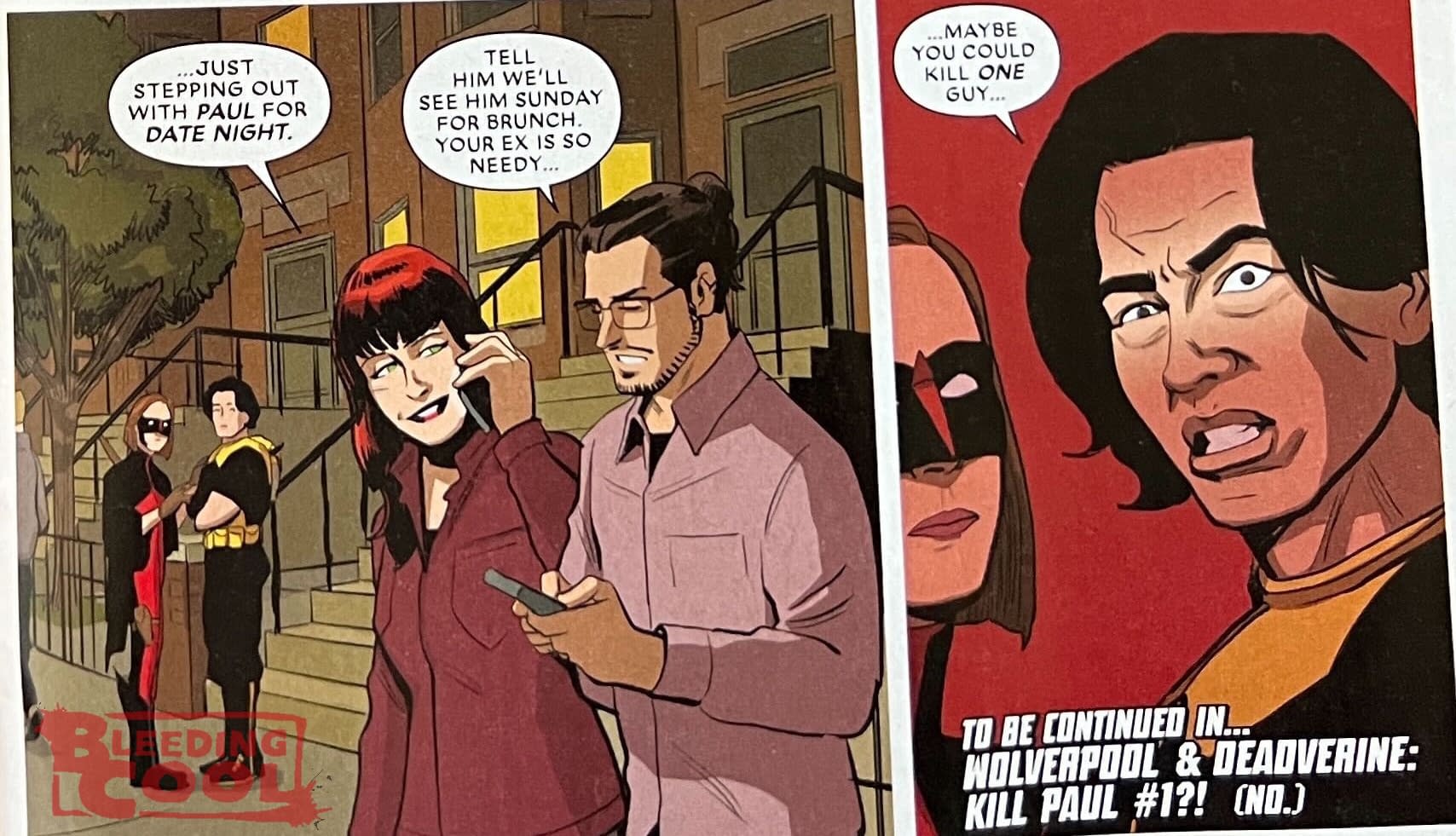
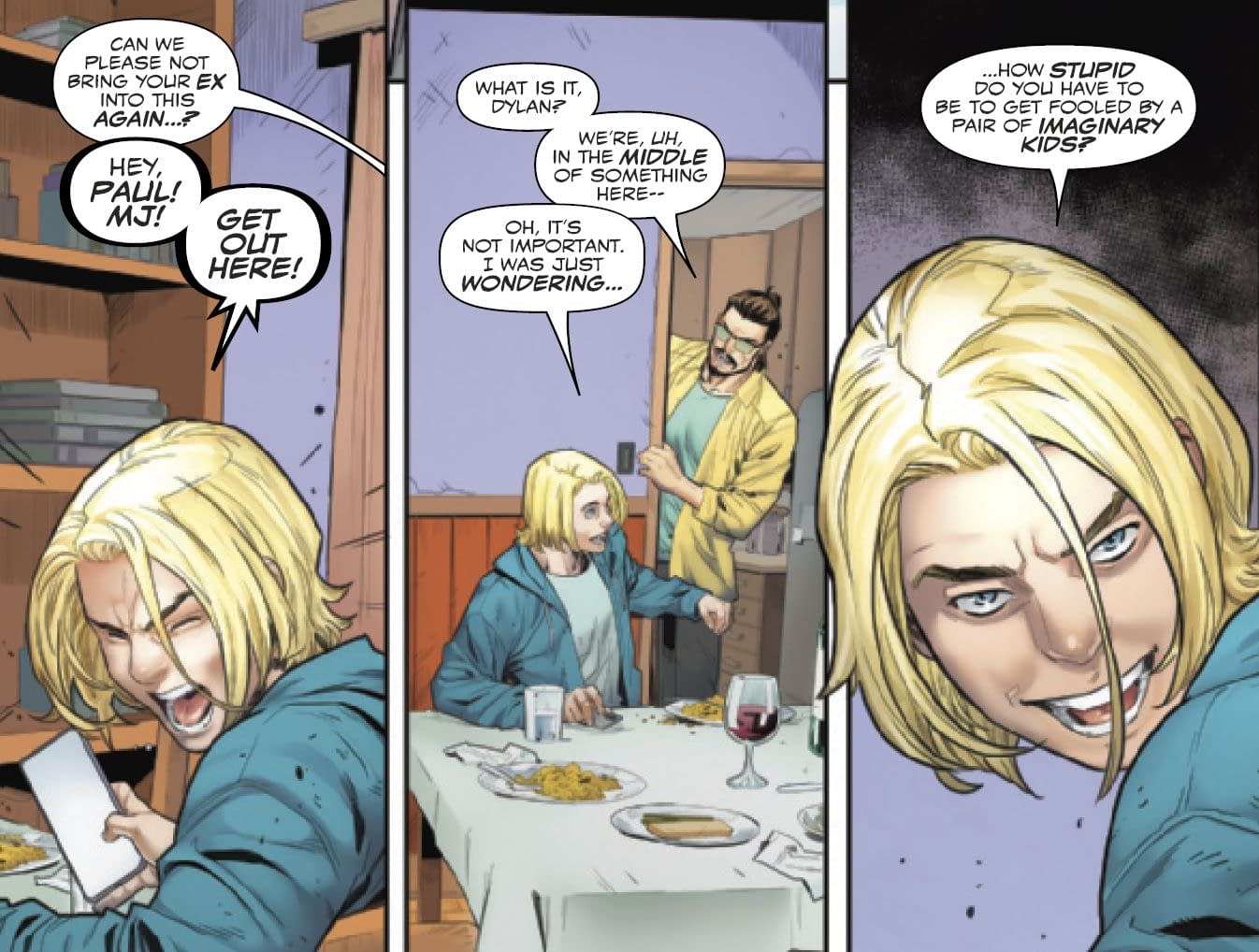
The All-New Venom series took those characters on, with Mary Jane, secretly as the new host for Venom, and dropped Dylan Brock in the mix, who seemed to take on the very aspect of the fanbase, and threw all the abuse a teenager can at Paul Rabin.
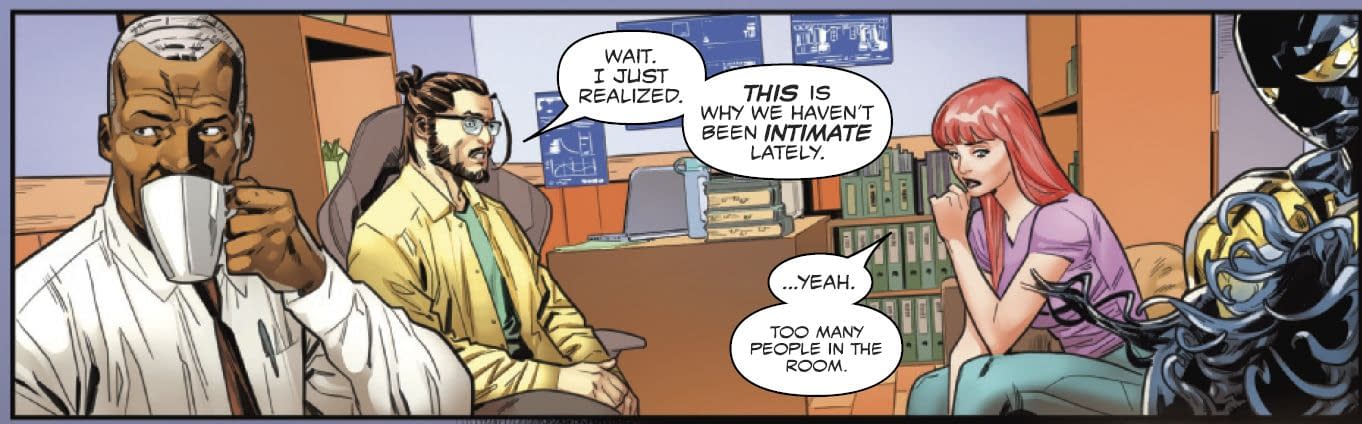
While it seemed that Mary Jane and Paul Rabin have their own relationship problems in that regard.
And just as Mary Jane and Paul Rabin return to last month's Amazing Spider-Man #8, still with Dylan Brock. And still with Dylan Brock being abusive towards Paul Rabin, All-New Venom #9 headed towards an ending…
-
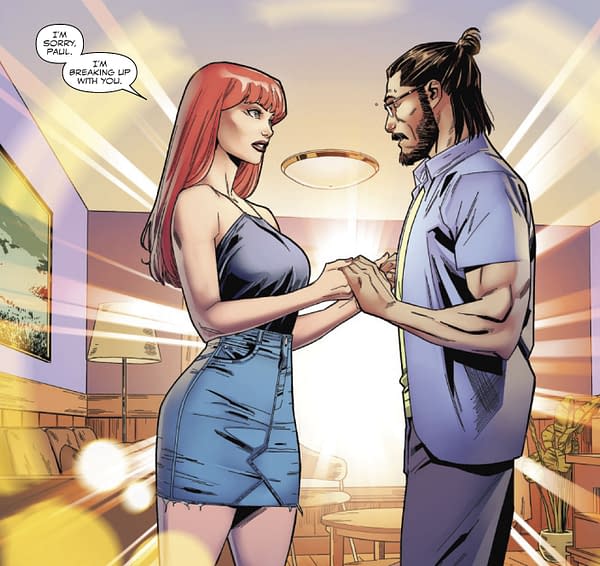
- All-New Venom #9 by Al Ewing and Carlos Gomez
Although he doesn't seem to have entirely taken the hint and is still hanging around… even as Mary Jane Watson has someone else in mind…
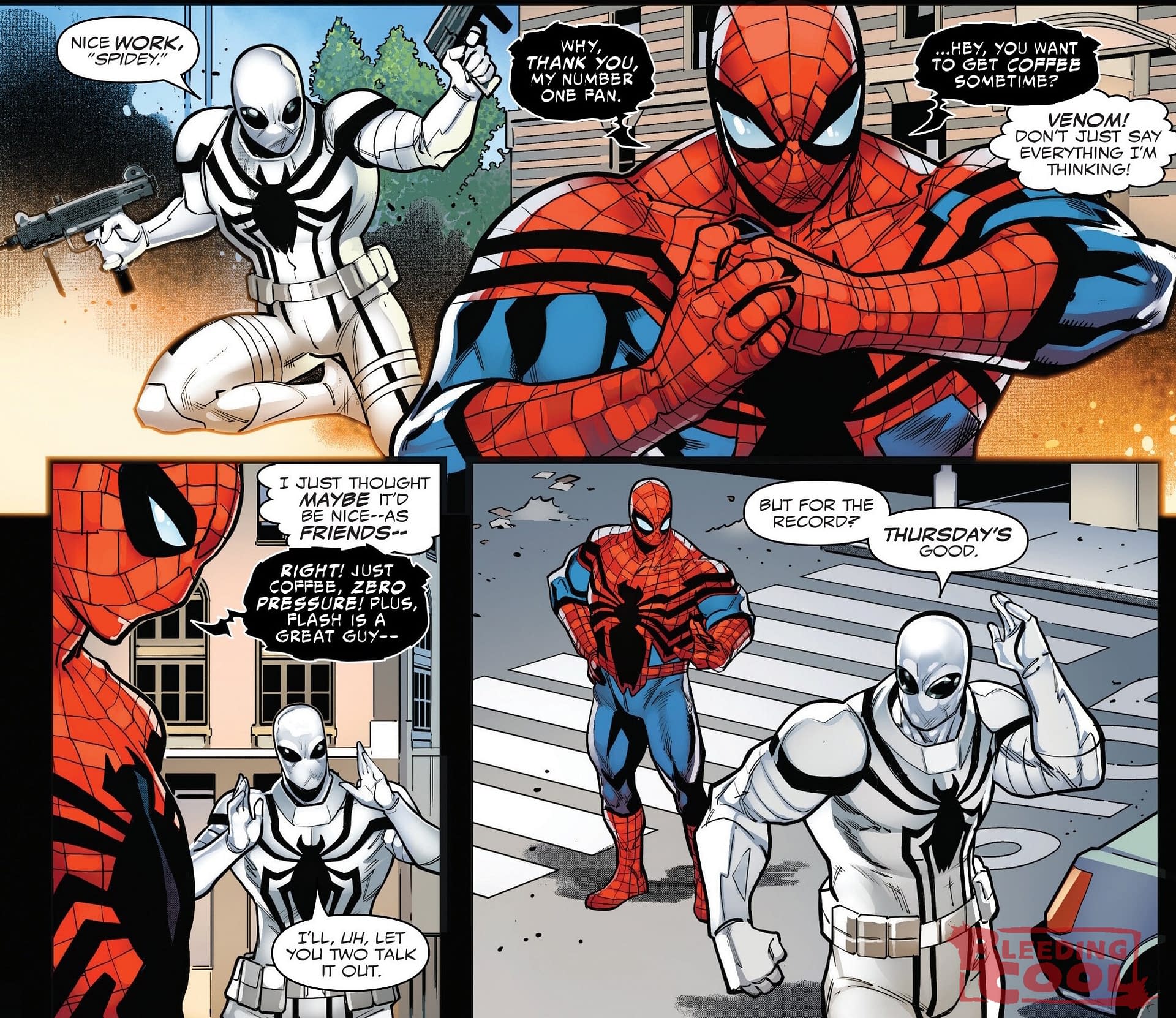
As Flash Thompson, classic Spider-Man character may have her attention once more.
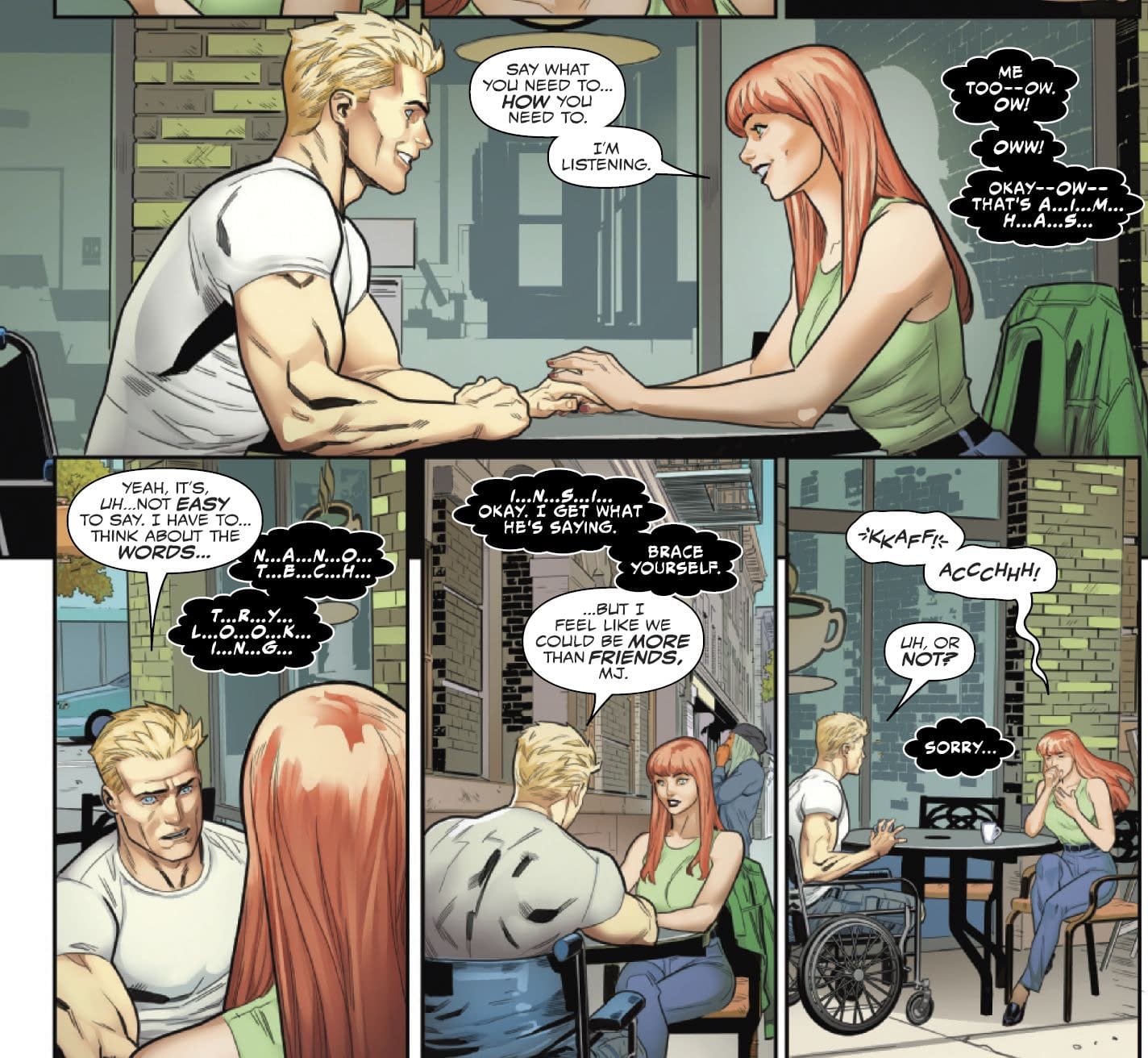
Well, that will probably avoid the "studied indifference" responses from readers, right?
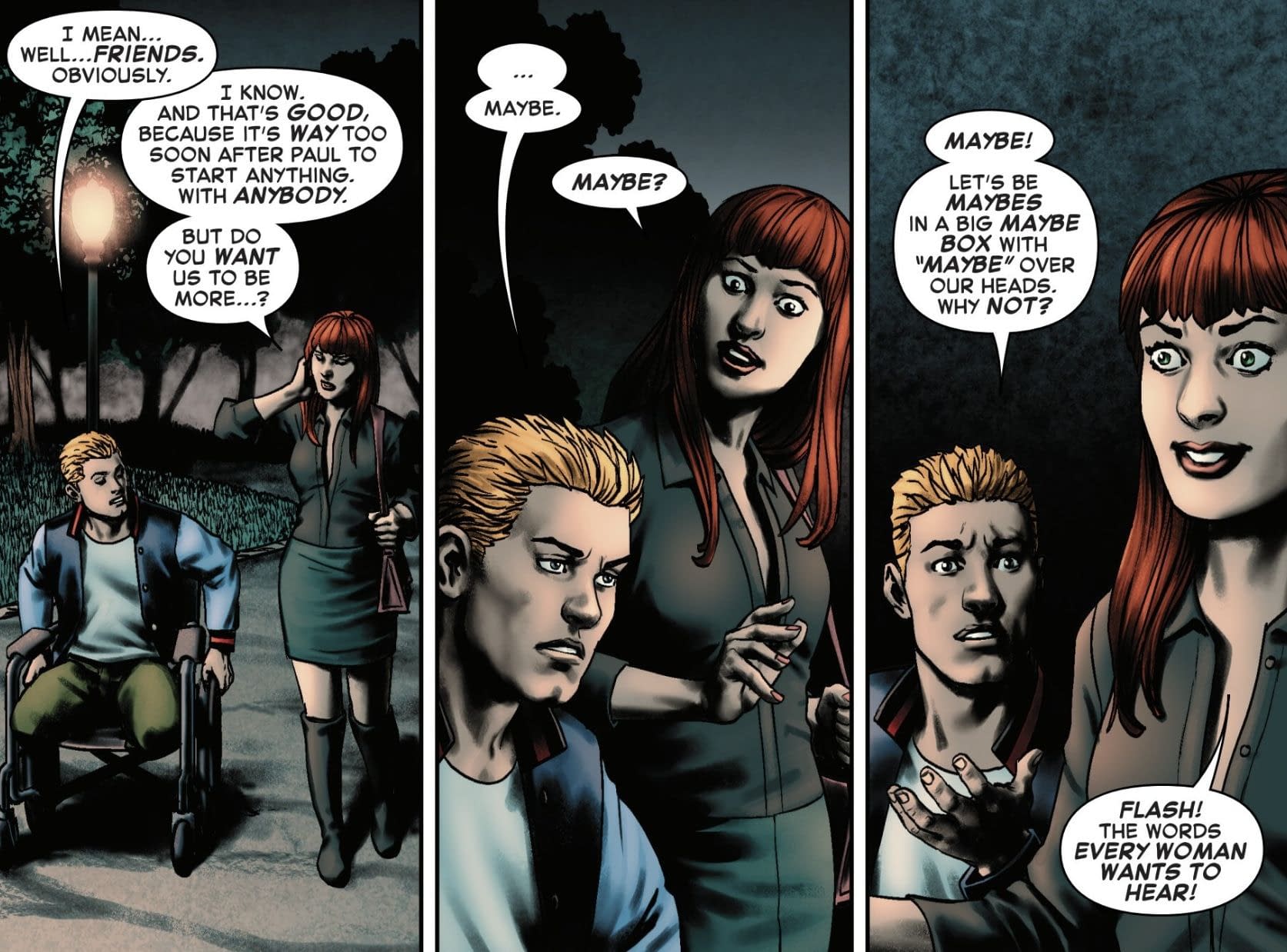
More, much more, to come…
Enjoyed this? Please share on social media!



Stay up-to-date and support the site by following Bleeding Cool on Google News today!