
 About
About 


New 52 Wonder Woman's Brian Azzarello and Chris Chiang to reunite on a new Batman project from DC Comics
Posted in: Batman, Comics, DC Comics, Justice League, Superman | Tagged: Bob Rozakis, DC Implosion
When DC Comics Cancelled Half Their Titles… Fifty Years Ago
When DC Comics Cancelled Half Their Titles... Fifty Years Ago. Remembering the DC Implosion with Bob Rozakis
Article Summary
- In 1978, DC Comics abruptly cancelled half its titles in a dramatic event dubbed the "DC Implosion."
- Bob Rozakis reveals how record blizzards delayed comic sales data, triggering mass cancellations.
- The cuts ended the "DC Explosion," axed major series, and scrapped dozens of stories and new launches.
- The Implosion reshaped DC, pushing it toward original content and setting the stage for 1980s revival.
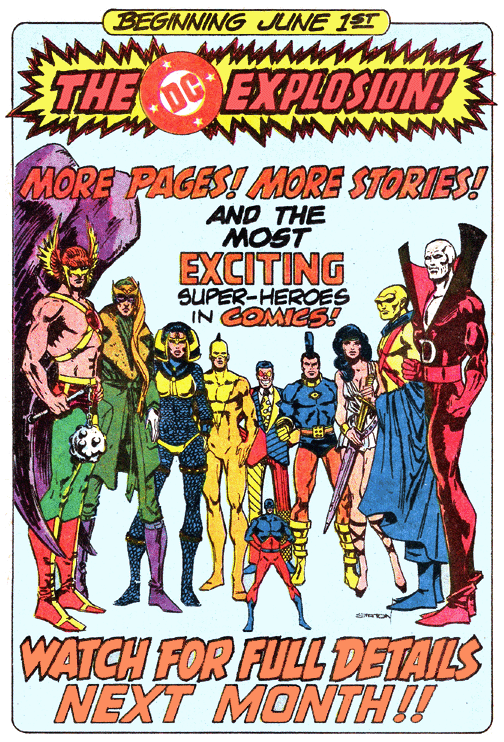
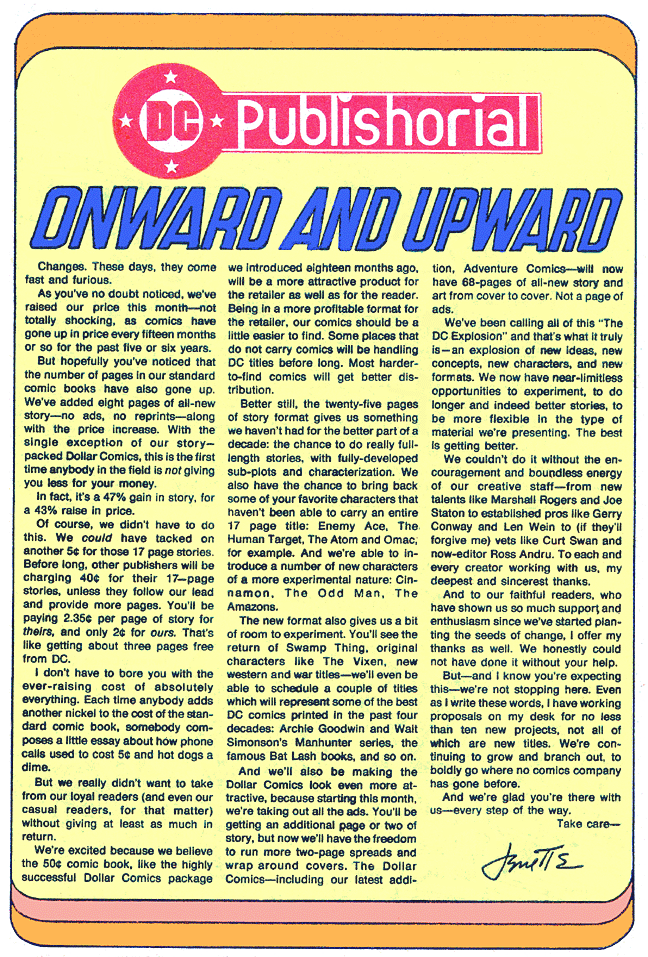
The DC Implosion of 1978 stands as one of the most dramatic and chaotic episodes in American comic book history, a sudden, massive contraction of DC Comics' publishing line that cancelled dozens of titles, shelved completed stories, and left creators reeling. Named to contrast with the preceding "DC Explosion" marketing push, which touted an expanded lineup of over 50 titles with more pages and higher prices, the Implosion became a sardonic nickname for the company's abrupt retreat.
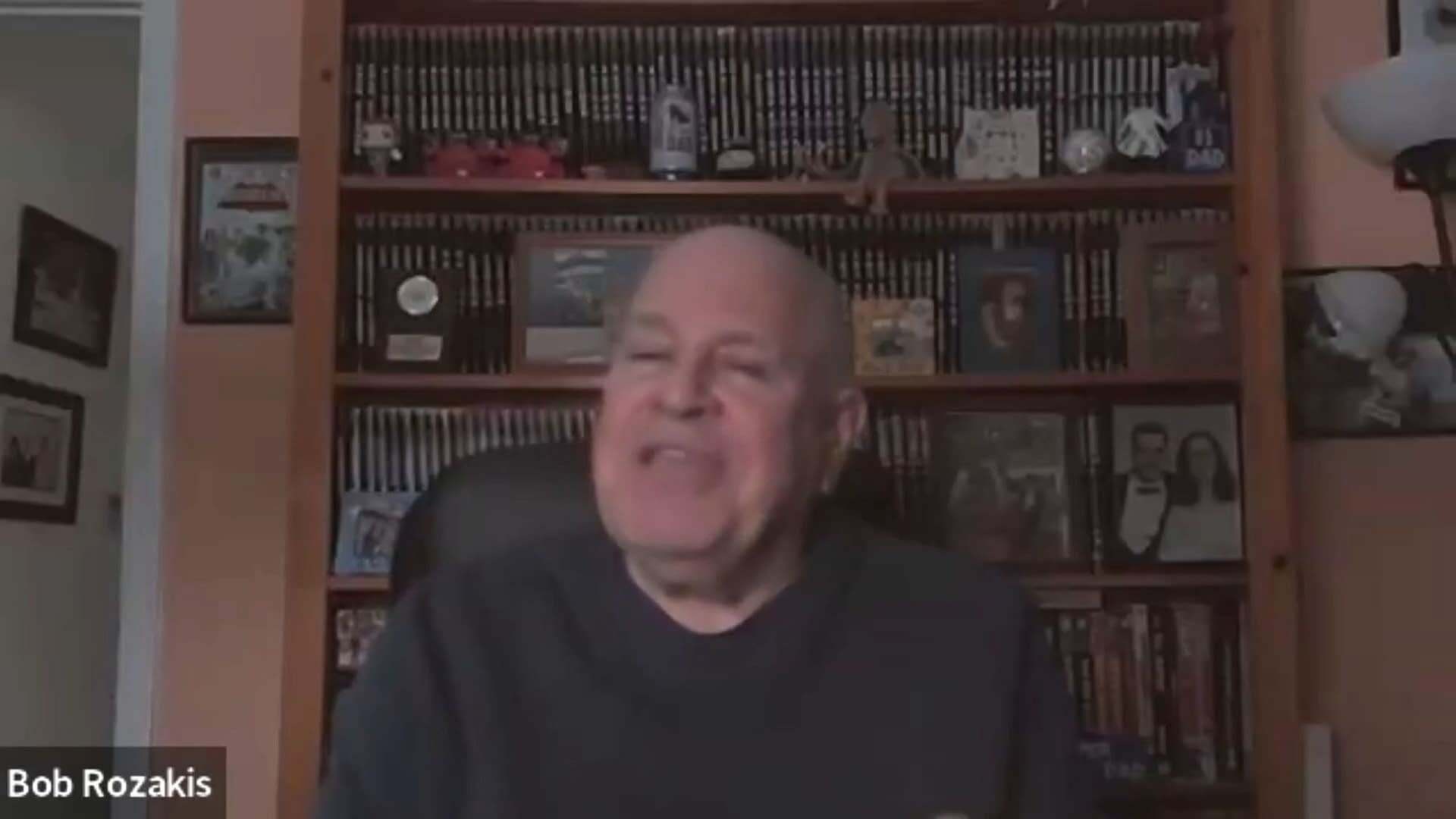
Bob Rozakis, a veteran DC writer, editor, and historian who lived through it as an assistant production manager, recently shared fresh insider details in a February 2026 Word Balloon podcast interview with John Siuntres, emphasising how a freak series of weather events played a pivotal, underappreciated role.
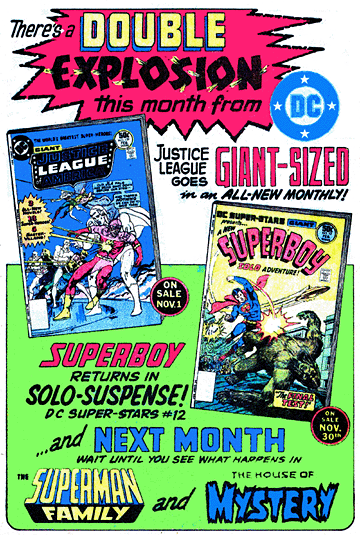
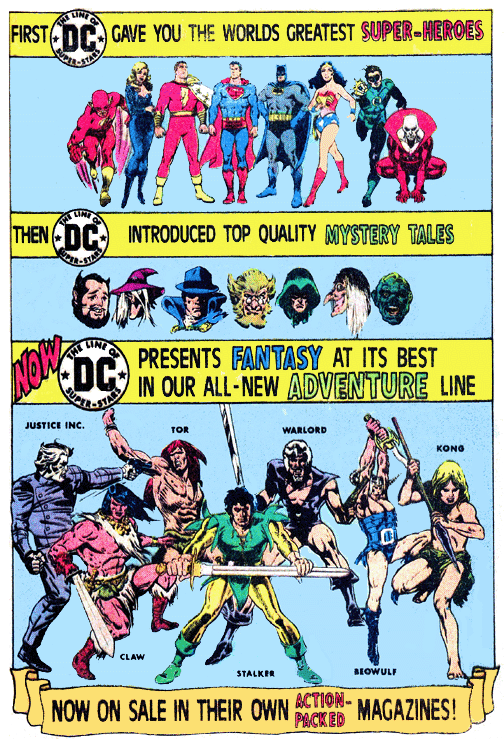
In the mid-1970s, under publisher Jenette Kahn and with Warner Communications oversight, DC Comics aggressively expanded their line. Kahn called it "an explosion of new ideas, new concepts, new characters, and new formats." The likes of Batman and Flash, would get new back-up stories starring secondary existing characters such as OMAC and Enemy Ace. Titles such as Justice League of America would now have 25 page, all-new stories which would allow "near-limitless opportunities to experiment, to do longer and indeed better stories." DC also introduced Dollar Comics, a line of books featuring 80 pages of all-new story and art for $1 such as Superman Family, House of Mystery, World's Finest and G.I. Combat. With 16 new titles in 1975, 21 in 1976, 12 in 1977, and 8 in 1978, 57 new titles in four years including Firestorm, Black Lightning, Shade The Changing Man, and Steel, and relaunched of Jack Kirby's New Gods and Mister Miracle.All aiming to capture more market share amid competition from Marvel. Rozakis benefited personally, writing backups like those in Secret Society of Super-Villains and even scripting early stories for what might have become a Joker's Daughter feature (a conceptual precursor to Harley Quinn). The "Explosion" launched prominently in mid-1978, but the timing couldn't have been worse.
Sales data from the brutal winter of 1977 to 1978 were catastrophically delayed. A relentless string of Northeastern blizzards and ice storms, including the infamous Blizzard of '77 and the devastating Northeastern United States blizzard of 1978-paralysed distribution. Hundreds of thousands of comic books sat trapped in warehouses, unable to reach newsstands. Consumer purchases plummeted as families dealt with feet of snow, power outages, and economic hardship amid ongoing inflation, recession, and rising paper/printing costs.
When preliminary reports finally trickled in during late April and early May (delayed by three to six months due to the disruptions), they painted a dire picture: "sales in the toilet," as Rozakis put it. Warner executives, interpreting the numbers as genuine market failure rather than a weather-induced aberration, reacted with panic. They demanded immediate cuts, slashing the line roughly in half, to around twenty to twenty-five core titles. The Implosion axed ongoing series, killed planned launches, and left stacks of finished inventory unpublished. Rozakis noted it ended the era of reprint-heavy books (like 100-page spectaculars) and forced a shift toward all-new material, aligning with the growing direct market of comic shops where fans demanded fresh content over reprints. Though Rozakis felt relatively secure in his production role, the event curtailed freelance opportunities industry-wide and marked a "knee-jerk reaction" by corporate leadership that ignored the blizzard's outsized impact. It reshaped DC's trajectory, contributing to a leaner, more focused publisher in the years leading into the 1980s renaissance. Rozakis' account underscores a key lesson: sometimes the biggest threats to creativity aren't editorial missteps, competition or being a) too woke of b) not woke enough, but forces as uncontrollable as the weather or pandemics. The DC Implosion wasn't so much bad business; it was a perfect storm, literally.
Enjoyed this? Please share on social media!



Stay up-to-date and support the site by following Bleeding Cool on Google News today!