
 About
About 


It wasn't just your imagination. Marvel TV boss Brad Winderbaum seemingly confirmed that The Watcher did appear in Daredevil: Born Again.
Posted in: Exclusive, Interview, Movies | Tagged: Lone Samurai, Well Go USA Entertainment
Lone Samurai Director on Crafting a Silent Hero, Minimalist Adventure
Writer-director Josh C. Waller (Camino) spoke to us about Well Go's latest period drama in Lone Samurai, casting, struggles, and more.
Article Summary
- Director Josh C. Waller discusses the decade-long journey to bring Lone Samurai to the screen
- Lone Samurai explores a shipwrecked samurai’s struggle for survival on a deadly island
- Shogen was cast as the silent hero for his unique connection to the film’s minimalist vision
- Well Go USA embraced creative risks, supporting Waller in crafting a bold, mostly silent adventure
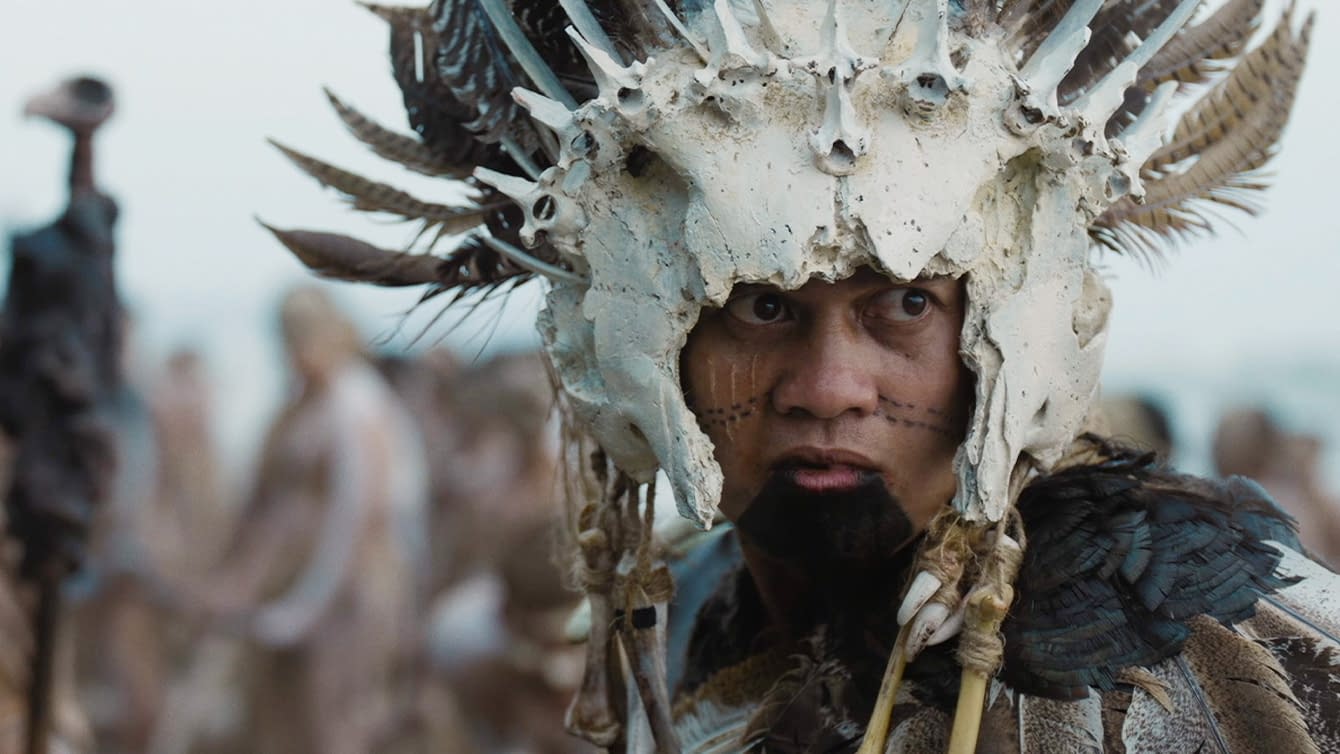
Josh C. Waller always thrives on the types of storytelling he engages in, whether it's as a producer, director, or writer. He's also not shy about going in front of a camera. Known for his work on directing action horror Raze (2013), crime drama McCanick (2013), the thriller adventure Camino (2015), and producing the cult zombie classic Cooties (2014), and the Nicolas Cage-starred horror cult favorites like Mandy (2018) and Color Out of Space (2019), his latest is the Well Go USA period drama Lone Samurai. The film follows a 13th-century samurai (Shogen), who finds himself shipwrecked on an island he believes to be deserted. As he contemplates his existence, it seems like a dignified death at his own hands might be his best solution. However, when he is captured by the murderous cannibal tribe that calls this island home, his survival instinct kicks in. Waller spoke to Bleeding Cool about his long journey to get the film made, including how Covid delayed filming, casting Shogen, and how Well Go allowed him to take creative risks on a genre he had never tackled before.
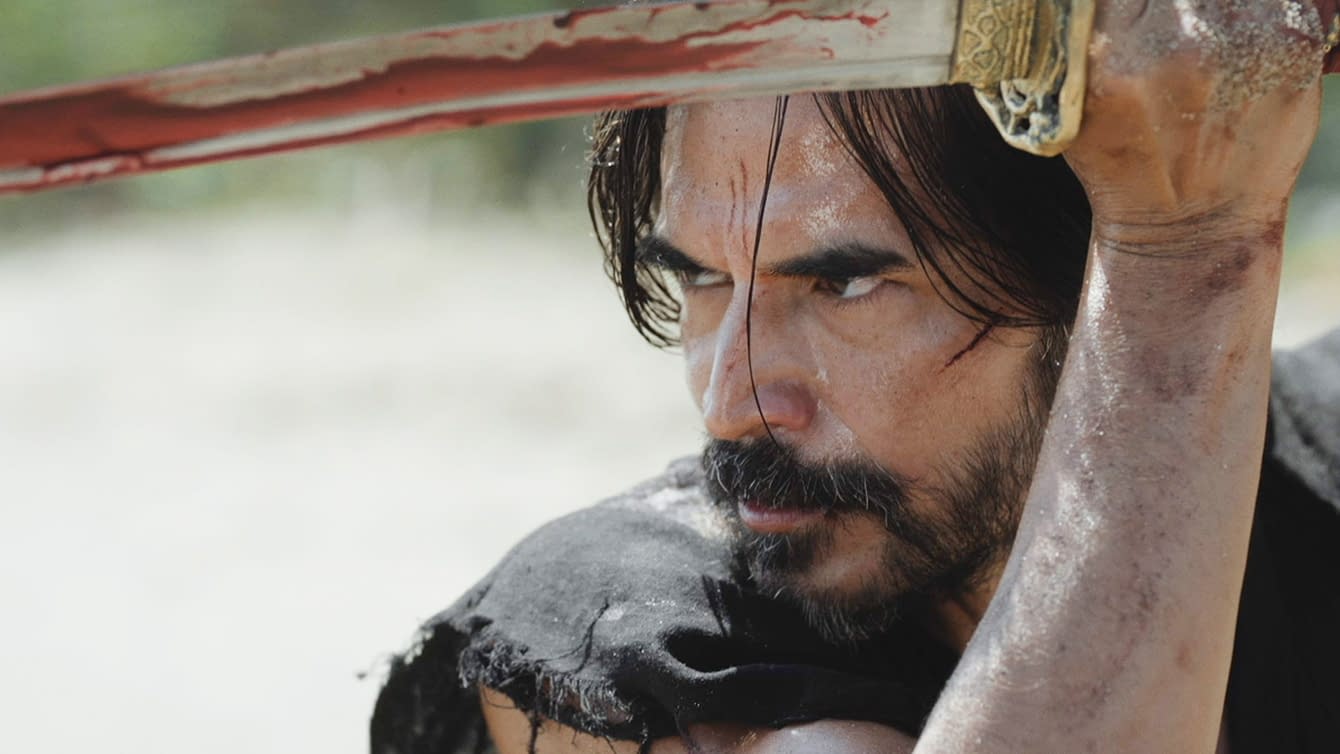
Lone Samurai Writer-Director Josh C. Waller on Film's Silent Inspiration, Casting & More
What's the inspiration behind Lone Samurai?
The inspiration that led me to write it…It was a few things. First, it's the fourth film I've directed, and I felt that after my last movie [Camino (2015)], whatever I directed next, I wanted to feel like it was, like pure me. It was checking a lot of the boxes just for me as an audience goer, like "What would I want to watch? Then I started running down a list of the kinds of things, but I was already working on an idea about a shipwrecked warrior. With my own personal tastes, that became a samurai early on, and then a lot of the stuff regarding his personal story is rooted in my personal struggles. I'm not a samurai [laughs], of course, but my struggles with anger, where do I put it, and I feel like my own thoughts are kind of…that I cannibalize myself so often if you know what I mean [laughs].
What went into casting and what made Shogen perfect to play Riku?
Well, Shogen came into the mix relatively late in the game, actually. I had been developing the film for about 10 years and had agreed with Well Go that we would do it around 2019. Then, COVID hit, and it got stalled. At the time, I wasn't writing it for anybody in particular, and there were a few people I had spoken with, but then, like right when we were already in Indonesia, our lead Japanese producer, Ko [Mori] said, "There's this Okinawan actor named Shogen, and I think you should connect with him. He'd understand the material, and you'd like him." One thing led to another, and I met with Shogen, and it was love at first sight. He understood the material and the roots of the character. He didn't have a lot of experience with martial arts and lots of extensive fight choreography, but you know that stuff can be learned [laughs].
What made Well Go perfect as a partner, and made Lone Samurai a reality?
[Producer] Doris [Pfardrescher] at Well Go…what made them perfect is they understood the script, and what I was trying to do early on. We're always really…I'd say they stuck by me more than anybody, like they have been there the whole time, because it doesn't always happen often in my experience. They really understood what I was trying to do from day one, and that's saying a lot, because it's experimental in a lot of ways. It wasn't like, "Hey, let's set it up to make the most commercial thing known to man." It was like, "I was taking some creative risks," both with the script and what I was trying to do as a director. Fortunately, Doris and that team always got it. They knew that we were trying to do, and they supported trying to do something different, which is not always the case [with other studios].
You said that you've been developing this for a while. Did it take longer to have that script ready? Or was it about filming it that took a little more involved process than expected?
That's exactly it. It's a second part, because it was originally conceived, as you know, like a silent film, I was like, "I wonder if we could do a mostly silent action film, and that has maybe has to lean into the choreography more, like a more movement-inspired version of a Valhalla Rising or something like that. For that reason, the script was always going to be short. I feel the structure of the film is in two halves, parts, or chapters, which has always been there since day one of writing the treatment.
I feel like the script eventually came from that treatment, which was about expanding it a little bit more at a time, so it was always pretty faithful. What we ended up shooting, and you don't have tons of money with these types of films, you must follow what you have in the script as faithfully as you can. It was a matter of COVID getting in the way for a while, which slowed things down. I also had this financial support and distribution support of Well Goi, but I also needed to find the right production team to help support me and help get it done. I was used to becoming the producer on stuff, and so going into this one, it was important to find that team. Those people who were going to have my back while we were boots on the ground.
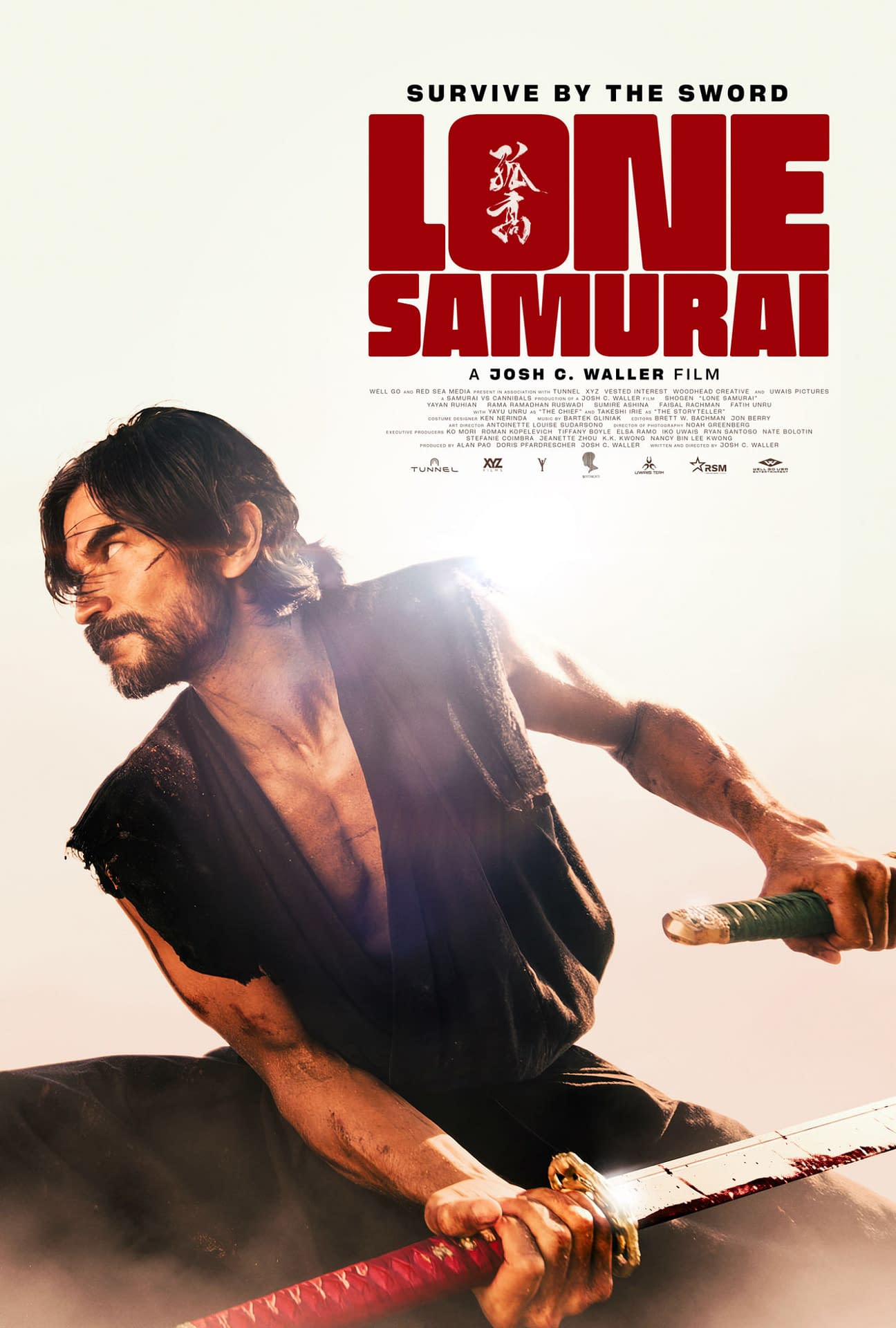
Lone Samurai is available in theaters and on digital.
Enjoyed this? Please share on social media!



Stay up-to-date and support the site by following Bleeding Cool on Google News today!