
 About
About 
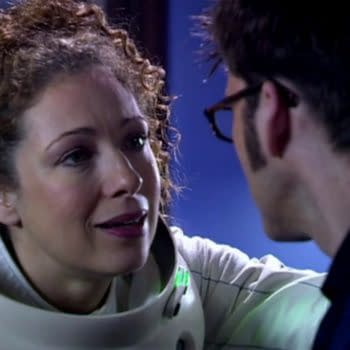
Alex Kingston, who played River Song on Doctor Who, gave the best explanation for how the series created a safe space for kids to face fears.
Posted in: BBC, Current News, Doctor Who, TV | Tagged: bbc, disney, doctor who
Doctor Who: Russell T Davies Is Now The Best & The Worst Showrunner
Amidst criticism of his current run on Doctor Who, Russell T. Davies is turning out to be the best AND worst showrunner for the show possible.
Article Summary
- Russell T Davies is both the best and worst thing to happen to modern Doctor Who’s Disney+ era.
- His iconic revival brought fresh energy, but recent seasons rely too much on lore and fan service.
- Creative choices have led to tonal whiplash, rushed storytelling, and a tired retread of old ground.
- Like John Nathan-Turner, Davies may be irreplaceable—but the show itself could need a fresh perspective.
There's so much fretting about the future of Doctor Who, with fans blaming showrunner Russell T. Davies for his creative choices in the Disney+ era. It creates a lot of clickbait as they villainize Davies for becoming the hero who brought the show back and then became the villain for staying around too long. He can still write funny, witty banter, and he wears his progressive, activist heart on his sleeve, which may put him out of step with the current anti-inclusive culture wars that have engulfed pop culture in the Western hemisphere. Granted, he may have leaned into too many bad habits and rushed writing lately, which has ironically made him both the best and worst showrunner Doctor Who can possibly have right now, partly because it's very hard to find his replacement.
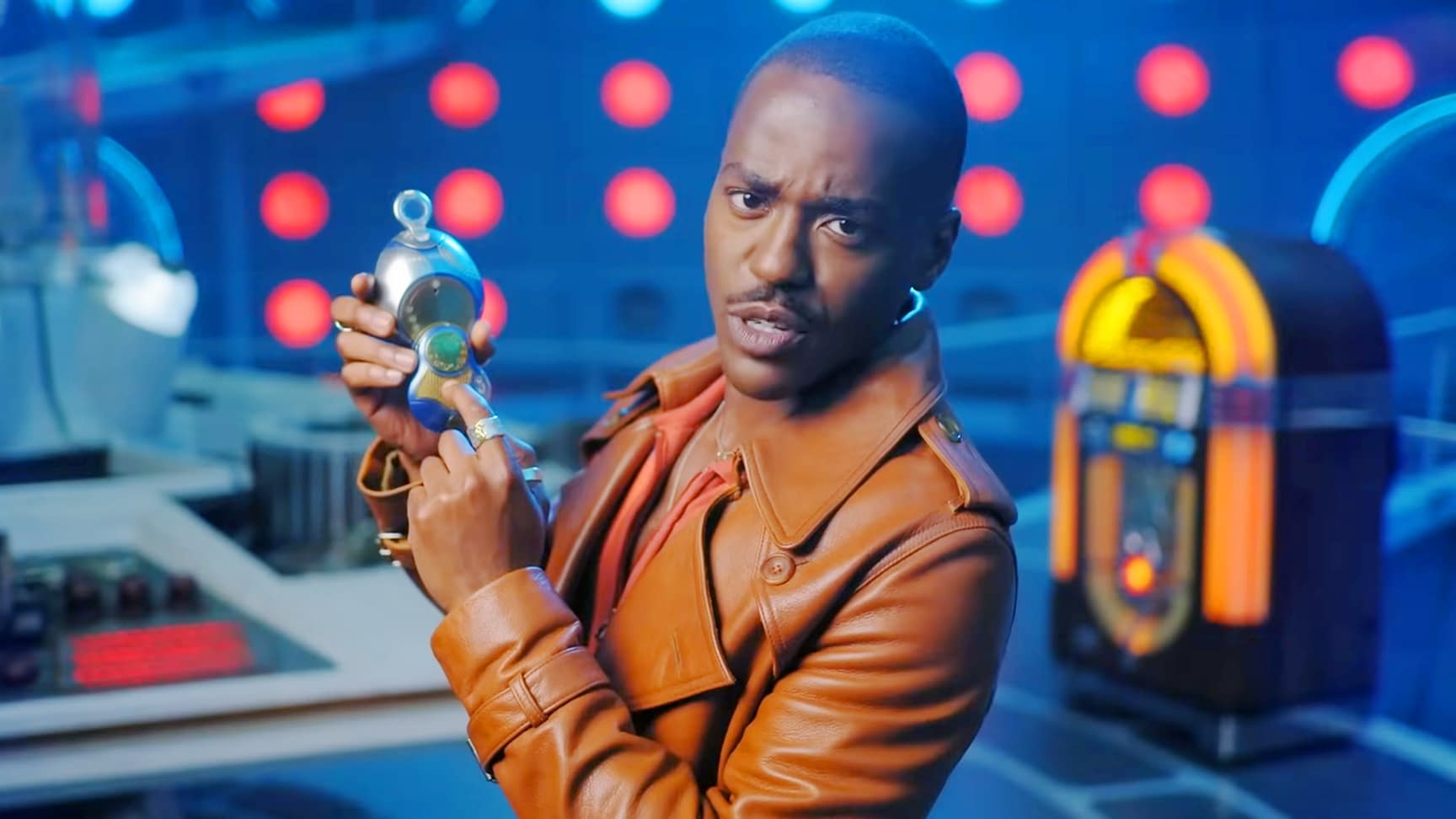
It's churlish to attack the man who succeeded in not only bringing back Doctor Who twice from oblivion. After all, Davies revived the series back in 2005 and made it a ratings success, to the surprise of everyone, including those inside the BBC, who assumed it would be a career-ending disaster. He made the series appealing to female viewers by emphasizing more emotional storytelling and character investment established by Buffy the Vampire Slayer, making the companion as important as The Doctor, making Rose Tyler a beloved character and putting Billie Piper on the map as an actress, then turned the show into an even bigger hit when he cast David Tennant in his second series. He set the tone of the modern iteration of Doctor Who in the 21st Century that subsequent showrunners Steven Moffat and Chris Chibnall continued in their own ways: a combination of earnest morality, social commentary and satire, whimsical humour and fan service (ie moments and details from series lore that shamelessly pander to fans).
The modern version of Doctor Who is twenty years old now, and Davies may have fallen too deep into the fan service trap where he has sacrificed story and coherence for continuity lore clickbait. The Disney+ era felt too dependent on Big Bad reveals that depend on old series lore from up to fifty years ago, which may not even mean anything to modern era fans, let alone newcomers. There were bright spots, but various compromises may have forced Davies to change and rewrite the seasons into something less optimal, including sometimes too much camp and tonal whiplash. The bottom line, though, is that the show feels old and more tired now, retreading old ground Davies laid himself back in the 2000s. And too many times the Doctor didn't even save the day, which seems to forget the most important and basic tenet of genre storytelling: the hero should be active in affecting the outcome of the story.
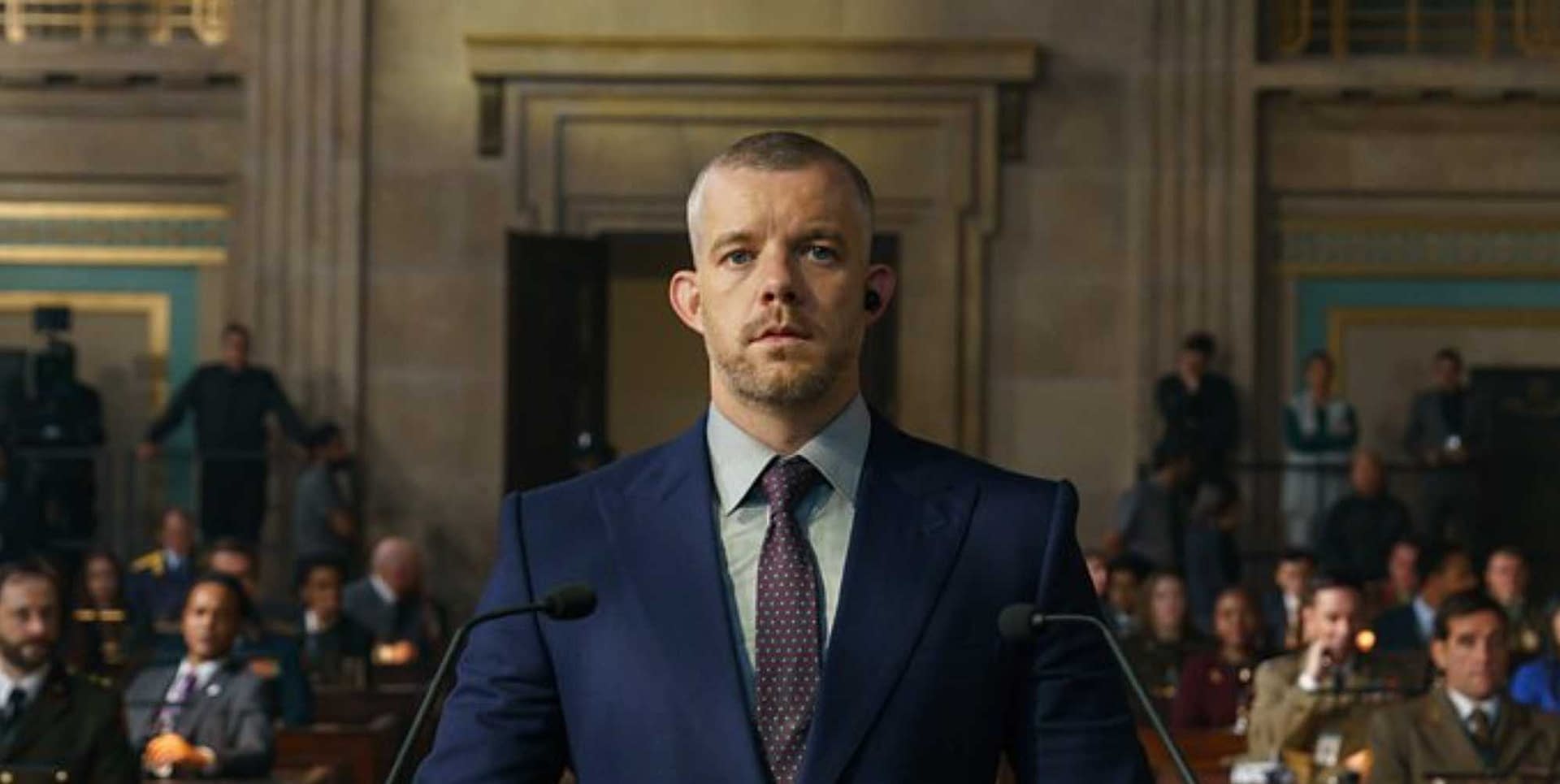
Back in 2005, Davies said that the problem with the original series of Doctor Who was that it got old and creaky. That has now happened to the modern iteration of the show. The tropes have become too common and repetitive. Davies has leaned too far into the camp and the whimsy at the expense of coherence and consistency. His experiments, like the spinoff The War Between the Land and the Sea, went off the rails when its solid but predictable premise collapsed quickly into basic storytelling and tonal mistakes that turned it into a squandered opportunity, especially when you could argue that those five hours of television could have been used instead for five more episodes of Doctor Who that might given the Disney+ era season more room to breathe. Come to think of it, you could argue that the tragic five-episode arc of the spinoff might have been better if it were a Doctor Who arc where the Doctor is part of the story and refuses to help the human race commit genocide but sides with the fish people instead and facilitates the fish fucker romance as well. Could Davies, who understands Doctor Who, trolling and clickbaitng fans and haters better than most showrunners, have gotten bogged down by compromise or even tired? Did he get too fannish in his approach to the Disney+ run?
Memories of John Nathan-Turner, the Last Best and Worst Producer of Doctor Who
If there's a parallel with what happened to the classic series, it's with the final producer of the old show, John Nathan-Turner. He ran Doctor Who from 1980 to 1989, and has frequently been criticized and even reviled by fans for his many creative choices on the show, including an over-reliance on lore and various gimmicks designed to grab attention. Yet he fought to keep the series from cancellation for as long as he could, possibly even destroying his career as a producer, as he stayed on Doctor Who longer than any producer should have when he was expected to rotate out to produce other projects at the BBC. This was in the days when producers were all in-house, and the BBC developed all their projects internally. He was both the best and worst producer for Doctor Who at the time.
To compare Davies to Nathan-Turner might be hugely unfair. After all, Davies was responsible for turning Doctor Who from a cult show for kids and geeks into a worldwide pop culture hit, but his approach may not work as well as it used to because times and audience tastes have changed. Maybe the problem isn't Davies but the series itself. Perhaps it's gotten too familiar, too repetitive, too predictable, too old and creaky. That happens to all TV shows that might have gone on for too long. Davies is one of the most respected TV creators in the UK, who has innovated television several times, including with Doctor Who, but perhaps the latter could use new, fresher eyes. The problem is finding a willing new showrunner who understands it as well as he does. The operative word here is "willing".
Enjoyed this? Please share on social media!



Stay up-to-date and support the site by following Bleeding Cool on Google News today!