
 About
About 


Dustin Ybarra (The Second Coming of John Cooper) spoke with us about his recurring role as stoner chef Gabe on CBS's hit series Ghosts.
Posted in: Capcom, Games, Interview, Resident Evil, Video Game Publishers, Video Games | Tagged: Angela Sant’Albano, Grace Ashcroft, Resident Evil Requiem
Resident Evil Requiem: Angela Sant'Albano on Finding Grace's Voice
Angela Sant'Albano spoke to us about her role as Grace Ashcroft in Capcom's Resident Evil Requiem, mocap, game immersion, and more
Article Summary
- Angela Sant'Albano discusses her debut as Grace Ashcroft in the new Resident Evil Requiem game.
- She shares her experience learning motion capture and adapting to video game acting for the first time.
- Research included playing Resident Evil 4 and watching Resident Evil 7 to understand the franchise's tone.
- Insight into crafting Grace's character and using previsualization to imagine creatures and settings on set.
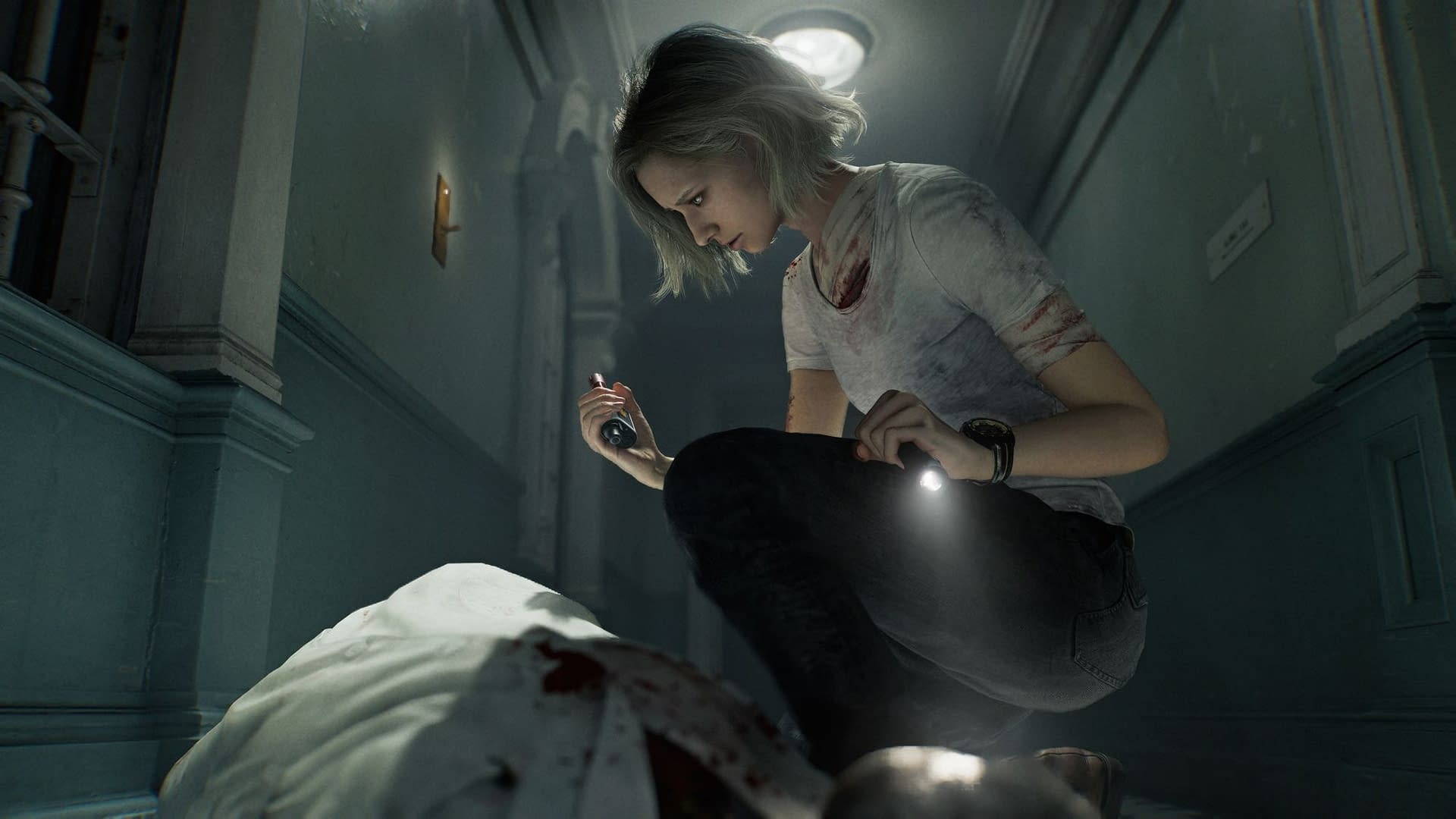
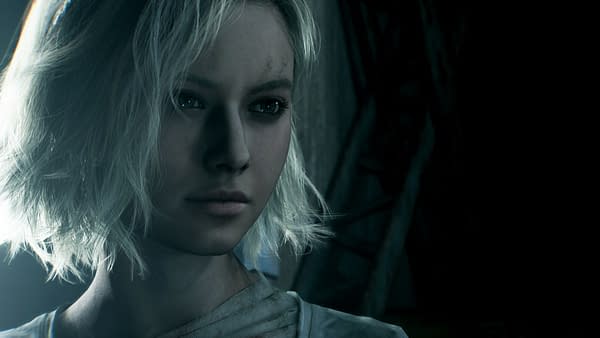
When Angela Sant'Albano took on the role of Grace Ashcroft in Resident Evil Requiem, she had the tall task of immersing herself not only in the 30-year-old franchise but also braving the world of motion capture, which was not something she was accustomed to in her 10-year career acting on screen. As a new protagonist, Grace Ashcroft, Sant'Albano joins Nick Apostolides, who established himself as the voice of Leon S. Kennedy since the 2019 remake of Resident Evil 2.
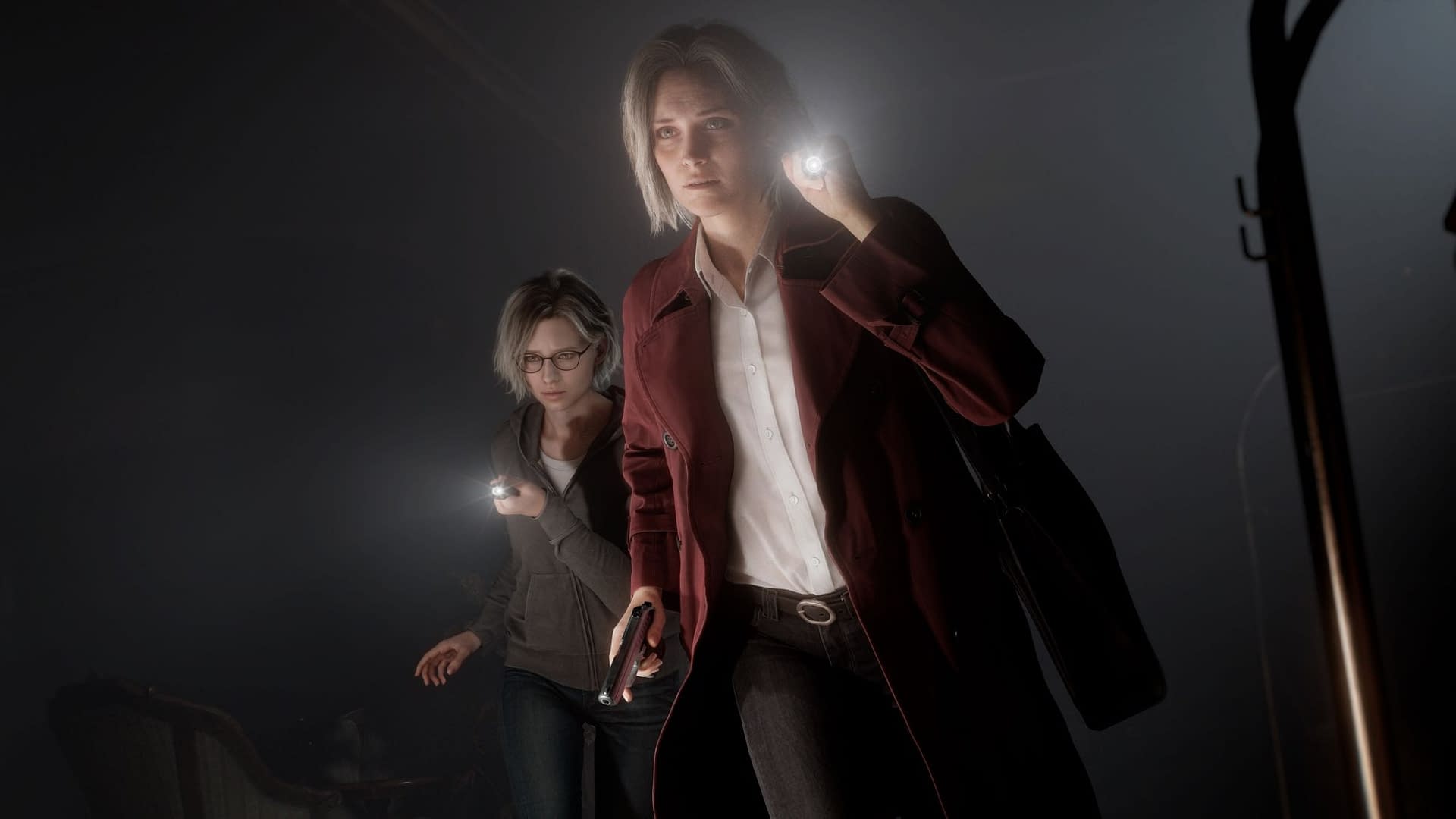
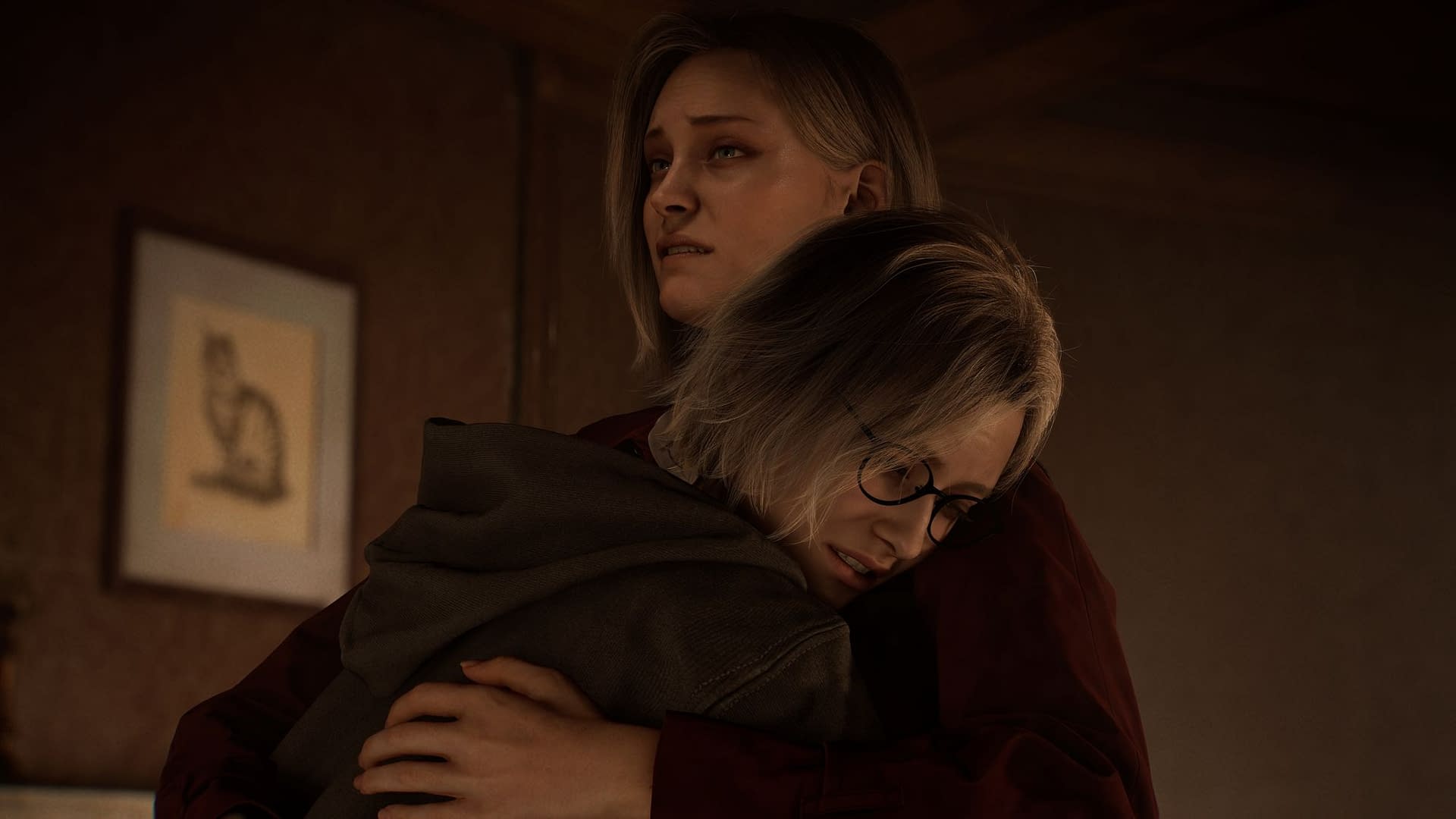
As per the previous titles in the franchise, players encounter their own set of challenges depending on who is selected on a playthrough. Set 28 years after the destruction of Raccoon City, the game follows FBI Analyst, Grace, and DSO agent, Leon, in the latest chapter against the ongoing destructive legacy of the Umbrella Corporation and its ongoing arsenal of bioengineered weapons. In part one of our interview, Sant'Albano spoke to Bleeding Cool about her secretive path to Requiem, learning about the mocap process, getting a crash course in the RE franchise, and visualizing her environment.

Resident Evil Requiem Star Angela Sant'Albano on Her Brand New Frontier
BC: What intrigued you about Resident Evil Requiem, and how'd you get involved?
Sant'Albano: Well, I had always wanted to work on the horror genre, because I think it's such a challenge for an actor. Everything is such a high-stakes situation, and so essentially, during the writer's strike in the US, this came to my agent, and they sent it on to me. They were like, "We didn't actually technically know that it was Resident Evil at the time," because obviously, everything's very secret in the beginning. They sent me the scripts, and the character was so different from anything that I had played before, which excited me.
I remember I went to the audition, and there was so much high-stakes improv, screams, cries, everything you can imagine a Resident Evil Requiem audition improv situation would be, and I just loved every minute. It was so much fun, and I had also always wanted to do motion capture. The stars aligned, and it was something I was so excited about doing, then on top of it, when I found out it was Resident Evil, then you're absolutely pumped, and you're excited. That's how I got involved.

How familiar were you with the voiceover process? Imagine it was a bit of a crash course for you?
Honestly, I had never done a video game. I had never done voiceover or motion capture. Resident Evil Requiem was all motion capture, obviously, and into a booth for postproduction, to do the barks, and more gameplay lines, but it was all classic motion captures, so I hadn't done any of it before. It was all very new to me and I remember the first day or two on set [laughs], I was a little overwhelmed because of the helmet and all the odds that you have all over you, but I had such a wonderful mentor and friend in Nick, who pays Leon, and honestly showed all of us the ropes all the other cast members. It was pretty much most of our first time doing mocap, and he is such a mo-cap veteran. He walked us through it, and we also have the amazing team at Imaginarium Studios, which is where we shot at Pinewood [Studios] in London. They were so brilliant, they made all the kit, not get in the way, and melt away so we could focus on the performance.
-
- Credit: Capcom
-
- Credit: Capcom
What was the most invaluable advice you received about doing the mocap? I'm sure they feel like you felt you had to be extra careful not to damage your equipment or anything.
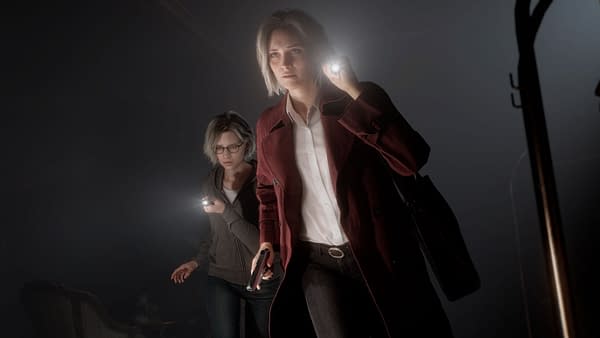
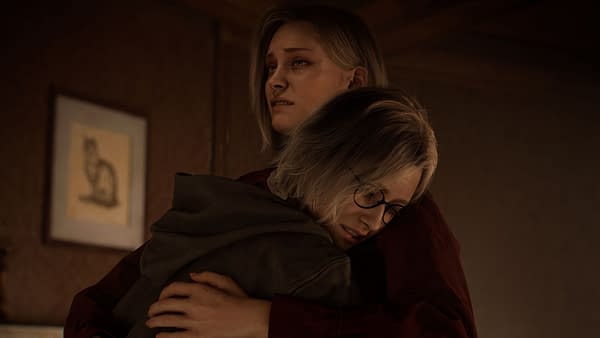
Honestly, I would say the most valuable advice came from our performance capture director, Kate Saxon. Kate said to us, me in particular, because it was my first time, "Think of it as doing theater in the round, because you have cameras all around you, 360 degrees, capturing your movements, but then play the scene like it's for TV or film since the audience is right there on your head with you. You don't need to project; you don't need to play big or do any of that sort of stuff." It was about playing the scene as truthfully as possible, but also having that freedom in the body in the same way that you do in theater. I would say that was the best piece that anyone gave me when we first started filming.
-
- Credit: Capcom
-
- Credit: Capcom
Heading into this, there's so much history with the Resident Evil franchise itself. Did you get anything as far as like games to play, or some titles to focus on, even if it's not related to the franchise, to immerse you in the role of Grace?
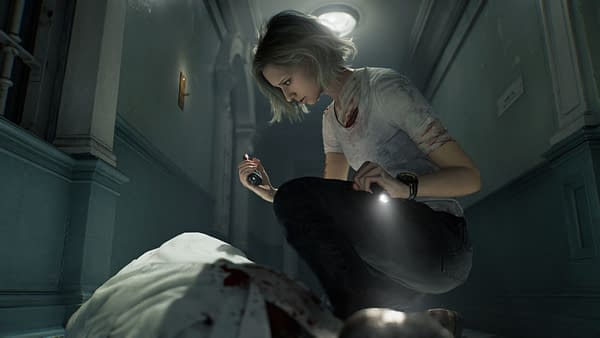
I played Resident Evil 4 for research, more to get a feel for the tone of the games, and then I watched a lot of the gameplay on YouTube of Resident Evil 7, because that is what they were comparing that slow, creeping, horror-like tone to. I would say those two were my main points of reference and research. With Grace, part of the beautiful thing about her is that she's a totally new character, and there are a lot of things in the franchise that she doesn't necessarily know about. I did the research more for the tone, because I wanted to stay true to the Resident Evil world, which is so beloved. I also didn't want to over-intellectualize Grace, know everything about Raccoon City, and everything about this. I think that was good, because it kept her alive in all of those moments of being surprised, and everything being so new to her in the way that it was also new to me, as Angela.
-
- Credit: Capcom
-
- Credit: Capcom
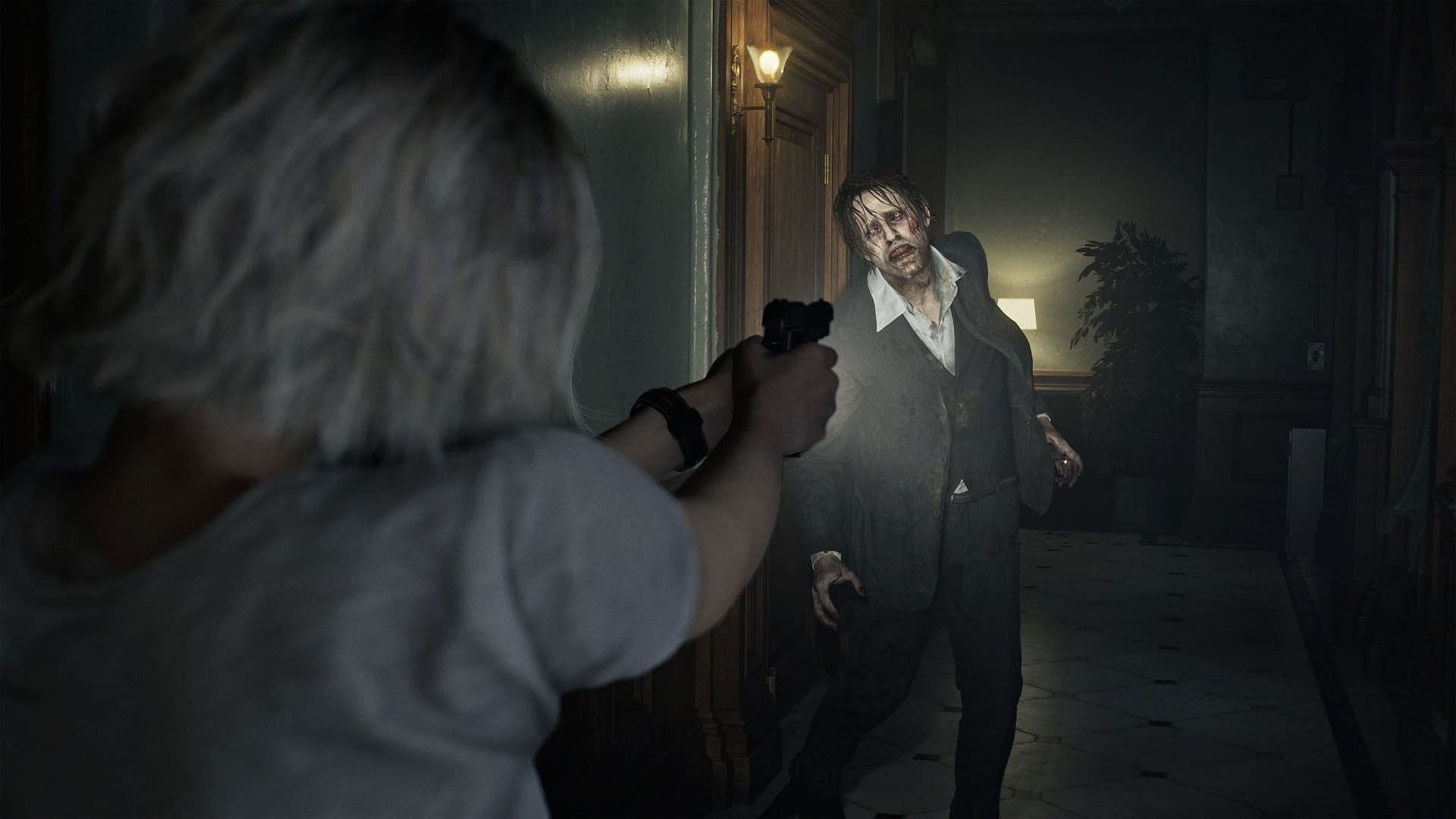
Were you shown visually all the characters and the monsters you've encountered along the way as you were performing?
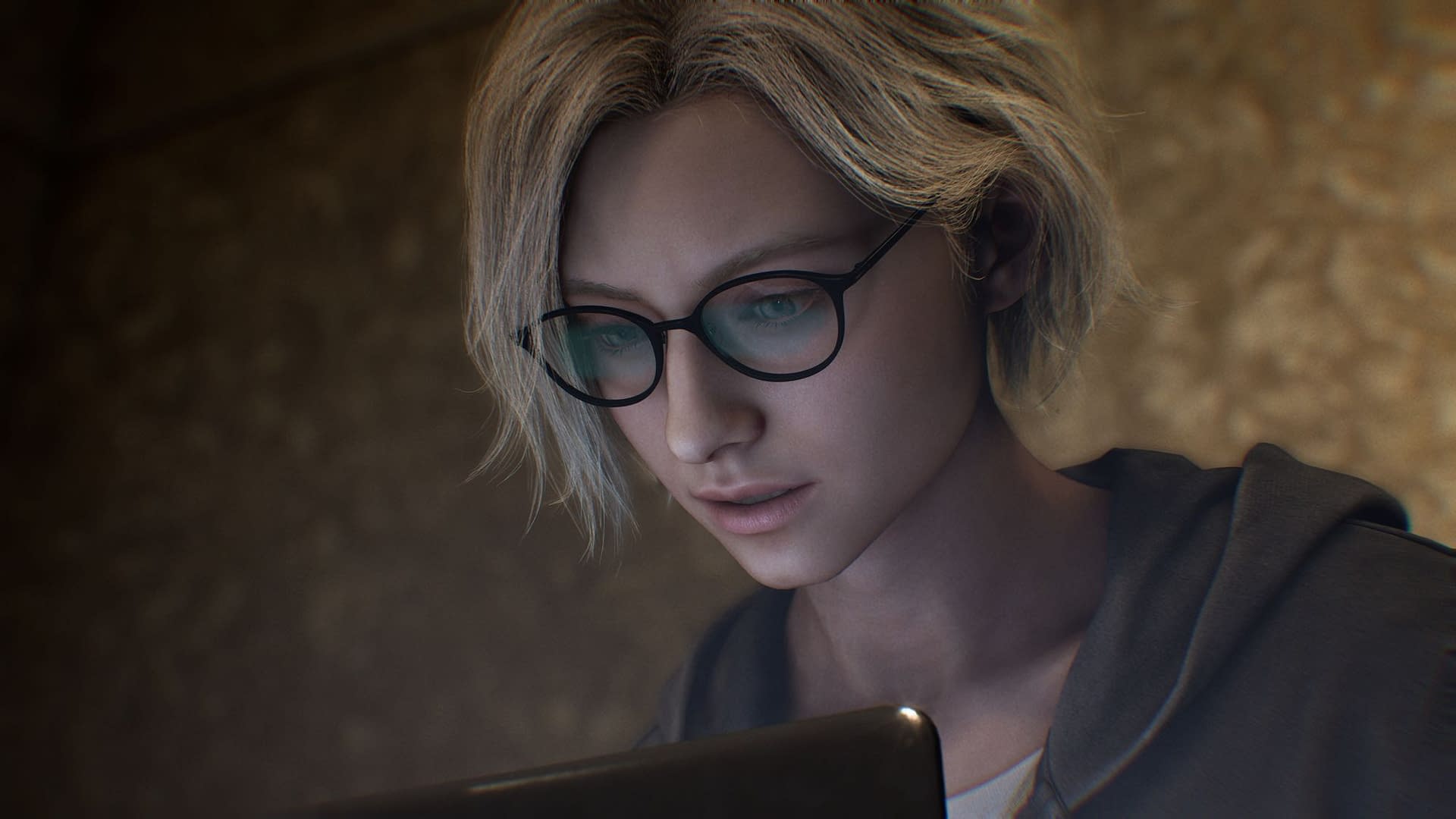
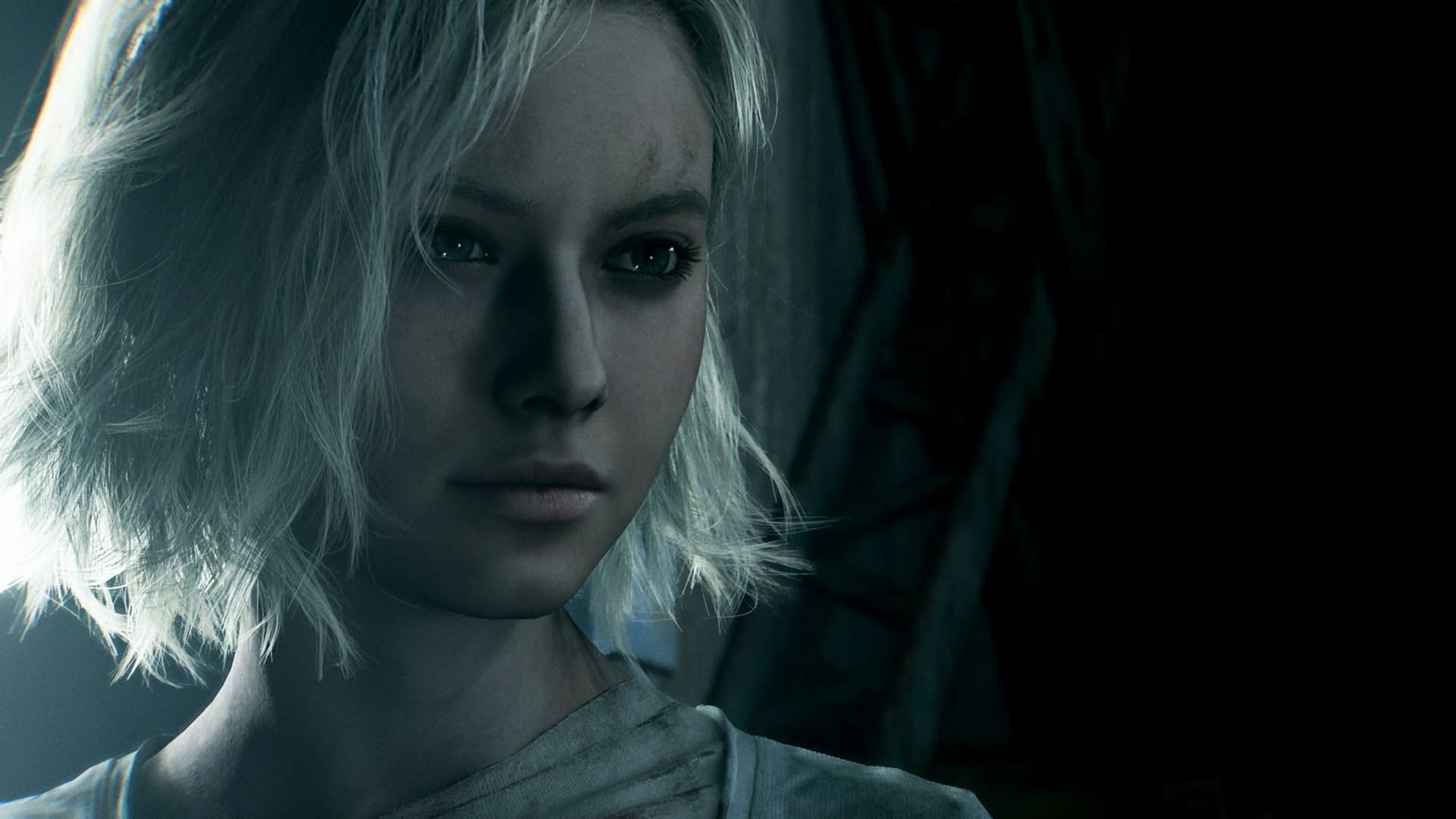
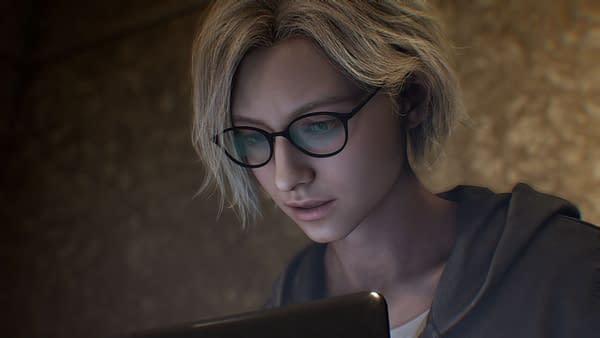
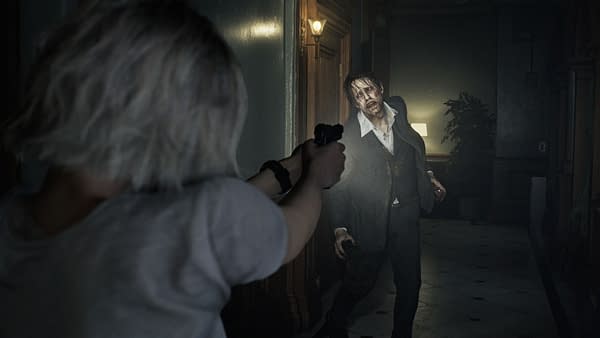
Yes, we did. They show you something that they call a "previs" or a "pre-visual," which is where they show roughly what they want the scene to look like in terms of blocking, in terms main key beats in the script, then they also show you, "Oh, if you've got the girl coming towards you, this is what the girl is going to look like so that." Obviously, a huge part of mocap is you're creating everything in your imagination, but when they give you the image, it's a helpful point of reference for the actor to go, "Oh my God! That's what the girl looks like," then, in your imagination, you can build on what she does and the way that she moves, the way that gurgles, or all these other elements to her. We did get visual references, and I also got visual references of Grace, what she looks like, and the kind of clothes that she wears, like her glasses, backpack, and all those little character traits that helped me craft and build her.
Resident Evil Requiem is available on Nintendo Switch 2, PlayStation 5, Xbox Series X/S, and Windows.
Enjoyed this? Please share on social media!



Stay up-to-date and support the site by following Bleeding Cool on Google News today!